
Stop Your Jack Russell Terrier Guarding Food and Toys — the Calm, Force-Free Way
Jack Russell terrier resource guarding is common and fixable. Here's a force-free, realistic plan to help your JRT relax around food, toys, and valued spots.

Written by Bradley Brown
Founder & editor · Reviewed 2026-07-15

Jack Russell Terriers are tenacious, intelligent, and deeply attached to what's theirs — which makes resource guarding more common in the breed than most owners expect. The good news is that with consistent, low-pressure training you can genuinely change how your JRT feels about people approaching their stuff, not just suppress the growl temporarily.
Is my Jack Russell actually resource guarding, or just being a terrier?
Both, probably — and that distinction matters. Jack Russells were bred to work independently, hold their ground in tight spaces, and not back down. That temperament makes resource guarding more likely to surface in the breed, but it doesn't make it inevitable or permanent.
True resource guarding is when your dog stiffens, freezes, eats faster, growls, snaps, or bites when a person or animal approaches something they value — food, a toy, a resting spot, even you. It sits on a spectrum. A hard stare over a chew is very different from a dog who has already made contact with skin. Knowing where your JRT sits on that spectrum helps you decide whether this is a DIY project or whether you need professional support from the outset.
What it is not is dominance, stubbornness, or evidence that you've raised a dangerous dog. Resource guarding is a normal canine behaviour rooted in survival instinct. It becomes a problem when it's intense, escalating, or directed at children — not because your dog is bad.
Why has my JRT suddenly started guarding when they never used to?
"Suddenly" is usually relative — the signs were probably there at low intensity and went unnoticed. But genuine onset or escalation can happen for real reasons: adolescence (six to eighteen months is a common window), a new pet or baby in the home, a change in feeding routine, a period of resource scarcity (even perceived scarcity, like being fed near another dog), pain, or illness.
If the behaviour has genuinely appeared out of nowhere in an adult dog with no history of it, a vet check is worthwhile before you start any training plan. Thyroid issues, pain conditions, and neurological changes can all affect impulse control. Rule that out first.
Otherwise, look at what changed. Identifying the trigger environment — a specific room, a specific person, a specific item — tells you exactly where to start the training.
What's the right way to actually fix jack russell terrier resource guarding?
The gold-standard approach is called trading combined with systematic desensitisation — and it's far more effective than taking items away to "show them who's boss," which typically teaches a dog to guard harder and skip the warning growl.
The trade game (start here)
- Let your JRT settle with something they value moderately — not their absolute favourite item to begin with.
- Crouch or stand nearby (outside their reaction distance) and toss a high-value treat — real chicken, cheese, small piece of sausage — on the ground near them.
- Do this five to ten times over a few days without reaching for the item at all. You're building a new association: person approaches = good things rain down.
- Once your dog is relaxed and even looking up at you expectantly, say "swap" in a neutral tone, hold the treat out, and when they come to get it, calmly pick up the item. Give it straight back after a few seconds.
The returning of the item is critical. Most guarding gets worse because dogs learn that humans approaching means the thing disappears. When the item comes back consistently, the urgency to defend it drops.
Daily time commitment: Five to ten minutes, split across two short sessions. That's genuinely all you need in the early stages. Consistency across weeks beats intensity in a single afternoon.
What not to do: Never punish the growl. A growl is communication — your dog is telling you they're uncomfortable before things escalate. Punishing it doesn't remove the discomfort; it removes the warning, which makes a bite more likely without prior signal.
How long will this actually take to see results?
For mild to moderate guarding with a cooperative owner and a dog who hasn't rehearsed the behaviour for years, you can expect meaningful improvement within four to eight weeks of consistent daily practice. Early wins — your JRT glancing up at you instead of freezing over their bowl — often appear within the first two weeks.
Harder cases take longer. If your dog is guarding multiple items, multiple locations, or directing behaviour at children, expect three to six months of structured work, likely with professional guidance running alongside your daily sessions.
Setbacks are normal and don't mean you've gone backwards permanently. A stressful week, a new visitor, a change in routine — any of these can trigger a temporary spike. Just return to an easier step in the training sequence, rebuild confidence there, and progress again.
My kids keep approaching the dog during meals — how do I manage this right now?
Management and training are two separate things, and both matter. Training changes how your dog feels; management prevents incidents while that's happening.
In the short term:
- Feed your JRT in a separate, gated area where children cannot wander in. This removes the situation entirely while you work on it deliberately.
- Teach children that the dog is not to be approached when eating, chewing, or resting in their bed — not as a permanent rule, but as the current rule while training is underway.
- Pick up high-value chews (raw bones, bully sticks, pig's ears) when children are in the space. These are the items most likely to trigger a strong response even in dogs who are otherwise improving.
Never leave a dog who has shown snapping or biting behaviour unsupervised with children, regardless of how well training is going. Management is not failure — it's responsible ownership while the behaviour changes.
When should I stop DIY training and call a professional?
Call a professional before an incident escalates, not after. Specifically, seek help from a certified, force-free behaviourist or a trainer with credentials in behaviour modification (look for Delta Society membership, CPDT-KA, or equivalent Australian recognition) if:
- Your JRT has made contact with skin, even once
- The guarding is directed at children or elderly family members
- The behaviour is escalating despite consistent training effort
- Your dog guards multiple resources, multiple people, and multiple locations simultaneously
- You feel unsafe or anxious doing the exercises — dogs read that, and it slows progress
A good behaviourist will conduct a proper assessment, give you a tailored plan, and be honest about prognosis. Expect an initial consult to cost $150–$350 AUD depending on your location, with follow-up sessions on top. Some offer telehealth, which works well for guarding cases because the behaviourist can observe your actual home environment.
A professional is not an admission that you've failed. It's the fastest way to get lasting results safely — and for a breed as sharp and determined as a Jack Russell, having expert eyes on the problem is often the shortcut, not the last resort.
Frequently asked questions
Is resource guarding in Jack Russells a sign of aggression?
Resource guarding is a normal canine survival behaviour, not a sign your dog is dangerous or aggressive by nature. It does sit on a spectrum, though — growling is at the mild end, biting is at the serious end. Address it early with positive-reinforcement training before it has a chance to escalate.
Should I take food away from my Jack Russell to teach them not to guard it?
No — repeatedly taking food away tends to make guarding worse, not better, because it confirms the dog's fear that people approach to steal their things. The more effective approach is trading: swap the item for a high-value treat, then return it, so your JRT learns that your approach predicts good things rather than loss.
Can a Jack Russell terrier resource guarding problem be fully resolved?
Many dogs show dramatic, lasting improvement with consistent force-free training. Mild to moderate cases often resolve to the point where guarding is no longer a practical concern in daily life. Severe cases, or those with a long history, may always need some level of management — but a qualified behaviourist can give you a realistic prognosis for your individual dog.
My Jack Russell guards their bed — is that the same as food guarding?
Yes, the same principles apply. Your dog is guarding something they perceive as valuable, whether that's food, a toy, or a resting spot. Use the same trade-and-desensitisation approach: reward your dog generously for moving off the bed on cue, and avoid physically forcing them off, which can trigger a defensive response.
How do I stop two dogs fighting over resources?
Feed dogs separately and out of each other's sight, and supervise all chew and toy time. Don't leave high-value items lying around when both dogs are loose together. You'll need to work on each dog's guarding individually before expecting them to share resources calmly — rushing that step is a common cause of inter-dog incidents.
At what age does resource guarding usually start in Jack Russells?
Signs can appear as young as eight weeks, but many owners notice it ramping up during adolescence — roughly six to eighteen months — when impulse control is still developing. Early, gentle trade games from puppyhood are the best prevention, but the behaviour is absolutely addressable in adult dogs too.
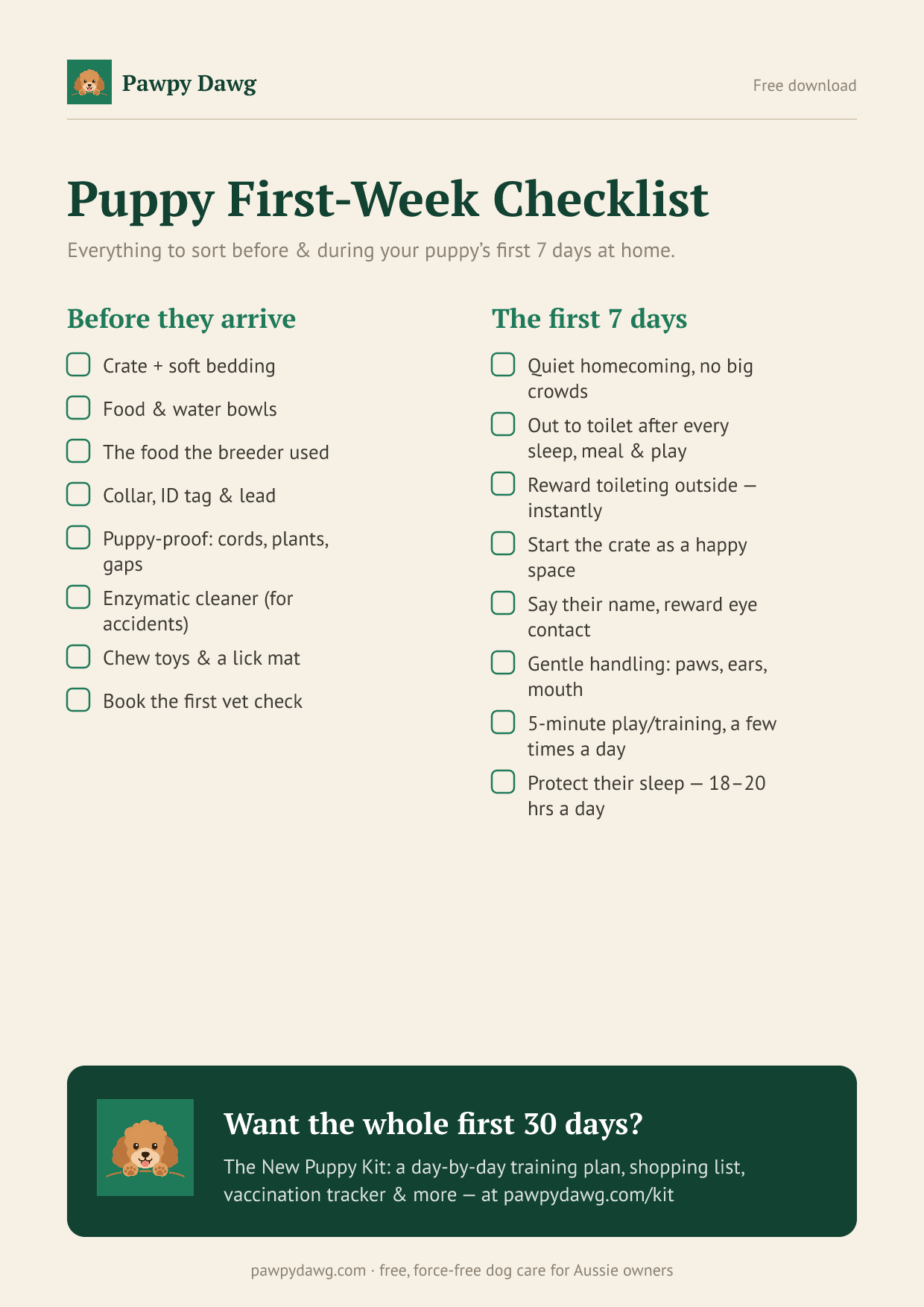
Free printable
Free: the Puppy First-Week Checklist
Everything to sort before and during your puppy's first 7 days home — a printable one-pager. Plus the occasional genuinely useful dog tip. No spam, unsubscribe anytime.
Related guides
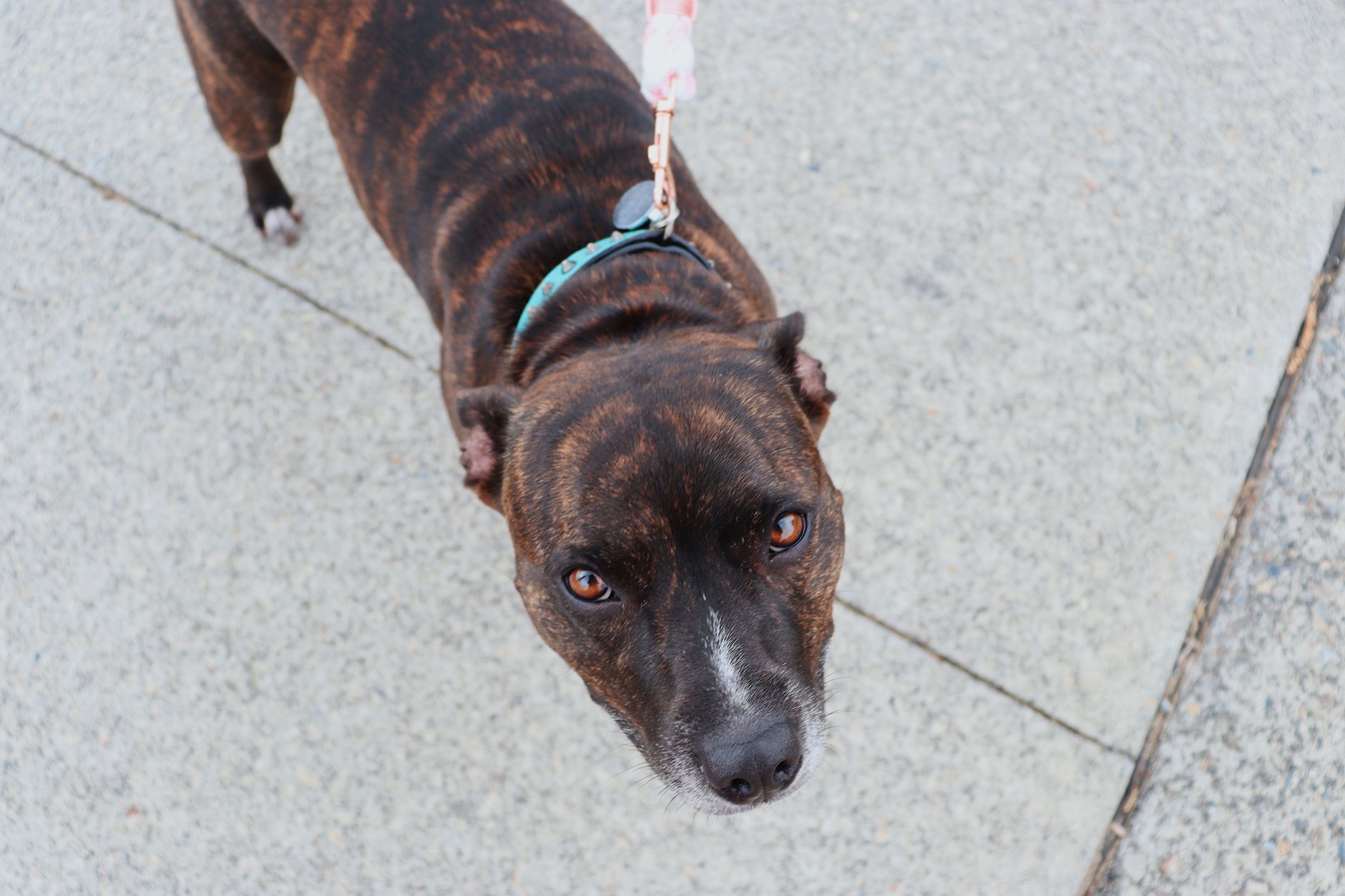
How to Stop a Jack Russell Terrier Pulling on the Lead (Step-by-Step)
Tired of your Jack Russell terrier pulling on the lead? This step-by-step positive-reinforcement plan gets results in 5–10 min/day. Start today.
Read the guide →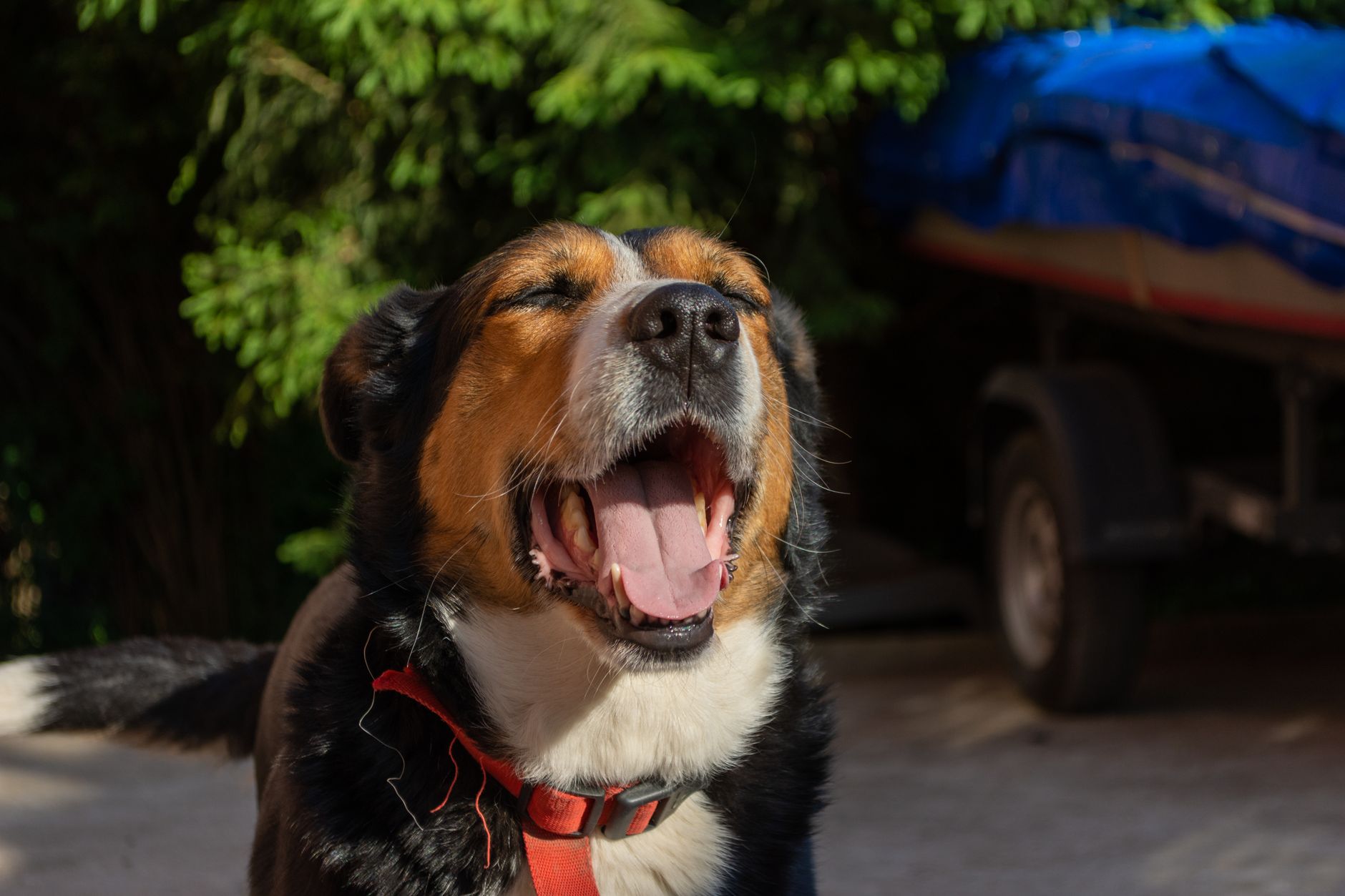
How to Stop a Jack Russell Terrier Barking at Strangers (Step-by-Step)
Tired of your Jack Russell terrier barking at strangers? This step-by-step positive-reinforcement plan gets real results in 5–10 min daily sessions.
Read the guide →
Jack Russell Terrier Separation Anxiety: A Step-by-Step Fix
Struggling with Jack Russell terrier separation anxiety? Get a realistic, step-by-step positive-reinforcement plan — with a quick win you can try tonight.
Read the guide →