
Jack Russell Terrier Separation Anxiety: A Step-by-Step Fix
Struggling with Jack Russell terrier separation anxiety? Get a realistic, step-by-step positive-reinforcement plan — with a quick win you can try tonight.

Written by Bradley Brown
Founder & editor · Reviewed 2026-07-13
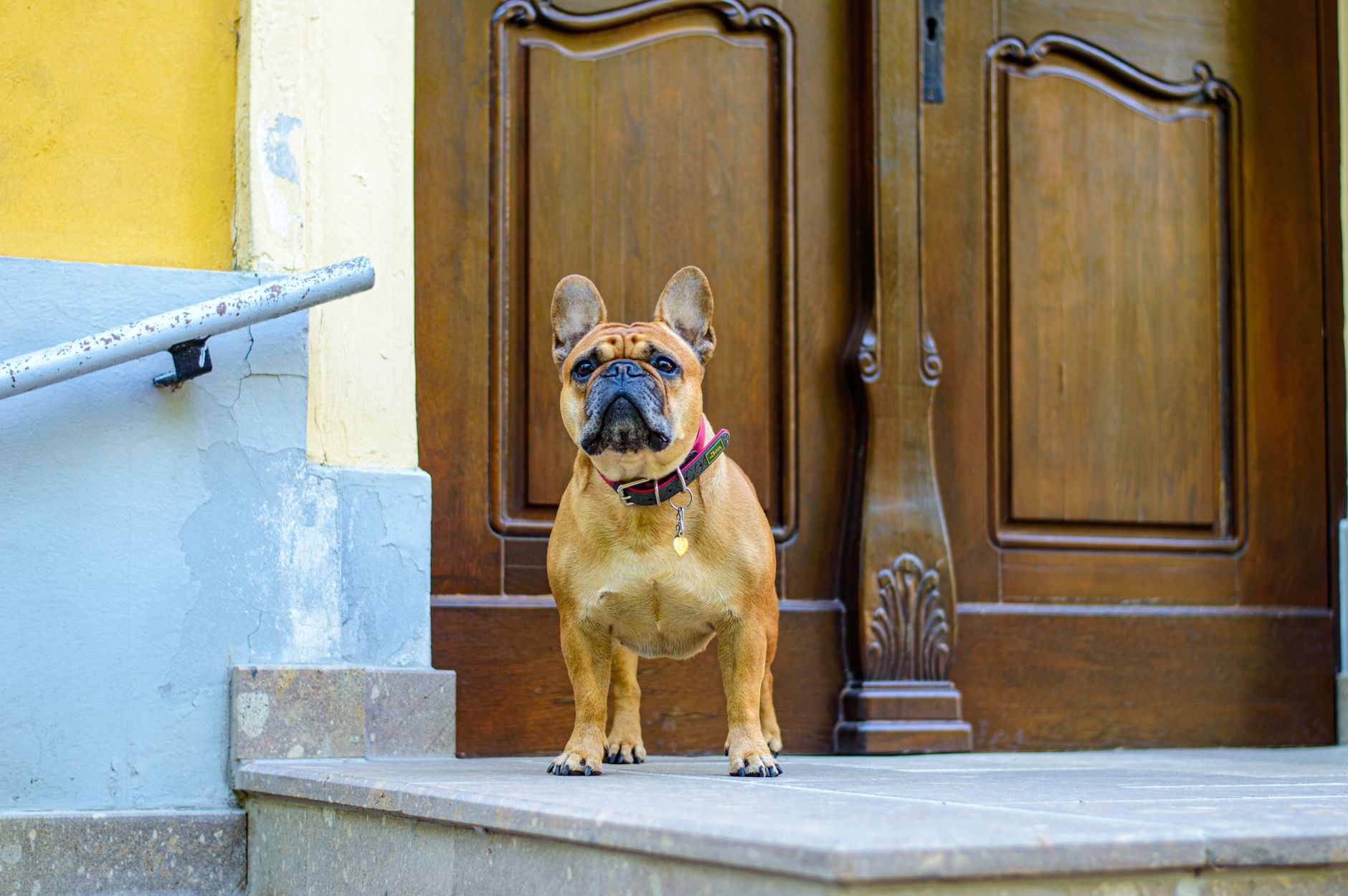
You came home to shredded cushions, a howling neighbour complaint, or a dog who lost his mind the second you picked up your keys. That's exhausting — and if you're reading this at 10 pm, you're probably equal parts worried and worn out. Here's the truth: Jack Russell terrier separation anxiety is one of the most common issues their owners face, it does not mean you've ruined your dog, and it is absolutely fixable with the right approach.
Let's get into it.
Why Jack Russells Are Particularly Prone to This
Jack Russells were bred to work closely alongside humans — hunting, flushing, and following instruction all day. They're wired for companionship and stimulation. Left alone without preparation, that drive turns inward: barking, destruction, pacing, toileting inside, or self-harm like excessive licking.
This is normal breed behaviour, not a personality flaw or a training failure on your part. It's a nervous system response, not spite.
Your Quick Win for Tonight (Seriously, Try This Now)
Before any structured programme, do this: practise micro-departures.
- Pick up your keys and put them down. Don't leave. Repeat five times.
- Put on your shoes, walk to the door, open it, close it, sit back down.
- Step outside for 10 seconds. Come back in. Completely ignore your dog for 30 seconds, then calmly greet them.
Do this 10–15 times in a single evening session. It takes about 8 minutes.
Why it works: your dog has learned that "keys = you disappearing forever." Micro-departures break that association by making your leaving cues meaningless. This is the foundation of every professional desensitisation plan, and you can start it tonight.
Step-by-Step Plan: The 4-Week Framework
You only need 5–10 minutes a day. Consistency beats duration every time.
Week 1 — Decouple the Departure Cues
Run the micro-departure exercise from above twice daily. Also:
- Randomise your routine. Put shoes on at dinner. Pick up your bag and watch TV. Grab your keys mid-breakfast.
- Stop making departures and arrivals emotional events. No long goodbye speeches; no over-the-top reunions. A calm "see ya" and a calm return is what a settled dog needs to see.
- Introduce a departure cue word (e.g. "back soon") said in a neutral, matter-of-fact tone only when you actually leave.
Week 2 — Build a Positive "Alone Zone"
Your Jack Russell needs a physical space they associate with calm and safety — not a punishment zone.
- Choose a spot: a crate with the door open, a pen, or a specific room.
- Each day, toss high-value treats (cheese, cooked chicken) into this space randomly so your dog goes in voluntarily.
- Feed meals in or near this zone.
- Introduce a Kong or puzzle feeder stuffed with something irresistible (peanut butter + banana, frozen sardines in cream cheese). Give it only when you're about to leave or during alone training. This creates a positive emotional response to your departure.
Week 3 — Extend Alone Time in Small Increments
Now you're ready to build actual alone time:
- Leave for 2 minutes. Return before any signs of distress. No fanfare.
- Add 2–3 minutes every 2–3 days — but only if the previous duration was calm.
- Use a cheap pet camera (Petcube or similar, from around AU$60–$120) to check in without your presence contaminating the session.
The golden rule: always return before your dog hits their anxiety threshold. Returning to a distressed dog reinforces the panic. If your dog is already spiralling at 5 minutes, go back to 3 minutes.
Week 4 — Real-World Departures
Combine everything:
- Short errand (15–20 minutes) with a stuffed Kong left in the safe zone.
- Gradually stretch to 45 minutes, then 90 minutes over the following weeks.
- Maintain a consistent pre-departure routine: Kong out, neutral "back soon," leave.
Common Mistakes That Stall Progress
| Mistake | Why It Backfires | What to Do Instead |
|---|---|---|
| Rushing the timeline | One bad session can reset weeks of progress | Slow down; small wins compound |
| Punishing post-destruction | Dog can't connect punishment to past behaviour | Clean up calmly; review what went wrong |
| Emotional goodbyes | Signals that leaving is a big deal | Neutral, brief, consistent farewell |
| Skipping the Kong/puzzle feeder | Removes the positive departure association | Always leave something engaging |
| Leaving too long too soon | Dog exceeds threshold; anxiety is reinforced | Use a camera; stay under the threshold |
Supporting the Plan: Exercise and Mental Stimulation
A tired Jack Russell is a calmer Jack Russell. Before any alone period:
- 20–30 minutes of physical exercise — a fast walk, fetch, or a run in a secure area.
- 5 minutes of nose work — scatter kibble in the grass or hide treats around the house. Sniffing activates the parasympathetic nervous system and genuinely tires dogs out.
This won't fix separation anxiety on its own, but it lowers baseline arousal so the training has a better chance of sticking.
Realistic Timelines
- Mild cases (some vocalisation, minor destruction): improvement in 3–6 weeks with consistent daily work.
- Moderate cases (sustained barking, regular destruction, toileting inside): 2–4 months.
- Severe cases (self-harm, inability to cope even with a human in another room): requires professional support — see below.
Don't compare your progress to someone else's. Every dog has a different starting point.
When to Get Professional Help
Some dogs need more than a DIY plan, and there's no shame in that. Seek help if:
- Your dog cannot settle even when you're home but out of sight.
- There's self-directed harm (chewing paws, tail, flanks).
- You've been consistent for 6+ weeks with no improvement.
- Neighbours have issued formal complaints and your timeline is now urgent.
Who to contact:
- A veterinary behaviourist (registered specialist) for severe cases — they can assess whether medication (e.g. fluoxetine, clomipramine) would help alongside behaviour modification. Medication isn't a crutch; for severe anxiety it's often what makes training possible.
- A certified dog trainer with credentials in separation anxiety (look for a CPDT-KA, or trainers who specifically list separation anxiety work) for moderate cases.
- Your regular vet as a first port of call — they can rule out underlying medical issues and refer appropriately.
In Australia, a veterinary behaviourist consultation typically runs AU$300–$600 for an initial appointment, but the long-term cost of unaddressed anxiety (in vet bills, damaged property, and your own stress) is far higher.
What You're Really Teaching Your Dog
Every micro-departure, every calm return, every Kong stuffed at 7 am before you head to work — you're teaching your Jack Russell that being alone is safe and temporary. That message takes repetition to land, but it lands. These dogs are smart, resilient, and deeply motivated by their relationship with you. That same bond that makes separation hard is exactly what makes recovery possible.
Start tonight. Ten minutes. Keys up, keys down. You've got this.
As an Amazon Associate we earn from qualifying purchases.
Frequently asked questions
How long does it take to fix separation anxiety in a Jack Russell terrier?
Mild cases often show clear improvement within 3–6 weeks of consistent daily training. Moderate cases typically take 2–4 months. Severe anxiety — where the dog can't cope even briefly — usually requires help from a vet or certified behaviourist and may take longer. Progress depends on consistency and keeping sessions under the dog's anxiety threshold.
Should I crate my Jack Russell when I leave the house?
A crate can help if your dog already has a positive association with it — it provides a predictable, enclosed safe space. However, crating a dog who already has separation anxiety and hasn't been properly crate-trained can make anxiety worse. Introduce the crate gradually with treats and meals before using it during departures.
Can separation anxiety in Jack Russells be cured with medication?
Medication alone rarely resolves separation anxiety, but it can lower a dog's baseline anxiety enough to make behaviour modification actually work. Vets most commonly prescribe fluoxetine or clomipramine for severe cases. Always combine medication with a structured training plan, ideally under the guidance of a veterinary behaviourist.
Why does my Jack Russell only act up when I specifically leave, not when other people do?
Jack Russells typically bond most intensely to one primary person. When that specific person leaves, the dog's anxiety triggers more strongly because their attachment figure is gone. The desensitisation plan remains the same, but you — the primary person — need to be the one conducting most of the departure training sessions.
Is it too late to fix separation anxiety in an older Jack Russell?
No. Dogs of any age can learn new emotional responses with patient, consistent training. Older dogs may take longer to change established patterns, but the same positive-reinforcement desensitisation approach is effective at any age. If an older dog has developed separation anxiety suddenly, rule out medical causes (like cognitive decline or pain) with a vet visit first.
Will getting a second dog fix my Jack Russell's separation anxiety?
Usually not, and it can backfire. If the anxiety is specifically about your absence, a second dog won't replace you as the attachment figure. Some dogs do settle more with a companion, but many simply have two anxious dogs instead of one. Address the anxiety behaviourally first before considering adding another pet.
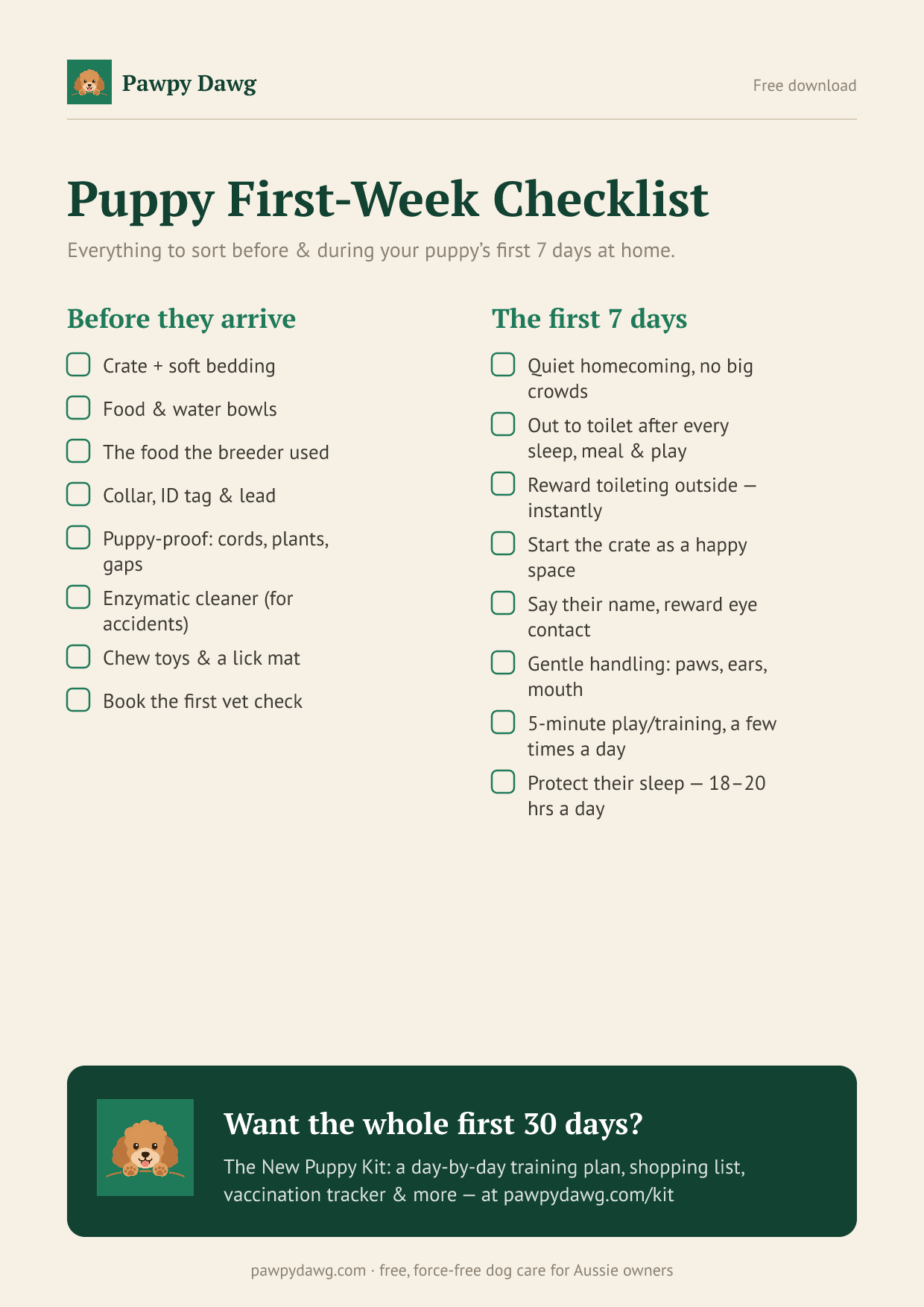
Free printable
Free: the Puppy First-Week Checklist
Everything to sort before and during your puppy's first 7 days home — a printable one-pager. Plus the occasional genuinely useful dog tip. No spam, unsubscribe anytime.
Related guides
How to Stop a Jack Russell Terrier Pulling on the Lead (Step-by-Step)
Tired of your Jack Russell terrier pulling on the lead? This step-by-step positive-reinforcement plan gets results in 5–10 min/day. Start today.
Read the guide →
How to Stop a Jack Russell Terrier Barking at Strangers (Step-by-Step)
Tired of your Jack Russell terrier barking at strangers? This step-by-step positive-reinforcement plan gets real results in 5–10 min daily sessions.
Read the guide →
How to Stop a Jack Russell Terrier Jumping Up on People (Step-by-Step)
Tired of your Jack Russell terrier jumping up on people? This step-by-step positive-reinforcement plan gets real results in minutes a day — starting tonight.
Read the guide →