
How to Stop a Jack Russell Terrier Pulling on the Lead (Step-by-Step)
Tired of your Jack Russell terrier pulling on the lead? This step-by-step positive-reinforcement plan gets results in 5–10 min/day. Start today.

Written by Bradley Brown
Founder & editor · Reviewed 2026-07-13
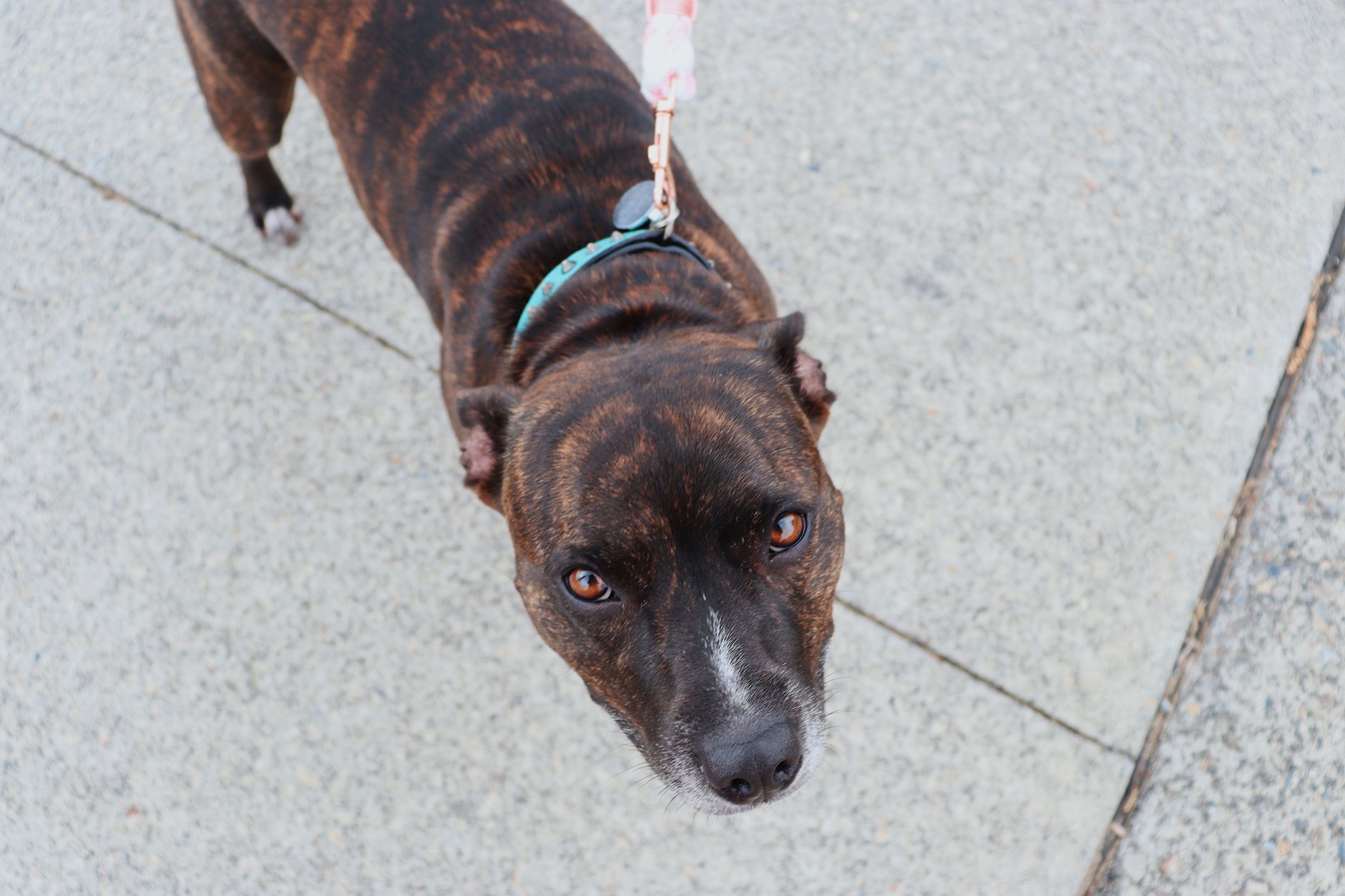
If your Jack Russell has been dragging you down the street like a tiny freight train, you're not alone — and you haven't ruined your dog. Jack Russells were bred to hunt, chase, and cover ground fast. Pulling on the lead isn't defiance; it's instinct doing exactly what it was designed to do. The good news? That same intensity makes them fast learners when you give them the right system.
Here's a plan you can start on your very next walk.
Your Quick Win for Today: The "Stop and Wait" Reset
Before you overhaul anything, try this on your next outing. The moment your Jack Russell's lead goes tight, stop walking completely. Say nothing. Don't pull back, don't repeat their name. Just become a statue.
The second the lead goes slack — even a centimetre — mark it with a calm "yes" and take one step forward as the reward. Your dog wants forward movement more than almost anything. You're teaching them that a tight lead switches off forward motion, and a loose lead switches it back on.
That's it. That one concept, repeated consistently, is the engine underneath everything else below.
Why Jack Russells Pull More Than Most Breeds
Jack Russells have a high prey drive, near-endless stamina, and a brain that's always three steps ahead. They pull because:
- The world is genuinely thrilling to them (smells, movement, other animals)
- Pulling has worked — they got to the park faster, reached the interesting smell, said hello to the other dog
- They have a low threshold for frustration, so slow walking feels almost painful
Understanding this stops you from taking the pulling personally. It also explains why gentle leaders and harnesses alone don't solve the problem — they manage the symptom but don't teach the skill.
What You'll Need
- A front-clip harness (not a back-clip, which actually encourages pulling) or a head halter if recommended by your vet or trainer. Avoid retractable leads — they teach dogs that pulling extends their range.
- High-value treats your dog goes nuts for: small pieces of cooked chicken, cheese, or fritz work well. Dry kibble is usually not motivating enough for this breed.
- 5–10 minutes per session, once or twice a day. Short and consistent beats long and sporadic every time.
Step-by-Step Loose-Lead Training Plan
Step 1: Start at Home, Not on the Street (Days 1–3)
The street is too distracting to learn anything new. Begin in your hallway or back garden.
- With your dog on lead, hold the lead loosely at your hip.
- Take a few steps. The moment the lead tightens, stop.
- Wait for slack, mark ("yes"), and move forward.
- Every few steps when the lead stays loose, drop a treat to the ground at your heel position. This builds the habit of walking beside you, not ahead.
Do this for 5 minutes. End on a good rep.
Step 2: Add a Cue Word (Days 3–5)
Once your dog is offering a loose lead consistently indoors, add a cue. "Let's walk," "with me," or "easy" — pick one and stick to it. Say it once as you set off. Don't repeat it constantly; the word should mean "here's your chance to get this right," not background noise.
Step 3: Take It to the Footpath (Days 5–10)
Move to a quiet street, not your usual exciting route.
- Use a two-reward system: treats for staying beside you, and permission to sniff as a life reward. "Go sniff" is a powerful release cue — sniffing is what they desperately want, so let them earn it.
- When they lock onto something and surge forward, stop. Wait. Reward the return to slack.
- Keep sessions to one block and back. Quit before they (or you) get frustrated.
Step 4: Increase Difficulty Gradually (Weeks 2–4)
Only make things harder once the easier version is reliable. Add:
- Busier streets
- Passing other dogs (at distance first)
- Your usual walk route
If pulling returns at any stage, go back one step. That's not failure — that's how learning consolidates.
Common Mistakes That Slow Progress
| Mistake | Why It Backfires | Fix |
|---|---|---|
| Pulling back on the lead | Creates an opposition reflex — they pull harder | Stop and wait instead |
| Repeating "heel, heel, heel" | Cue becomes meaningless background noise | Say it once, then use your feet to communicate |
| Letting them pull "just this once" | Intermittent reward makes pulling more persistent | Consistency matters more than perfection |
| Using a retractable lead | Rewards every pull with more lead | Switch to a fixed 1.5–1.8 m lead |
| Long exhausting sessions | Dog (and owner) switches off | Keep it to 5–10 minutes, end on a win |
Realistic Timelines
Be honest with yourself about what to expect:
- Days 1–3: You'll see moments of loose lead at home. That's real progress.
- Week 2: Most dogs start defaulting to loose lead on quieter streets.
- Week 4–6: Busy routes and distractions become manageable with reminders.
- 8–12 weeks: Reliable loose lead in most situations for a consistent trainer.
Jack Russells are smart, but they're also stubborn in the best way — they'll test whether the rules still apply. They do. Keep going.
What Actually Doesn't Work
- Choke chains and prong collars: Beyond the welfare concerns, they often increase anxiety and reactivity in high-drive breeds, making walks worse long-term. Australia's leading veterinary and behaviourist bodies recommend against them.
- Yelling or jerking: Adds stress to an already-aroused dog, which muddies the communication.
- Flooding them with distractions early: Trying to train at the off-leash park in week one is like learning to drive on the freeway.
When to Call in a Professional
If after four to six weeks of consistent work you're seeing no improvement — or if your dog is lunging, growling, or showing signs of reactivity — it's time to bring in a qualified force-free trainer. Look for someone accredited through Delta Society Australia or the Pet Professional Guild Australia. A few targeted sessions (typically $80–$180 AUD per session depending on location) can shortcut months of frustration.
You haven't failed. Some dogs need a human translator, and that's what good trainers are for.
A Note on Exercise Before Walks
A Jack Russell who hasn't burned any energy is almost untrainable on lead. If you can give them 5–10 minutes of fetch or tug in the back garden before a training walk, you'll be working with a slightly calmer dog. Not a tired one — just one whose edge has been taken off. Training still needs to happen, but it's a much more productive conversation.
As an Amazon Associate we earn from qualifying purchases.
Frequently asked questions
How long does it take to stop a Jack Russell terrier pulling on the lead?
Most owners see noticeable improvement on quiet streets within two weeks of consistent daily practice. Reliable loose-lead walking in busier, more distracting environments typically takes 8–12 weeks. Progress depends on how consistent you are and how long pulling has been rewarded — older habits take longer to replace.
Is a harness or collar better for a Jack Russell that pulls?
A front-clip harness is generally the best starting point — it redirects the dog towards you when they pull rather than letting them power forward. Flat collars put pressure on the trachea, which is a real concern with a dog that pulls hard. Avoid back-clip harnesses for pullers, as the design actually makes pulling more comfortable for the dog.
My Jack Russell only pulls towards other dogs — is that a different problem?
Pulling towards other dogs often involves frustration or excitement rather than just forward momentum, and can tip into leash reactivity if not addressed early. The loose-lead basics still apply, but you'll also need to work on 'look at that' exercises to change how your dog feels about the trigger. If there's barking or lunging involved, a qualified force-free trainer can help you work through it safely.
Can an older Jack Russell learn to stop pulling, or is it too late?
It is never too late. Older dogs can absolutely learn new habits — they may just need slightly more repetitions to overwrite a well-practised behaviour. The same positive-reinforcement steps apply. The main adjustment is patience: give an older dog more time at each stage before increasing difficulty.
Should I use a head halter on my Jack Russell?
Head halters (like the Halti or Gentle Leader) can be very effective for strong pullers, but they require a proper introduction — put one on without conditioning and most dogs will fight it the entire walk. Spend a week pairing the halter with treats before clipping the lead to it. If your dog seems distressed after a thorough introduction, a front-clip harness is a better fit.
Why does my Jack Russell walk perfectly off-lead but pull constantly on lead?
Off lead, your dog self-regulates their pace and direction freely — there's no frustration. The lead creates a physical constraint that, especially for a high-drive breed, can trigger pulling as an automatic response to that restriction. This is very common and doesn't mean your dog is being wilful; it means they need to learn that the lead is a communication tool, not just a tether.
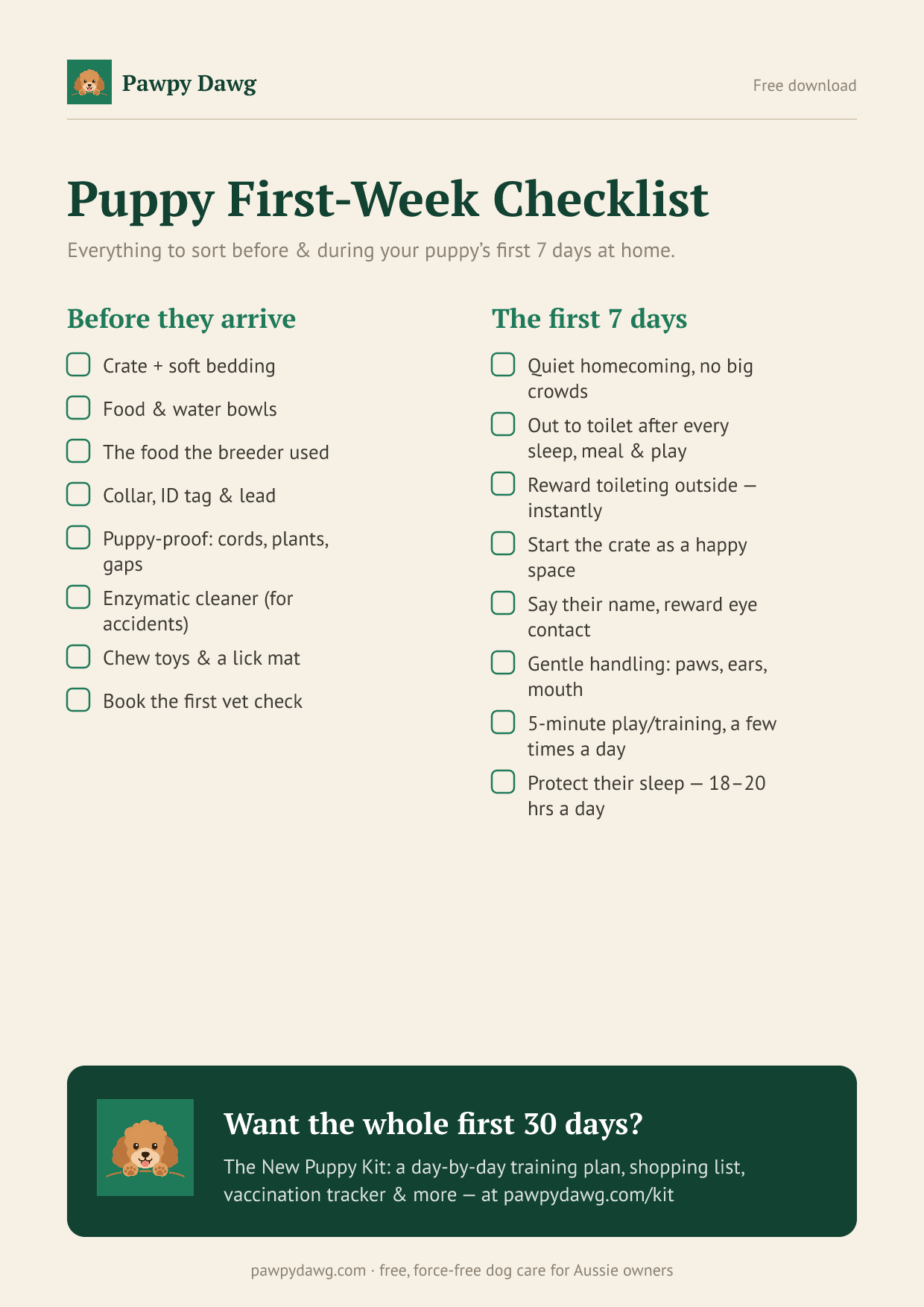
Free printable
Free: the Puppy First-Week Checklist
Everything to sort before and during your puppy's first 7 days home — a printable one-pager. Plus the occasional genuinely useful dog tip. No spam, unsubscribe anytime.
Related guides
How to Stop a Jack Russell Terrier Barking at Strangers (Step-by-Step)
Tired of your Jack Russell terrier barking at strangers? This step-by-step positive-reinforcement plan gets real results in 5–10 min daily sessions.
Read the guide →
Jack Russell Terrier Separation Anxiety: A Step-by-Step Fix
Struggling with Jack Russell terrier separation anxiety? Get a realistic, step-by-step positive-reinforcement plan — with a quick win you can try tonight.
Read the guide →
How to Stop a Jack Russell Terrier Jumping Up on People (Step-by-Step)
Tired of your Jack Russell terrier jumping up on people? This step-by-step positive-reinforcement plan gets real results in minutes a day — starting tonight.
Read the guide →