
Staffordshire Bull Terrier Separation Anxiety: A Step-by-Step Fix
Staffordshire Bull Terrier separation anxiety is common and fixable. Get a realistic, step-by-step positive-reinforcement plan you can start today — no 60-min sessions needed.

Written by Bradley Brown
Founder & editor · Reviewed 2026-07-02

You came home to shredded cushions, a scratched door, or a neighbour complaint — and now you're sitting here at 10 pm wondering what you've done wrong. You haven't done anything wrong. Staffords are bred to be with people. A dog who struggles to be alone isn't a "bad dog" or evidence of bad ownership — it's a dog doing exactly what its genetics tell it to do. The good news: this is one of the most well-understood behaviour problems in dogs, and it responds well to a structured plan.
Here's a quick win you can try tonight: before you leave any room, drop a high-value treat (chicken, cheese, kabana) on the floor near your Stafford, step out for five seconds, then calmly return. No fanfare, no big hello. That single exercise — done 10 times in a row — is the foundation of everything below.
Why Staffords Are Especially Prone to Separation Anxiety
Staffordshire Bull Terriers were bred as close-working companions. They read human body language with startling accuracy and form intense bonds fast. That's what makes them so brilliant to live with — and what makes isolation genuinely distressing for them.
Common signs include:
- Destructive chewing or scratching at doors and windows
- Vocalising (barking, whining, howling) within minutes of you leaving
- Toileting inside despite being house-trained
- Pacing, drooling, or self-harm (paw licking, flank sucking)
- Shadowing you constantly before you leave ("velcro dog" behaviour)
One important distinction: boredom and separation anxiety look similar but need different fixes. A bored Stafford usually chews after an hour or two and is cheerful when you return. A dog with true separation anxiety often panics within the first five minutes and may be too distressed to eat, drink, or settle at all while alone.
The Step-by-Step Plan
Step 1 — Pre-departure calm (start today, 5 minutes)
Most owners accidentally teach their dog that departure cues (picking up keys, putting on shoes) mean panic. You need to "defuse" those cues.
- Pick up your keys, sit back down, watch TV. Do this 20 times a day for a week.
- Put your shoes on, make a coffee, take your shoes off. Random order, no pattern.
- Do NOT give a long, emotional goodbye. A calm, brief "see ya" is enough — lengthy farewells raise arousal before you've even left.
Step 2 — Build absences from zero (Week 1–2)
This is called systematic desensitisation. The goal is to keep your dog below the panic threshold at every stage.
- Step outside the front door, close it, count to three, come back in. Calm re-entry.
- Gradually increase: 10 seconds → 30 seconds → 1 minute → 5 minutes → 15 minutes.
- Never jump ahead. If your dog vocalises or scratches, you went too fast. Drop back a step.
- Practice multiple short absences per day rather than one long one.
Aim for two or three 5–10 minute sessions per day. That's it. Consistency beats duration every time.
Step 3 — Create a positive "alone space" (Week 1 ongoing)
Your Stafford needs a go-to spot that predicts good things, not punishment.
- Use a crate, a pen, or a specific room — never force; build value with food first.
- Feed meals in the space. Drop treats in there randomly throughout the day.
- Give a long-lasting chew (bully stick, Kong stuffed with frozen peanut butter and banana, raw meaty bone) only when you leave. This chew becomes a predictor of alone time — and eventually, something to look forward to.
Step 4 — Exercise and mental stimulation before departures
A physically and mentally tired Stafford copes better with solitude. You don't need a marathon — 20–30 minutes of sniff-heavy walking (let them stop and smell everything) or a 10-minute training session burns more energy than a jog.
- Scatter feeding breakfast in the backyard instead of a bowl
- A sniff mat, puzzle feeder, or frozen Kong just before you leave
- Avoid intense play right before leaving — it winds them up, not down
Step 5 — Manage the environment while you train
Crating or penning a panicking dog without proper conditioning makes anxiety worse, not better. While you're building tolerance:
| Situation | Helpful option |
|---|---|
| Stafford alone for work hours already | Doggy daycare 2–3 days/week, or a dog walker mid-day |
| Family member home sometimes | Use that time to practise departures safely |
| Apartment with noise complaints | Speak to your vet now — medication can help while you train |
| Puppy just rehomed | Start Step 1 and 2 immediately; prevention is easier than cure |
Common Mistakes That Slow Progress
- Punishment after the fact. Your dog cannot connect your anger to something that happened 20 minutes ago. It only teaches them to fear your return.
- Flooding. Leaving for 8 hours from day one does not "teach them they'll survive." It usually makes things worse.
- Inconsistency. Three good days followed by a forced long absence resets your progress.
- Skipping the vet. Moderate to severe separation anxiety often has a physiological stress component. Medication (such as fluoxetine or clomipramine, prescribed by your vet) is not a shortcut — it's a tool that makes behaviour training possible for dogs who can't learn below their panic threshold.
Realistic Timelines
Be honest with yourself about where you're starting:
- Mild anxiety (settles within 10–15 minutes, no destruction): most dogs respond well in 2–6 weeks of consistent desensitisation.
- Moderate anxiety (some destruction, vocalising for 20+ minutes): expect 2–4 months. A consult with a qualified trainer helps enormously.
- Severe anxiety (non-stop distress, self-injury, can't be left at all): please involve your vet and a certified behaviourist now. This is not a failure — it's the appropriate level of care.
When to Call in a Professional
Get professional help if:
- Your dog can't be left for even two minutes without full panic
- You're seeing self-destructive behaviour (chewing paws raw, breaking teeth on crates)
- You've been consistent for 6–8 weeks with no improvement
- You're avoiding going out because of the guilt — that affects your quality of life too
Look for a trainer who uses positive reinforcement and holds credentials from bodies like the PPGA (Pet Professional Guild Australia), Delta Society Australia, or a veterinary behaviourist registered with the ANZCVS. Avoid anyone who suggests punishment, "dominance," or alpha-rolling to fix anxiety — those approaches make fear-based behaviour worse.
You Haven't Ruined Your Dog
Staffords are resilient, motivated, and food-driven — all of which work in your favour. The same intensity that makes them hard to leave alone makes them fast learners when the training is set up correctly. Start with those five-second departures tonight, keep sessions short, and give it time. Most Stafford owners who stick with this plan end up with a dog who can comfortably handle a normal working day.
One small step, repeated consistently, is worth more than any perfect plan you never start.
As an Amazon Associate we earn from qualifying purchases.
Frequently asked questions
How long does it take to fix separation anxiety in a Staffordshire Bull Terrier?
Mild cases often improve in 2–6 weeks with consistent daily practice. Moderate anxiety can take 2–4 months, and severe cases may require ongoing management with the help of a vet and behaviourist. Consistency matters far more than the length of individual sessions — short, daily practice beats occasional long efforts every time.
Should I crate my Stafford to help with separation anxiety?
A crate can help, but only if your dog already sees it as a safe, positive space. Locking a panicking dog in a crate without proper conditioning often makes anxiety worse and can result in injury. Build crate value slowly with meals and treats before using it for alone time.
Can medication help a Stafford with separation anxiety?
Yes — for moderate to severe cases, veterinary-prescribed medication (such as fluoxetine or clomipramine) can reduce the physiological stress response enough for behaviour training to take effect. Medication works best alongside a structured desensitisation plan, not as a standalone fix. Talk to your vet if your dog is unable to settle at all when left alone.
Why does my Stafford only destroy things when I leave — is it spite?
No. Dogs don't have the cognitive capacity for spite. Destructive behaviour during alone time is almost always driven by anxiety, frustration, or boredom — it's self-soothing, not revenge. Punishing your dog after the fact won't help and can make the anxiety worse by creating fear around your return.
Is a second dog the answer to my Stafford's separation anxiety?
Sometimes a companion dog helps, but it's not a reliable fix — many anxious dogs are distressed by the absence of their specific human, not just company in general. Getting a second dog before addressing the underlying anxiety can result in two dogs with the same problem. Resolve the anxiety first, then consider a companion if it suits your lifestyle.
How do I know if my Stafford has separation anxiety or is just bored?
A bored dog typically settles for a while before becoming destructive, targets chewable items, and is happy and relaxed when you return. A dog with separation anxiety usually panics within the first 5–15 minutes, may vocalise constantly, and can show physical stress signs like drooling or pacing. Setting up a cheap camera to watch the first 30 minutes alone is one of the best ways to tell the difference.
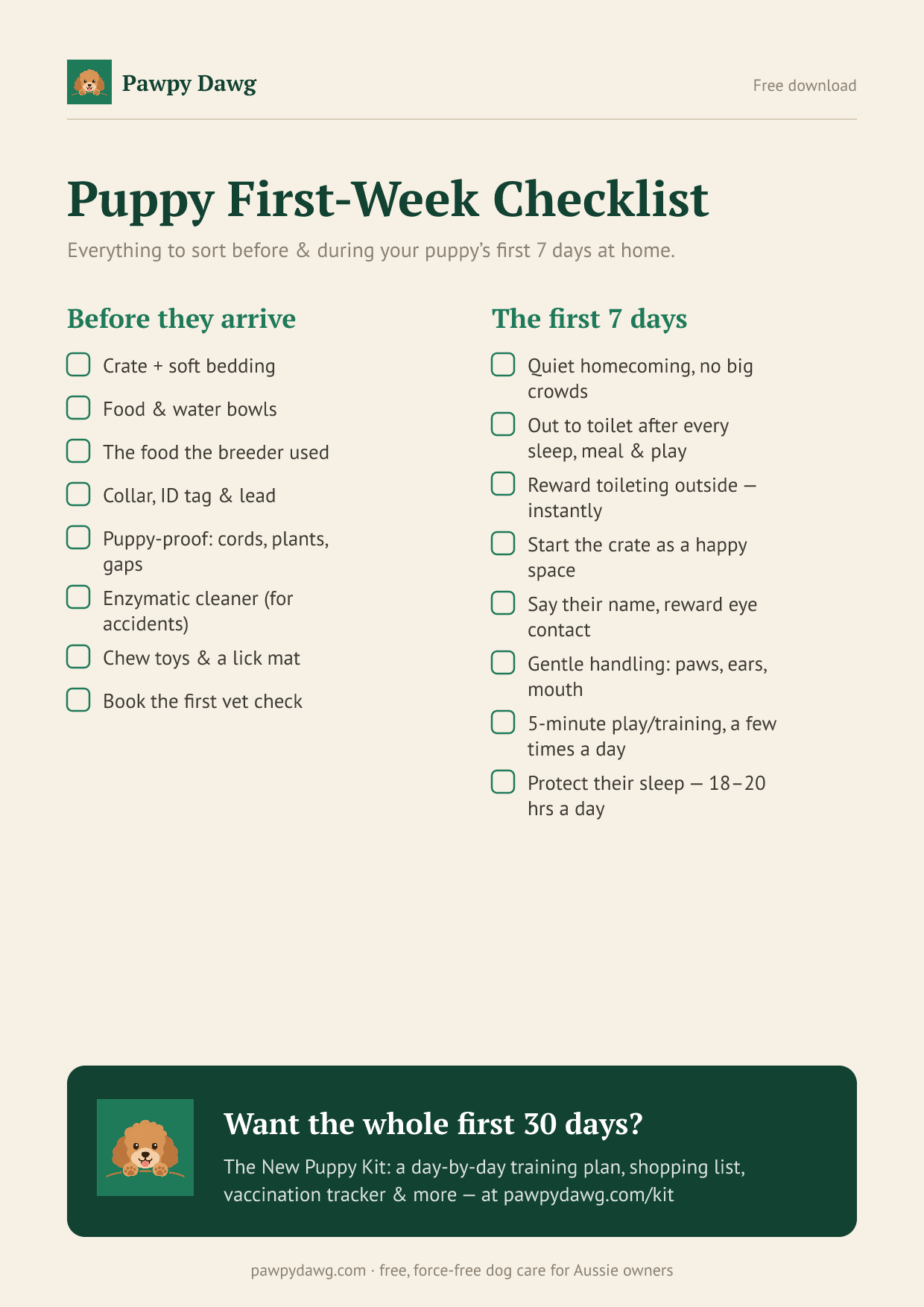
Free printable
Free: the Puppy First-Week Checklist
Everything to sort before and during your puppy's first 7 days home — a printable one-pager. Plus the occasional genuinely useful dog tip. No spam, unsubscribe anytime.
Related guides
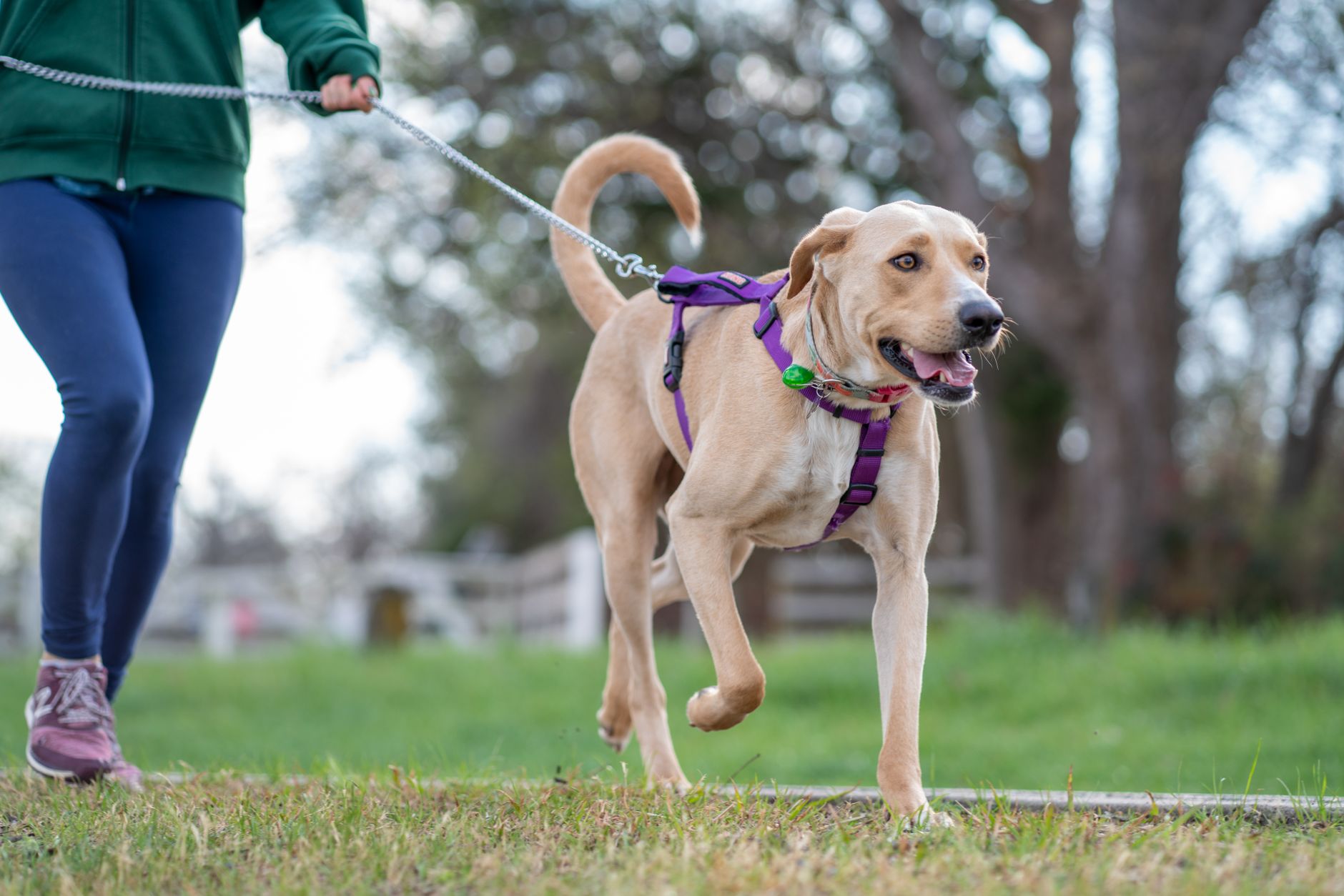
How to Stop a Staffordshire Bull Terrier Pulling on the Lead (Step-by-Step)
Tired of your Staffy dragging you down the street? Here's a practical, step-by-step positive-reinforcement plan to stop a Staffordshire Bull Terrier pulling on the lead.
Read the guide →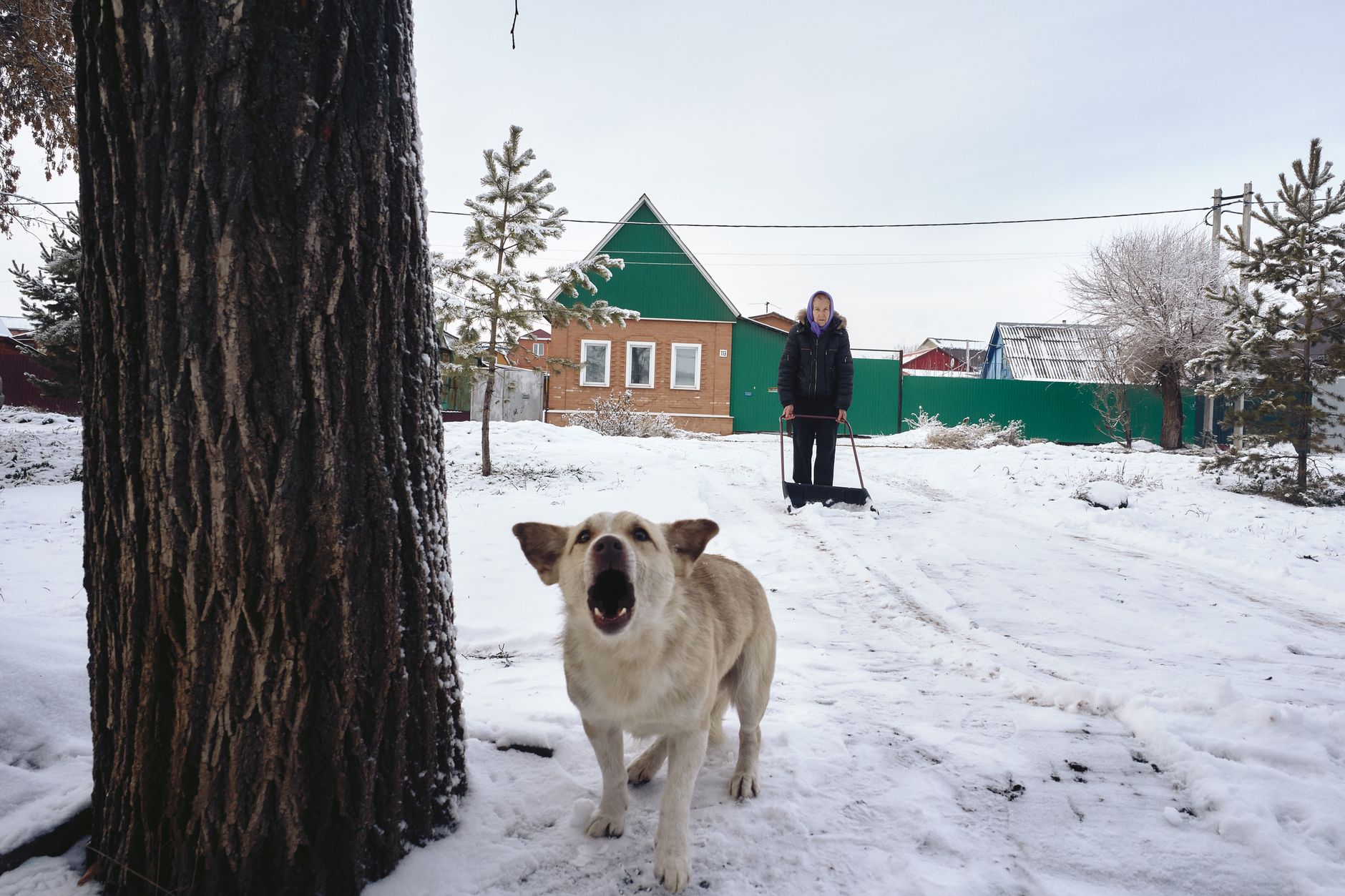
How to Stop a Staffordshire Bull Terrier Barking at Strangers (Step-by-Step)
Staffordshire Bull Terrier barking at strangers? A practical, positive-reinforcement plan with daily 5-min sessions, realistic timelines & when to get pro help.
Read the guide →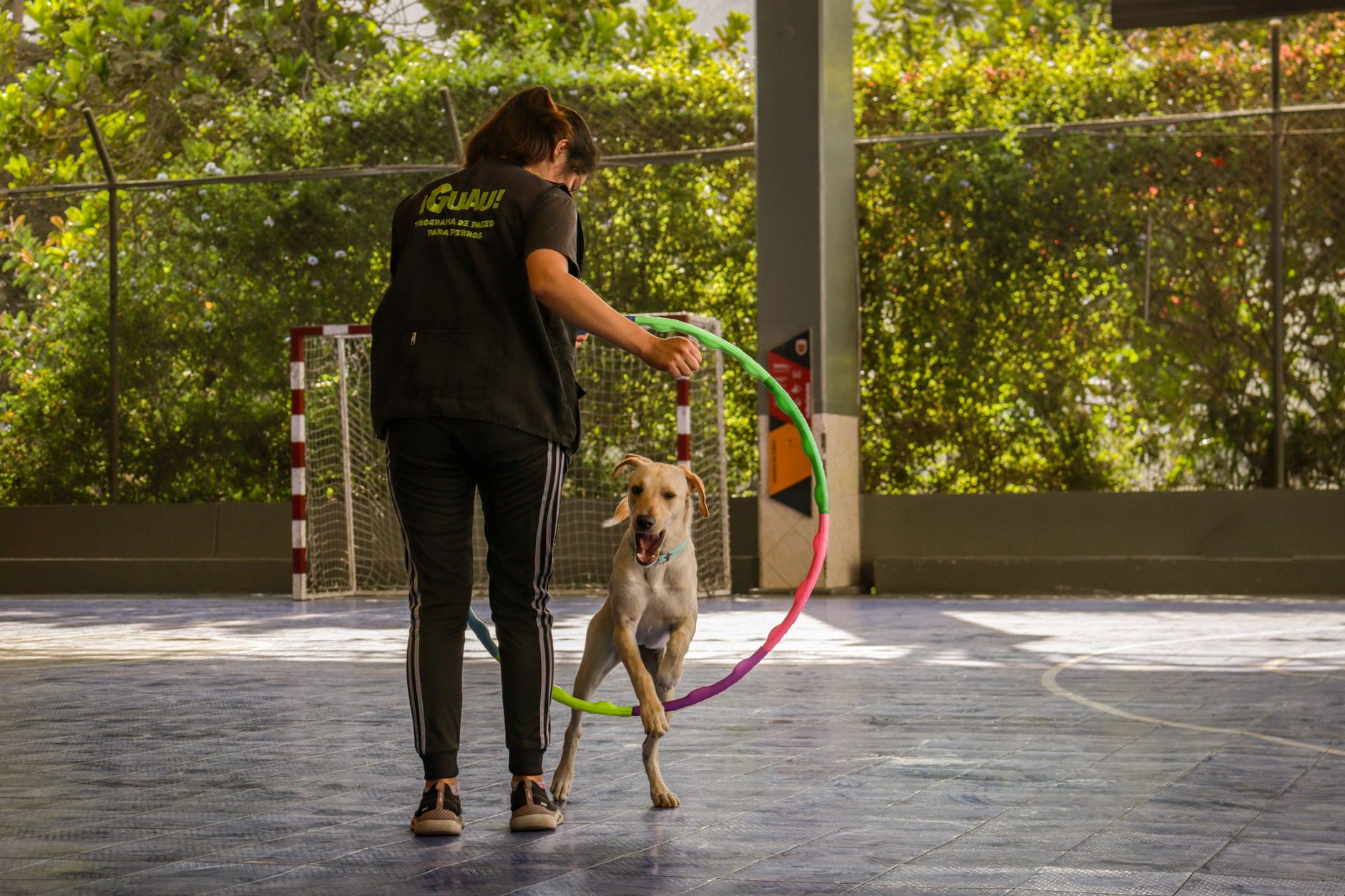
How to Stop a Staffordshire Bull Terrier Jumping Up on People (Step-by-Step)
Tired of your Staffy knocking people over? Here's a step-by-step positive-reinforcement plan to stop a Staffordshire Bull Terrier jumping up on people — fast.
Read the guide →