
How to Stop a Staffordshire Bull Terrier Jumping Up on People (Step-by-Step)
Tired of your Staffy knocking people over? Here's a step-by-step positive-reinforcement plan to stop a Staffordshire Bull Terrier jumping up on people — fast.

Written by Bradley Brown
Founder & editor · Reviewed 2026-07-02
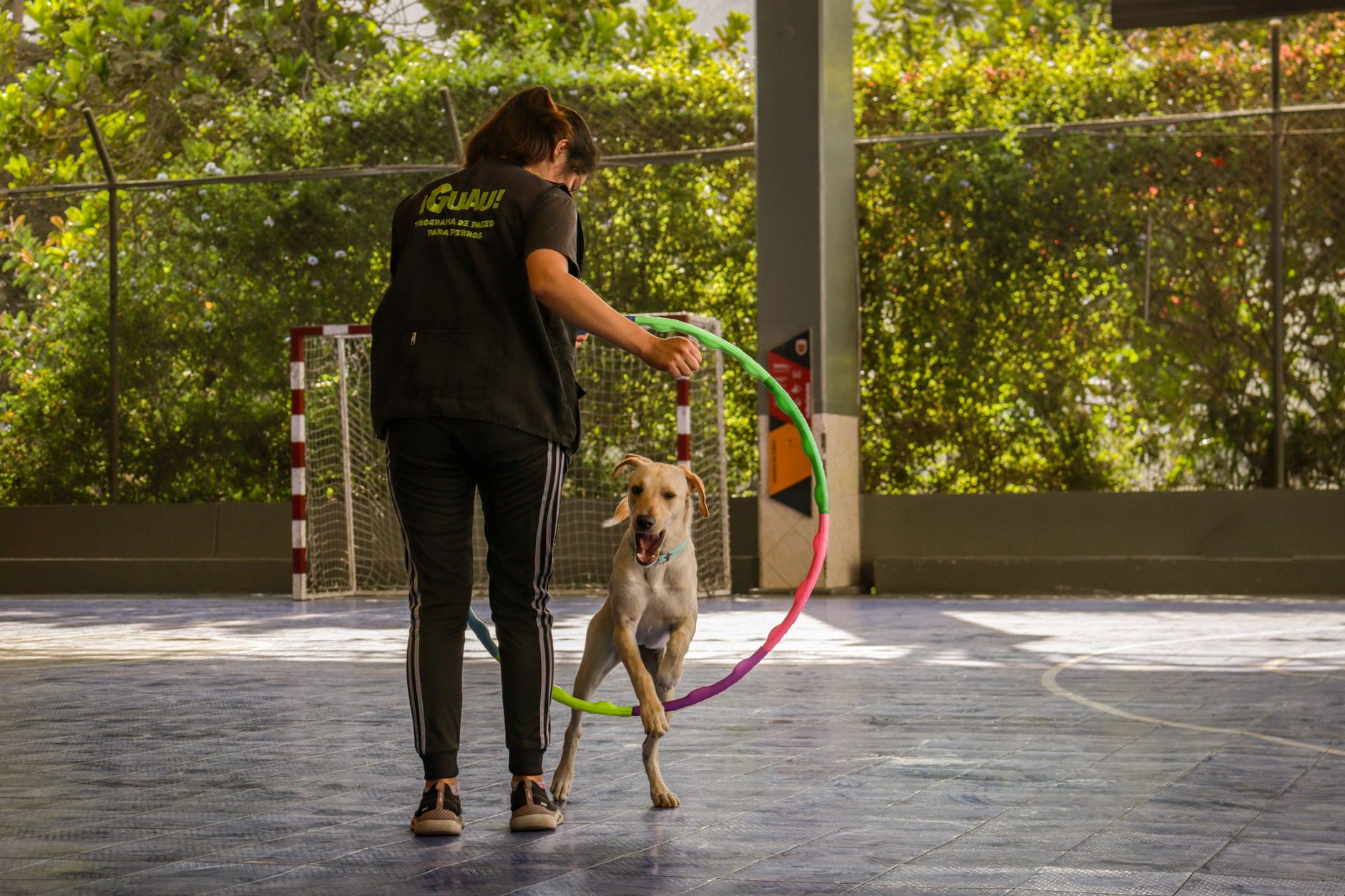
Your Staffy launches at every person who walks through the door, and you've just watched them nearly flatten your mum. You're not alone, and you haven't ruined your dog. Staffies jump because they're extraordinarily sociable — it's enthusiasm, not defiance. The good news: this behaviour responds quickly to the right approach, and you can start tonight.
Your Quick Win for Today: The Turn-Away
Before anything else, try this the very next time someone arrives:
- The moment your Staffy's front paws leave the ground, turn your back completely — no eye contact, no "no," no pushing them off.
- Cross your arms, stay silent, and wait.
- The second all four paws hit the floor, turn back and calmly praise or offer a small treat.
That's it. One repetition won't fix everything, but it immediately starts teaching your dog that jumping makes the attention disappear. Consistency across everyone in the household — not perfection, just consistency — is what accelerates results.
Why Staffies Jump More Than Some Other Breeds
Staffordshire Bull Terriers were bred to be people-focused and physically bold. They genuinely love human faces and have the muscle and spring to reach them easily. When jumping has been accidentally rewarded — even with a push-away or an exasperated "off!" — the dog learned it works. Scolding after the fact is useless; dogs don't connect a correction to behaviour that happened more than a second or two ago.
This isn't a dominance issue. It's a communication gap. Once you close that gap, you'll see results within days to a few weeks for most dogs.
The Step-by-Step Plan (5–10 Minutes a Day)
You don't need marathon training sessions. Short, frequent repetitions beat long, infrequent ones every time.
Step 1 — Choose One Clear Alternative Behaviour
Decide what you want your Staffy to do instead of jumping. The most practical options are:
- Four paws on the floor (simplest — just stand there)
- Sit (great if your dog knows it reliably)
Pick one and stick with it. Switching between them confuses dogs.
Step 2 — Practise at the Door (Controlled Repetitions)
Set up short sessions using a family member or willing friend as the "visitor."
- Have your Staffy on a lead or behind a baby gate initially.
- Visitor approaches. If dog jumps or lunges: visitor turns away, removes all attention.
- Dog settles (even briefly): visitor turns back, bends down to their level, and rewards with calm praise and a treat.
- Repeat 5–8 times per session. Finish on a success.
Keep sessions to 5 minutes maximum. Staffies are smart and can get frustrated or over-aroused if sessions drag on.
Step 3 — Practise with Strangers on Walks
Door manners and street manners are different skills to your dog — you'll need to generalise.
- Carry high-value treats (small pieces of cheese, cooked chicken) on every walk.
- Before a greeting, ask the person: "Can you help me train him? Just turn away if he jumps."
- Reward the moment feet stay down.
- If your Staffy is already in the air: no reward, no eye contact, ask the person to turn away.
Step 4 — Teach a Default "Sit" for Greetings (Optional but Powerful)
Once your dog is reliably keeping four paws on the floor, you can shape this into an automatic sit:
- Every time someone approaches, lure a sit with a treat held at your dog's nose.
- Mark the sit ("yes!" or a clicker) and reward.
- Gradually delay the lure — wait for the sit to happen before producing the treat.
- After 1–2 weeks of consistent practice, most Staffies will start offering the sit automatically when a person approaches.
Common Mistakes That Slow Progress
| Mistake | Why It Backfires | Fix |
|---|---|---|
| Pushing the dog off | Physical contact is rewarding to a Staffy | Turn away instead — zero touch |
| Saying "off," "no," or the dog's name | Any vocalisation is attention | Stay completely silent |
| Inconsistency between family members | Dog learns jumping works with some people | Brief all household members before you start |
| Only training at home | Dog doesn't generalise to strangers | Practise on walks, at the park, with visitors |
| Punishing after the fact | Dog can't connect the correction to the jump | Reward the right behaviour in the moment |
| Giving up after a week | Behaviour extinction takes time | Expect 2–6 weeks for solid results |
Realistic Timeline
- Days 1–3: Your dog will likely jump more at first. This is called an extinction burst — they're trying harder because the old strategy isn't working. Don't cave.
- Week 1–2: You'll notice shorter jump attempts, or your dog checking your body language before committing.
- Week 2–4: Most Staffies are reliably keeping four paws down with known people by this point.
- Week 4–8: Generalisation to strangers solidifies with consistent practice on walks.
Puppies under 12 months typically progress faster. Adult dogs with years of reinforcement history take a little longer — but they absolutely do get there.
Managing the Situation While You Train
Training takes time. In the meantime:
- Use a baby gate or lead to prevent your Staffy from reaching guests unsupervised.
- Put a note on the front door asking visitors not to engage until the dog is calm. Most people are happy to help if you explain.
- Give your dog a stuffed Kong or chew before guests arrive to lower their arousal level before anyone walks in.
Prevention during the training period isn't "cheating" — it stops the jumping behaviour getting extra practice while the new behaviour is still forming.
When to Call in a Professional
Most jumping cases resolve with the steps above. Consider getting help from a qualified, force-free trainer if:
- Your dog has knocked over a child, elderly person, or someone unsteady on their feet.
- There's growling or snapping mixed in with the jumping (this is a different issue requiring professional assessment).
- You've been consistent for 6–8 weeks with no progress.
- Your dog's arousal around people is so high that they can't settle enough to take treats.
Look for a trainer accredited by the Delta Society Australia, Pet Professional Guild Australia, or NDTF who uses positive reinforcement methods. A good trainer will charge somewhere between $80–$200 AUD per session and should be able to show you measurable progress within 2–4 sessions.
The Short Version
Jumping up is one of the fastest-improving behaviours in dogs when the response is consistent. Every person in your household turns away when paws leave the ground, and rewards when they land. Keep sessions short, practise in different locations, and don't mistake a slow week for failure. Your Staffy's enthusiasm is one of the best things about the breed — you're not extinguishing it, you're redirecting it into something that doesn't send visitors flying.
As an Amazon Associate we earn from qualifying purchases.
Frequently asked questions
How long does it take to stop a Staffordshire Bull Terrier jumping up on people?
Most Staffies show clear improvement within 2–4 weeks when everyone in the household responds consistently. Generalising the behaviour to strangers and new environments typically takes 4–8 weeks. Dogs with a long history of being accidentally rewarded for jumping may take a little longer, but the behaviour is very treatable with positive reinforcement.
Should I knee my Staffy in the chest to stop them jumping?
No — this is outdated advice and can cause physical injury or increase anxiety and aggression in some dogs. It also relies on timing that's hard to get right, and many dogs interpret physical contact (even unpleasant contact) as attention. The turn-away method is safer, kinder, and just as effective.
My Staffy only jumps on some people — why is that?
Dogs are excellent at reading who will and won't respond to their behaviour. If some people in your household or social circle still engage with the jumping (even by pushing the dog away or laughing), your Staffy will keep trying with everyone on the chance it works. You need all the humans to apply the same response to see consistent results.
Is jumping up a sign that my Staffy is dominant or badly behaved?
Neither. Jumping is a normal social greeting behaviour in dogs — puppies lick their mother's face by jumping up, and adult dogs do the same with humans. It's not dominance; it's enthusiasm combined with a history of the behaviour being accidentally rewarded. It reflects how much your Staffy loves people, not a character flaw.
Can I stop my Staffy jumping up without treats?
Treats speed up the process significantly because they give your dog clear, immediate feedback for doing the right thing. That said, calm verbal praise and brief petting the moment four paws are on the floor can work too — the key ingredient is timing, not the reward itself. If your dog isn't food-motivated on walks, try higher-value rewards like small pieces of cooked chicken or cheese.
My Staffy jumps on my kids — is this dangerous?
A muscular adult Staffy jumping on small children can absolutely cause falls and injuries, so this warrants urgent management alongside training. Use leads, baby gates, and direct supervision whenever your dog and children interact until the jumping is under control. If there's any growling or snapping involved, contact a force-free professional trainer straight away rather than waiting.
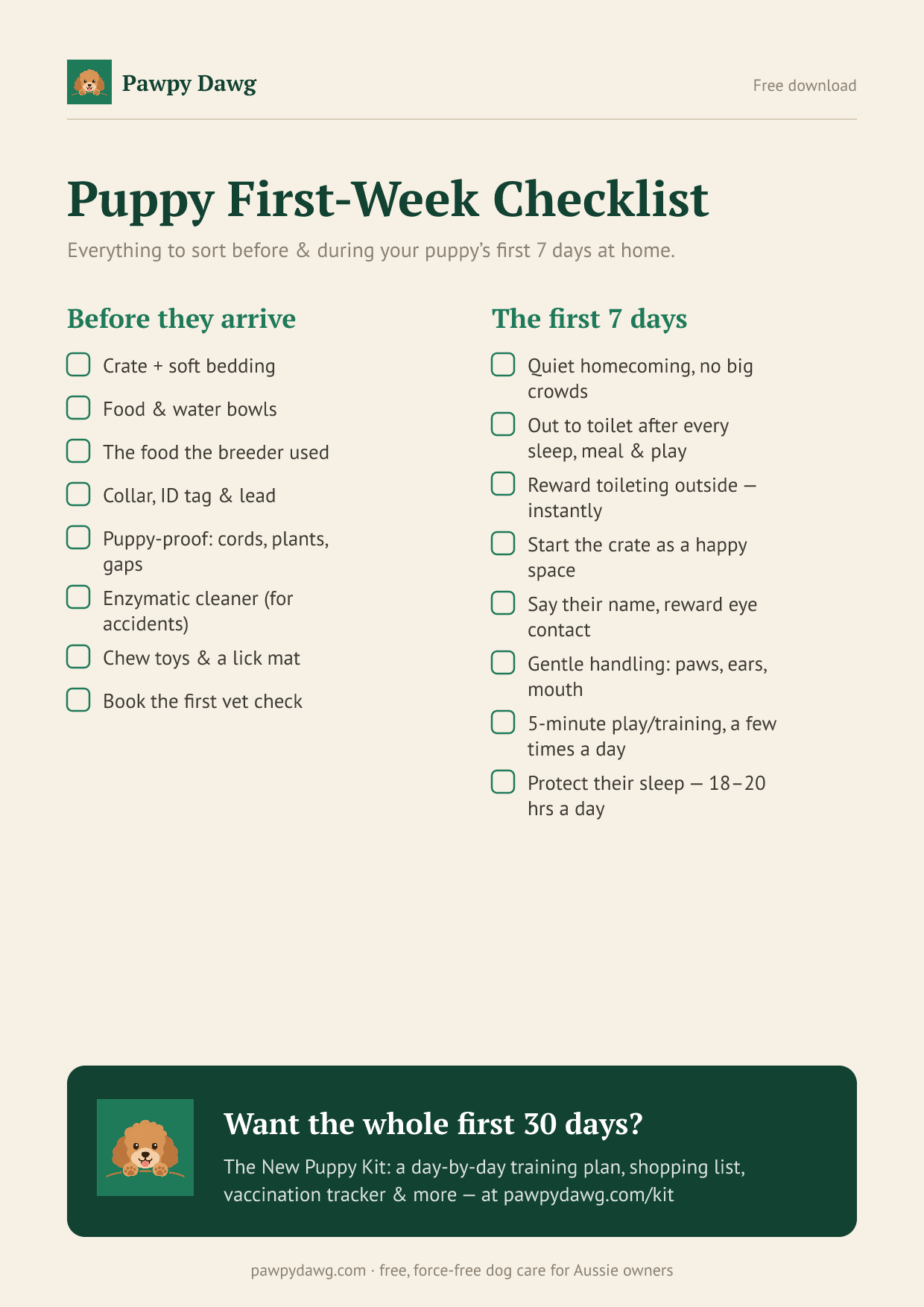
Free printable
Free: the Puppy First-Week Checklist
Everything to sort before and during your puppy's first 7 days home — a printable one-pager. Plus the occasional genuinely useful dog tip. No spam, unsubscribe anytime.
Related guides
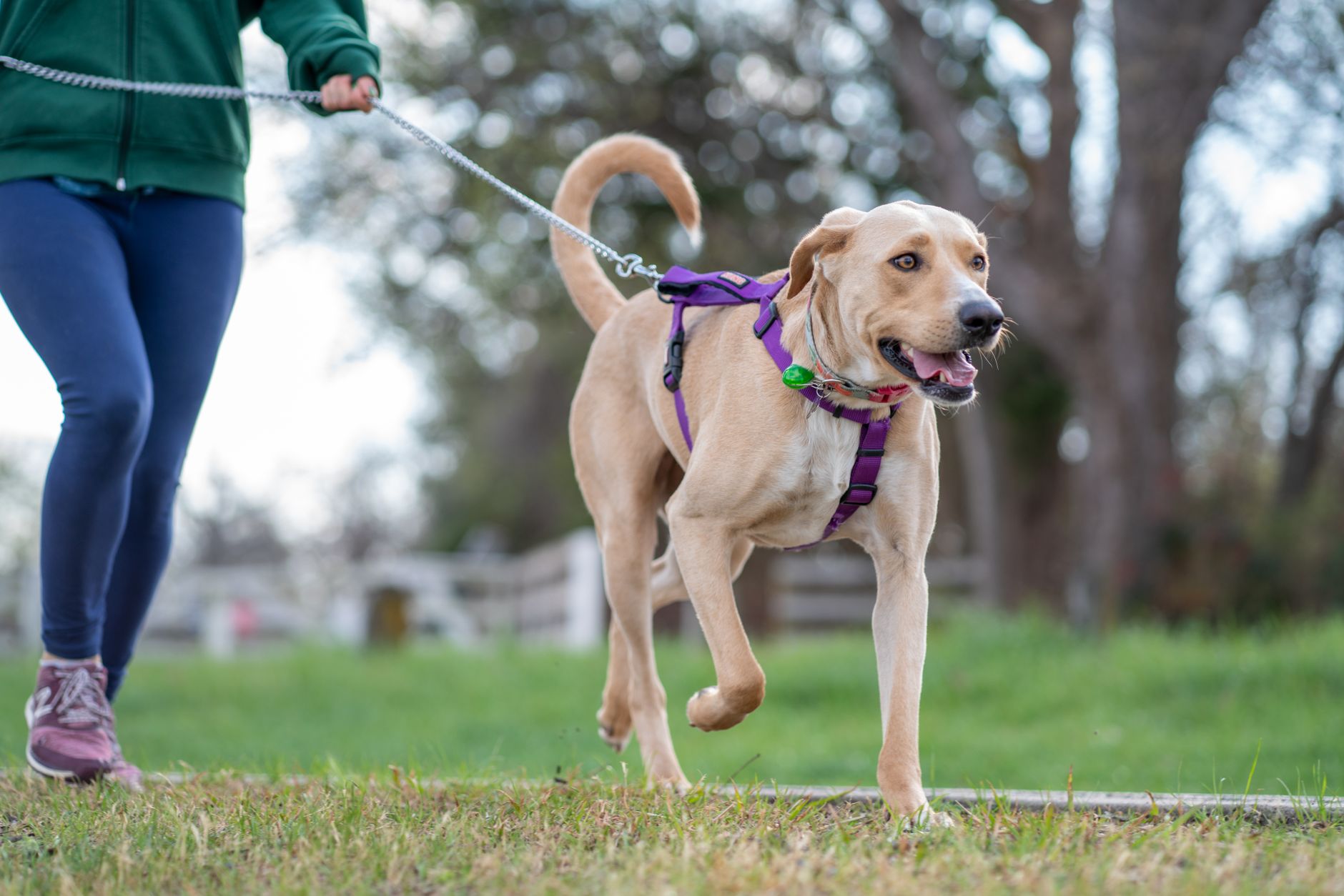
How to Stop a Staffordshire Bull Terrier Pulling on the Lead (Step-by-Step)
Tired of your Staffy dragging you down the street? Here's a practical, step-by-step positive-reinforcement plan to stop a Staffordshire Bull Terrier pulling on the lead.
Read the guide →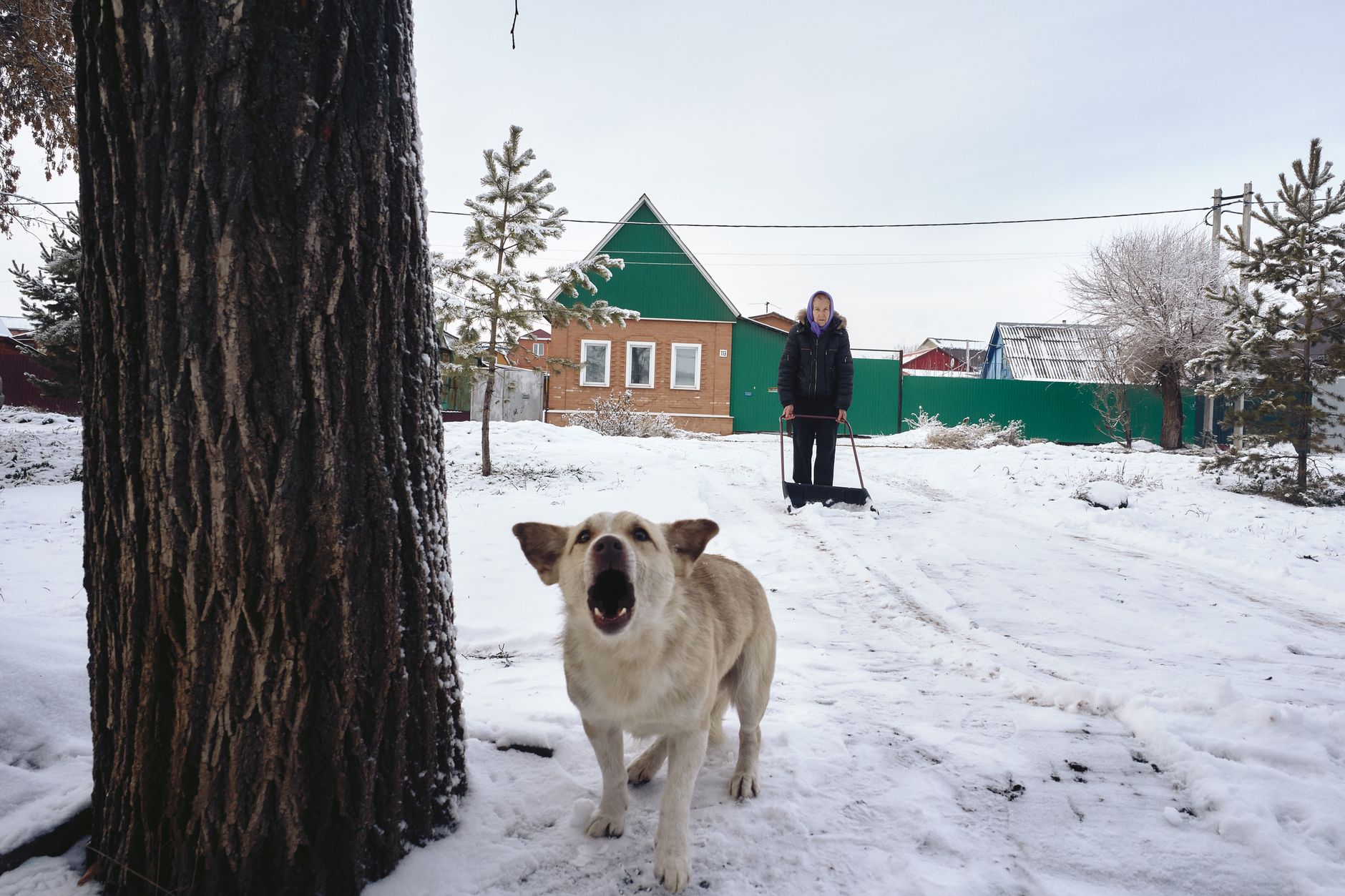
How to Stop a Staffordshire Bull Terrier Barking at Strangers (Step-by-Step)
Staffordshire Bull Terrier barking at strangers? A practical, positive-reinforcement plan with daily 5-min sessions, realistic timelines & when to get pro help.
Read the guide →
Staffordshire Bull Terrier Separation Anxiety: A Step-by-Step Fix
Staffordshire Bull Terrier separation anxiety is common and fixable. Get a realistic, step-by-step positive-reinforcement plan you can start today — no 60-min sessions needed.
Read the guide →