
How to Stop a Staffordshire Bull Terrier Barking at Strangers (Step-by-Step)
Staffordshire Bull Terrier barking at strangers? A practical, positive-reinforcement plan with daily 5-min sessions, realistic timelines & when to get pro help.

Written by Bradley Brown
Founder & editor · Reviewed 2026-07-02
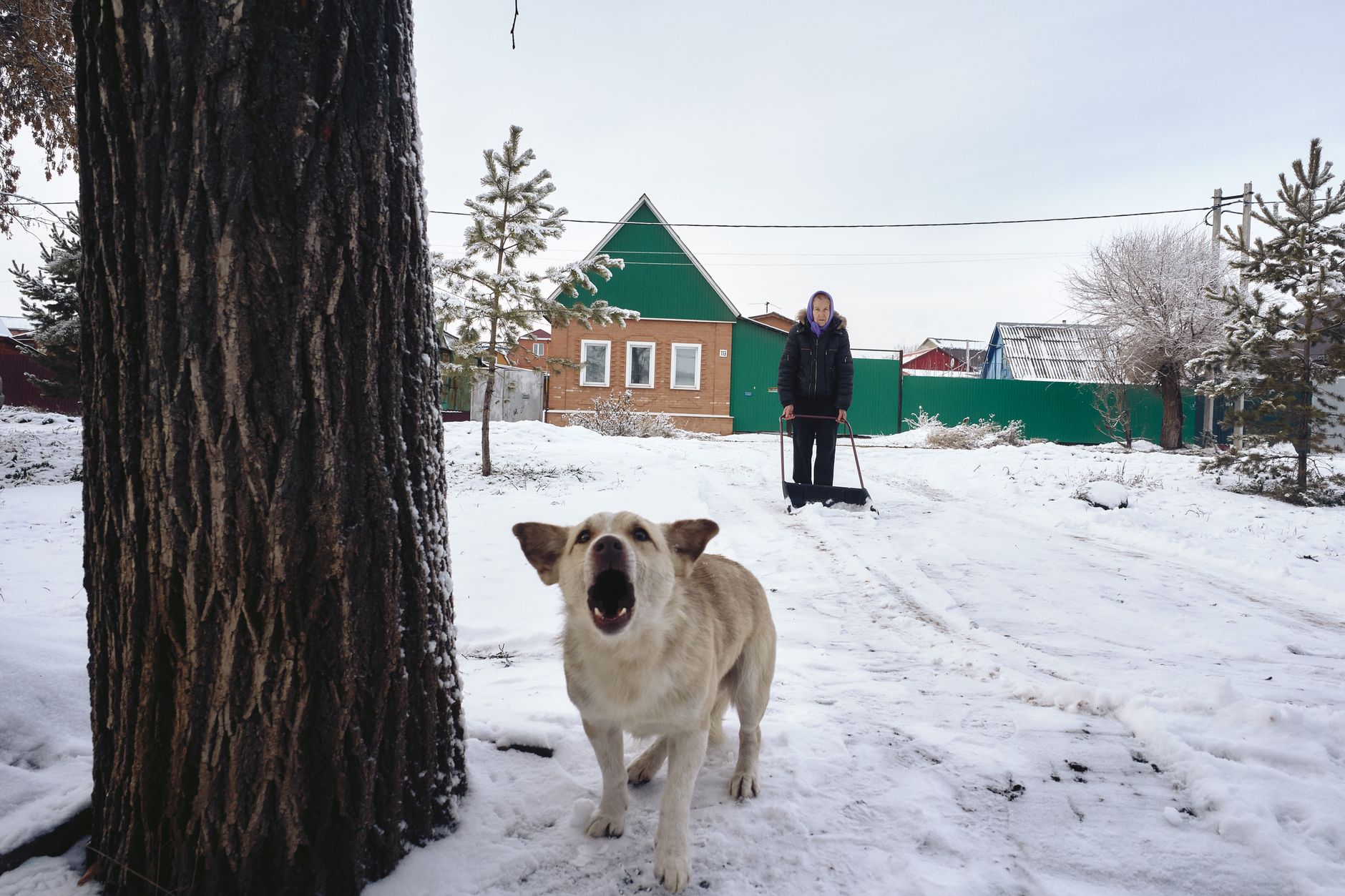
You got home tonight frustrated, embarrassed, or quietly wondering if you've somehow broken your dog. The walk was chaos — your Staffy lunged, barked, and made every passing stranger side-eye you like you were walking a small velociraptor. You're not alone, and you haven't ruined anything. This is one of the most common issues Staffy owners face, and it is absolutely fixable.
Before we get into the full plan, here's something you can try right now, today.
Your Quick Win: The "Look at That" Reset
Next time you're out and your Staffy spots a stranger, the moment your dog notices the person but before the barking starts, say "yes!" in a bright voice and pop a high-value treat (think small piece of chicken, cheese, or fritz) straight into their mouth. That's it. You're not asking for anything yet — you're just starting to teach your dog that strangers = good things appear. Do this five times on your next walk. It won't solve everything overnight, but it interrupts the pattern and gives your dog something better to do with that big Staffy brain.
Why Staffies Bark at Strangers
Staffies are not naturally aggressive dogs — the breed standard actually describes them as "highly intelligent, affectionate, and reliable." But they are alert, emotionally reactive, and deeply loyal. That combination means a Staffy who hasn't been thoroughly socialised, or who had a scary experience at some point, will often treat strangers as a genuine threat.
The barking is almost always one of two things:
- Fear-based: "That person makes me nervous — I'll make them go away."
- Frustration/excitement-based: "I want to meet that person SO badly and I can't!"
The approach to fixing both looks similar, but the underlying emotion is different. Fear-based barking usually comes with a dog that tucks back, hackles up, or tries to increase distance. Excitement barkers are typically pulling toward the stranger, tail going like a helicopter.
Knowing which one you're dealing with shapes how you manage the space around your dog during training.
The Core Plan: Desensitisation + Counter-Conditioning
This is the gold-standard approach backed by veterinary behaviourists and organisations like the RSPCA Australia. Big terms, simple idea: you gradually expose your dog to the thing that triggers them (desensitisation), while repeatedly pairing it with something wonderful (counter-conditioning), until the trigger no longer causes the emotional spike.
What You'll Need
- High-value treats your dog doesn't get at any other time (chicken, cheese, dried liver)
- A standard flat collar or front-clip harness — avoid prong collars or choke chains, which can increase anxiety and make reactivity worse
- A treat pouch you can access in under a second
- 5–10 minutes per session, once or twice a day
The Distance Rule — This Is Non-Negotiable
Training only works below threshold — meaning at a distance where your dog notices the stranger but doesn't lose the plot. For some Staffies that's 20 metres. For others it's 5. Start wherever your dog can see the stranger and still take a treat. If they won't eat, you're too close.
Week-by-Week Breakdown
| Week | Goal | What to Do |
|---|---|---|
| 1–2 | Build the "stranger = treats" association | Treat every time your dog notices a stranger, at a distance. Keep sessions to 5 min. |
| 3–4 | Add a simple cued behaviour | Once your dog is looking at strangers calmly, ask for a "sit" or "watch me" before the treat. |
| 5–6 | Slowly reduce distance | Inch closer over multiple sessions. If your dog reacts, you've moved too fast — take a step back. |
| 7–8 | Practise in new locations | Parks, shopping strips, outside cafés. Generalising to new environments is where many owners skip ahead and stall. |
The "Look at That" Game (Full Version)
This technique, developed by trainer Leslie McDevitt, is the backbone of most reactive-dog programmes:
- Dog sees stranger → you say "yes" → treat appears
- Repeat until your dog starts looking at you after spotting the stranger (they're checking in: "Did you see that? Where's my treat?")
- That check-in is the goal. A dog who looks at you instead of barking is a dog you can work with.
Common Mistakes That Stall Progress
Consoling during the barking. Telling your dog "it's okay, it's okay" in a soothing voice while they're mid-bark inadvertently rewards the behaviour. Stay calm and neutral — move away from the trigger instead.
Telling them off. Punishment during a fear or frustration response adds to the emotional chaos and can make reactivity significantly worse over time. Skip the "no!" and the leash corrections.
Moving too close too fast. This is the number one reason people feel like the training "isn't working." Progress feels slow because it is slow — deliberately. Two steps forward, stay there for a week, then one more step.
Skipping the management. Between training sessions, every time your Staffy successfully barks a stranger away, that behaviour gets stronger. Cross the road, create space, don't let the barking "work." Management isn't failure — it's protecting your training.
Irregular sessions. Ten minutes every day beats two hours on Saturday. Consistency is everything with behaviour modification.
Realistic Timelines
Most owners see meaningful improvement — calmer on walks, fewer barking incidents — within 4 to 8 weeks of consistent daily work. Full reliability around strangers in varied environments typically takes 3 to 6 months. That's not a reason to feel disheartened; it's just how mammal brains change.
If your dog has been reacting for years, expect the longer end of that range. If they're young and this is relatively new behaviour, you may see results faster.
When to Call in a Professional
There's no shame in getting help — it's often the fastest path forward. Consider a professional trainer or veterinary behaviourist if:
- Your dog has snapped at or made contact with a stranger
- The barking is paired with lunging and is getting worse despite consistent training
- Your dog shows fear responses inside the home as well as outside
- You're feeling unsafe on walks or avoiding them entirely
- Progress has genuinely stalled after 6–8 weeks of consistent effort
Look for a trainer who uses force-free or low-stress handling methods and is a member of the Pet Professional Guild Australia or the PPGA. Avoid anyone who reaches for punishment-based tools as a first response to reactivity.
A vet check is also worth doing if this behaviour came on suddenly — pain, thyroid issues, and other medical factors can contribute to anxiety and reactivity.
Keeping It Going
Once your Staffy is reliably calmer around strangers, don't drop the ball entirely. Occasional "top-up" sessions — treating your dog when they notice a stranger and stay calm — keep the association fresh. Staffies are creatures of habit and relationship. The work you put in now pays dividends for the next decade of walks.
You didn't break your dog. You just haven't had the right plan yet. Now you do.
As an Amazon Associate we earn from qualifying purchases.
Frequently asked questions
Why does my Staffordshire Bull Terrier bark at strangers on walks but not at home?
On-leash walks limit your dog's options — they can't move away or approach freely, which heightens their emotional response to triggers. At home they feel safe and in control of their space. This 'barrier frustration' or leash-induced anxiety is very common in Staffies and responds well to the desensitisation plan outlined above.
Is my Staffy being aggressive, or is this just barking?
Barking at strangers is usually fear or frustration, not true aggression — but the line can blur if the behaviour escalates. Watch for stiff body language, hard staring, or snapping. If your dog has made physical contact with a person, consult a veterinary behaviourist rather than trying to resolve it through self-directed training alone.
How long does it take to stop a Staffy from barking at strangers?
Most owners see noticeable improvement within 4 to 8 weeks of consistent daily sessions (5–10 minutes a day). Full, reliable calm around strangers in varied environments typically takes 3 to 6 months. Dogs with a longer history of reactive behaviour generally sit at the longer end of that range.
Should I use a muzzle on my Staffy while training?
A well-fitted basket muzzle (one your dog has been properly conditioned to wear comfortably) can be a responsible safety tool during the early stages of training in public, particularly if your dog has shown escalating behaviour. It should never be used as a substitute for training, and muzzle conditioning itself takes a gradual, treat-based approach. Your vet or a force-free trainer can guide you.
Can I use a bark collar to stop my Staffy barking at strangers?
Bark collars — including spray, vibration, and static shock types — are not recommended for fear or frustration-based reactivity. They suppress the symptom without addressing the underlying emotion, and can increase anxiety or cause the dog to redirect their stress into other behaviours. Positive counter-conditioning is safer and produces lasting results.
How much does a dog trainer cost in Australia for reactive dog behaviour?
Group reactive-dog classes typically cost AUD $200–$400 for a multi-week programme. Private in-home sessions from a qualified force-free trainer generally run AUD $100–$200 per session. A consultation with a veterinary behaviourist (who can also prescribe medication if needed) usually starts around AUD $300–$500. Many trainers offer payment plans, and some pet insurance policies contribute to behaviour consultations.
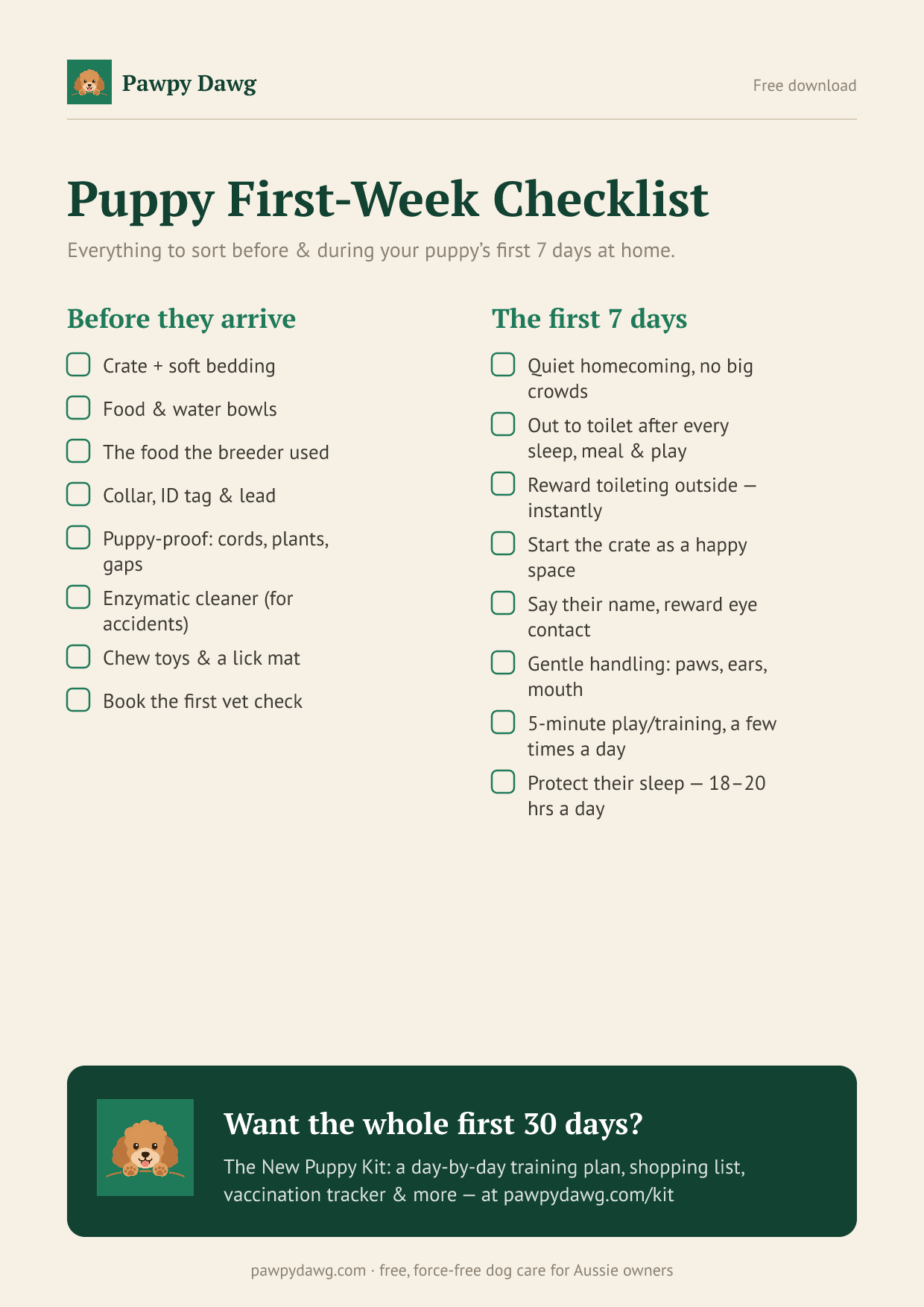
Free printable
Free: the Puppy First-Week Checklist
Everything to sort before and during your puppy's first 7 days home — a printable one-pager. Plus the occasional genuinely useful dog tip. No spam, unsubscribe anytime.
Related guides
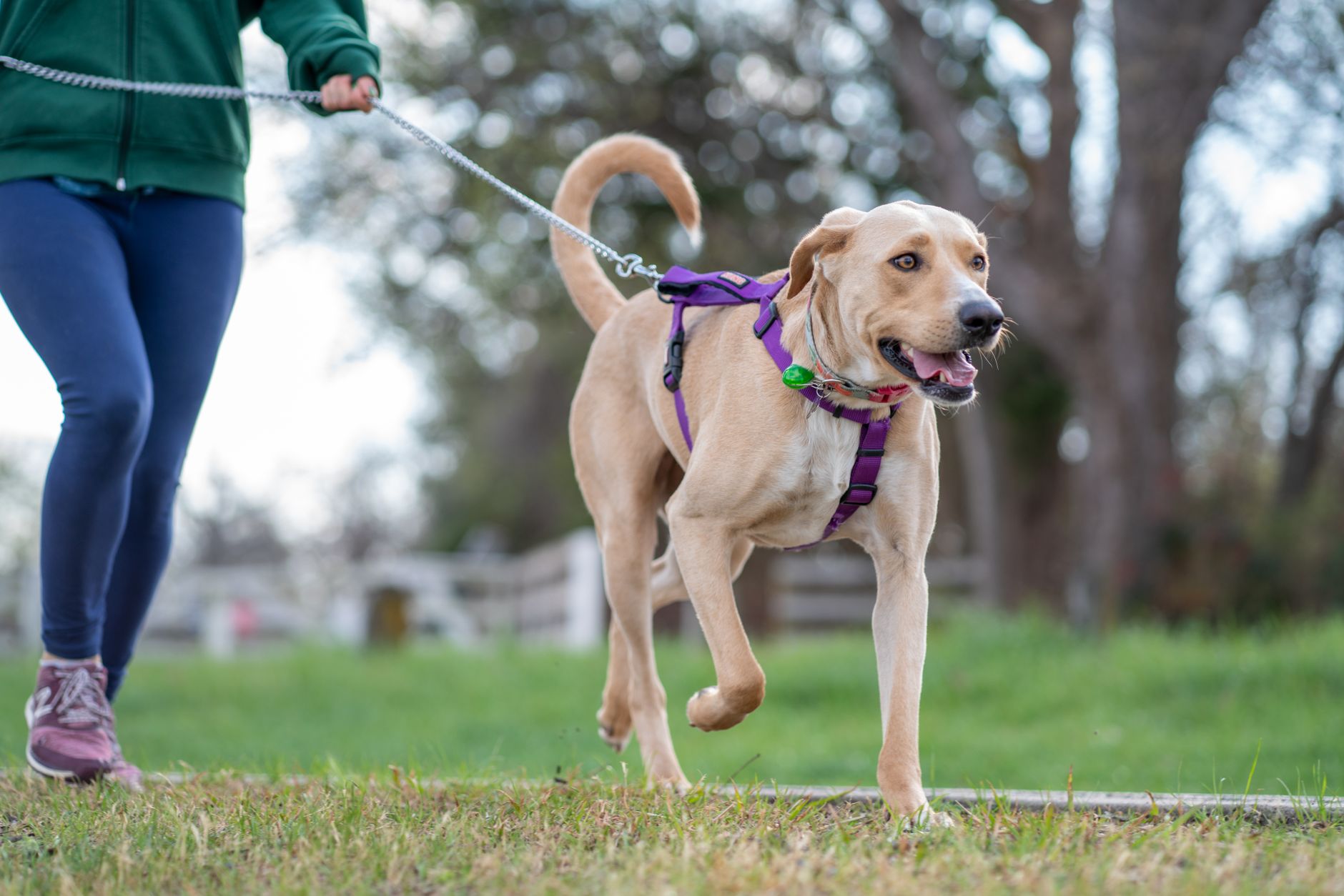
How to Stop a Staffordshire Bull Terrier Pulling on the Lead (Step-by-Step)
Tired of your Staffy dragging you down the street? Here's a practical, step-by-step positive-reinforcement plan to stop a Staffordshire Bull Terrier pulling on the lead.
Read the guide →
Staffordshire Bull Terrier Separation Anxiety: A Step-by-Step Fix
Staffordshire Bull Terrier separation anxiety is common and fixable. Get a realistic, step-by-step positive-reinforcement plan you can start today — no 60-min sessions needed.
Read the guide →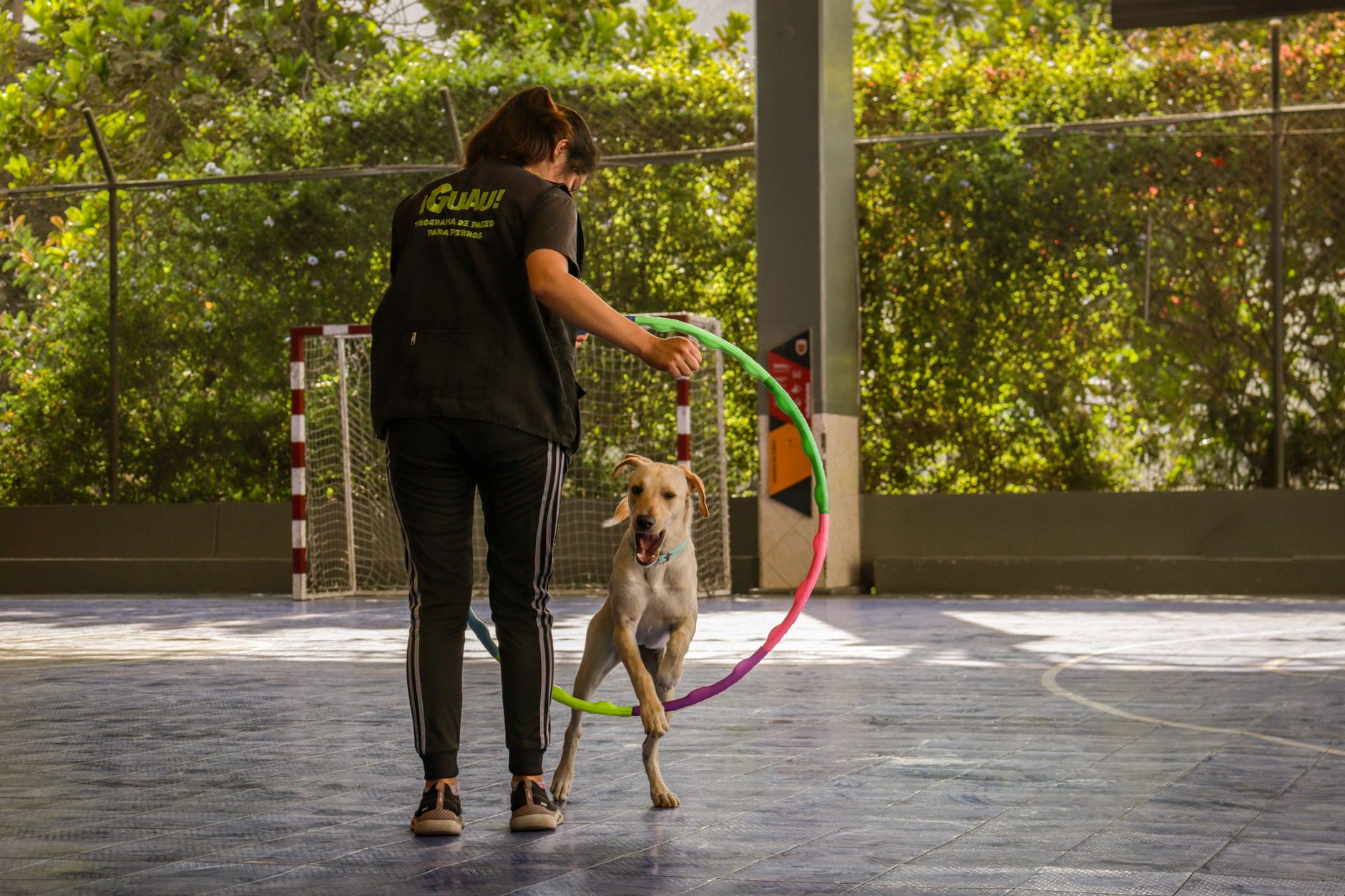
How to Stop a Staffordshire Bull Terrier Jumping Up on People (Step-by-Step)
Tired of your Staffy knocking people over? Here's a step-by-step positive-reinforcement plan to stop a Staffordshire Bull Terrier jumping up on people — fast.
Read the guide →