
How to Stop a Staffordshire Bull Terrier Pulling on the Lead (Step-by-Step)
Tired of your Staffy dragging you down the street? Here's a practical, step-by-step positive-reinforcement plan to stop a Staffordshire Bull Terrier pulling on the lead.

Written by Bradley Brown
Founder & editor · Reviewed 2026-07-02
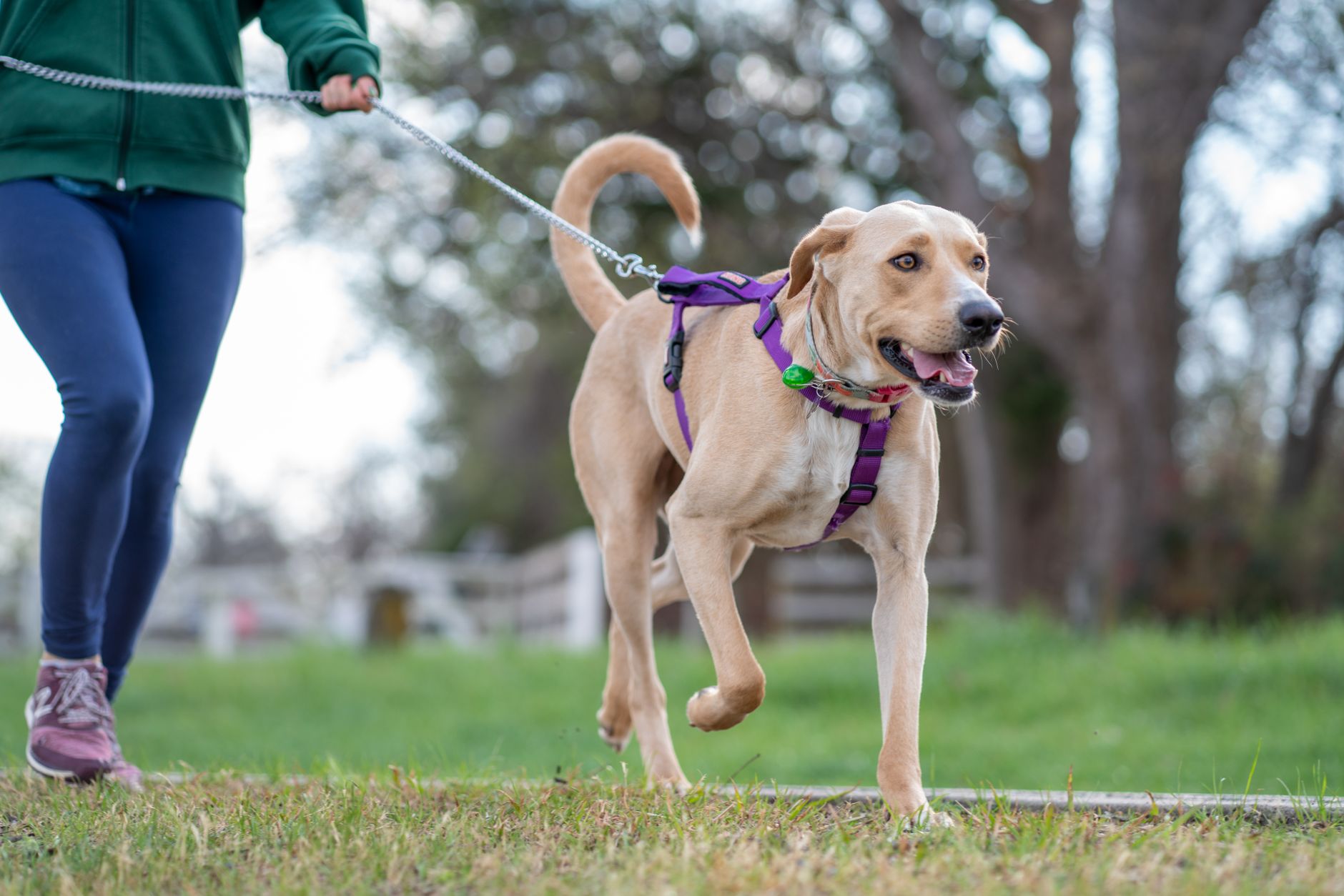
If your Staffy has been treating the lead like a tow rope, you're not alone — and you haven't ruined your dog. Staffordshire Bull Terriers are enthusiastic, physical, forward-moving dogs. Pulling feels natural to them. It has nothing to do with dominance, stubbornness, or bad ownership. It means your dog is excited and has simply never been shown that a loose lead is more rewarding than a tight one. That's completely fixable.
Here's something you can try on your very next walk.
The One Thing to Try Tonight: Stop Like a Tree
Before anything else, practise this on your next outing. The moment the lead goes tight, stop walking completely. Stand still, say nothing, don't pull back. Wait. The second there's any slack in the lead — even your dog glancing back at you — mark it with a calm "yes" and take a few steps forward as the reward. Repeat every single time the lead tightens.
It feels slow. It is slow, at first. But Staffies are smart dogs and they will connect the dots faster than you expect: pulling = walk stops, loose lead = walk continues.
That's the entire foundation. Everything below is building on it.
Why Staffies Pull More Than Some Other Breeds
Staffies are muscular, low-slung, and built with a forward-driving gait. They were bred to be tenacious and physical. Add in their high sociability — they genuinely love the world — and you've got a dog that wants to get everywhere, immediately. They're also strong enough that pulling actually works for them. They lunge, you stumble forward, they reach the thing they wanted. From the dog's perspective, that's a win.
The good news: that same tenacity and food motivation means they respond quickly to clear, consistent training.
Equipment That Makes a Real Difference
Before diving into technique, check your gear. The wrong equipment makes this harder than it needs to be.
| Equipment | Verdict |
|---|---|
| Front-clip harness | ✅ Best starting point — redirects pulling momentum back toward you |
| Head halter (e.g. Halti, Gentle Leader) | ✅ Very effective for powerful pullers; needs a proper fit and introduction period |
| Standard flat collar | ⚠️ Fine for ID tags, but gives you little control with a strong Staffy |
| Back-clip harness | ❌ Actually encourages pulling — avoid for training purposes |
| Choke or prong collar | ❌ Can cause injury and increases anxiety; not recommended |
A front-clip harness (brands like EzyDog, Ruffwear, and Julius-K9 are widely available in Australia for $40–$100) is usually the easiest place to start while you build the training habit.
The Step-by-Step Training Plan
Keep each session to 5–10 minutes maximum. Short, frequent practice beats one long slog every time, and your Staffy will stay engaged rather than switching off.
Step 1: Charge Up Your Marker Word (Day 1–2)
Pick a marker word — "yes" works well — and spend two minutes at home pairing it with a small, high-value treat (cheese, cooked chicken, fritz). Say "yes," treat. Say "yes," treat. Repeat 20 times. Now "yes" means exactly what a clicker means: "that thing you just did earned you a reward."
Step 2: Practise in the Backyard (Day 2–4)
Before hitting the street, practise loose-lead walking in a low-distraction space. Hold a treat at your hip. Walk forward. The moment your dog glances up or stays at your side, say "yes" and reward. If they forge ahead, stop. When the lead loosens, say "yes" and reward. Three to five minutes, twice a day.
Step 3: Take It to the Street — With a Plan (Day 4 onwards)
Choose a quiet time of day for your training walks (early morning or after dinner). Gear up with your front-clip harness and a treat pouch. Use the "stop like a tree" method consistently. Walk a short route — even just to the end of the block and back — done well beats a long walk done poorly.
Reward frequently at first. You're looking for any moment of slack lead or eye contact. Mark and treat those moments every 5–10 steps if needed. As your dog improves, gradually extend the distance between rewards.
Step 4: Add a "Let's Go" Cue
Once your dog is showing some understanding, add a verbal cue. When your dog is at your side and the lead is loose, say "let's go" in an upbeat voice and start walking. This gives your Staffy a signal that forward movement is happening — which they'll quickly learn to associate with good things.
Step 5: Build Distraction Gradually
Don't test your dog near other dogs or at the park until the quiet-street behaviour is solid. Distractions are a different level of difficulty. When you do add them, go back to rewarding more frequently, exactly as you did in the early days.
Common Mistakes That Slow Everything Down
- Inconsistency. If pulling works even 20% of the time (you're running late, you let it slide), the behaviour stays strong. Everyone who walks the dog needs to use the same approach.
- Waiting too long to reward. The marker word must come within a second of the behaviour you want, or the dog can't connect the two.
- Walks that are only training. Your Staffy also needs to sniff and decompress. Give them a "free sniff" period on a longer lead in a safe spot — it's mentally tiring in the best way, and a tired Staffy is easier to train.
- Punishing pulling instead of rewarding the alternative. Jerking the lead or telling your dog off creates frustration and anxiety, which often makes pulling worse.
Realistic Timeline: What to Expect
| Timeframe | What You'll Likely See |
|---|---|
| Days 1–3 | Dog seems confused; frequent stops |
| Week 1–2 | Moments of loose lead, then reverting |
| Week 3–4 | Noticeably fewer pulls on familiar routes |
| 6–8 weeks | Reliable loose-lead walking in low-distraction areas |
| 3–6 months | Solid behaviour across varied environments |
Progress isn't linear. A bad walk doesn't erase good ones. Keep going.
When to Get Professional Help
Some Staffies have been pulling for years, are reactive to other dogs, or are simply too strong for their owner to manage safely. That's not failure — it's just a signal to bring in reinforcements. Look for a trainer who uses force-free or positive-reinforcement methods (check the Pet Professional Guild Australia or the PPGA directory). A good trainer will see progress within a few sessions and give you a clear plan. Budget around $80–$150 per session or $200–$500 for a group course depending on your city.
Your vet can also rule out any physical discomfort (neck or joint pain) that might be contributing to difficult lead behaviour.
Staffies are one of the most trainable, people-focused breeds out there. Once they understand what earns them rewards, they lean in hard. The lead manners you build now will make every walk — morning, school run, beach trip — genuinely enjoyable. Start tonight with that one simple step: stop, wait, reward the slack. That's it. The rest follows.
As an Amazon Associate we earn from qualifying purchases.
Frequently asked questions
How long does it take to stop a Staffordshire Bull Terrier pulling on the lead?
Most owners see a noticeable improvement within 3–4 weeks of consistent daily practice, with reliable loose-lead walking in low-distraction areas by 6–8 weeks. High-distraction environments like parks or busy streets can take 3–6 months to master. Short, frequent sessions of 5–10 minutes work far better than occasional long ones.
Why does my Staffy pull so hard on the lead?
Staffies are naturally enthusiastic, forward-driving dogs with a lot of physical strength — pulling simply gets them where they want to go faster, so it's been accidentally rewarded. It's not stubbornness or dominance; it's a dog doing what has worked in the past. Consistent training that makes a loose lead more rewarding than a tight one changes this relatively quickly.
Is a harness better than a collar for a Staffordshire Bull Terrier that pulls?
A front-clip harness is generally the best starting point for a Staffy that pulls. It redirects their momentum back toward you without causing neck strain. Avoid back-clip harnesses during training, as these actually make pulling easier for the dog. A head halter is another effective option for very strong pullers, but it needs to be introduced gradually so the dog is comfortable wearing it.
Can an older Staffy learn to stop pulling, or is it too late?
It's never too late. Adult and senior dogs can absolutely learn new lead manners — it may just take slightly longer to unlearn a well-established habit. The same positive-reinforcement techniques apply at any age. Consistency and patience are the main ingredients, not the dog's age.
Should I use a no-pull harness or a retractable lead?
A front-clip no-pull harness is a useful training aid and a sensible choice for Staffies. Retractable leads are best avoided during lead training — they teach the dog that pulling extends their range, which is the opposite of what you want. Use a standard 1.2–1.8 metre flat lead for training walks.
My Staffy pulls toward other dogs and I can't control them — what should I do?
If your Staffy lunges or pulls intensely toward other dogs, this may be reactivity rather than simple lead pulling, and it's worth addressing separately. Avoid putting yourself in situations you can't manage safely while training. A force-free professional trainer can help you work on both reactivity and lead manners together — check the Pet Professional Guild Australia for qualified trainers near you.
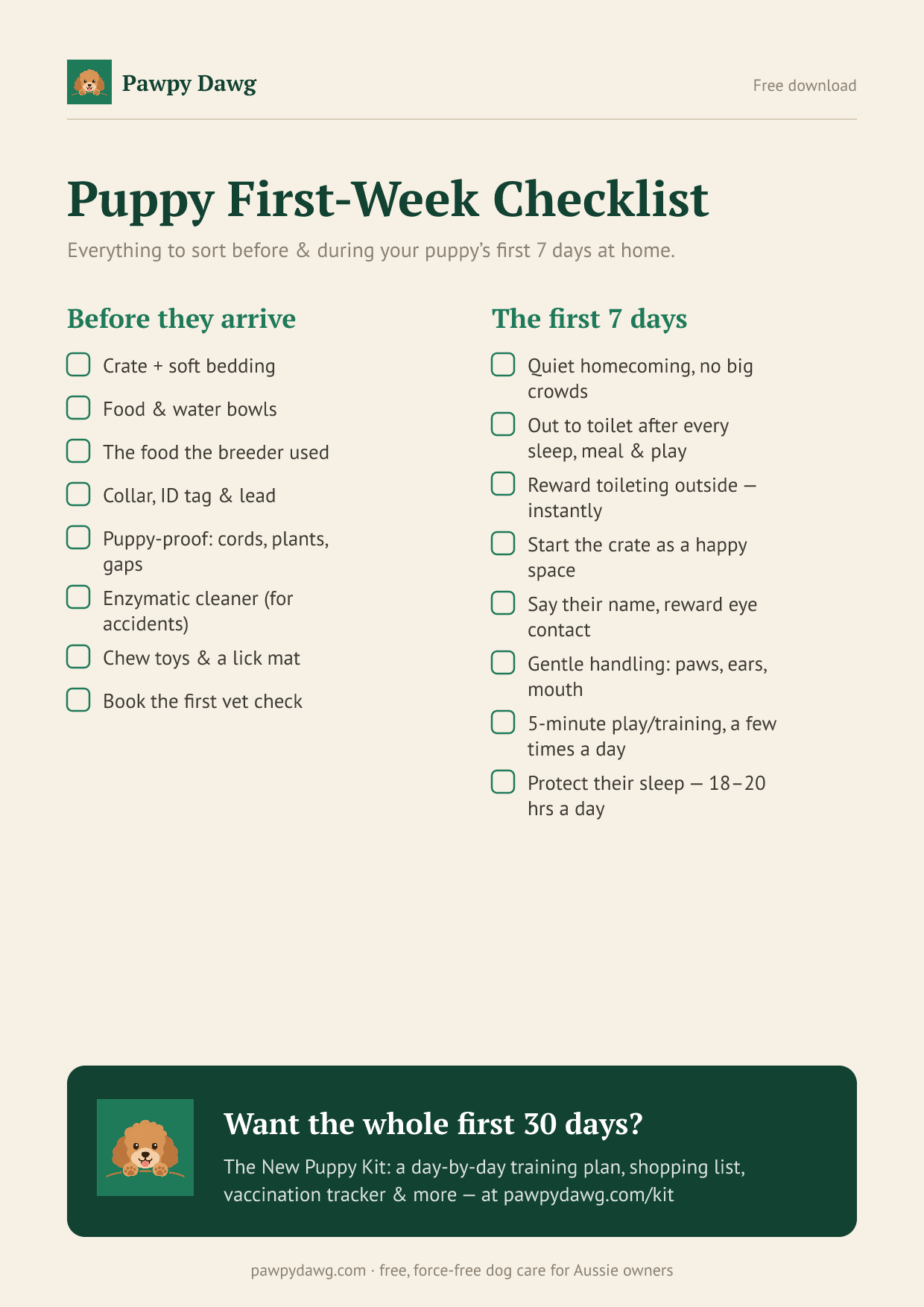
Free printable
Free: the Puppy First-Week Checklist
Everything to sort before and during your puppy's first 7 days home — a printable one-pager. Plus the occasional genuinely useful dog tip. No spam, unsubscribe anytime.
Related guides
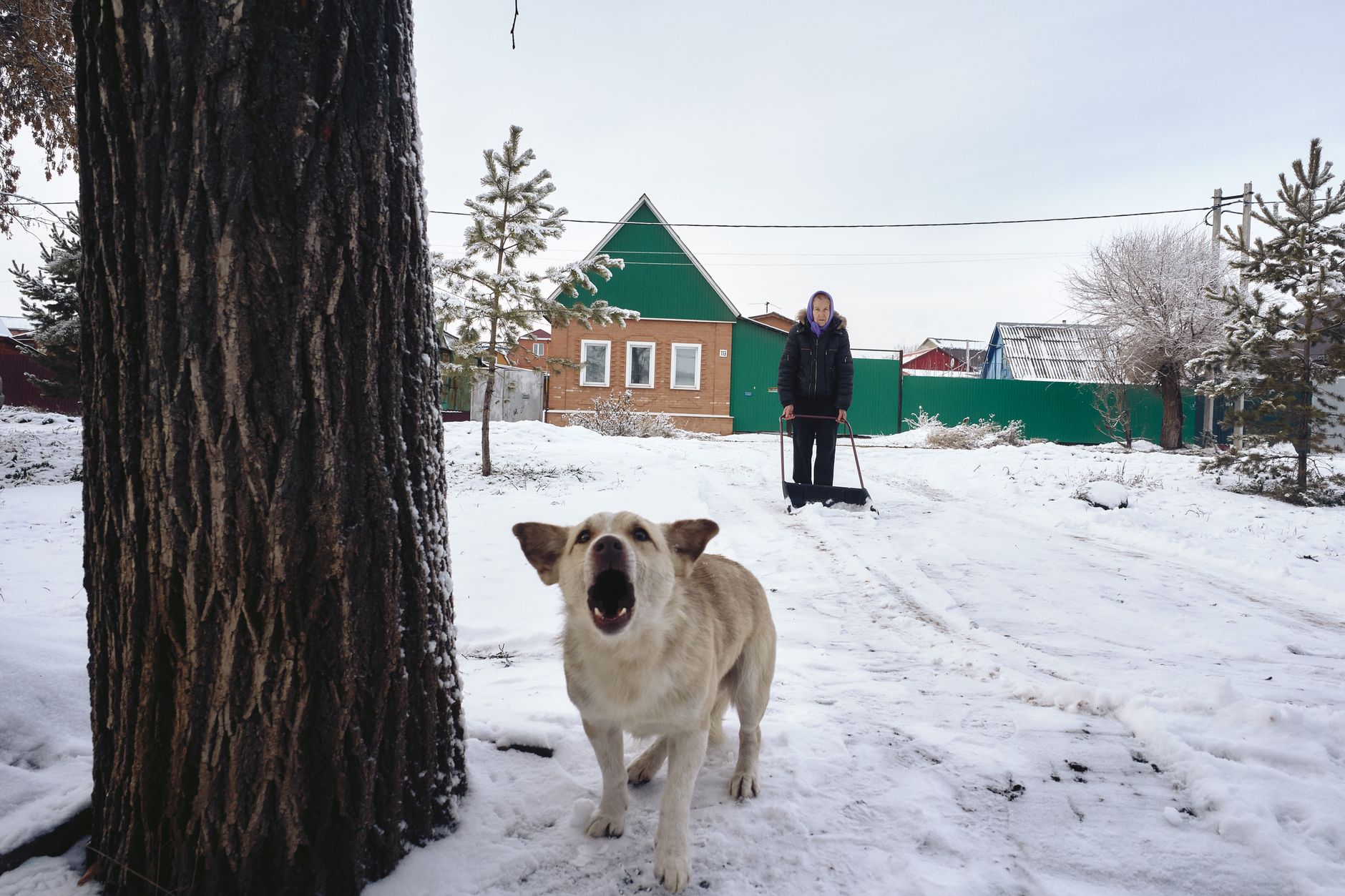
How to Stop a Staffordshire Bull Terrier Barking at Strangers (Step-by-Step)
Staffordshire Bull Terrier barking at strangers? A practical, positive-reinforcement plan with daily 5-min sessions, realistic timelines & when to get pro help.
Read the guide →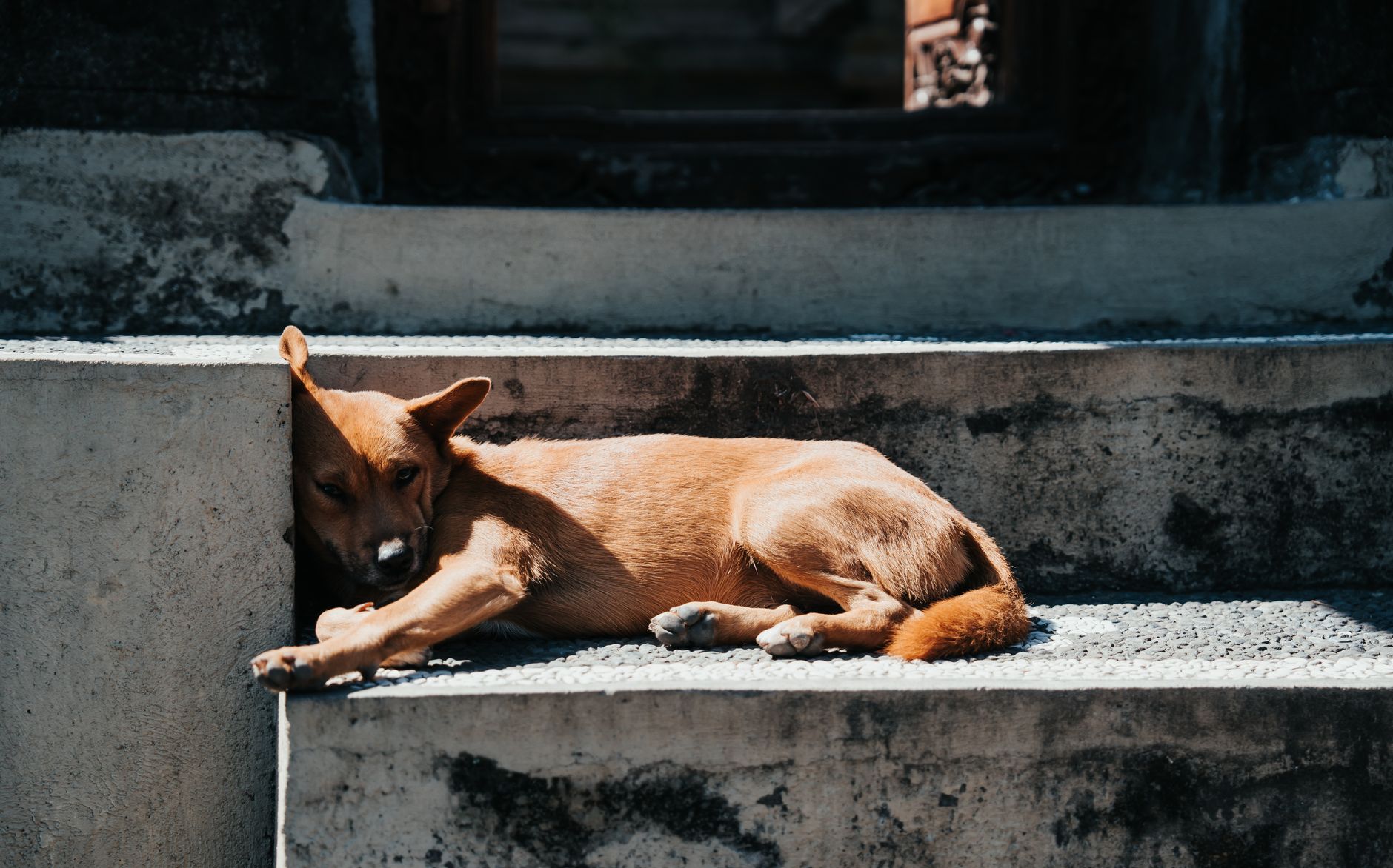
Staffordshire Bull Terrier Separation Anxiety: A Step-by-Step Fix
Staffordshire Bull Terrier separation anxiety is common and fixable. Get a realistic, step-by-step positive-reinforcement plan you can start today — no 60-min sessions needed.
Read the guide →
How to Stop a Staffordshire Bull Terrier Jumping Up on People (Step-by-Step)
Tired of your Staffy knocking people over? Here's a step-by-step positive-reinforcement plan to stop a Staffordshire Bull Terrier jumping up on people — fast.
Read the guide →