
How to Stop a Staffordshire Bull Terrier Digging Up the Yard (Step-by-Step)
Tired of your Staffy digging up the yard? Get a practical, positive-reinforcement plan to stop staffordshire bull terrier digging in the yard — starting today.

Written by Bradley Brown
Founder & editor · Reviewed 2026-07-02
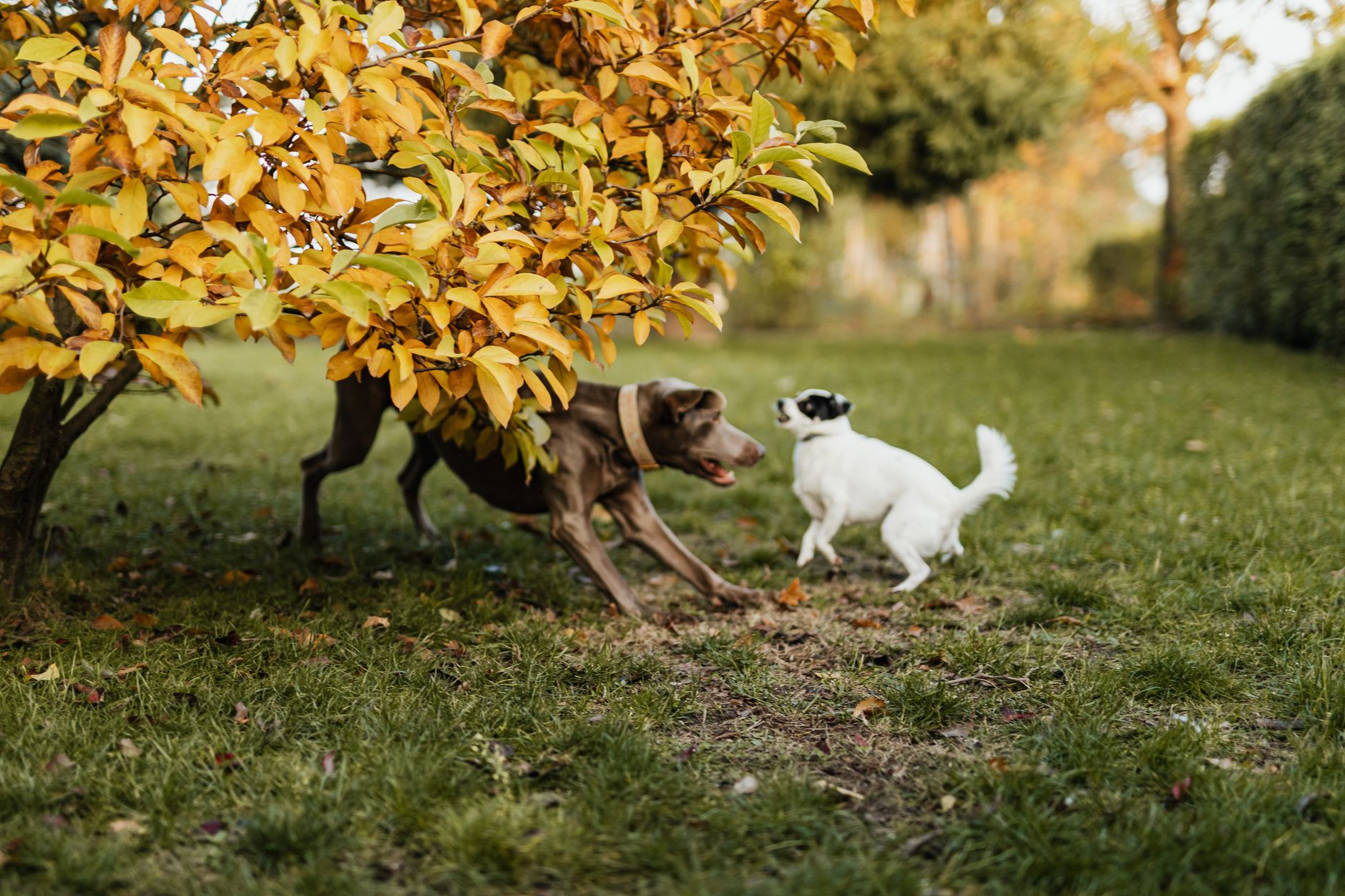
You let the dog out, made a coffee, and came back to find another crater next to the fence. Again. If you're Googling this at 10 pm after a bad day, you're not alone — and you haven't ruined your dog. Staffordshire Bull Terriers are bred to be tenacious, physical, and busy. Digging is often just that energy finding the only outlet available. The good news: it's one of the more straightforward behaviours to redirect, and you can start making a dent in it tonight.
Why Staffies Dig (It's Not Spite)
Before you fix anything, it helps to know what's driving it. Staffies dig for a handful of predictable reasons:
- Boredom and excess energy — the most common cause by far
- Escape attempts — usually fence-line digging, often triggered by something on the other side (another dog, a smell, a sound)
- Comfort-seeking — dogs dig to cool down on hot days or to make a cosy hollow
- Predatory instinct — chasing lizards, bugs, or scents underground
- Attention-seeking — digging gets a reaction, even a negative one
Knowing which category your dog falls into tells you exactly which tool to reach for first. Most Staffies are in the boredom/energy bucket, which is the most fixable of all.
Your Quick Win for Today: The Tired Dog Test
Before anything else, try this tonight or first thing tomorrow morning: give your Staffy 20 minutes of real physical exercise before you leave them in the yard unsupervised.
Not a slow walk — a proper run, a fetch session, or five minutes of tug followed by a training sprint. Then observe. Many owners find that a genuinely tired Staffy simply doesn't dig. If your dog settles after a solid workout, you've confirmed the cause and found your first lever.
Step-by-Step Plan to Stop the Digging
Step 1: Audit the Yard (5 minutes, once)
Walk the yard and note:
- Where does your dog dig? Fence line = escape motivation. Middle of lawn = boredom or comfort. Under a shrub or near a vent = predatory or scent-driven.
- When does it happen? While you're home, or only when alone?
- How hot is it? A Staffy lying in a hole in summer is probably just trying to cool down.
This audit shapes every decision that follows.
Step 2: Remove the Reward, Every Time
Digging is self-reinforcing — the act itself feels good. The environment needs to make it less satisfying:
- Fill holes immediately with the excavated dirt, and pack it firmly. Dogs often re-dig loose soil.
- For persistent spots, bury the top layer with large flat rocks, pavers, or a section of chicken wire just below the surface (flush with the ground — not a trip hazard). The changed texture stops most dogs within a few sessions.
- Remove anything that makes the spot interesting: relocated compost, a dead lizard, a dripping tap nearby.
Step 3: Build a "Yes" Spot — The Digging Pit
This is the single most effective long-term fix for a high-drive Staffy. Give them a legal place to dig.
How to set it up:
- Choose a corner of the yard — ideally shaded and away from fences.
- Dig or frame out an area roughly 1 m × 1 m (a sandpit frame from Bunnings works well, around $30–$60 AUD).
- Fill it with soft sand or loose soil.
- Bury a few high-value items — a bully stick, a frozen Kong, a favourite toy — just below the surface.
- Take your dog to the pit, encourage them to sniff, and praise enthusiastically the moment they start digging there.
Refresh the buried "treasure" every couple of days. Within 1–2 weeks, most Staffies learn that this spot pays off and the rest of the yard doesn't.
Step 4: Daily 5-Minute Training Sessions
Mental stimulation burns energy faster than physical exercise alone. A short training session directly after morning exercise can take the edge off for hours.
A simple 5-minute routine:
- 2 minutes: Review sits, drops, stays — fast-paced, high reward
- 2 minutes: New skill or trick (paw, spin, find it)
- 1 minute: Scatter feeding in the grass (sniffing is cognitively tiring)
Do this consistently for two weeks. Most owners see a meaningful drop in problem behaviours within that window.
Step 5: Manage Alone Time Until the Habit Changes
If your Staffy digs when left alone, unsupervised yard access is working against you right now. That's not a punishment — it's just smart management while you build new habits.
Options to limit unsupervised access:
- Use a covered dog run or secure section of the yard
- Bring the dog inside with a frozen Kong or chew while you're out
- Use a pet camera to monitor and interrupt early if you're home
Interrupting in the act: If you catch them digging, a calm, neutral "uh-uh" and redirecting to the digging pit (and rewarding them there) is more effective than scolding. Shouting teaches them to dig when you're not watching.
Common Mistakes That Make It Worse
| Mistake | Why It Backfires |
|---|---|
| Punishing after the fact | Dogs can't connect a punishment to something they did 10 minutes ago |
| Filling holes but not addressing the cause | Dog digs a new hole nearby tomorrow |
| Letting them "tire themselves out" in the yard alone | They tire themselves out by digging — it becomes the habit |
| Inconsistent rules (sometimes okay, sometimes not) | Staffies test rules; inconsistency teaches them to keep trying |
| Using the yard as the only enrichment | The yard becomes boring — digging becomes the entertainment |
Realistic Timeline
- Days 1–3: Audit done, holes filled, digging pit installed, exercise increased. You may see less digging immediately if energy was the driver.
- Week 1–2: Daily 5-minute training sessions underway; dog starts investigating the pit. Some digging still happening — that's normal.
- Week 3–4: Most dogs are reliably using the pit or have stopped digging elsewhere. Fence-line diggers may take longer.
- 6+ weeks: Habit is consolidated. You can relax management a little and test supervised free access.
When to Get Professional Help
Most Staffy digging resolves with the steps above. Call in a reward-based trainer or speak to your vet if:
- Digging is paired with excessive panting, pacing, or vocalising when alone — this may indicate separation anxiety, which needs its own protocol
- Your dog is fence-fighting aggressively with neighbours' dogs — the digging is a symptom of a larger reactivity issue
- You've followed this plan consistently for six weeks with no improvement
Look for a trainer who uses force-free, positive-reinforcement methods. In Australia, the Pet Professional Guild Australia (PPGA) or the Delta Society (now PPGA-affiliated) are good starting points for finding accredited practitioners.
Staffies are fixable. They're also genuinely one of the most responsive breeds to consistent, reward-based training — that stubborn streak works in your favour once it's pointed in the right direction. Start with the tired-dog test tonight, get the digging pit sorted this weekend, and you'll likely have a very different yard by the end of the month.
As an Amazon Associate we earn from qualifying purchases.
Frequently asked questions
Why does my Staffordshire Bull Terrier keep digging in the yard even after I fill the holes?
Filling holes removes the evidence but not the motivation. If your Staffy is still bored, under-exercised, or finds the spot rewarding (a smell, a lizard, cool soil), they'll simply dig again nearby. You need to address the underlying cause — usually exercise, mental stimulation, or a designated digging outlet — alongside blocking the old spots.
How much exercise does a Staffy need to stop digging?
Most adult Staffies need at least 45–60 minutes of genuine physical activity per day, split across two sessions. Critically, it needs to be real exertion — fetch, running, or vigorous play — not just a slow leash walk. Mental exercise (training, puzzle feeders, sniff games) on top of this is often what tips a digger into a settler.
Is my Staffy digging to escape, and how do I tell?
Escape-motivated digging almost always happens along the fence line, particularly at weak or visible points. You may also notice your dog digging only when they can hear or smell something on the other side — another dog, wildlife, or street noise. If the digging is spread across the middle of the yard, escape is less likely to be the driver.
Will a digging pit actually work for a Staffy, or will they dig everywhere anyway?
Digging pits work very well for most Staffies when set up correctly — the key is making the pit the most rewarding spot in the yard by regularly burying treats, toys, and chews. Dogs follow value; if the pit consistently pays off and the rest of the yard doesn't, they learn quickly. Expect 1–2 weeks of consistent reinforcement before the preference is established.
Can I use deterrent sprays to stop my Staffy digging?
Commercial deterrent sprays (citrus-based or bitter apple) can discourage digging in a specific spot, but they rarely solve the problem on their own because they don't address the underlying motivation. They work best as a short-term tool used alongside a digging pit and increased exercise, rather than as a standalone fix.
At what age do Staffies grow out of digging?
Some Staffies mellow as they move out of adolescence (roughly 18 months to 3 years), but many will dig throughout their lives if given the opportunity and the motivation. Waiting it out is not a reliable strategy — consistent management and training produce far faster results than age alone.
Free printable
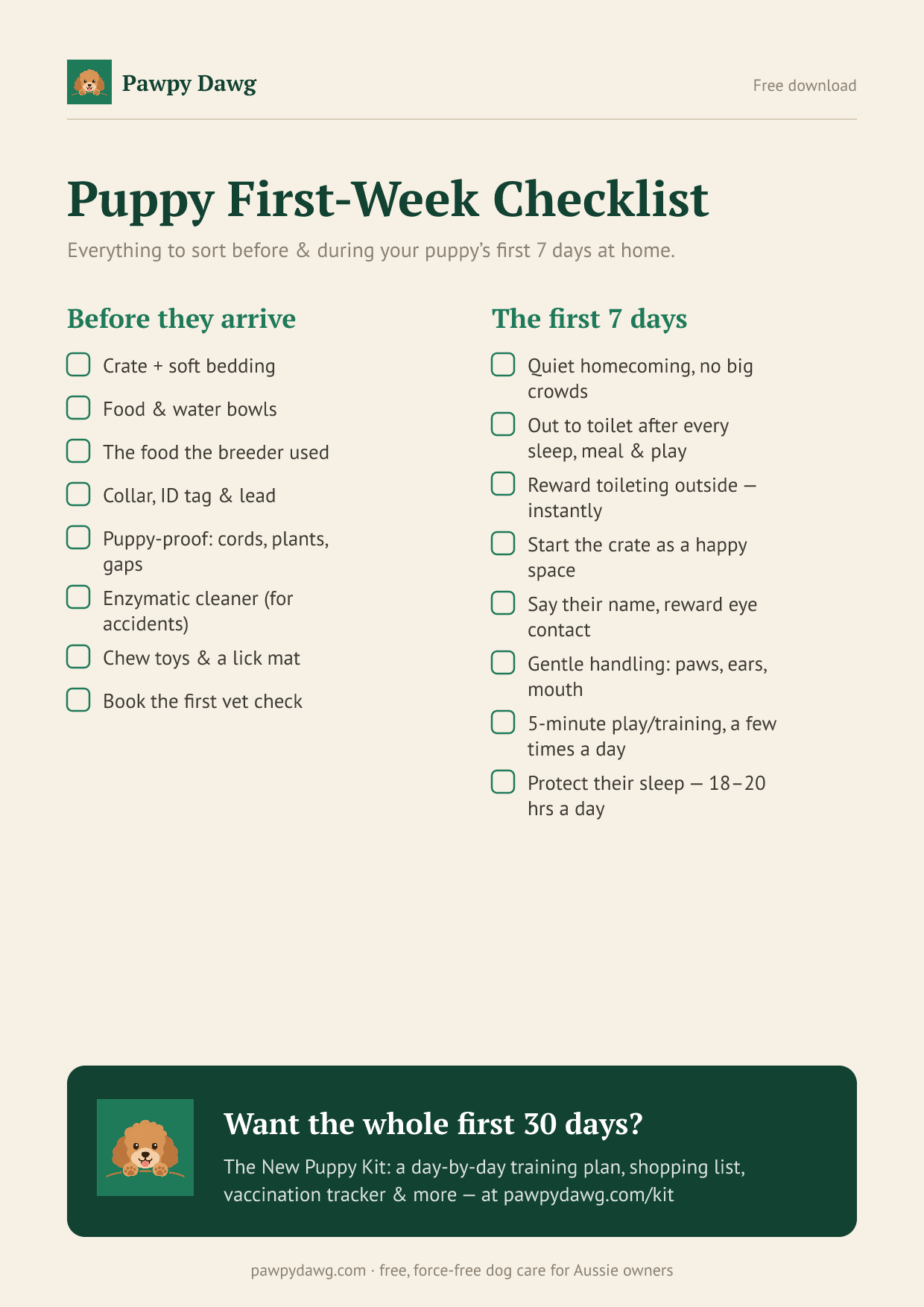
Free: the Puppy First-Week Checklist
Everything to sort before and during your puppy's first 7 days home — a printable one-pager. Plus the occasional genuinely useful dog tip. No spam, unsubscribe anytime.
Related guides
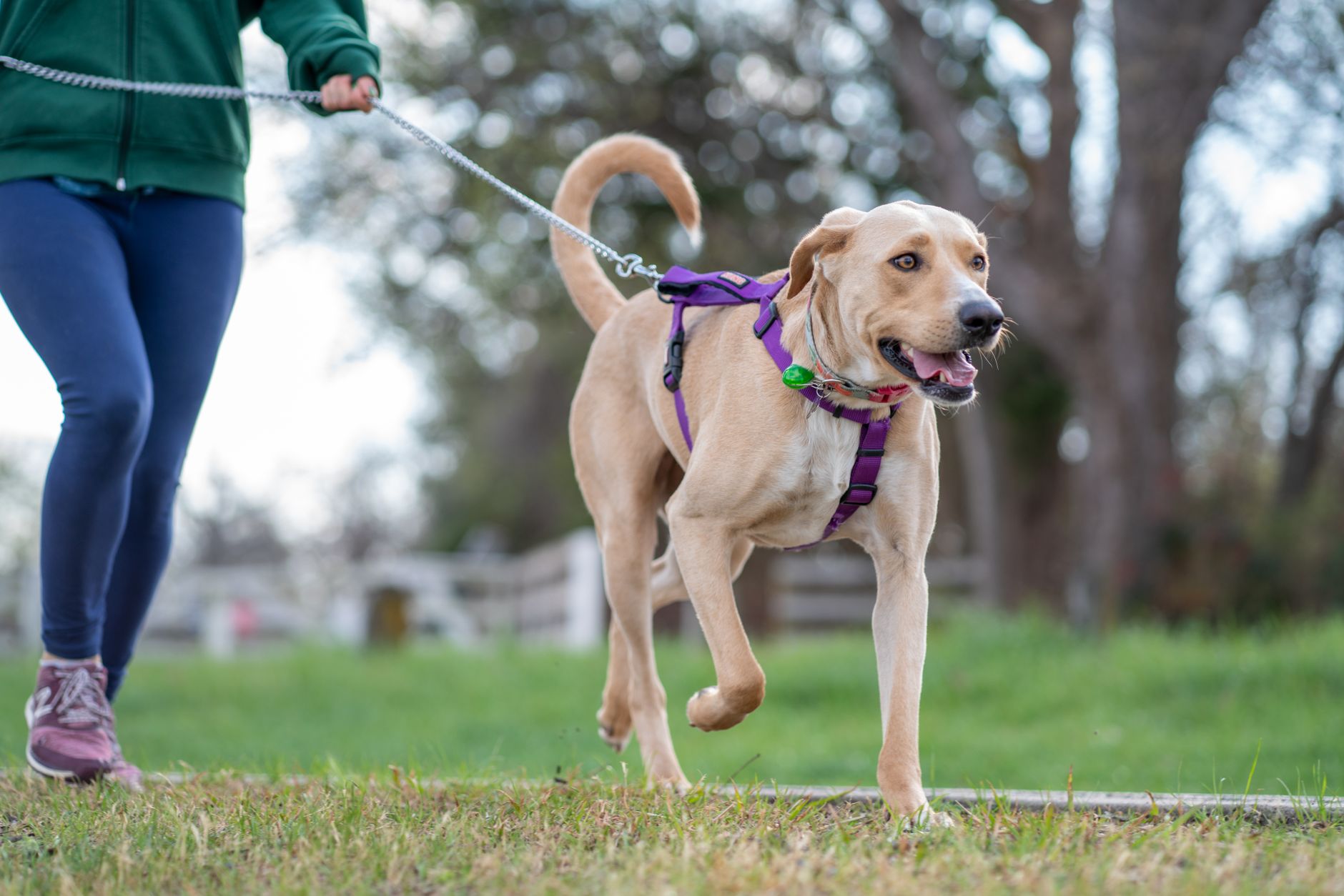
How to Stop a Staffordshire Bull Terrier Pulling on the Lead (Step-by-Step)
Tired of your Staffy dragging you down the street? Here's a practical, step-by-step positive-reinforcement plan to stop a Staffordshire Bull Terrier pulling on the lead.
Read the guide →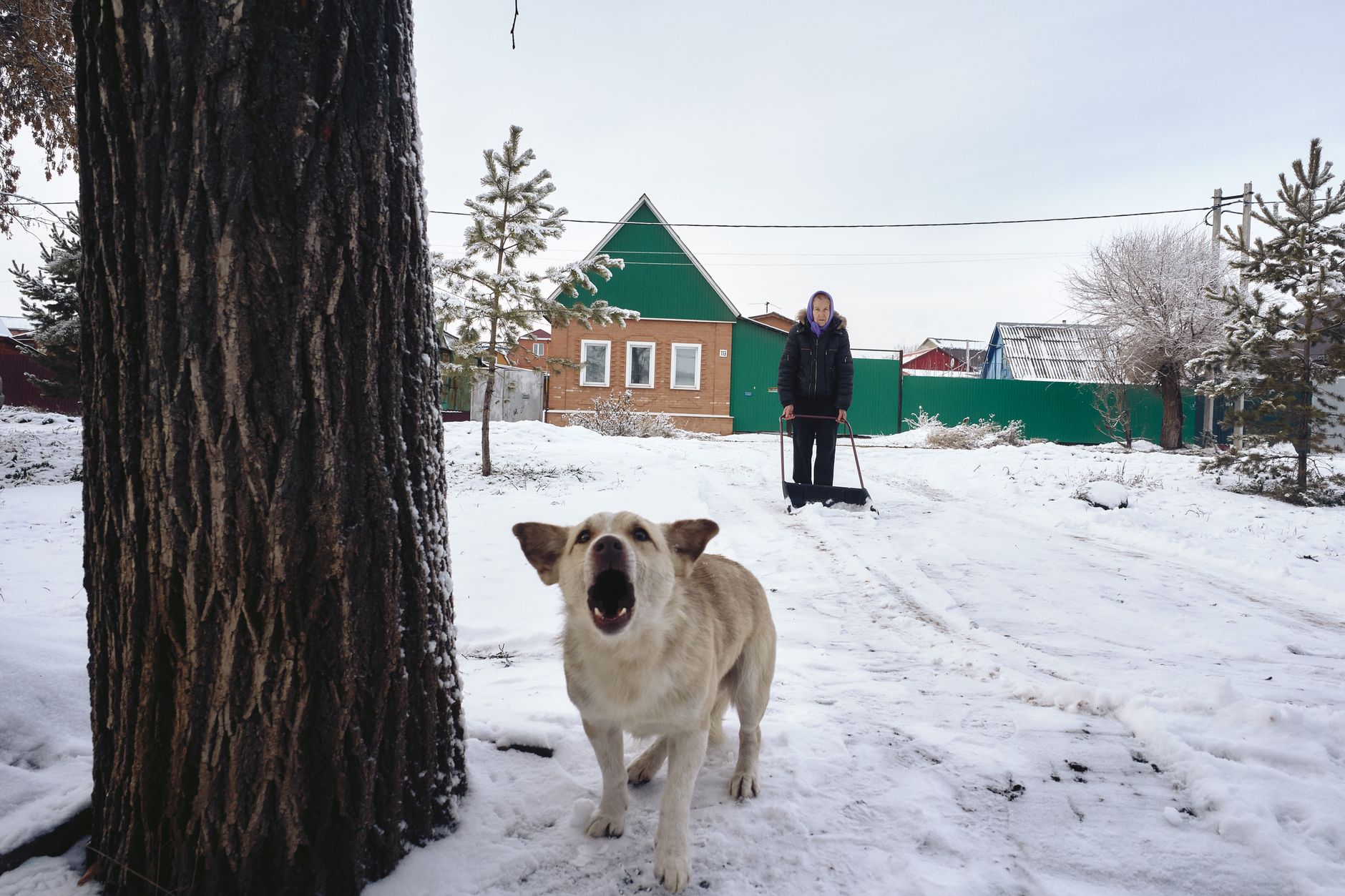
How to Stop a Staffordshire Bull Terrier Barking at Strangers (Step-by-Step)
Staffordshire Bull Terrier barking at strangers? A practical, positive-reinforcement plan with daily 5-min sessions, realistic timelines & when to get pro help.
Read the guide →
Staffordshire Bull Terrier Separation Anxiety: A Step-by-Step Fix
Staffordshire Bull Terrier separation anxiety is common and fixable. Get a realistic, step-by-step positive-reinforcement plan you can start today — no 60-min sessions needed.
Read the guide →