
How to Stop a Staffordshire Bull Terrier Chewing Everything (Step-by-Step)
Tired of chewed shoes and shredded cushions? Here's a practical, positive-reinforcement plan to stop Staffordshire Bull Terrier destructive chewing — starting today.

Written by Bradley Brown
Founder & editor · Reviewed 2026-07-02
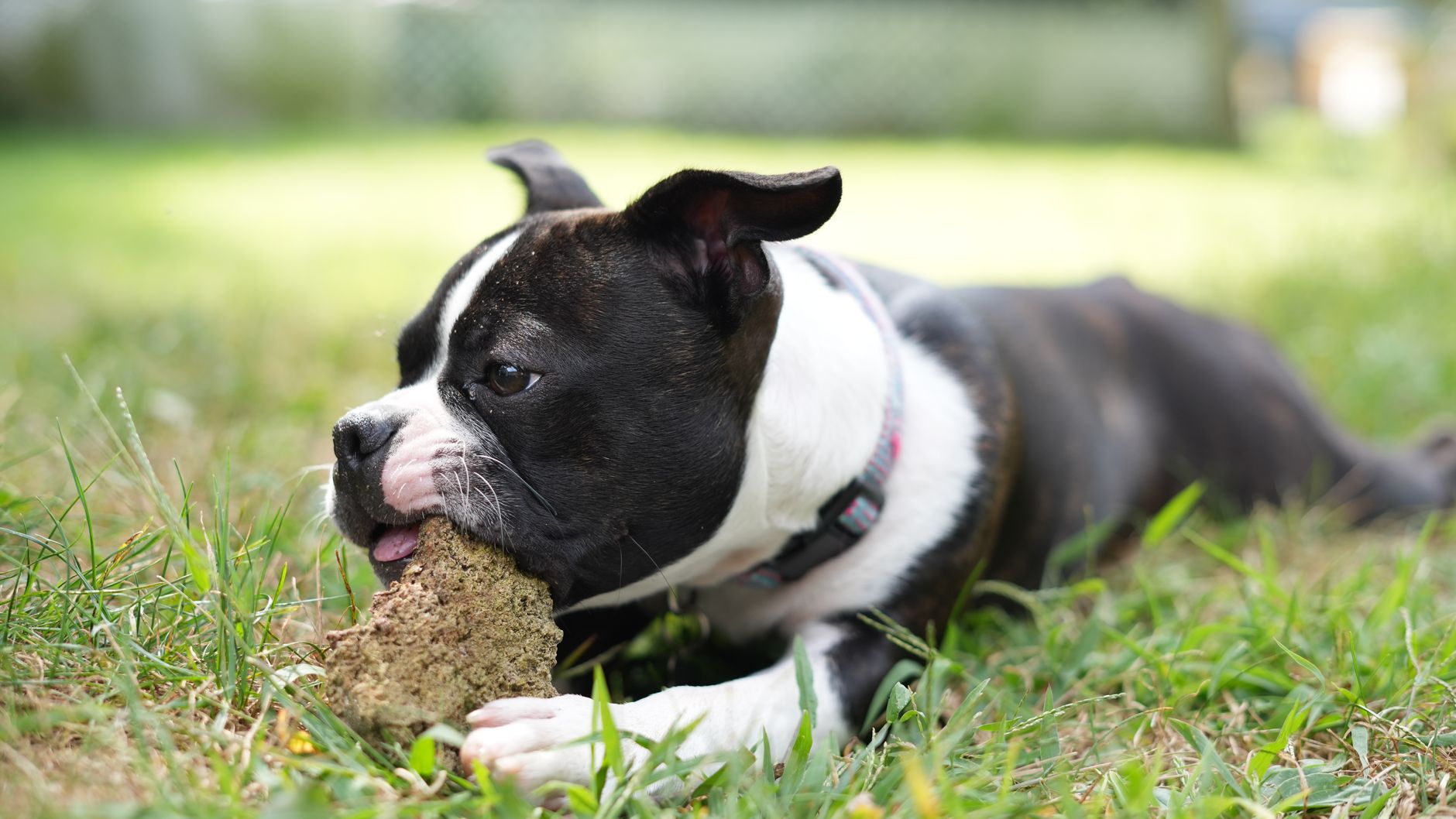
You come home to a gutted couch cushion, or you finish a walk with a dog who pulled the lead out of your hand to chew a stranger's garden fence. It's exhausting, embarrassing, and it makes you feel like you've somehow failed. You haven't. Staffords are one of the most mouth-driven breeds on the planet — it's wired into them, not trained into them by you. The good news: destructive chewing is one of the most reliably fixable behaviour problems there is, and you can start making progress tonight.
Why Staffords Chew So Much (It's Not Spite)
Staffordshire Bull Terriers were bred to use their mouths — gripping, tugging, and carrying. That drive doesn't disappear when they move into a lounge room. Add to that:
- Boredom and under-stimulation — a Stafford brain left idle will find its own entertainment, and it usually involves your belongings.
- Teething (in dogs under 12 months) — gums ache, chewing relieves pressure.
- Anxiety or frustration — chewing releases calming endorphins; it's self-medication.
- Excess energy with nowhere to go — especially common in dogs who get one short walk a day.
Understanding the why matters because the fix depends on it. A teething puppy needs different management than an anxious adult.
Your Quick Win: Do This Tonight
Before anything else, do a five-minute swap.
- Pick up everything chewable within dog reach — shoes, remotes, kids' toys, charging cables.
- Put a high-value chew (a frozen Kong, a bully stick, or a raw meaty bone from the butcher) in the spot your dog usually settles.
- When your dog goes to the chew, calmly say "good" and leave them to it.
That's it. You haven't solved the problem, but you've just had a chew-free ten minutes and your dog has started learning that their stuff tastes better than yours. That's the foundation of everything below.
Step-by-Step Plan to Stop Destructive Chewing
Step 1 — Manage the Environment First (Days 1–7)
Positive reinforcement only works when your dog can succeed. Make success easy:
- Use baby gates or a playpen to limit unsupervised access to the house.
- Crate-train if your dog is comfortable with it — a crate is a safe den, not a punishment.
- Keep a rotation of three to five approved chews available at all times. Variety matters; Staffords bore of the same texture quickly.
- Remove temptation before you try to train. You can't correct a chew that's already happening and expect it to stick without the management piece.
Realistic timeline: Most owners see a significant reduction in destructive incidents within the first week simply from better management — before any formal training begins.
Step 2 — Teach "Leave It" and "Drop It" (Week 1–2)
These two cues are your most practical tools. Five minutes a day is enough.
Leave It (5 reps per session):
- Hold a low-value treat in a closed fist.
- Let your dog sniff and paw — say nothing.
- The moment they pull back or look away, mark with "yes" and reward with a different, better treat from your other hand.
- Gradually move to leaving treats on the floor, then to real household items.
Drop It (5 reps per session):
- Let your dog hold a toy they like (not their absolute favourite yet).
- Present a high-value treat at their nose.
- The moment they release the toy, say "drop it," mark, and reward. Pick the toy up calmly.
- Give the toy back — this teaches them that dropping doesn't mean losing.
Practise on low-stakes items before you need these cues in a real situation.
Step 3 — Meet the Underlying Need (Ongoing)
If chewing is driven by boredom or frustration, obedience training alone won't fix it. You need to address the energy and mental stimulation gap:
| Need | Practical Fix | Time Required |
|---|---|---|
| Physical exercise | Two 20–30 min walks/day, or one walk + backyard fetch | 40–60 min/day |
| Mental stimulation | Sniff walks, frozen Kongs, scatter feeding in grass | 10–15 min/day |
| Breed-specific outlet | Tug games with rules (you start, you end) | 5–10 min/day |
| Social connection | Training sessions, gentle roughhousing | 5–10 min/day |
Sniff walks — where you let your dog follow their nose rather than walking to heel — are genuinely tiring for a Stafford in a way that a brisk 30-minute march often isn't. Let them sniff.
Step 4 — Interrupt and Redirect (Not Punish)
When you catch your dog chewing something they shouldn't:
- Don't yell or physically intervene — this can trigger excitement or anxiety, making chewing worse.
- Calmly interrupt with a neutral "ah-ah" or a hand clap.
- Immediately offer an approved chew or start a brief game of tug.
- When they engage with the right item, praise warmly.
The goal is: wrong item → redirect → right item → good stuff happens. Repeat this consistently and the pattern becomes habit — usually within two to four weeks.
Step 5 — Choose the Right Chews
Not all chews are equal for a Stafford's jaw strength. General guidance (always supervise):
- ✅ Raw meaty bones (ask your vet for size guidance)
- ✅ Frozen Kongs stuffed with wet food or banana
- ✅ Bully sticks (pricey but effective — around $3–$8 each from pet stores)
- ✅ Rubber chew toys rated for "power chewers" (Kong Extreme, Goughnuts)
- ❌ Cooked bones — these splinter
- ❌ Antlers or very hard nylon — risk of cracked teeth in strong-jawed breeds
- ❌ Rawhide — digestive and choking risk
Rotate chews every few days to maintain novelty. A chew your dog ignores today may be irresistible after a few days away.
Common Mistakes That Slow Progress
- Punishing after the fact. Dogs don't connect a consequence to something they did five minutes ago. Coming home to a mess and scolding your dog teaches them to be anxious when you arrive home — not to stop chewing.
- Giving up after a bad day. Progress isn't linear. A week of improvement followed by one incident is still progress.
- Giving old shoes or socks as toys. Your dog cannot distinguish between the old sneaker you offered and the new one by the door.
- Only one type of chew. Variety is essential. Rotate textures, flavours, and formats.
- Expecting the dog to "just know." They need active teaching and repetition — sometimes hundreds of repetitions. That's normal.
When to Get Professional Help
Most Stafford chewing is manageable with the steps above. But see your vet or a qualified trainer (look for a member of the Pet Professional Guild Australia or a certified animal behaviourist) if:
- Chewing is accompanied by panting, pacing, vocalising, or toileting indoors when left alone — this may indicate separation anxiety, which needs a specific protocol.
- The behaviour is escalating despite consistent management over four to six weeks.
- Your dog is injuring themselves chewing walls, crates, or hard surfaces.
- You're managing a rescue dog with unknown history — a professional baseline assessment is worth the cost (expect $150–$350 AUD for an initial consultation).
Separation anxiety in particular is commonly misread as "naughtiness" in Staffords. It's a welfare issue and it responds well to treatment — but it does require professional guidance.
A Realistic Timeline
| Timeframe | What to Expect |
|---|---|
| Day 1–7 | Fewer incidents due to better management; dog begins engaging with approved chews |
| Week 2–3 | "Leave it" and "drop it" becoming reliable in low-distraction settings |
| Week 4–6 | Redirects work in real situations; chewing incidents become occasional rather than daily |
| 2–3 months | Habits consolidated; dog consistently chooses approved outlets |
You're not racing anyone. A Stafford who's chewing less after three months is a success story — even if it feels slow in week two.
As an Amazon Associate we earn from qualifying purchases.
Frequently asked questions
At what age do Staffordshire Bull Terriers stop chewing everything?
Most Staffords ease up on destructive chewing between 18 months and 2 years of age as adolescent energy and teething-related discomfort settle down. However, breed drive means they'll always need appropriate chew outlets — the goal is redirecting the behaviour, not eliminating it entirely. Dogs who don't get enough stimulation can remain destructive well into adulthood regardless of age.
Is my Stafford chewing because they're anxious or just bored?
Bored chewing typically happens throughout the day and targets whatever's available. Anxiety-driven chewing usually spikes specifically around your departures or arrivals, and is often paired with other signs like howling, pacing, or toileting indoors. If you're unsure, a short video recording of your dog's behaviour in the first 30 minutes after you leave can be very revealing — and is something a vet or trainer will ask for anyway.
Should I use a crate to stop my Stafford from chewing?
A crate can be a genuinely useful management tool when introduced positively and gradually — it gives your dog a safe, contained space where destructive access is limited. It should never be used as a punishment or for extended periods (more than three to four hours for an adult dog). Crates work best as one part of a broader plan that also includes exercise, mental stimulation, and active training.
What's the best chew toy for a Staffordshire Bull Terrier?
Staffords need 'power chewer' rated toys — standard rubber toys won't last. Kong Extreme, Goughnuts, and West Paw Tux are popular options that hold up well. Stuffed and frozen Kongs are particularly effective because they take time and effort to empty, keeping your dog occupied longer. Always supervise with any new chew and discard pieces small enough to swallow.
My Stafford only chews when I'm not home. What can I do?
This is the classic pattern of either boredom or mild separation anxiety. Start by leaving high-value chews (a frozen Kong is ideal) immediately before you leave, so your dog associates your departure with something rewarding. Gradually increase the enrichment available — puzzle feeders, scatter feeding, and chew variety all help. If the behaviour is intense or distressing, a veterinary behaviourist can rule out clinical separation anxiety and set up a desensitisation programme.
Can I use bitter spray to stop my Stafford from chewing furniture?
Bitter sprays like Grannick's Bitter Apple can deter some dogs, but many Staffords are notably unbothered by them — or even seem to enjoy the taste. They're best used as a temporary deterrent while you build better habits, not as a standalone solution. Always combine sprays with providing appealing alternatives; if your dog has nothing better to chew, the spray alone won't hold their interest for long.
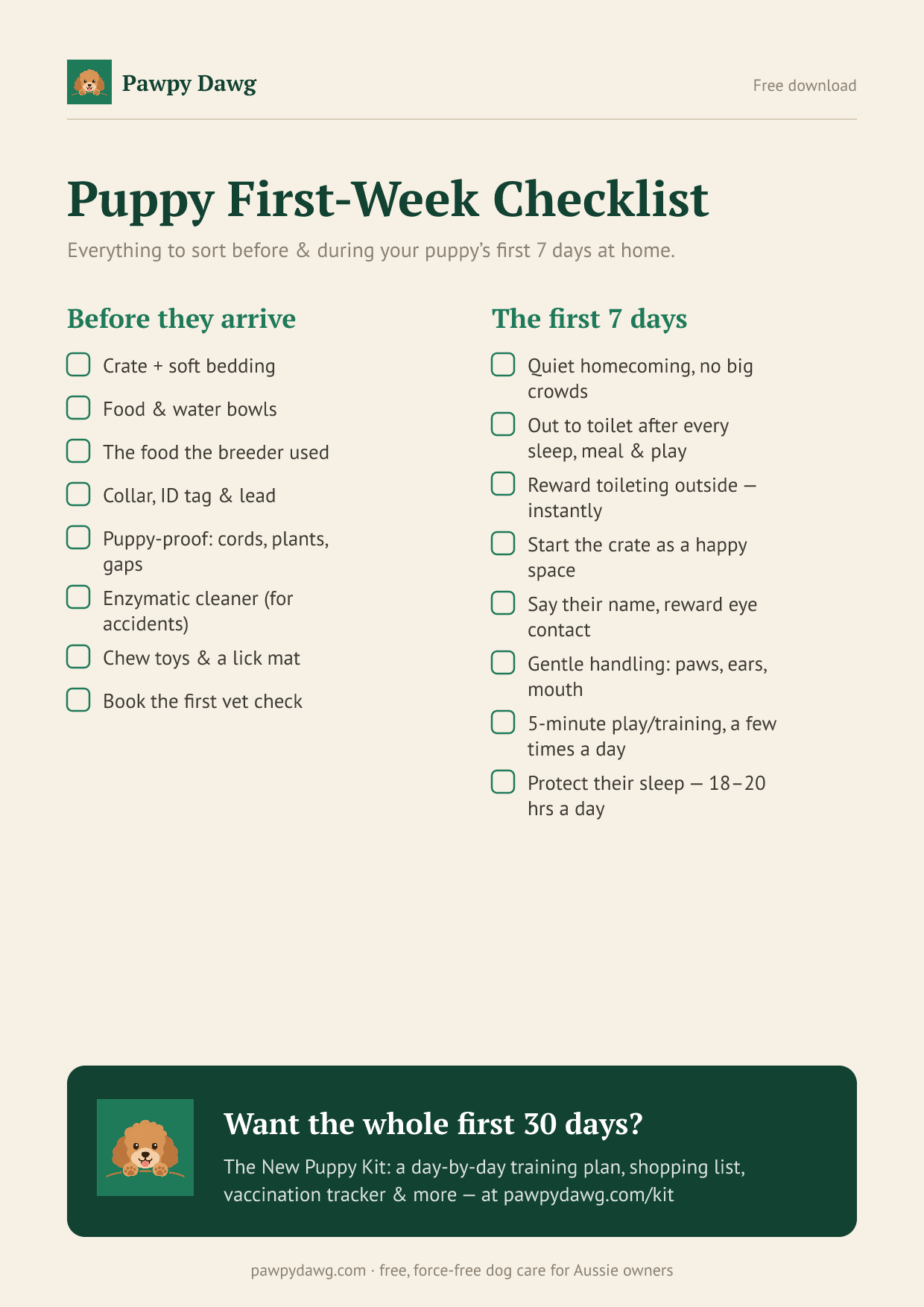
Free printable
Free: the Puppy First-Week Checklist
Everything to sort before and during your puppy's first 7 days home — a printable one-pager. Plus the occasional genuinely useful dog tip. No spam, unsubscribe anytime.
Related guides
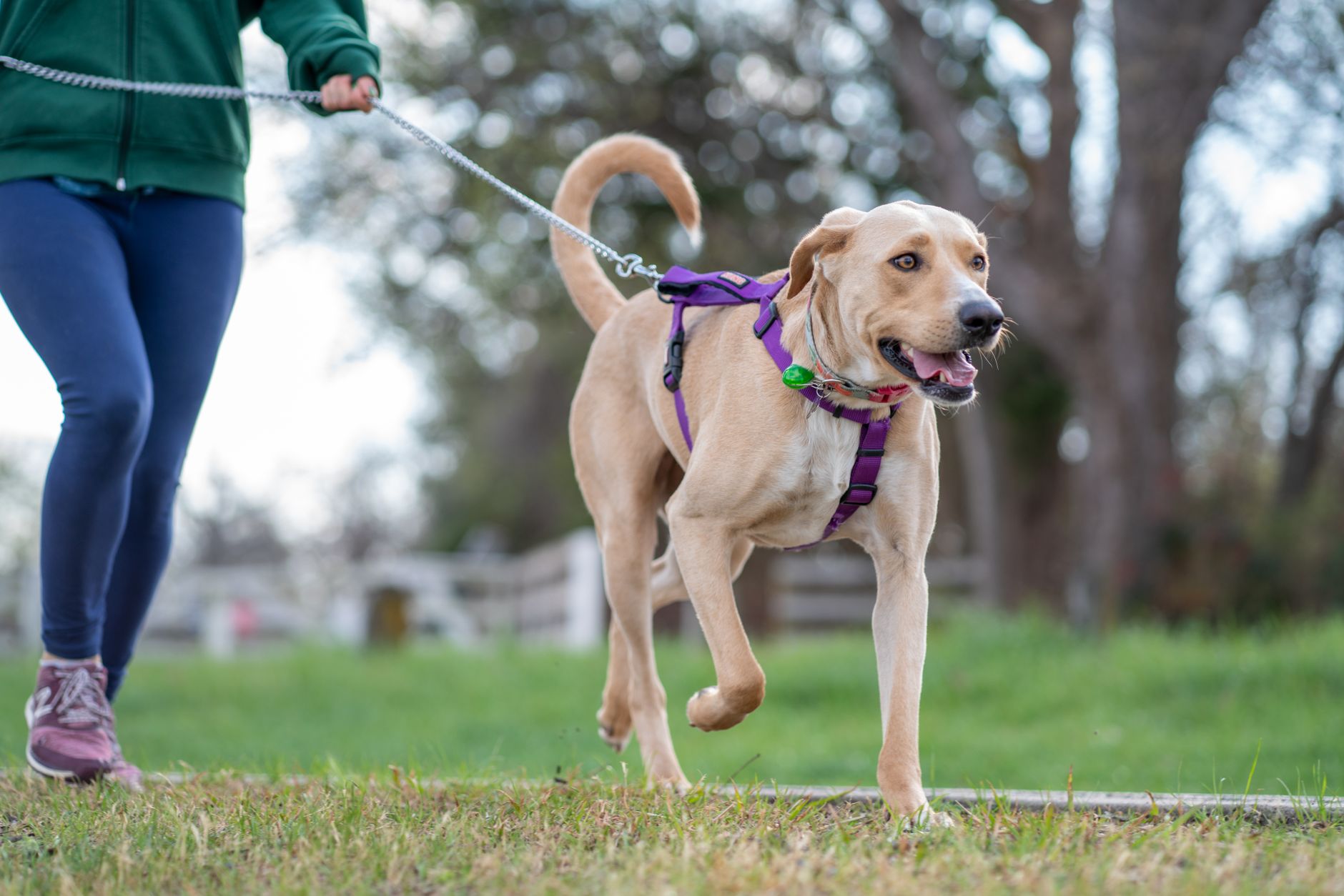
How to Stop a Staffordshire Bull Terrier Pulling on the Lead (Step-by-Step)
Tired of your Staffy dragging you down the street? Here's a practical, step-by-step positive-reinforcement plan to stop a Staffordshire Bull Terrier pulling on the lead.
Read the guide →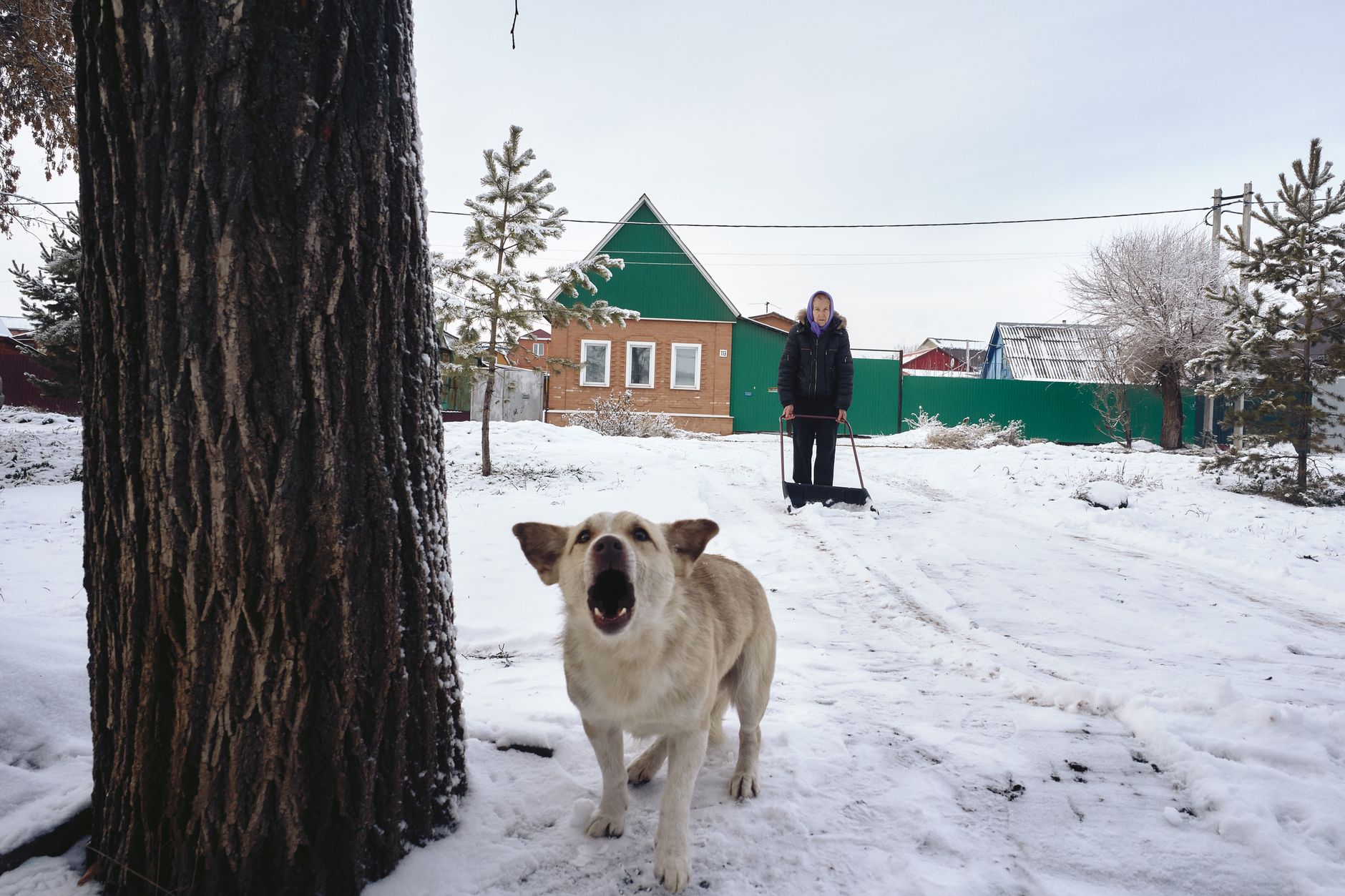
How to Stop a Staffordshire Bull Terrier Barking at Strangers (Step-by-Step)
Staffordshire Bull Terrier barking at strangers? A practical, positive-reinforcement plan with daily 5-min sessions, realistic timelines & when to get pro help.
Read the guide →
Staffordshire Bull Terrier Separation Anxiety: A Step-by-Step Fix
Staffordshire Bull Terrier separation anxiety is common and fixable. Get a realistic, step-by-step positive-reinforcement plan you can start today — no 60-min sessions needed.
Read the guide →