
How to Stop a Staffordshire Bull Terrier Biting and Mouthing (Step-by-Step)
Staffordshire Bull Terrier biting and mouthing driving you mad? This step-by-step positive plan gets real results in 5–10 min/day. Start today.

Written by Bradley Brown
Founder & editor · Reviewed 2026-07-02

You came home to a bruised hand, a chewed sleeve, or a walk that ended in embarrassment. You're not a bad owner — and your Staffy isn't a bad dog. Biting and mouthing is one of the most reported behaviours in the breed, and it almost always comes from the same place: a dog that is enthusiastic, mouth-oriented by nature, and hasn't yet been taught what to do with all that energy. That's fixable.
Here's your first quick win, right now: the next time your Staffy mouths you, go completely still and silent — no yelping, no pushing, no eye contact — then calmly stand up and walk out of the room for 20–30 seconds. Return and give them something legal to chew. That single response, done consistently, is the foundation of everything below.
Why Staffies Mouth More Than Other Breeds
Staffordshire Bull Terriers were bred for tenacity, athleticism, and a lot of jaw strength. They explore and play with their mouths the way a Border Collie herds — it's hardwired. Add in that they're intensely people-focused, and you get a dog that wants to interact physically and doesn't yet have the vocabulary to do it politely.
This is not aggression. Mouthing and play-biting in puppies and adolescents (up to around 2–3 years) is normal canine behaviour. It becomes a problem only because human skin isn't fur, and because it can escalate if it's accidentally rewarded.
The Core Principle: Make Mouthing Boring, Make Calm Exciting
Every technique below follows the same logic:
- Mouthing ends all fun immediately (no drama, no punishment — just a full stop)
- Appropriate chewing and calm interaction earns attention, praise, treats, and play
- Repetition over days and weeks rewires the habit
Step-by-Step Plan (5–10 Minutes a Day)
Step 1 — Teach a Solid "Leave It" (Days 1–3)
A dog with a reliable "leave it" has an off-switch for impulse behaviour.
- Hold a treat in a closed fist. Let your Staffy sniff, lick, and paw at it.
- The moment they back off — even a centimetre — say "yes" and reward from your other hand.
- Practise 10 repetitions, twice a day. Keep sessions under 5 minutes.
- Once they're backing away consistently, add the cue word "leave it" just before you close your fist.
By day 3, most Staffies are offering a deliberate back-off. This same impulse control transfers directly to mouthing situations.
Step 2 — The Time-Out Protocol (Start Immediately, Use Every Time)
Consistency here is everything. One family member laughing it off while another time-outs undoes the lesson.
| Situation | Your response |
|---|---|
| Mouth touches skin (any pressure) | Freeze → silence → leave room for 20–30 sec |
| Jumping up AND mouthing | Turn body away, cross arms, no eye contact |
| Mouthing through a gate/pen | Walk away from sight entirely |
| Calm, four paws on floor | Immediately engage — treats, praise, a toy |
Important: don't yell, don't stare them down, don't push the dog away. Physical contact — even a shove — is interaction, and interaction is what they want. Boring silence is your most powerful tool.
Step 3 — Give the Mouth a Legal Job (Every Day)
A Staffy that isn't given something appropriate to chew will find something inappropriate to chew.
- Rotating chew toys: Have 3–4 on rotation so novelty stays high. Bully sticks, rubber Kongs stuffed and frozen, and raw meaty bones (under supervision) are all solid options.
- The swap: The moment mouthing starts, produce a toy and wiggle it. The instant they take the toy, praise enthusiastically. You're not bribing them away from you — you're redirecting natural behaviour onto an approved target.
- Pre-empt the witching hour: Most Staffies bite more when they're overtired or overstimulated. A frozen Kong 20 minutes before known high-energy periods buys you calm.
Step 4 — Structured Play With Rules (10 Minutes, Once or Twice Daily)
Staffies need outlets. Denying all rough interaction just builds pressure. Instead, create play that has a clear start and end.
- You start play — pick up the tug toy and invite engagement. Don't let the dog mug you for it.
- Interrupt every 30–60 seconds with a "sit" or "drop." Reward compliance with re-starting the game. This teaches them that calm behaviour earns the fun.
- You end play — say "all done," put the toy away, and ignore any pestering for 2 minutes.
This structure teaches impulse control while giving your Staffy the physical outlet they genuinely need.
Step 5 — Management While You Train (Non-Negotiable)
Training takes time. Management prevents the behaviour from being practised (and strengthened) in the meantime.
- Use a baby gate or exercise pen when you can't actively supervise.
- Don't set your dog up to fail during high-arousal moments (guests arriving, kids running, post-walk excitement). Have a frozen Kong ready for these triggers.
- Keep leads on inside during training phases so you can calmly redirect without a chase.
Common Mistakes That Slow Progress
- Inconsistency across the household. Everyone must respond the same way, every time.
- Accidentally rewarding with noise. Yelping can excite some Staffies further rather than stopping them. If yelping works for your dog, keep it — if they bite harder, drop it.
- Punishment-based corrections. Alpha rolls, scruff shakes, or spray bottles can suppress behaviour temporarily but increase anxiety and reactivity in a breed already prone to arousal. Stick to positive reinforcement and negative punishment (removing the good thing — your attention).
- Expecting overnight results. Realistic timeline: noticeable reduction in 2–3 weeks with daily consistency; solid improvement in 6–8 weeks.
When to Call in a Professional
Most mouthing is normal and responds to the above plan. Seek help from a qualified trainer or veterinary behaviourist if you notice:
- Biting that draws blood or leaves significant bruising (beyond normal puppy pressure)
- Growling, stiff body posture, or snapping that isn't part of obvious play
- Behaviour that is escalating despite consistent training over 4+ weeks
- A dog over 3 years old developing new biting behaviour with no obvious trigger
Look for trainers who use force-free or positive reinforcement methods and hold qualifications through the Pet Professional Guild Australia or the Delta Society. Expect to pay $A80–$180 per session, or $A300–$600 for a group course — money well spent if you're struggling.
Your 7-Day Starter Checklist
- Practise "leave it" 2 × 5 minutes daily
- Agree on the time-out protocol with everyone in the house
- Buy or prep 3 rotating chew options (Kong, bully stick, bone)
- Identify your Staffy's two highest-mouthing triggers and prep management for each
- Run one structured tug session with interruptions daily
- Track progress (a simple note on your phone is enough) to spot patterns
- Book a trainer consultation if no improvement after 4 weeks
The behaviour that's driving you mad right now is not permanent, and it doesn't mean you've ruined your dog. Staffies are highly trainable when the feedback is clear, the rules are consistent, and the good stuff is genuinely rewarding. Keep sessions short, keep your expectations realistic, and give yourself credit for looking for answers.
As an Amazon Associate we earn from qualifying purchases.
Frequently asked questions
At what age do Staffordshire Bull Terriers stop mouthing?
Most Staffies naturally reduce mouthing as they mature past 12–18 months, but adolescence can stretch to 2–3 years in the breed. Without consistent training, the habit can persist into adulthood regardless of age. Active training significantly speeds up the process.
Is my Staffy's mouthing a sign of aggression?
In most cases, no. Mouthing and play-biting in Staffies is typically exploratory or attention-seeking behaviour, not aggression. True aggression usually involves a stiff body, growling, snapping with intent, or biting without obvious play context. If you're seeing those signs, consult a qualified behaviourist.
Should I yelp to stop my Staffy from biting?
It depends on the individual dog. For some Staffies, a short sharp yelp mimics a littermate's pain response and causes them to back off. For others — especially highly aroused dogs — it can increase excitement and make biting worse. If yelping doesn't produce a clear improvement within a few days, switch to the silent time-out method instead.
My Staffy only mouths certain family members. Why?
Dogs quickly learn which people set and enforce rules and which don't. If your Staffy mouths children, guests, or one particular family member more than others, it's almost always because that person's response has been less consistent — through no fault of their own. Getting everyone on the same protocol is the fastest fix.
Can I use a muzzle while training to stop the biting?
A properly fitted basket muzzle can be a safe management tool while training is underway, particularly for dogs with a strong bite history. It should never be used as a substitute for training, and the dog needs to be conditioned to wear it positively first. Ask a qualified trainer to guide you through muzzle conditioning if needed.
How long will it realistically take to stop Staffy mouthing with this approach?
With daily consistency from everyone in the household, most owners see a noticeable reduction in mouthing within 2–3 weeks and solid, reliable improvement within 6–8 weeks. Older dogs or those with a long history of the behaviour may take a few weeks longer. Inconsistency is the single biggest factor that extends timelines.
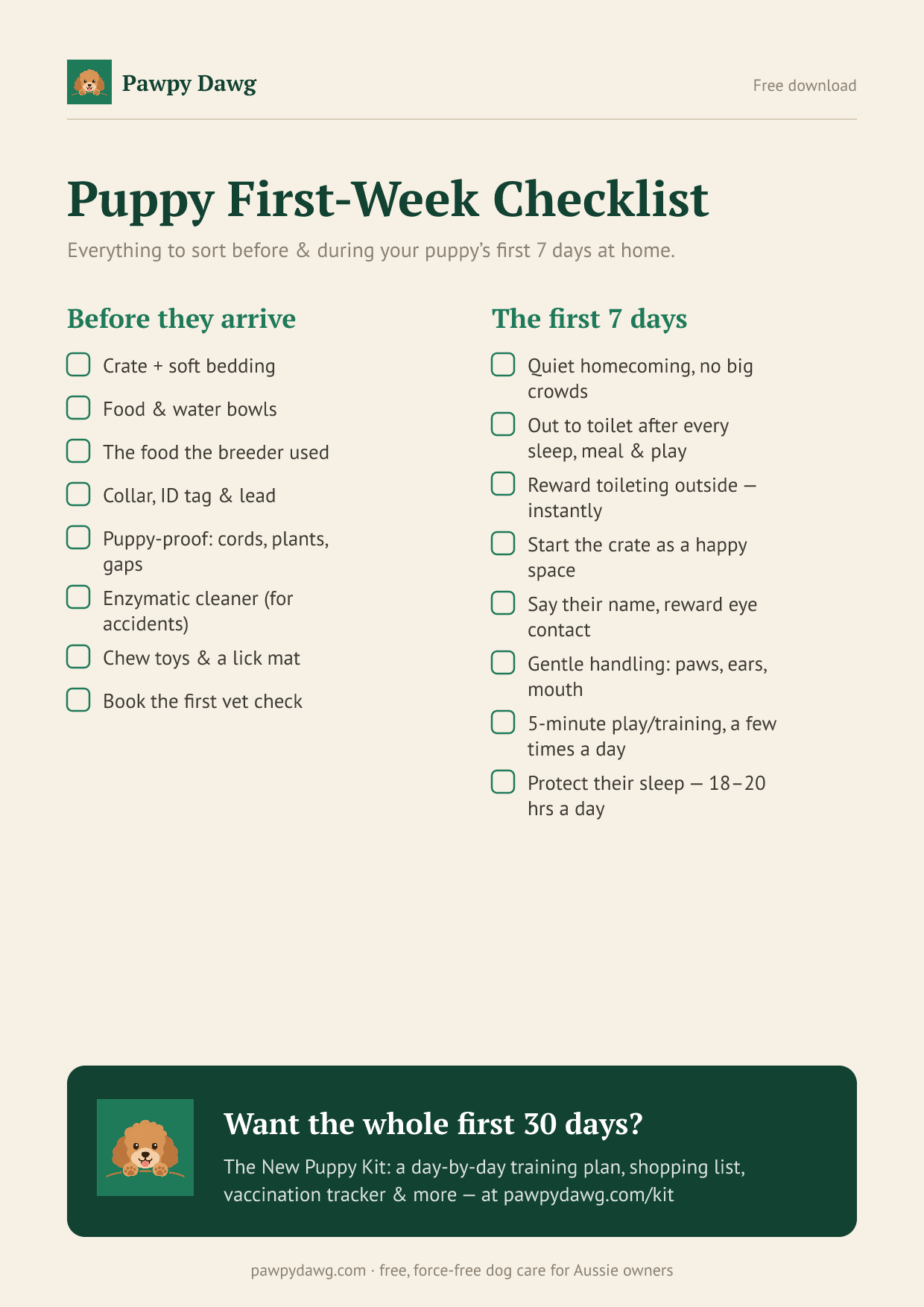
Free printable
Free: the Puppy First-Week Checklist
Everything to sort before and during your puppy's first 7 days home — a printable one-pager. Plus the occasional genuinely useful dog tip. No spam, unsubscribe anytime.
Related guides
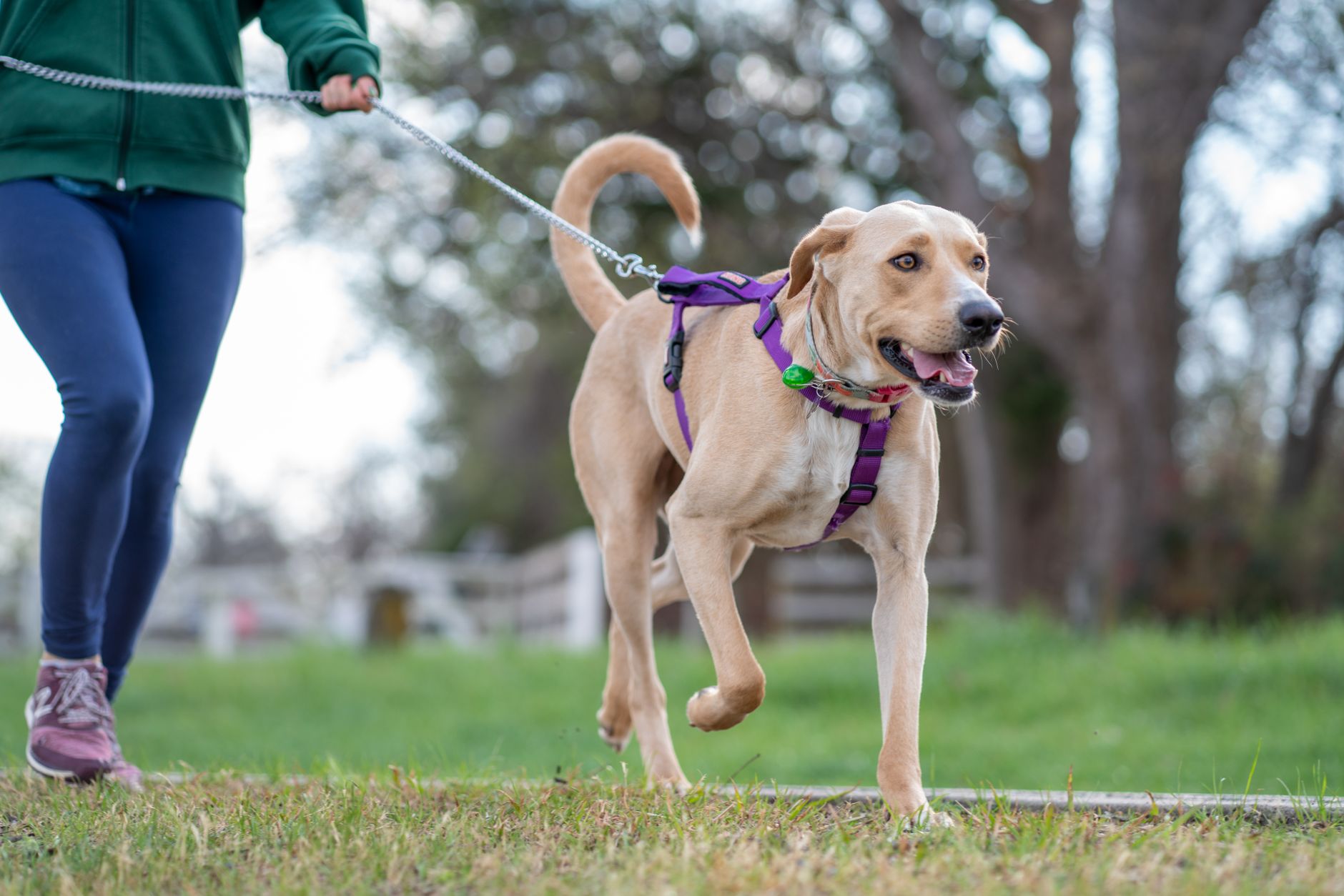
How to Stop a Staffordshire Bull Terrier Pulling on the Lead (Step-by-Step)
Tired of your Staffy dragging you down the street? Here's a practical, step-by-step positive-reinforcement plan to stop a Staffordshire Bull Terrier pulling on the lead.
Read the guide →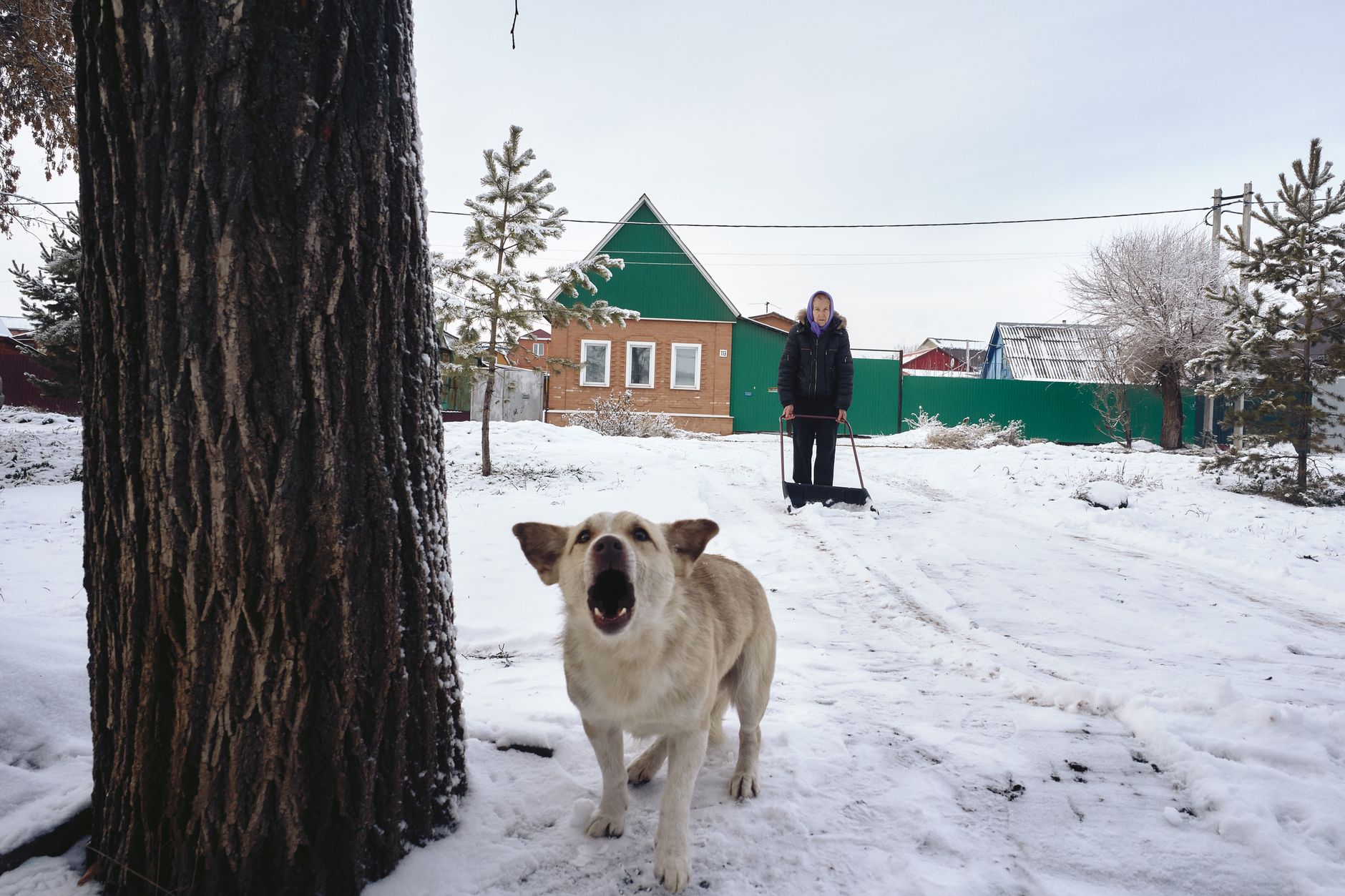
How to Stop a Staffordshire Bull Terrier Barking at Strangers (Step-by-Step)
Staffordshire Bull Terrier barking at strangers? A practical, positive-reinforcement plan with daily 5-min sessions, realistic timelines & when to get pro help.
Read the guide →
Staffordshire Bull Terrier Separation Anxiety: A Step-by-Step Fix
Staffordshire Bull Terrier separation anxiety is common and fixable. Get a realistic, step-by-step positive-reinforcement plan you can start today — no 60-min sessions needed.
Read the guide →