
How to Toilet Train a Labrador Retriever: A Realistic Plan
Master Labrador Retriever toilet training with this step-by-step positive-reinforcement guide. Realistic timelines, common mistakes, and when to call a pro.

Written by Bradley Brown
Founder & editor · Reviewed 2026-06-30
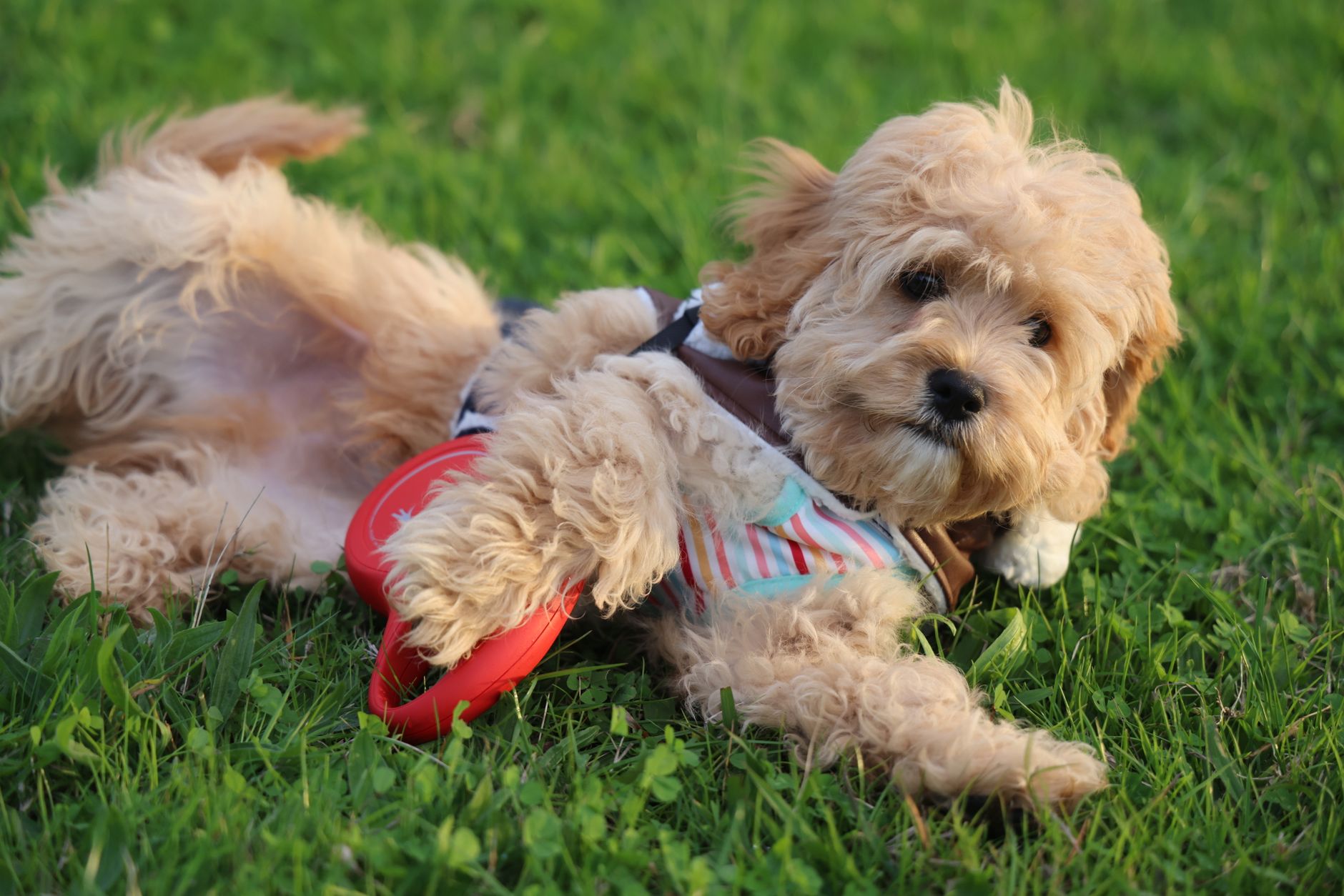
Labradors are eager to please and highly food-motivated, which makes toilet training surprisingly straightforward — if you're consistent. Most owners run into trouble not because their dog is stubborn, but because the human side of the equation is inconsistent. This guide gives you a clear, repeatable system so your Lab knows exactly where to go and why it's worth their while.
What to Expect: Realistic Timelines
A healthy Labrador puppy can typically hold their bladder for roughly one hour per month of age, up to a maximum of about four to five hours. That means:
- 8 weeks old – needs a toilet trip every 60–90 minutes during waking hours
- 12 weeks old – can usually last 2–3 hours
- 16–20 weeks old – starting to get reliable, but still needs supervision
- 6 months+ – most Labs are largely toilet trained, with occasional accidents
Full reliability — including overnight — usually takes four to six months of consistent work. If your adult Lab is still having accidents, skip to the troubleshooting section below.
Step-by-Step Toilet Training Plan
Step 1: Choose One Toilet Spot and Stick to It
Pick a specific patch of your yard and take your dog there every single time. The consistent smell of previous visits acts as a cue. Avoid rotating between multiple areas early on — it muddies the signal.
Step 2: Build a Predictable Routine
Take your Lab to the toilet spot at these key moments:
- Immediately after waking (morning and naps)
- Within 10–15 minutes of every meal
- After play sessions
- Before being left alone
- Before bedtime
Puppies rarely go on command at first — give them 3–5 minutes of sniffing around. If nothing happens, bring them inside and watch them closely, then try again in 10–15 minutes.
Step 3: Reward the Moment They Finish
Timing is everything. Mark the behaviour with a calm "yes!" or a click the instant they finish toileting, then immediately deliver a high-value treat. Do this outside, before you head back in. If you wait until you're back inside, the reward is too disconnected from the behaviour.
What counts as high-value for a Lab? Small pieces of cooked chicken, cheese, or a commercial treat they don't get at other times.
Step 4: Manage the Indoor Environment
Supervision and confinement prevent accidents from becoming habits. Use a combination of:
- Active supervision – keep your puppy in the same room as you, on a houseline if needed
- A crate or puppy pen – dogs naturally avoid soiling their sleeping area; a correctly sized crate (just big enough to stand, turn, and lie down) leverages this instinct
- Baby gates – restrict access to carpeted rooms until your dog is reliable
Never use the crate as punishment. It should be a neutral or positive space.
Step 5: Handle Accidents the Right Way
If you catch your dog mid-accident, a calm, neutral "ah-ah" and a quick trip outside is all you need. Do not scold, yell, or rub their nose in it. Those approaches don't teach your dog where to go — they teach your dog to be afraid of toileting in front of you, which makes training harder.
If you find an accident after the fact, say nothing to your dog. Clean it up with an enzymatic cleaner (available at most Australian pet stores for around $10–$20) to eliminate the odour that would otherwise attract repeat visits.
Common Mistakes That Slow Progress
| Mistake | Why It Stalls Training | Fix |
|---|---|---|
| Punishing accidents after the fact | Dog can't connect the punishment to the act | Clean up quietly, improve supervision |
| Giving too much freedom too soon | Accidents become a habit | Earn freedom gradually, room by room |
| Inconsistent toilet spot | Mixed signals slow learning | One spot until reliably trained |
| Skipping rewards once it "seems like they get it" | Reinforcement builds the habit | Keep rewarding for at least 4–6 weeks of reliability |
| Using ammonia-based cleaners on accidents | Smells like urine, attracts the dog back | Always use enzymatic cleaner |
| Expecting too much too fast | Accidents are normal — not defiance | Adjust expectations to the dog's age |
Troubleshooting: When Your Lab Keeps Having Accidents
If your puppy is going more frequently than expected, rule out a urinary tract infection (UTI). UTIs are common in young dogs and cause urgency they can't control. A vet check is quick and inexpensive — usually under $80 for a consult and urine test at most Australian clinics.
If your previously trained adult Lab suddenly starts having accidents, this is almost always a medical issue (UTI, kidney disease, diabetes, spinal problems) or a significant anxiety trigger, not a training regression. See your vet first before revisiting training.
If your dog asks to go out but then doesn't toilet, they may be using the trip as attention-seeking behaviour. Keep outdoor toilet trips calm and businesslike — save the play and affection for after they've performed.
If your dog toilets in their crate, the crate may be too large, or they may have been confined for longer than they can hold on. Resize the crate or add a divider panel.
Toilet Training an Adult or Rescue Labrador
Adult Labs coming from shelters or interstate breeders often have no established indoor toilet rules. Treat them exactly like a puppy: start from scratch with the same routine, supervision, and reward system. The good news is that adult dogs have better bladder control, so progress is usually faster — many adult rescues are reliable within two to four weeks.
When to Get Professional Help
Most Labrador toilet training is a management and consistency issue that owners can resolve themselves. Consider calling a qualified trainer (look for a member of the Pet Professional Guild Australia or APDT Australia) if:
- Your dog is six months or older and showing no improvement despite consistent training
- There is significant anxiety involved (fearful toileting, destruction when alone)
- You've ruled out medical causes and accidents are still happening multiple times daily
A good trainer won't just watch your dog — they'll observe your routine and identify exactly where the gap is. One or two sessions is often all it takes.
Quick-Reference Checklist
Use this daily until your Lab is reliable:
- Toilet trip within 5 minutes of waking
- Toilet trip 10–15 minutes after every meal
- Toilet trip after every play session
- Reward outside the moment toileting finishes
- Supervise or confine when you can't watch
- Clean any accidents with enzymatic cleaner
- Log accidents to spot patterns (time of day, location)
Consistency beats intensity every time. A month of doing this properly will save you months of frustration later.
As an Amazon Associate we earn from qualifying purchases.
Frequently asked questions
How long does it take to toilet train a Labrador Retriever?
Most Labrador puppies become largely reliable by five to six months of age with consistent training, though full reliability — including overnight — can take until six months or beyond. Adult Labs adopted as rescues often become reliable indoors within two to four weeks because they already have better bladder control than puppies.
How often should I take my Labrador puppy outside to toilet?
A general rule is one hour per month of age — so an eight-week-old puppy needs a trip every 60–90 minutes during waking hours. Always take your puppy out immediately after waking, within 15 minutes of eating, and after play. As they get older and more reliable, you can gradually increase the time between trips.
My Labrador keeps toileting in the same spot inside. How do I stop it?
Dogs return to spots that smell like previous accidents, so the first step is a thorough clean with an enzymatic cleaner, not a standard household cleaner or anything ammonia-based. Once the odour is neutralised, increase supervision in that area and take your dog to their designated outdoor spot more frequently to reinforce the correct location.
Should I use puppy pads when toilet training a Labrador?
Puppy pads can be useful in high-rise apartments or for very young puppies in cold climates, but they add an extra step — teaching the dog to go on a pad and then later transitioning outside. If you have outdoor access, going straight to an outdoor toilet spot is simpler and faster. If you do use pads, gradually move them closer to the door and then outside over several weeks.
Is it okay to scold my Labrador for having an accident inside?
No. Scolding or rubbing a dog's nose in an accident does not help them understand where to go — it teaches them to toilet out of your sight to avoid punishment, which makes training harder. If you catch them mid-accident, calmly interrupt and take them outside. If you find an accident after the fact, clean it up without any reaction directed at your dog.
My adult Labrador was toilet trained but has started having accidents again. What's wrong?
A sudden regression in a previously trained adult dog is almost always a medical issue — urinary tract infections, kidney problems, diabetes, and spinal conditions can all cause loss of bladder or bowel control. Book a vet appointment before assuming it's a training or behaviour problem. If the vet gives a clean bill of health, then consider whether there has been a significant change in routine or a new anxiety trigger.
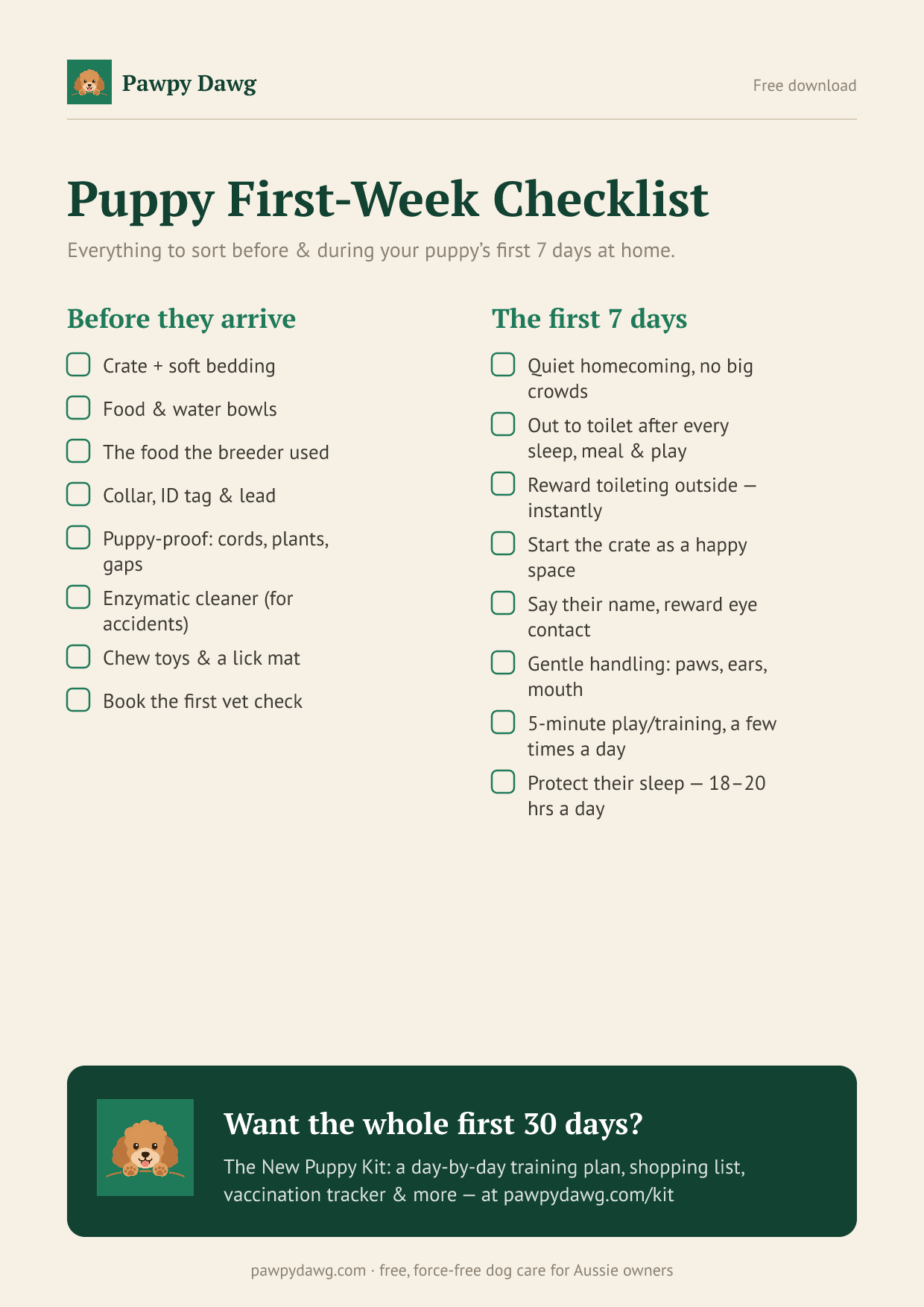
Free printable
Free: the Puppy First-Week Checklist
Everything to sort before and during your puppy's first 7 days home — a printable one-pager. Plus the occasional genuinely useful dog tip. No spam, unsubscribe anytime.
Related guides
How to Stop a Labrador Retriever Pulling on the Lead (Step-by-Step)
Tired of being dragged around the block? Here's a step-by-step positive-reinforcement plan to stop your Labrador Retriever pulling on the lead — with real timelines.
Read the guide →
How to Stop a Labrador Retriever Barking at Strangers (Step-by-Step)
Stop your Labrador Retriever barking at strangers with this step-by-step positive-reinforcement plan. Realistic timelines, common mistakes & when to call a pro.
Read the guide →
Labrador Retriever Separation Anxiety: A Step-by-Step Fix
Labrador Retriever separation anxiety is fixable. Follow this positive-reinforcement step-by-step plan, avoid common mistakes, and know when to call a pro.
Read the guide →