
Labrador Retriever Separation Anxiety: A Step-by-Step Fix
Labrador Retriever separation anxiety is fixable. Follow this positive-reinforcement step-by-step plan, avoid common mistakes, and know when to call a pro.

Written by Bradley Brown
Founder & editor · Reviewed 2026-06-30
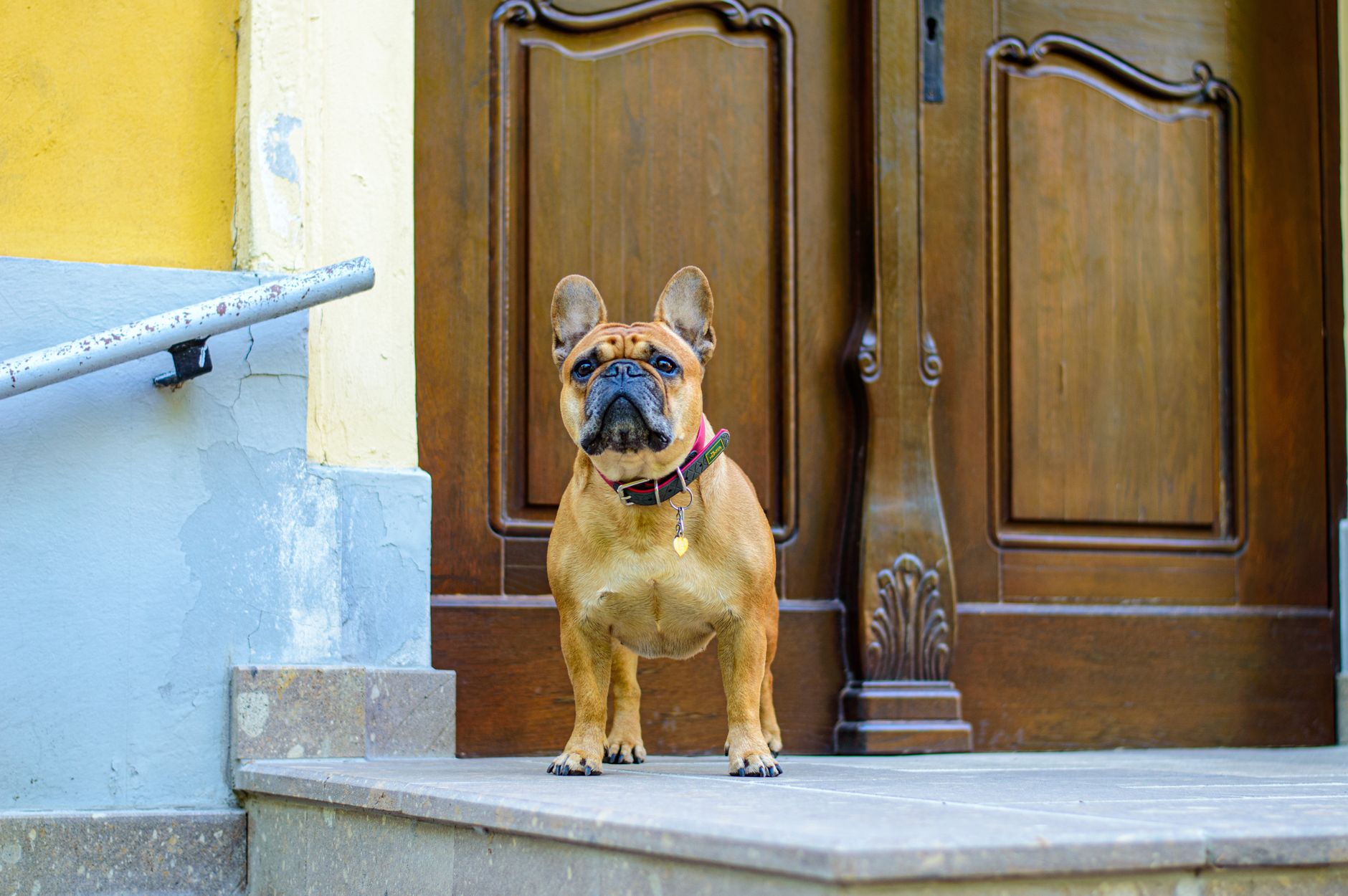
Labradors were bred to work alongside people all day. That cooperative nature is exactly what makes them such rewarding companions — and exactly why being left alone can unravel them. Separation anxiety in Labs isn't a personality flaw or a training failure; it's a genuine stress response. The good news: it responds well to a structured, patient desensitisation plan. Here's how to do it properly.
What Separation Anxiety Actually Looks Like
Before you start treating it, make sure you're dealing with true separation anxiety rather than boredom or under-exercise (which have similar symptoms but different fixes).
Signs that point to genuine separation anxiety:
- Destructive behaviour that starts within the first 20–30 minutes of you leaving
- Vocalising (howling, barking) triggered specifically by departure cues — grabbing keys, putting on shoes
- Toileting indoors despite being fully house-trained
- Pacing, drooling, or refusing food before you leave
- Frantic, prolonged greeting when you return
A quick way to confirm it: set up a cheap camera or use a phone on video call and watch what your dog does in the first 30 minutes after you leave. If the distress starts immediately, that's your answer.
Step 1: Meet the Physical Needs First
No behaviour plan works on a dog running on empty. Before any desensitisation, make sure your Lab:
- Gets at least 45–60 minutes of aerobic exercise before a planned absence (a proper run or fetch session, not just a stroll)
- Has been fed and toileted
- Has access to water and a comfortable rest spot
A tired Lab is a calmer Lab — but exercise alone won't cure separation anxiety. Think of it as lowering the baseline so the rest of the plan can work.
Step 2: Practise Departure Cues Without Leaving
Labradors with separation anxiety often start panicking before you even walk out the door. They've learnt that picking up keys = abandonment. Break that association by decoupling the cues from actual departures.
How to do it:
- Pick up your keys, then sit back down and watch TV. Repeat 10–15 times across a day.
- Put on your shoes, then make a cup of tea. Don't leave.
- Pick up your bag, walk to the door, turn around, and come back.
- Reward calm behaviour with a low-key treat or a quiet "good dog."
Do this daily for one to two weeks before moving on. You're not trying to trick your dog — you're changing what those cues predict.
Step 3: Build Absences from Seconds to Hours (The Core Work)
This is the heart of the plan. The goal is to leave and return before your dog reaches distress — then gradually extend the duration. This is called systematic desensitisation.
The process:
- Start tiny. Step outside, close the door, count to five, come back in. Completely ignore your dog for 30 seconds on return (no big hellos — that raises the stakes of your departures).
- Build in small increments. 5 seconds → 15 seconds → 30 seconds → 1 minute → 3 minutes → 5 minutes, and so on. Progress is not linear; some days you'll need to go backwards.
- Vary the duration. Don't only make absences longer. Mix in short ones so your dog can't predict exactly how long you'll be gone.
- Do multiple short sessions per day rather than one long push. Two to four sessions of five to ten minutes each is more effective than one marathon session.
Realistic timeline:
| Stage | Typical duration |
|---|---|
| Departure cue desensitisation | 1–2 weeks |
| Building absences to 10 minutes | 2–4 weeks |
| Building absences to 1 hour | 4–8 weeks |
| Building to a full work day | 3–6 months |
These are averages. A dog with mild anxiety may move faster; a dog with severe anxiety may need longer — or professional support (see below).
Step 4: Use a Safe Space, Not Confinement as Punishment
A crate or pen can help — but only if your Lab already has a positive association with it. Locking an anxious dog in a crate they haven't been conditioned to accept will make things significantly worse.
Building a positive confinement area:
- Feed meals in the crate or pen
- Toss high-value treats in randomly throughout the day
- Let your dog choose to go in; don't force it
- Use a cue like "settle" paired with entry, so they have a clear signal
A stuffed frozen Kong or a lick mat given only during absences can create a positive association with you leaving. Use something your Lab goes mad for — peanut butter, wet food, or a mix of both. Once the absence is over, the Kong goes away. It becomes an "absence-only" treat.
Step 5: Avoid These Common Mistakes
| Mistake | Why it backfires |
|---|---|
| Big dramatic goodbyes | Signals that leaving is a big deal; raises anxiety |
| Returning to a distressed dog and comforting immediately | Inadvertently rewards the distress state |
| Progressing too fast | Pushes past the dog's threshold; sets progress back |
| Using punishment for destructive behaviour | Increases anxiety; doesn't address the cause |
| Relying solely on exercise | Necessary but not sufficient on its own |
| Only practising on weekends | Inconsistency slows progress significantly |
When to Get Professional Help
Some dogs have anxiety severe enough that behaviour modification alone won't get them there without additional support. Talk to your vet if:
- Your dog injures itself trying to escape (broken nails, damaged teeth on crates, cuts from doors or windows)
- There's been no measurable progress after six to eight weeks of consistent work
- The anxiety is worsening despite your efforts
Your vet may refer you to a veterinary behaviourist (a specialist vet with post-graduate training in behaviour) or prescribe medication. Anti-anxiety medication — commonly fluoxetine or clomipramine in dogs — doesn't sedate your Lab; it reduces the neurological baseline of anxiety so behaviour modification can actually work. Think of it as lowering the volume so your dog can hear the lesson. In Australia, expect a veterinary behaviourist consultation to start around $300–$500 AUD, though outcomes are generally excellent.
A certified applied animal behaviourist or a vet-referred trainer experienced in separation anxiety (look for the acronym IAABC or a Delta-endorsed trainer) can also design a customised plan and coach you through it.
Keeping Progress Going
Once your Lab is reliably comfortable alone for several hours, don't assume the work is done permanently. Major life changes — moving house, a new baby, a family member leaving — can cause a relapse. If you notice early signs creeping back, restart the desensitisation process from a shorter duration; you won't need to start from scratch, and recovery is usually much faster the second time around.
Consistency, patience, and a willingness to move at your dog's pace rather than yours will get you there.
As an Amazon Associate we earn from qualifying purchases.
Frequently asked questions
How long does it take to fix separation anxiety in a Labrador?
Mild cases can show significant improvement in four to eight weeks with daily desensitisation work. Severe separation anxiety can take three to six months or longer. Progress depends on the dog's starting level of distress, how consistently the plan is applied, and whether additional support like medication is used.
Can I use a crate to help my Lab with separation anxiety?
A crate can help, but only if your Lab has been properly conditioned to see it as a safe, comfortable space — not a place of confinement. An anxious dog forced into a crate can injure itself trying to escape. Build positive associations gradually before relying on it during absences.
Should I get a second dog to keep my Labrador company?
Getting a second dog rarely resolves separation anxiety, because true separation anxiety is about the dog's distress at being separated from their human attachment figure, not just being alone. A second dog may help in some cases of isolation distress, but it won't fix genuine separation anxiety and adds significant responsibility and cost.
Is separation anxiety in Labradors caused by bad training or over-attachment?
Not exactly. Separation anxiety has a neurological component — it's essentially a panic response — and is influenced by genetics, early socialisation, and life history. Labradors are particularly prone due to their people-focused breeding. While certain owner behaviours can inadvertently reinforce it, it's not a sign of a poorly trained or 'spoilt' dog.
Can anxiety medication help my Labrador, and is it safe?
Yes. Medications such as fluoxetine or clomipramine are commonly prescribed by vets for dogs with moderate to severe separation anxiety. They're not sedatives — they reduce the underlying anxiety enough for behaviour modification to be effective. They're considered safe for long-term use under veterinary supervision and are often tapered off once the dog has learnt new coping skills.
What's the difference between separation anxiety and boredom in Labradors?
Boredom-based destructive behaviour tends to happen throughout the absence and is often directed at items with interesting smells or textures. Separation anxiety typically peaks in the first 20–30 minutes, is accompanied by vocalising and stress signals, and often involves the dog targeting exits like doors and windows. Setting up a camera to observe your dog shortly after you leave is the most reliable way to tell the difference.
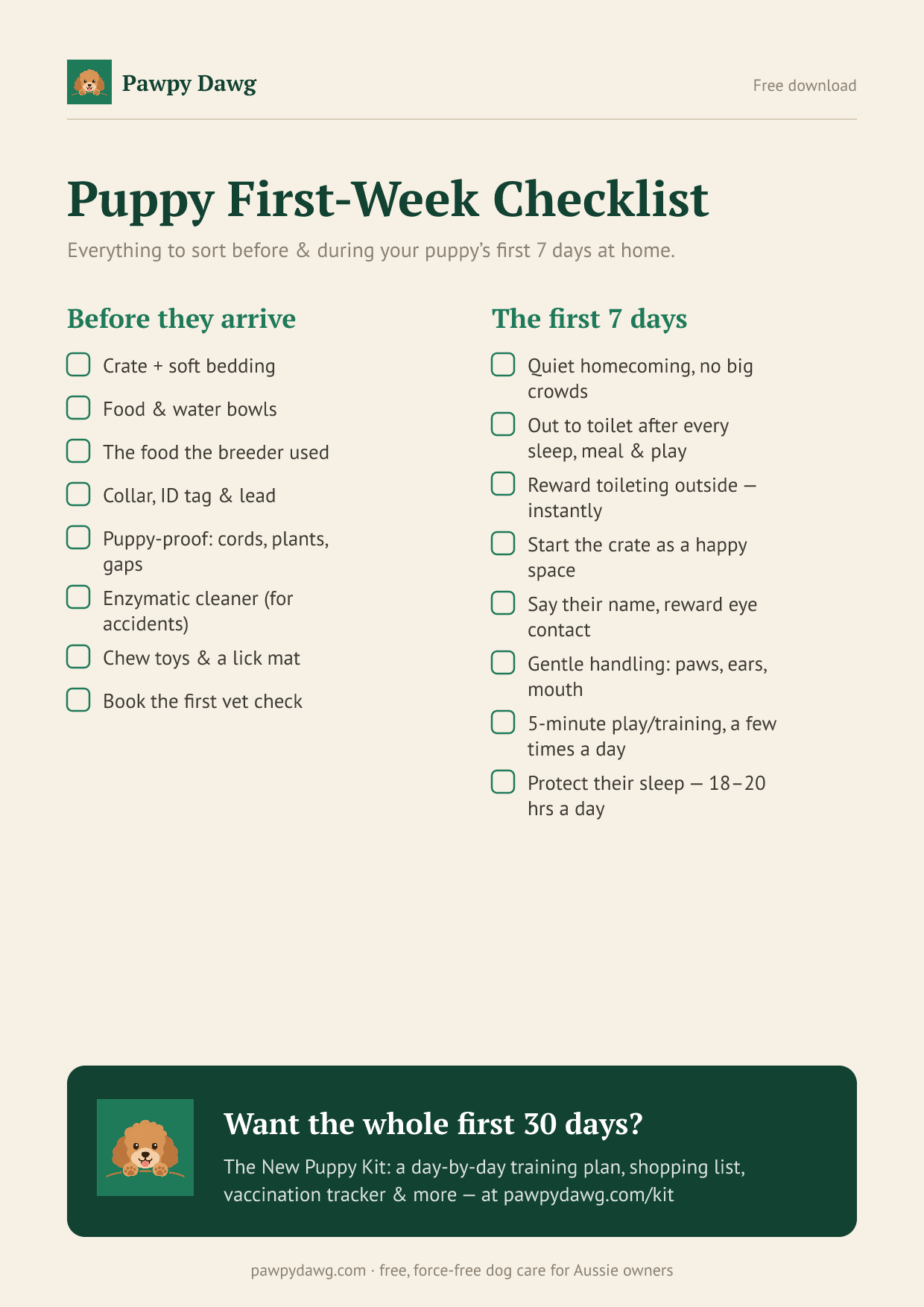
Free printable
Free: the Puppy First-Week Checklist
Everything to sort before and during your puppy's first 7 days home — a printable one-pager. Plus the occasional genuinely useful dog tip. No spam, unsubscribe anytime.
Related guides
How to Stop a Labrador Retriever Pulling on the Lead (Step-by-Step)
Tired of being dragged around the block? Here's a step-by-step positive-reinforcement plan to stop your Labrador Retriever pulling on the lead — with real timelines.
Read the guide →
How to Stop a Labrador Retriever Barking at Strangers (Step-by-Step)
Stop your Labrador Retriever barking at strangers with this step-by-step positive-reinforcement plan. Realistic timelines, common mistakes & when to call a pro.
Read the guide →
How to Stop a Labrador Retriever Jumping Up on People (Step-by-Step)
Stop your Labrador Retriever jumping up on people with this step-by-step positive-reinforcement plan. Realistic timelines, common mistakes & when to get pro help.
Read the guide →