
How to Stop a Labrador Retriever Barking at Strangers (Step-by-Step)
Stop your Labrador Retriever barking at strangers with this step-by-step positive-reinforcement plan. Realistic timelines, common mistakes & when to call a pro.

Written by Bradley Brown
Founder & editor · Reviewed 2026-06-30
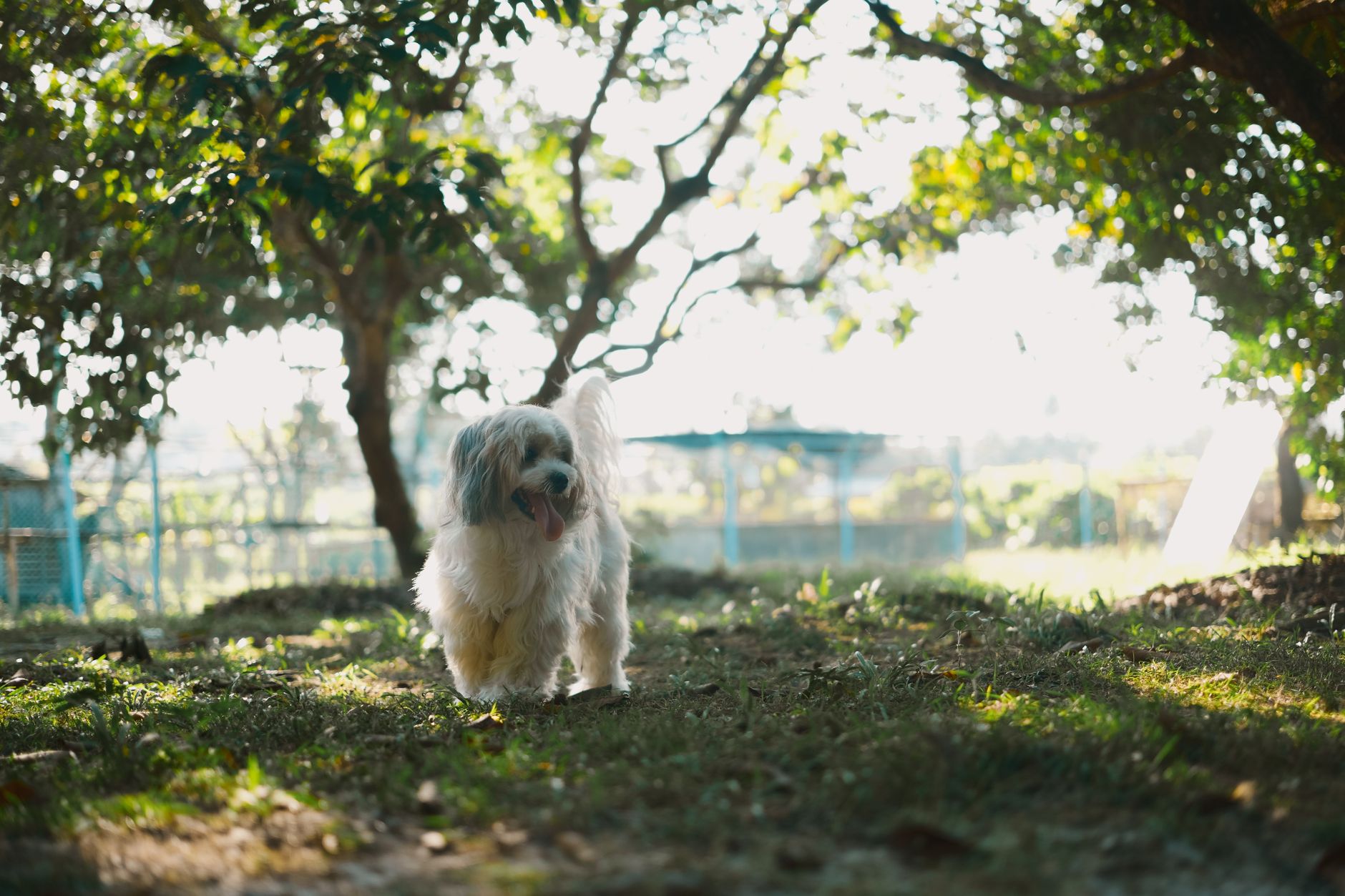
Labradors are famously sociable, but that doesn't make every Lab immune to barking at strangers. Whether your dog erupts at the front door, lunges and woofs at passersby on the footpath, or kicks off every time a visitor sits down, the behaviour is frustrating — and fixable. The good news: Labs are highly food-motivated and eager to please, which makes them excellent candidates for positive-reinforcement training. Here's a realistic, step-by-step plan.
Why Labradors Bark at Strangers
Before you can change the behaviour, you need to understand what's driving it. Barking at strangers usually falls into one of three categories:
- Alert/territorial barking – "There's someone here! Pay attention!" Common in Labs who've inadvertently been rewarded for it (the stranger leaves, bark = success).
- Fear or uncertainty – Under-socialised dogs, or those with a negative past experience, may bark as a distance-increasing signal.
- Frustration/excitement – Some Labs are so desperate to greet strangers that the excitement overflows into barking.
The training approach is broadly the same for all three, but fearful dogs may need a slower, more careful progression — and sometimes professional support.
Step 1: Set a Realistic Baseline (Week 1)
Don't jump straight into training without knowing what you're dealing with.
- Note the triggers. Does your Lab bark only at the door, or also on walks, in the car, at the vet?
- Rate the intensity. A quick woof and then calm is very different from sustained, frantic barking with hackles up.
- Identify the distance threshold. How close does a stranger need to be before barking starts? This is your threshold distance — you'll be working below it throughout early training.
Keep a brief log for 5–7 days. It takes five minutes and will save you weeks of guesswork.
Step 2: Remove Unintentional Rewards (Immediately)
Every time your Lab barks and the stranger moves away, the behaviour is reinforced. Audit your environment:
- Block window access to the street if your dog barks at foot traffic from inside. A frosted window film costs around $30–$60 AUD and works immediately.
- Stop shouting "quiet!" — to your dog, your raised voice sounds like you're joining in.
- Don't open the door mid-bark. Wait for even a two-second pause, then open it.
This step alone won't train the dog, but it stops you accidentally making the problem worse.
Step 3: Teach a Solid "Look at Me" Cue (Week 1–2)
This is the foundation skill you'll use in all real-world situations.
- Hold a treat at your dog's nose, then slowly move it up to the bridge of your own nose.
- The moment your dog makes eye contact, mark with "yes!" and reward.
- Add the verbal cue "watch" just before they look up.
- Practise 10–15 repetitions, twice a day, in a quiet room with zero distractions.
- Gradually practise in more distracting environments — backyard, driveway, quiet street — before attempting it near strangers.
Your goal: a dog that snaps their attention to your face on a single cue, even when something interesting is happening nearby.
Step 4: Counter-Conditioning Below Threshold (Weeks 2–4)
Counter-conditioning means changing how your dog feels about strangers, not just what they do.
The protocol:
- Position yourself at your dog's threshold distance (where they notice strangers but haven't barked yet).
- The moment your dog sees a stranger, feed high-value treats — roast chicken, cheese, fritz — continuously until the stranger is gone.
- When the stranger disappears, the treats stop. "Stranger appears = good things happen" is the association you're building.
- Keep sessions short (5–10 minutes). End on success.
Critical rule: If your dog barks, you've gone too close, too fast. Move further away and try again. Progress is not linear — expect setbacks on bad days.
Step 5: Add the "Look at Me" Cue to Real Situations (Weeks 3–6)
Once your Lab is reliably noticing strangers without barking at your threshold distance, layer in the cue:
- Stranger appears → you say "watch" → dog looks at you → jackpot reward.
- Practise this on-leash walks, at the park, and outside cafés.
- Gradually reduce the threshold distance as your dog stays calm, a metre or two at a time.
Do not rush this stage. Moving too quickly is the most common reason training stalls.
Step 6: Train an Incompatible Behaviour at the Door (Weeks 3–6)
For door-barking specifically, "go to your place" is the most practical solution.
- Teach a mat or bed as a reinforced station (reward your dog heavily for lying on it during low-distraction times).
- Begin cueing "go to your place" before opening the door, rewarding heavily for compliance.
- Have a helper knock while you send your dog to the mat, then reward a calm hold position before any greetings happen.
- Once on the mat, let the dog sniff and greet — calm greetings are fine and reinforce that strangers aren't a threat.
Common Mistakes to Avoid
| Mistake | Why It Backfires |
|---|---|
| Shouting or physical corrections | Increases arousal and can worsen fear-based barking |
| Flooding (forcing close contact) | Causes panic and damages trust |
| Inconsistent rules (sometimes allowed to bark) | Dogs struggle to learn when rules shift |
| Training only at home | Skills need to be practised where the problem actually occurs |
| Expecting overnight results | Realistic timelines are 4–12 weeks of consistent work |
| Using a bark collar as a shortcut | Suppresses behaviour without addressing the cause; can increase anxiety |
Realistic Timelines
Most Labs with mild to moderate stranger-barking show meaningful improvement within 4–8 weeks of consistent daily training (10–15 minutes per day). Severe cases — particularly those rooted in fear or a history of poor socialisation — can take 3–6 months, and some dogs benefit from ongoing management strategies even after significant improvement.
Consistency is the variable that matters most. Three short sessions a day beats one long weekend session every time.
When to Get Professional Help
Some situations warrant calling in a qualified trainer or veterinary behaviourist:
- Barking is accompanied by lunging, snapping, or growling — this is now in aggression territory and needs professional assessment.
- The behaviour is getting worse despite weeks of consistent training.
- Your dog shows clear fear signals (tucked tail, cowering, whale eye) alongside barking.
- The barking is causing significant anxiety for the dog between triggers (pacing, panting, vigilance).
Look for trainers who use force-free or positive-reinforcement methods and hold accreditation through the Pet Professional Guild Australia or Delta Society Australia. A good initial consult typically costs $150–$300 AUD and is worth every cent if you've been struggling for months.
A Quick-Reference Training Checklist
- Trigger log completed (5–7 days)
- Environmental management in place (window film, door protocol)
- "Watch" cue reliable indoors
- "Watch" cue reliable in low-distraction outdoor setting
- Counter-conditioning sessions started at threshold distance
- "Go to your place" taught and reinforced
- Training transferred to real-world trigger locations
- Progress reviewed at 4-week mark
Stick to this sequence and you're working with your dog's nature, not against it. Labs want to get things right — your job is simply to show them what right looks like.
Frequently asked questions
How long does it take to stop a Labrador Retriever barking at strangers?
Most Labs with mild to moderate barking show clear improvement within 4–8 weeks of consistent positive-reinforcement training. Fear-based or deeply ingrained cases can take 3–6 months. Daily short sessions (10–15 minutes) produce faster results than infrequent long ones.
Why does my Labrador bark at strangers when Labs are supposed to be friendly?
Even sociable breeds can develop stranger-barking through under-socialisation, accidental reinforcement (the stranger leaves, so barking 'worked'), or a single negative experience. In some Labs, it's pure excitement that overflows into barking rather than fear or aggression.
Is it okay to use a bark collar on a Labrador to stop barking at strangers?
Most veterinary behaviourists advise against bark collars for stranger-directed barking because they suppress the symptom without addressing the underlying cause — fear, excitement, or habit. In fearful dogs, punishment-based devices can increase anxiety and sometimes escalate the behaviour. Positive-reinforcement training produces more durable results.
My Lab only barks at strangers at the front door — why not on walks?
The front door is a high-arousal, territorial zone for many dogs. The enclosed space, the sudden knock or doorbell, and the anticipation of someone entering the home combine to spike excitement or alertness. Teaching a 'go to your place' behaviour and a calm door-greeting protocol specifically targets this context.
Should I socialise my adult Labrador with strangers to stop the barking?
Yes, but carefully. Forcing close contact before your dog is ready (known as flooding) can make things worse. Instead, use controlled counter-conditioning — exposing your dog to strangers at a distance where they stay calm, paired with high-value treats, and gradually closing the gap over multiple sessions.
When should I see a vet about my Labrador's barking at strangers?
See your vet if the barking is accompanied by growling, snapping, or lunging, if your dog shows signs of generalised anxiety, or if the behaviour has appeared suddenly in a previously calm adult dog (sudden behavioural changes can have a medical component). Your vet can also refer you to a veterinary behaviourist for complex cases.
Free printable
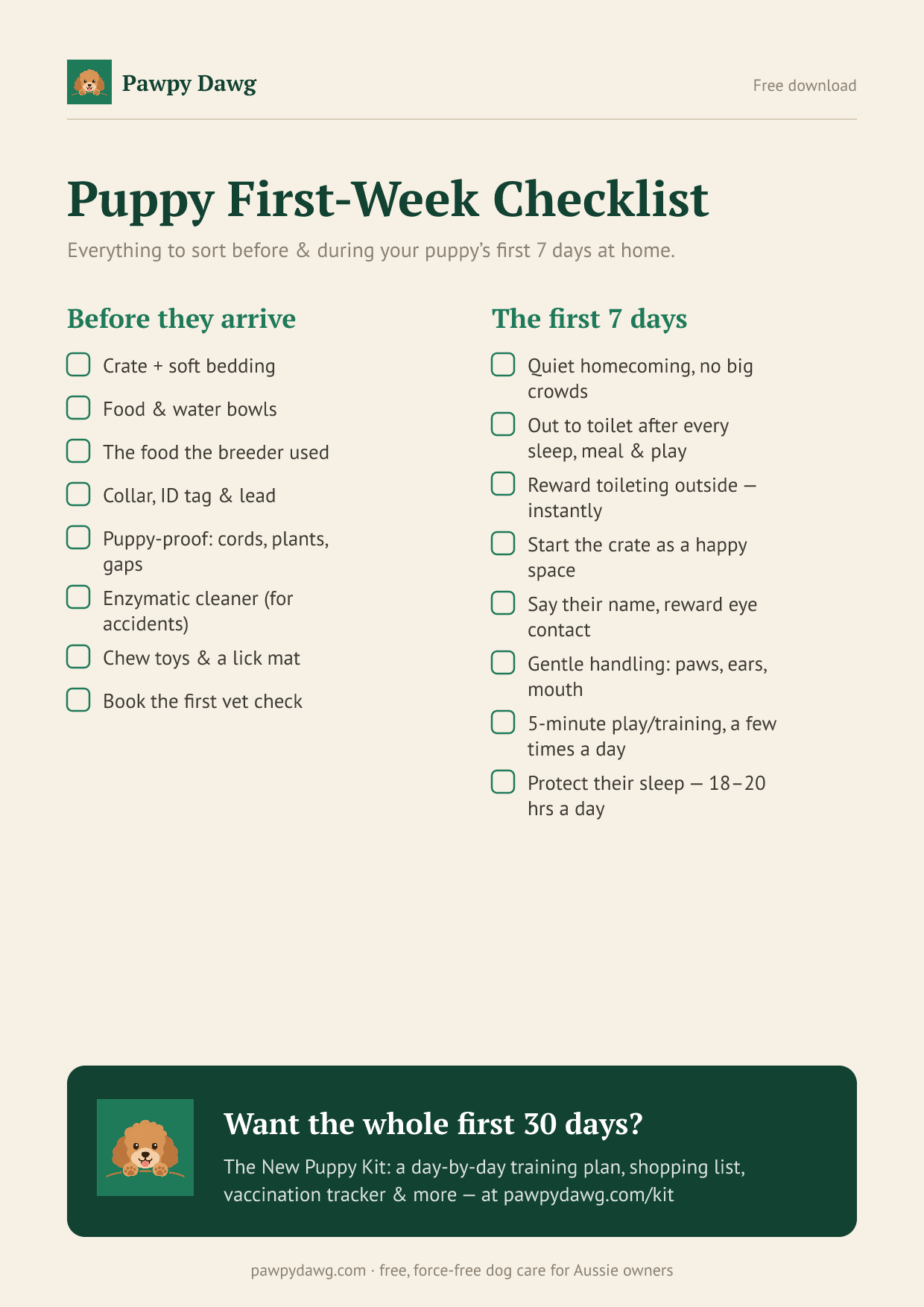
Free: the Puppy First-Week Checklist
Everything to sort before and during your puppy's first 7 days home — a printable one-pager. Plus the occasional genuinely useful dog tip. No spam, unsubscribe anytime.
Related guides
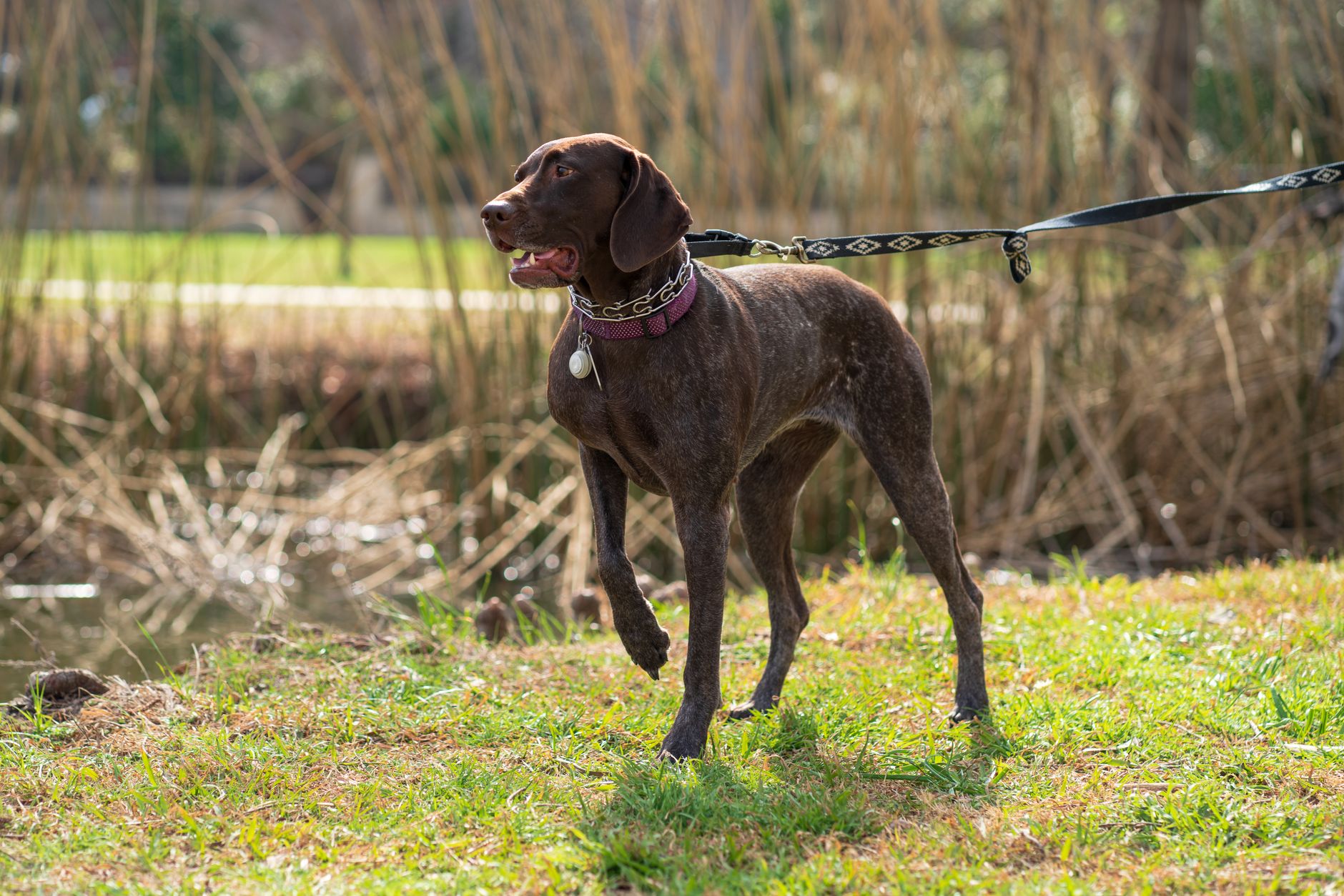
How to Stop a Labrador Retriever Pulling on the Lead (Step-by-Step)
Tired of being dragged around the block? Here's a step-by-step positive-reinforcement plan to stop your Labrador Retriever pulling on the lead — with real timelines.
Read the guide →
Labrador Retriever Separation Anxiety: A Step-by-Step Fix
Labrador Retriever separation anxiety is fixable. Follow this positive-reinforcement step-by-step plan, avoid common mistakes, and know when to call a pro.
Read the guide →
How to Stop a Labrador Retriever Jumping Up on People (Step-by-Step)
Stop your Labrador Retriever jumping up on people with this step-by-step positive-reinforcement plan. Realistic timelines, common mistakes & when to get pro help.
Read the guide →