
How to Stop a Labrador Retriever Digging Up the Yard (Step-by-Step)
Tired of your Labrador retriever digging in the yard? Follow this step-by-step positive-reinforcement plan to stop the digging for good — realistic timelines included.

Written by Bradley Brown
Founder & editor · Reviewed 2026-06-30
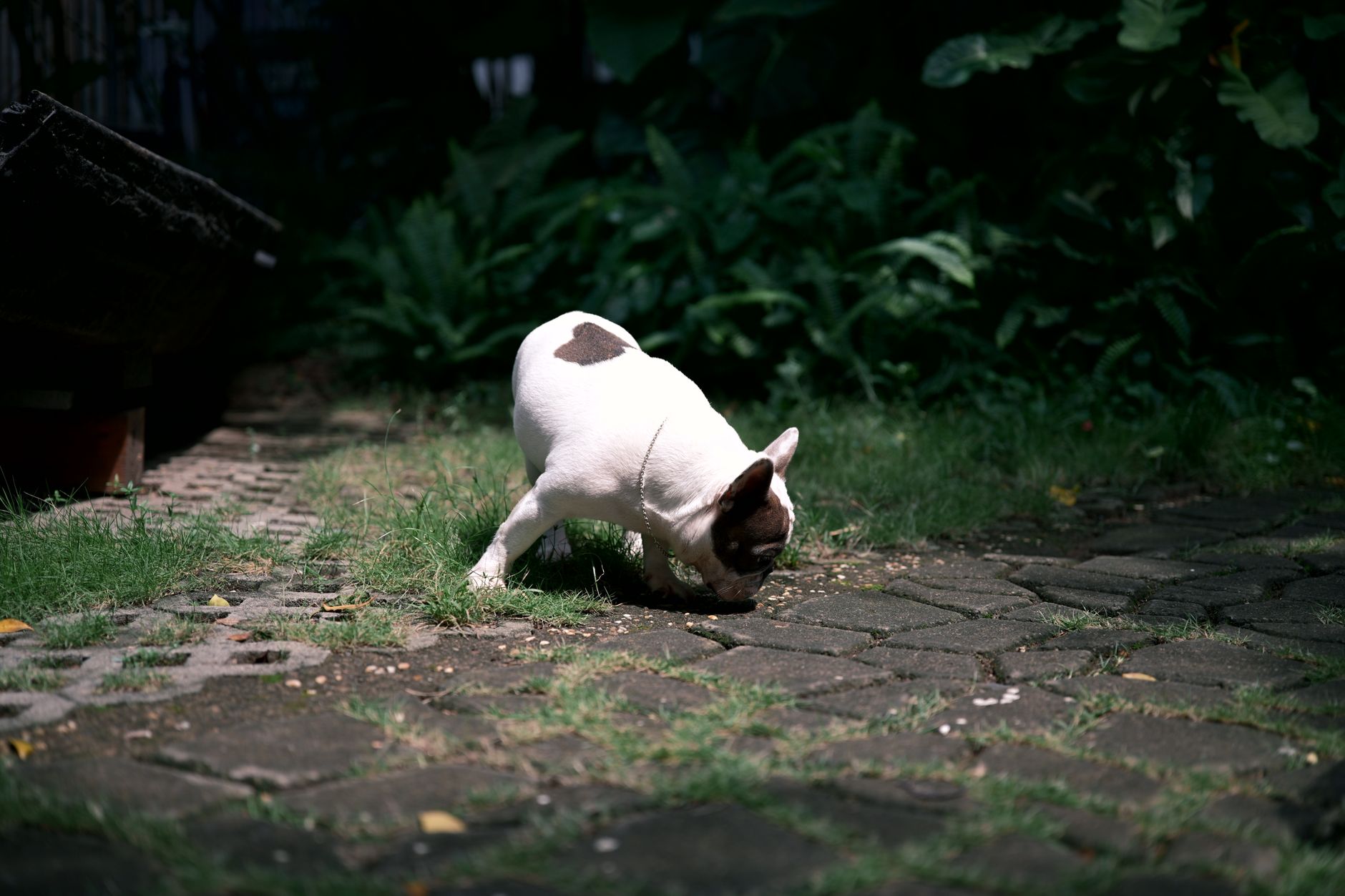
Labradors are enthusiastic diggers. It's not spite, boredom, or stubbornness — it's a dog doing what dogs do, often because nothing better is on offer. The good news is that digging is almost always fixable once you understand why it's happening and give your Lab a structured reason to stop.
This guide walks you through a practical, positive-reinforcement plan, from diagnosis to long-term maintenance.
Step 1: Work Out Why Your Lab Is Digging
Skipping this step is the single biggest mistake owners make. The fix for a bored dog is completely different from the fix for an overheated one.
Common reasons Labradors dig
| Reason | Signs to look for |
|---|---|
| Boredom / excess energy | Digging happens after long periods alone; dog is generally restless |
| Heat seeking | Holes appear in shaded spots; dog lies in the holes |
| Prey drive | Digging concentrated near fence lines, roots, or garden beds where insects/rodents are present |
| Escape attempt | Holes are always along the fence perimeter |
| Anxiety / stress | Digging paired with other anxious behaviours (barking, pacing, destructive chewing) |
| Attention seeking | Dog digs when you are watching and stops when you go inside |
| Pregnancy/nesting | Intact female, digging intensifies near whelping time |
Spend three to five days noting when, where, and how long the digging occurs. A quick log on your phone is enough. You'll likely spot a pattern within a week.
Step 2: Fix the Root Cause First
Redirecting behaviour without addressing the cause is like patching a leaking roof with tape. Here's what to do based on your diagnosis:
Boredom and excess energy (the most common cause in Labs)
- Aim for at least 60–90 minutes of aerobic exercise daily for an adult Labrador. A leisurely walk won't cut it — fetch, swimming, or off-lead running is far more effective.
- Add mental stimulation: sniff games, food puzzles, Kong toys stuffed with frozen kibble or peanut butter (xylitol-free), or short training sessions throughout the day.
- If your Lab is left alone for more than four hours, arrange a dog walker or doggy daycare a few days a week.
Heat
- Provide a cool, shaded area with fresh water and — if temperatures are high — a paddling pool or damp sand pit. A dog that is comfortable won't dig cooling holes.
Prey drive / critters
- Use pet-safe deterrents around garden beds. Check with your local council or vet before using any product.
- Address the source: if you have a possum or rat issue, deal with it so the scent stimulus disappears.
Escape attempts
- Reinforce fence lines with buried wire mesh (L-shaped footer, laid horizontally underground) or concrete footings along the base.
Separation anxiety
- This requires its own treatment plan — see Step 6 below.
Step 3: Manage the Environment While You Train
Training takes time. Meanwhile, limit access to tempting dig zones:
- Use temporary garden fencing or shade cloth to block off garden beds.
- Supervise outdoor time directly until the behaviour improves, especially for the first two to four weeks.
- If your Lab digs while unsupervised, bring them inside or use a secure, dog-safe outdoor enclosure rather than giving free-range yard access.
Punishment after the fact — growling at your dog when you find a hole — achieves nothing. Dogs cannot connect a consequence to an action that happened minutes ago. All it does is damage trust.
Step 4: Redirect to a Designated Digging Zone
For dogs with a strong digging drive, prohibition rarely works long-term. Giving them a legal outlet does.
How to set up a digging pit
- Choose a corner of the yard, ideally shaded, away from garden beds and fences.
- Frame a 1–2 m² area with timber sleepers or garden edging.
- Fill it with soft sand or a sand/soil mix.
- Bury high-value items (bully sticks, favourite toys, frozen treats) just below the surface to spark initial interest.
- Bring your dog to the pit and encourage digging by scratching the surface yourself and praising enthusiastically when they join in.
- Any time you catch them digging elsewhere, calmly interrupt with "ah-ah," lead them to the pit, re-bury a treat, and reward heavily when they dig there instead.
Most Labs understand the boundary within two to four weeks of consistent redirection.
Step 5: Use Positive Reinforcement — Not Punishment
The goal is to make not digging in the wrong spots more rewarding than digging in them.
What works:
- High-value treats (small pieces of cheese, cooked chicken, or commercial training treats) delivered immediately when your dog makes a good choice.
- Verbal praise and brief play as rewards — Labs are highly social and respond well.
- Training sessions of five to ten minutes, two to three times a day. Short and frequent beats long and infrequent.
What doesn't work:
- Filling holes with your dog's faeces (this is sometimes recommended but is inconsistent in effect and unpleasant to manage).
- Booby traps, citrus peels, or cayenne pepper in random spots — these are inconsistent, can be unsafe, and don't teach an alternative behaviour.
- Yelling or physical corrections — these increase stress, which can worsen digging in anxious dogs.
Step 6: Know When to Get Professional Help
Some digging is a symptom of a deeper problem that basic training won't resolve.
Consult a vet or registered veterinary behaviourist if:
- Digging is paired with other signs of anxiety (excessive barking, destructive behaviour, toileting inside, self-harm).
- The behaviour is worsening despite four to six weeks of consistent management.
- Your dog becomes distressed when you attempt to interrupt the digging.
A veterinary behaviourist (MANZCVS in Veterinary Behaviour) can assess whether medication, alongside a behaviour modification plan, is appropriate. Costs vary — an initial consultation typically runs $250–$500 AUD, but this is far cheaper than ongoing landscape repairs or a dog that is genuinely suffering.
A certified applied animal behaviourist or accredited trainer (look for APDT Australia membership or a Delta-certified professional) can also provide in-person support at a lower price point if anxiety is not the primary driver.
Realistic Timeline
| Week | What to expect |
|---|---|
| 1–2 | Behaviour may temporarily increase as your dog tests limits. Stay consistent. |
| 3–4 | Most dogs begin defaulting to the digging pit if one is provided; random digging reduces. |
| 6–8 | Significant improvement with daily exercise and consistent redirection in place. |
| 3+ months | Habit is largely broken for most dogs; maintenance (exercise, enrichment) ongoing. |
Labs trained with positive, consistent methods typically show measurable improvement within four to eight weeks. Puppies under 12 months may take longer simply because impulse control is still developing — this is normal.
Quick-Reference Checklist
Use this daily during the training period:
- 60–90 min of aerobic exercise completed
- At least one enrichment activity provided (puzzle feeder, sniff game, training session)
- Yard supervised or access restricted
- Digging pit freshened with a buried reward
- Any wrong-spot digging interrupted calmly and redirected
- Praised/rewarded correct behaviour immediately
Consistency across everyone in the household matters enormously. If one person lets digging slide, the dog learns the rule applies only to some people — and will test it accordingly.
As an Amazon Associate we earn from qualifying purchases.
Frequently asked questions
Why is my Labrador suddenly digging holes when he never did before?
A sudden change in digging behaviour often signals a change in your dog's environment or routine — a new work schedule leaving him alone longer, increased heat, or the presence of a new animal in the yard such as a possum or rodent. It can also indicate the onset of anxiety or, in intact females, a nesting instinct. Note when and where the digging happens and check for other behaviour changes; if you're unsure, a vet check is a sensible first step.
How long does it take to stop a Labrador from digging?
With consistent daily exercise, enrichment, and redirected to a designated digging pit, most Labs show significant improvement within four to eight weeks. Puppies and dogs with anxiety-driven digging may take longer. Results depend heavily on everyone in the household applying the same approach every day.
Will getting my Labrador a companion dog stop the digging?
Sometimes, but not reliably. If the digging is driven purely by loneliness or boredom, a compatible companion can help. However, two bored, under-exercised dogs often dig more than one. Address the root cause — exercise and enrichment — before assuming a second dog will solve the problem.
Is digging ever normal behaviour in Labradors?
Yes. Digging is a natural canine behaviour and Labs, as high-energy working-breed dogs, are particularly prone to it. The goal isn't to eliminate the instinct entirely but to redirect it to acceptable outlets and ensure the dog's physical and mental needs are genuinely met.
What can I put in the garden to stop my dog digging there?
Physical barriers — temporary fencing, large smooth river rocks laid along bed edges, or chicken wire laid flat just under the soil surface — are the most reliable deterrents. Scent-based repellents (citrus, pepper) are inconsistent and wash away quickly. Barriers work best as a short-term measure while you train an alternative behaviour.
Could my Labrador be digging because of a medical issue?
It's uncommon but possible. Compulsive or obsessive digging that seems impossible to interrupt, or digging accompanied by other repetitive behaviours, can occasionally have a neurological or anxiety-related medical component. If the behaviour appears compulsive or is worsening despite good management, speak to your vet or a veterinary behaviourist.
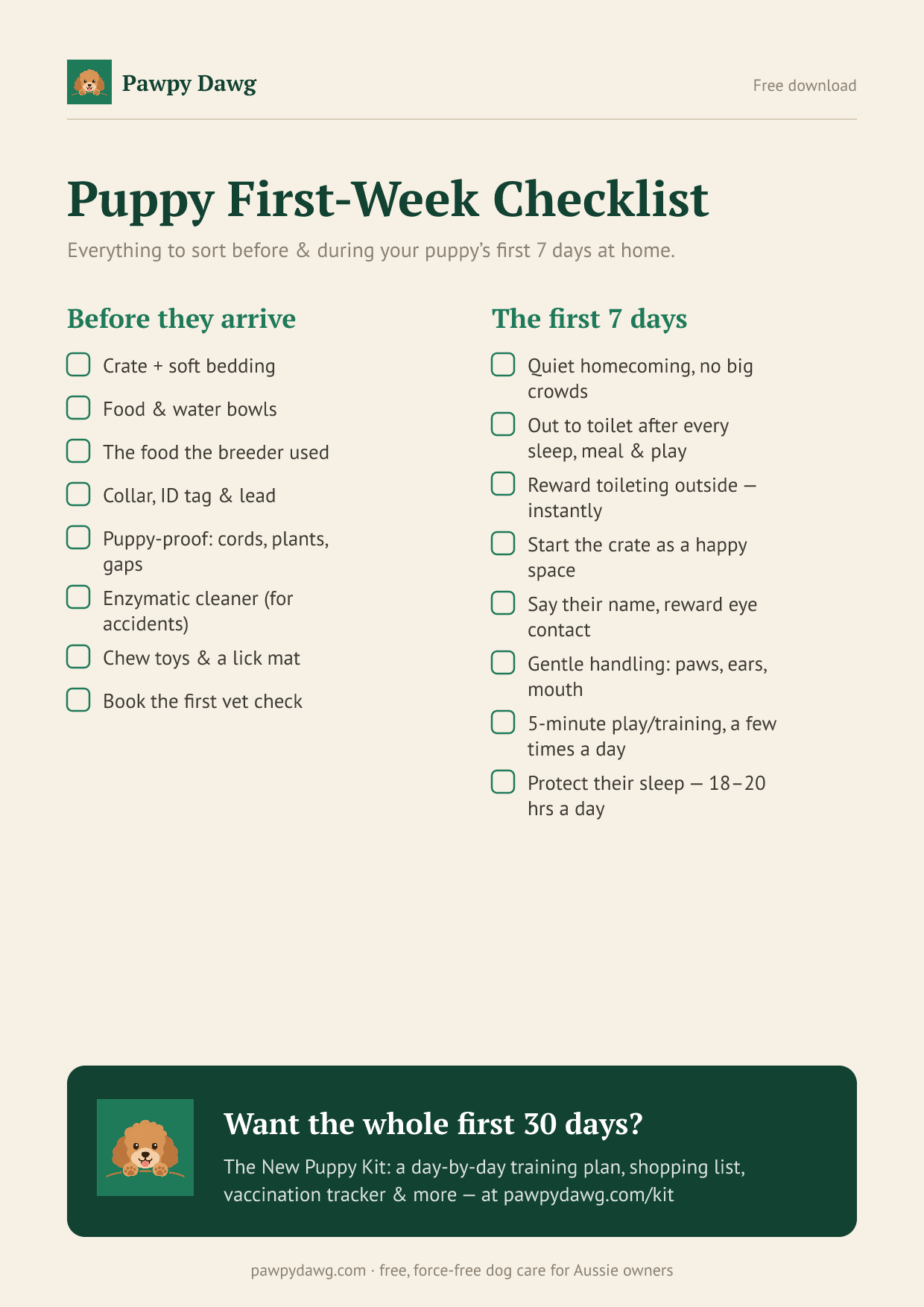
Free printable
Free: the Puppy First-Week Checklist
Everything to sort before and during your puppy's first 7 days home — a printable one-pager. Plus the occasional genuinely useful dog tip. No spam, unsubscribe anytime.
Related guides
How to Stop a Labrador Retriever Pulling on the Lead (Step-by-Step)
Tired of being dragged around the block? Here's a step-by-step positive-reinforcement plan to stop your Labrador Retriever pulling on the lead — with real timelines.
Read the guide →
How to Stop a Labrador Retriever Barking at Strangers (Step-by-Step)
Stop your Labrador Retriever barking at strangers with this step-by-step positive-reinforcement plan. Realistic timelines, common mistakes & when to call a pro.
Read the guide →
Labrador Retriever Separation Anxiety: A Step-by-Step Fix
Labrador Retriever separation anxiety is fixable. Follow this positive-reinforcement step-by-step plan, avoid common mistakes, and know when to call a pro.
Read the guide →