
How to Stop a Labrador Retriever Chewing Everything (Step-by-Step)
Labrador retriever destructive chewing driving you mad? Follow this step-by-step positive-reinforcement plan to stop it fast—with realistic timelines and pro tips.

Written by Bradley Brown
Founder & editor · Reviewed 2026-06-30
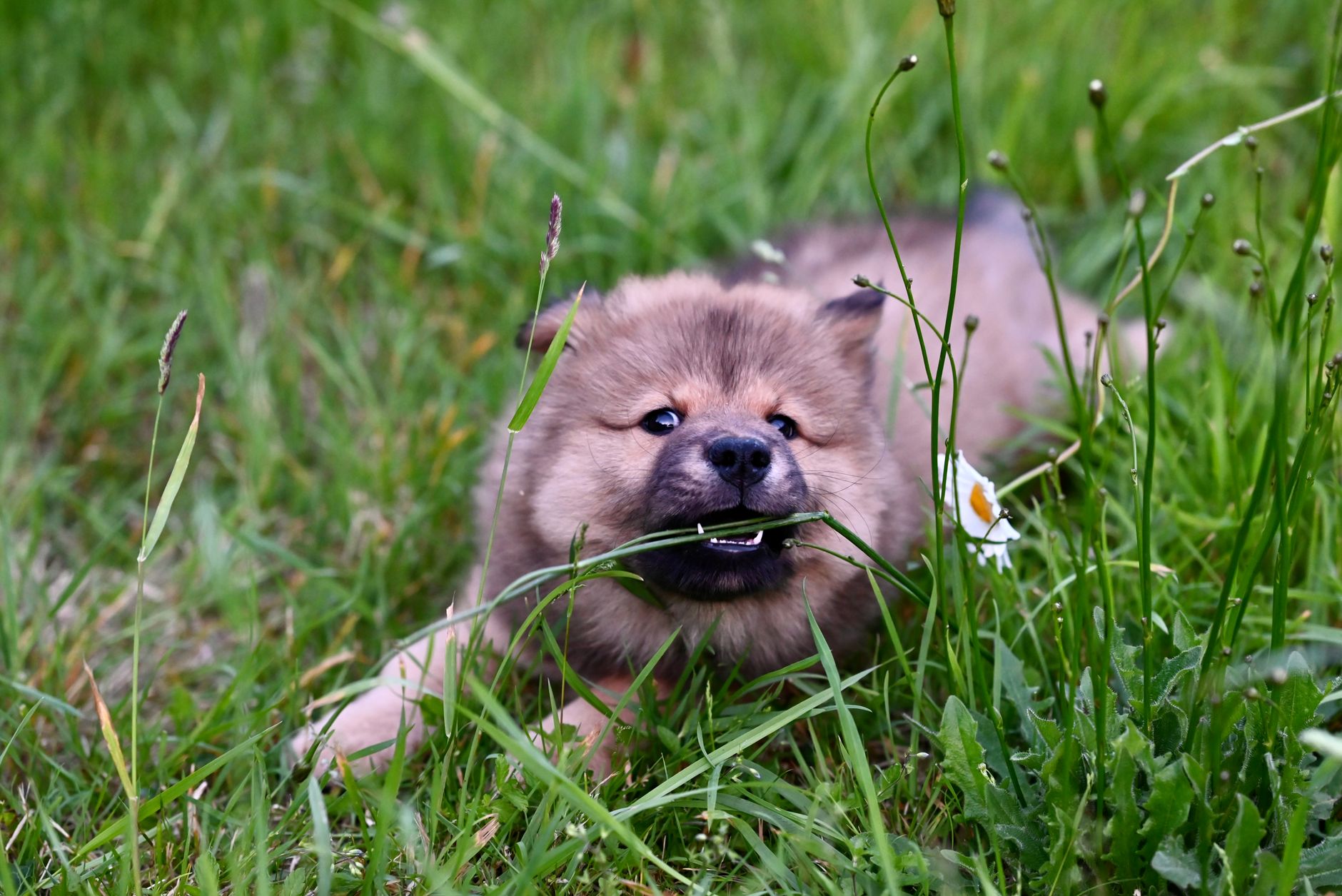
Labradors chew. It's not spite, boredom, or stubbornness—it's biology. Labs were bred to carry things in their mouths all day, and that oral drive doesn't switch off because you'd prefer your couch cushions intact. The good news: destructive chewing is one of the most fixable behaviour problems in dogs, provided you tackle the right causes in the right order.
This guide gives you a realistic, positive-reinforcement plan you can start today.
Step 1: Work Out Why Your Lab Is Chewing
Jumping straight to "redirect to a toy" without identifying the cause is why most owners get nowhere. The main drivers are different, and so are their solutions.
| Cause | Typical age | Key signs |
|---|---|---|
| Teething | 3–6 months | Swollen gums, preference for hard/cold items |
| Puppy exploration | 6 weeks–12 months | Chews everything indiscriminately |
| Under-exercise | Any age | Worse on low-activity days |
| Separation anxiety | Any age | Chewing near doors/windows, distress signals |
| Boredom/under-stimulation | Any age | Worse when left alone or ignored |
| Compulsive behaviour | Usually adult | Intense, hard to interrupt, often self-directed |
Write down when the chewing happens, what gets targeted, and whether your Lab shows any anxiety signs (panting, pacing, vocalising before you leave). That pattern will guide everything below.
Step 2: Management First — Remove the Opportunity
Until your Lab has a reliable "leave it" and solid toy preference, you need to make chewing the wrong things physically impossible.
- Crate train or use a pen. A properly introduced crate isn't cruel—it's a safe den. Labs generally settle well in them. Start with short sessions (5–10 minutes) using high-value treats and build duration over 1–2 weeks.
- Dog-proof the space. Pick up shoes, remote controls, children's toys. Tuck cables behind furniture or run them through cord protectors (available at hardware stores for around $10–$20 AUD).
- Use baby gates. Restrict access to rooms you can't supervise rather than relying on corrections after the fact.
- Bitter sprays are a tool, not a solution. Products like Grannick's Bitter Apple can deter chewing on furniture legs and skirting boards, but they must be reapplied every few days and some Labs genuinely don't care about the taste.
Management isn't failure—it's preventing rehearsal of the wrong behaviour while you train the right one.
Step 3: Meet the Physical and Mental Exercise Quota
A tired Labrador is a much less destructive Labrador. Adult Labs need at least 60–90 minutes of genuine physical exercise daily, split across two sessions. Puppies should follow the "5-minute rule" (5 minutes per month of age, twice daily) to protect developing joints.
Beyond physical exercise, mental stimulation is just as important:
- Sniff walks. Let your Lab stop and investigate scents rather than marching at heel. Sniffing is genuinely tiring.
- Food puzzles and Kongs. Stuff a KONG with kibble and a smear of peanut butter (xylitol-free), freeze it, and hand it over before you sit down to work. This keeps mouths busy for 20–40 minutes.
- Training sessions. Ten minutes of reward-based obedience or trick training burns more mental energy than a 20-minute walk.
- Scatter feeding. Toss your Lab's kibble across the lawn so they have to sniff it out. Free enrichment, zero equipment.
If your Lab's chewing is markedly worse on rest days, inadequate exercise is almost certainly a primary driver.
Step 4: Build a Strong Toy Preference
Labs don't automatically prefer their toys over your belongings—you have to make the toys worth caring about.
Choose the right toys
- Durable rubber toys (KONG Classic, West Paw Zogoflex): safe, long-lasting, fillable
- Rope toys: good for interactive play but supervise to prevent ingestion of fibres
- Bully sticks or raw meaty bones: satisfies the oral drive directly; always supervise
- Avoid: soft stuffed toys that can be gutted and ingested, toys with small detachable parts
Make toys more valuable than furniture
- Rotate toys every 2–3 days so novelty is maintained.
- Play with the toy yourself before offering it—your engagement makes it interesting.
- When your Lab picks up a toy unprompted, mark it (say "yes!" or click) and reward with praise or a treat. You're rewarding the right choice.
Step 5: Teach "Leave It" and the Swap
A reliable "leave it" is worth its weight in gold.
Basic "leave it" in three stages:
- Hold a treat in your closed fist. Let your Lab sniff and paw. The moment they pull back, mark and reward with a different treat from your other hand.
- Place a treat on the floor, cover with your foot. Mark and reward when they stop trying.
- Generalise to real-world objects: drop a sock, say "leave it," reward the disengagement.
The swap game: When you catch your Lab chewing something off-limits, don't chase or scold. Calmly offer a high-value toy or treat to swap. The moment they drop the forbidden item, mark and reward enthusiastically. Repeat consistently and your Lab learns that dropping things is always profitable.
Common mistake: Chasing a Lab who has stolen something turns the whole episode into a game. Crouch down, turn sideways, and lure rather than chase.
Step 6: What to Do When You Catch Them in the Act
- Stay calm. Yelling spikes arousal and can actually increase chewing behaviour.
- Interrupt, don't punish. A calm "ah-ah" or clap is enough to break focus.
- Immediately redirect to an appropriate chew toy and reward engagement with it.
- Never punish after the fact. Dogs don't connect punishment to something that happened more than a few seconds ago—you'll only create anxiety.
Realistic Timelines
| Scenario | Realistic improvement timeline |
|---|---|
| Puppy teething (with management + toys) | Mostly resolves by 6–7 months |
| Young adult with exercise deficit | Noticeable improvement in 2–4 weeks once needs are met |
| Toy preference building | 3–6 weeks of consistent reward |
| "Leave it" to a reliable cue | 4–8 weeks of daily practice |
| Separation anxiety-driven chewing | 8–16+ weeks; professional support often needed |
Common Mistakes That Stall Progress
- Flooding the dog with 20 toys at once. Too much choice reduces the value of each item. Offer 2–3 at a time and rotate.
- Inconsistency between family members. If one person lets the Lab chew the old joggers "because they're ruined anyway," the rule becomes meaningless.
- Punishing anxiety-driven chewing. If chewing is fuelled by separation distress, punishment makes anxiety worse, not better.
- Giving up management too soon. Most Labs aren't reliably trustworthy in an unsupervised house until 18–24 months.
When to Get Professional Help
See a qualified, force-free trainer or veterinary behaviourist if:
- Your Lab destroys things only when alone, accompanied by vocalising, house soiling, or self-injury (likely separation anxiety—a clinical condition that often needs a behaviour modification plan and sometimes medication).
- The chewing is intense, repetitive, and self-directed (flank sucking, tail chewing)—this may indicate a compulsive disorder.
- You've been consistent for 8+ weeks with no improvement.
In Australia, look for trainers accredited through the Delta Institute or the Pet Professional Guild Australia, or ask your vet for a referral to a veterinary behaviourist. Behaviour consultations typically range from $150–$350 AUD for an initial session—money well spent compared to a new lounge suite.
Destructive chewing almost always has a fixable cause. Work through these steps in order, be consistent, and give it time. Your skirting boards will thank you.
As an Amazon Associate we earn from qualifying purchases.
Frequently asked questions
At what age do Labradors stop destructive chewing?
Most Labs chew heavily through the teething phase (3–6 months) and the adolescent period up to 18–24 months. With consistent training, adequate exercise, and appropriate chew outlets, the majority settle down significantly by two years of age. Some high-drive individuals need ongoing enrichment throughout their lives.
Why does my Labrador only chew things when I'm not home?
Chewing that happens exclusively when you're absent is a classic sign of separation anxiety or isolation distress. Your dog is not being vengeful—they're coping with stress, and the physical act of chewing releases calming endorphins. This pattern warrants a proper behaviour assessment, as punishment or basic redirection won't address the underlying anxiety.
Are certain chew toys safer for Labradors than others?
Durable rubber toys (such as KONG Classic or West Paw Zogoflex), raw meaty bones appropriate for the dog's size, and bully sticks are generally considered safe options for supervised chewing. Avoid toys that can be torn into large chunks and swallowed, anything with small detachable parts, and cooked bones, which can splinter and cause internal injuries.
Does neutering a Labrador reduce destructive chewing?
There's no strong evidence that desexing directly reduces chewing behaviour. Chewing is driven primarily by exercise needs, mental stimulation, anxiety, and age—not sex hormones. Focus on the management and training steps outlined above rather than relying on desexing as a behavioural fix.
How do I stop my Labrador puppy chewing furniture legs?
Apply a taste deterrent such as bitter apple spray to the furniture legs, and ensure the puppy has at least 2–3 appropriate chew toys available at all times. Supervise closely and redirect to a toy the moment you see interest in the furniture, then reward engagement with the toy. Consistent management and supervision for the first 12 months prevents the habit from becoming entrenched.
Can too many toys make a Labrador's chewing worse?
Ironically, yes. Offering a large pile of toys at once reduces the perceived value of each one and can make it harder for your dog to discriminate between 'things I'm allowed to chew' and 'everything.' Offer two or three toys at a time and rotate them every few days to maintain novelty and interest.
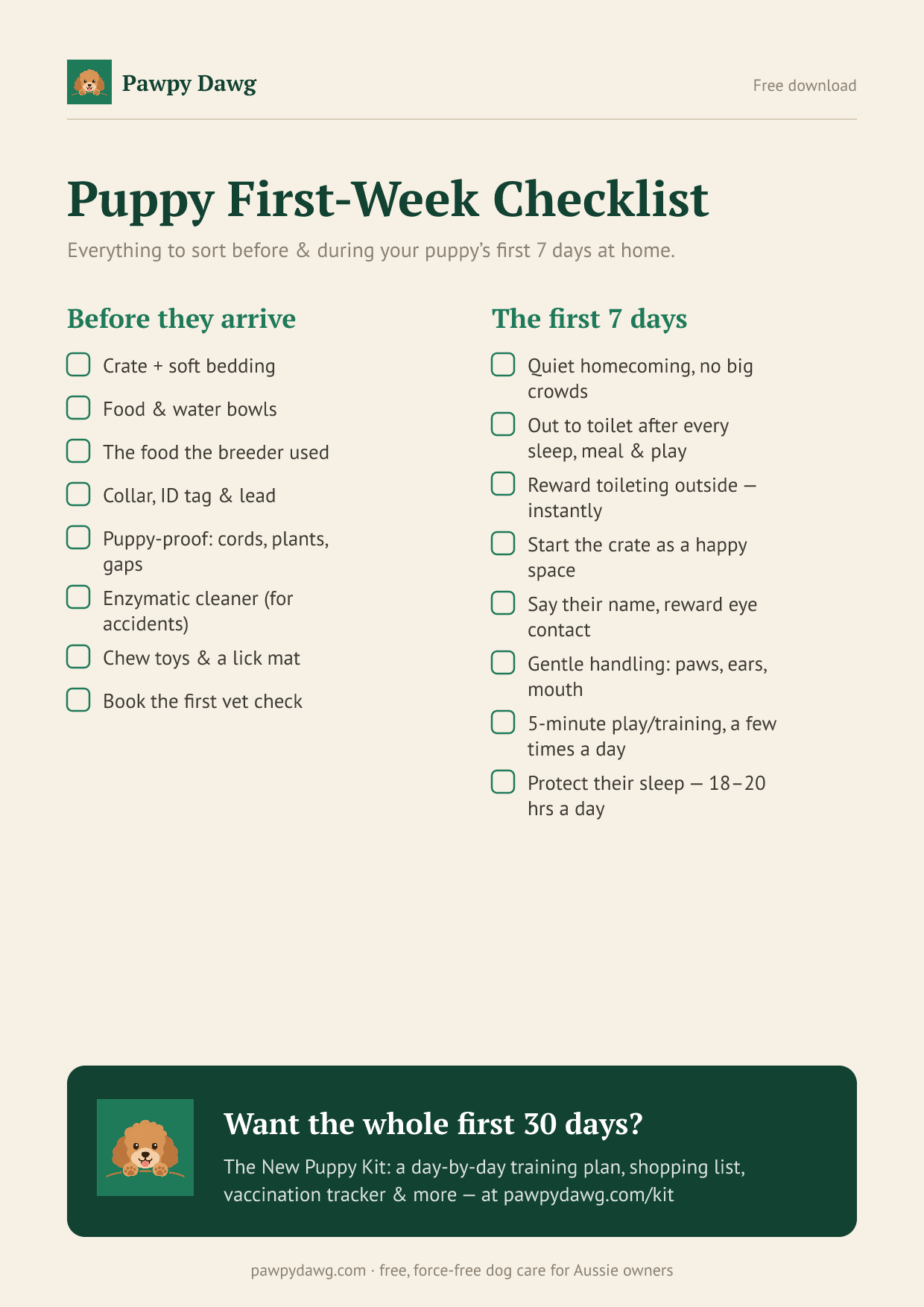
Free printable
Free: the Puppy First-Week Checklist
Everything to sort before and during your puppy's first 7 days home — a printable one-pager. Plus the occasional genuinely useful dog tip. No spam, unsubscribe anytime.
Related guides
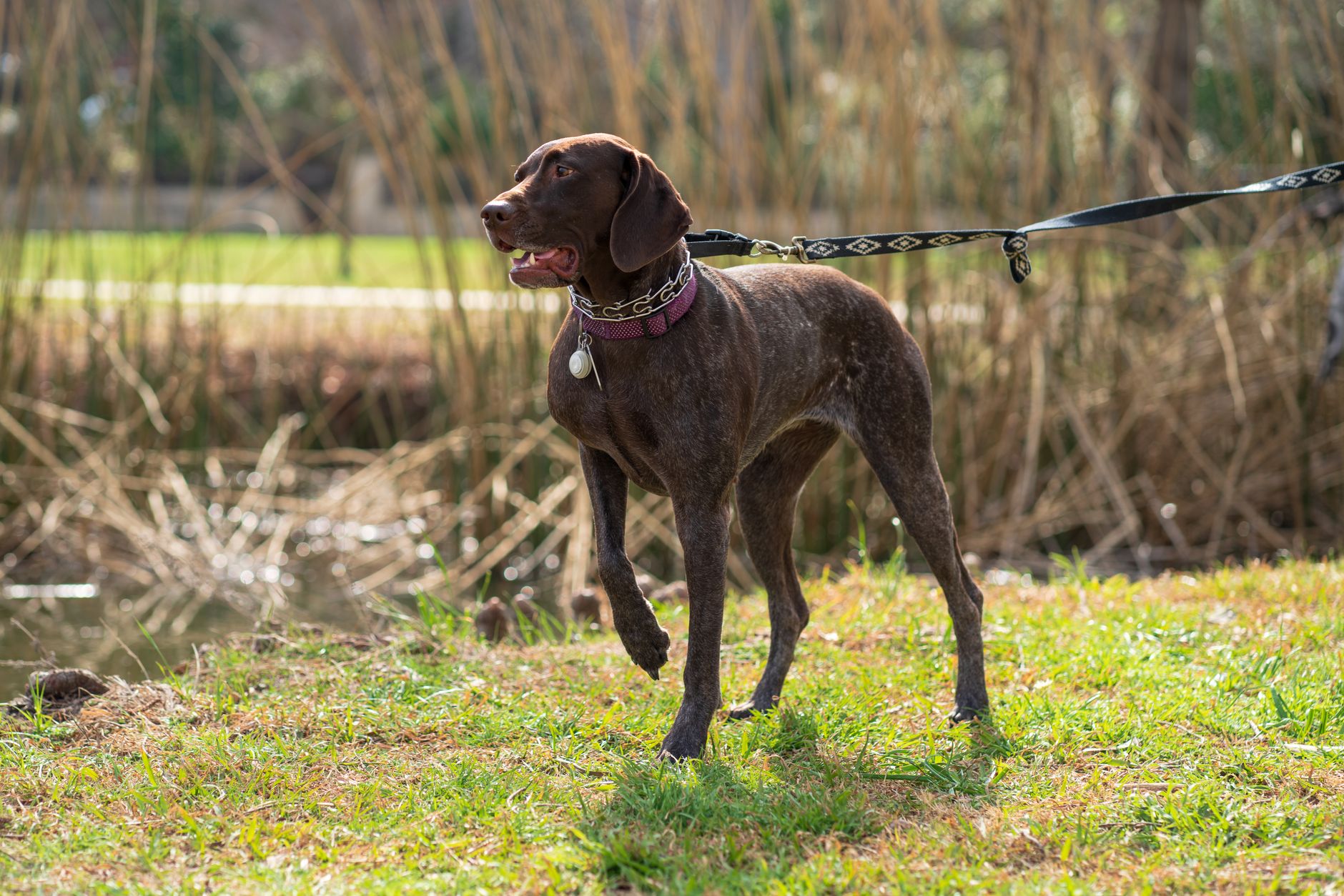
How to Stop a Labrador Retriever Pulling on the Lead (Step-by-Step)
Tired of being dragged around the block? Here's a step-by-step positive-reinforcement plan to stop your Labrador Retriever pulling on the lead — with real timelines.
Read the guide →
How to Stop a Labrador Retriever Barking at Strangers (Step-by-Step)
Stop your Labrador Retriever barking at strangers with this step-by-step positive-reinforcement plan. Realistic timelines, common mistakes & when to call a pro.
Read the guide →
Labrador Retriever Separation Anxiety: A Step-by-Step Fix
Labrador Retriever separation anxiety is fixable. Follow this positive-reinforcement step-by-step plan, avoid common mistakes, and know when to call a pro.
Read the guide →