
How to Stop a Kelpie Digging Up the Yard (Step-by-Step)
Frustrated by kelpie digging in the yard? This step-by-step positive-reinforcement plan helps you stop the damage fast — with realistic timelines and quick wins.

Written by Bradley Brown
Founder & editor · Reviewed 2026-07-10
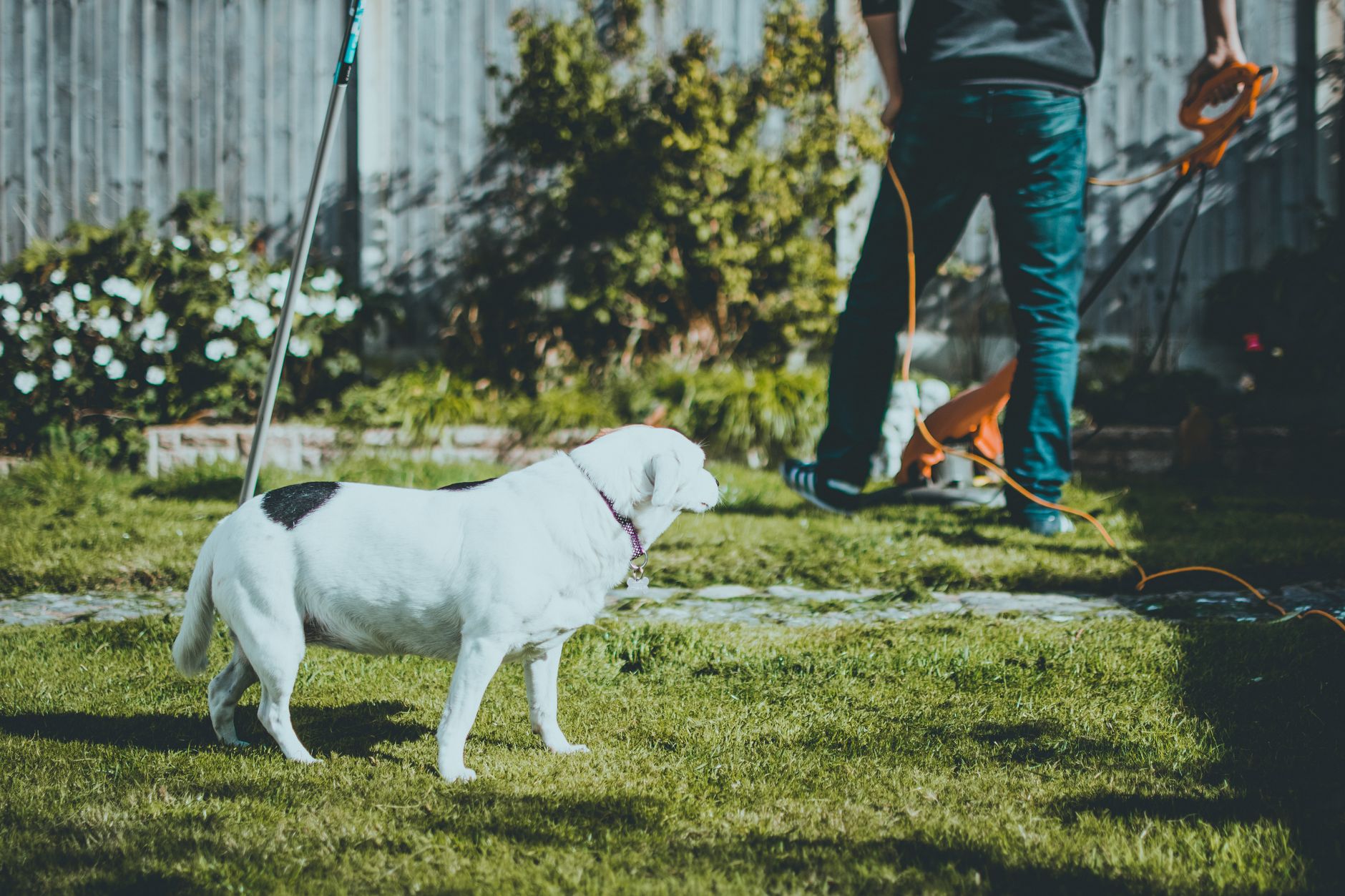
You came home to a backyard that looks like a construction site — again. Or maybe the garden bed you spent a weekend building is now a pile of loose dirt with a very satisfied Kelpie standing in the middle of it. You're not alone, and you haven't broken your dog. Kelpies are bred to work hard all day on Australian farms, and when that drive has nowhere to go, it goes down.
Here's what actually helps.
Why Kelpies Dig (It's Not Spite)
Before you can fix the behaviour, it helps to know what's driving it. Kelpies dig for a handful of predictable reasons:
- Boredom and pent-up energy — the most common cause by far
- Cooling down — dogs instinctively dig to reach cooler soil on hot days
- Hunting instinct — chasing smells, insects, or soil-dwelling critters
- Anxiety or frustration — especially when left alone for long periods
- Attention-seeking — if digging has ever made you come running, it's been rewarded
Understanding the trigger lets you choose the right fix. A dog digging to cool down needs shade and water, not more training. A bored Kelpie needs a job.
Your Quick Win for Today
Before anything else, try this right now: give your Kelpie a frozen Kong or a stuffed lick mat before you let them into the backyard. Stuff it with a mix of wet food, peanut butter (xylitol-free), or mashed banana and freeze it overnight. This gives their brain something to do the moment they hit the yard — dramatically reducing the chance they'll immediately head to their favourite dig spot. It's not a permanent fix, but it breaks the habit loop today while you work on the longer-term plan.
The Step-by-Step Plan
Step 1: Drain the Energy First (5–10 min, daily)
A tired Kelpie is a significantly calmer Kelpie. Before your dog spends unsupervised time in the yard, burn some mental and physical fuel:
- A 10-minute game of fetch or tug
- Basic obedience run-through (sit, drop, stay, recall) — mental work exhausts them faster than physical exercise
- Scatter feeding: throw their breakfast kibble in the grass so they sniff it out
- A short sniff walk around the block (let them lead with their nose)
You don't need an hour. Ten focused minutes before yard access makes a measurable difference.
Step 2: Manage the Environment
While you're training, don't give the digging a chance to self-reward. Self-rewarding behaviours — ones that feel good on their own — strengthen every time they happen, regardless of what you do after.
- Supervise or confine. If you can't watch, your dog shouldn't have free run of the yard unsupervised yet.
- Block known dig spots temporarily. Lay down chicken wire just under the soil surface, place large flat rocks, or use garden border edging. Physical barriers interrupt the habit while you train.
- Remove attractants. If they're digging near a particular plant or patch, check whether something is living under there (a possum, insects, a buried bone they forgot about).
Step 3: Create a Legal Dig Zone
This is one of the most effective long-term strategies, and it's used widely by vets and behaviourists. Designate one area of the yard — a sandpit, a raised garden bed filled with loose soil, or even a clam shell pool filled with sand — as the official digging spot.
How to teach it:
- Bury high-value treats or toys just under the surface of the dig zone.
- Lead your dog to the spot and encourage them to dig (you can even scratch the surface yourself to spark their interest).
- When they dig there, reward enthusiastically — yes, you're rewarding digging. You're just redirecting where.
- When you catch them digging elsewhere, calmly interrupt ("ah-ah" or a hand clap), lead them to the sandpit, and restart the game there.
Most dogs start preferring the legal zone within 1–2 weeks when it's consistently more rewarding than forbidden spots.
Step 4: Address Heat and Comfort
If your Kelpie digs along fence lines or under shrubs, they may be thermoregulating. On Australian summers, this is a serious welfare issue, not just a nuisance.
- Ensure permanent access to fresh water and shade
- Consider a dog-specific cooling mat or a clam shell pool with shallow water for hot days
- Avoid leaving your dog outside on days above 30°C for extended periods
When a dog is genuinely hot, no amount of training will override the survival instinct to find cool ground.
Step 5: Build a Consistent 5-Minute Correction Routine
Consistency matters far more than duration. Here's a simple daily checklist:
| Task | Time | When |
|---|---|---|
| Pre-yard exercise or enrichment | 5–10 min | Before yard access |
| Supervise first 10 min in yard | 10 min | After exercise |
| Reward calm yard behaviour | 30 sec | Whenever you see it |
| Redirect to dig zone if needed | 1–2 min | As it happens |
| Freeze Kong/enrichment prep | 2 min | Night before |
That's it. Sustainable beats perfect every time.
Common Mistakes That Make It Worse
- Punishing after the fact. If you didn't catch them in the act, they cannot connect your anger to the hole. You'll only teach them that you appear randomly and act strangely.
- Filling holes with water or faeces. Occasionally recommended online, but rarely effective and risks creating a dog that avoids you rather than the hole.
- Relying on exercise alone. Kelpies can out-exercise most owners. Mental stimulation — training, nosework, puzzle feeders — is equally important and often more tiring.
- Inconsistency. If digging is sometimes ignored and sometimes punished, the dog learns nothing reliable. Everyone in the household needs to follow the same plan.
Realistic Timelines
| Situation | Expected Progress |
|---|---|
| Young Kelpie (under 18 months), high energy | 4–8 weeks of consistent work |
| Adult Kelpie, established habit | 8–12 weeks, possibly longer |
| Digging driven by separation anxiety | May need professional support alongside training |
| Digging driven by heat/comfort | Immediate improvement once environment is fixed |
Don't expect overnight results, but you should see some improvement within the first week if you're managing the environment well.
When to Get Professional Help
Most Kelpie digging is a management and enrichment problem — fixable at home. But consider a professional trainer or veterinary behaviourist if:
- Your dog is also showing signs of separation anxiety (barking, pacing, destructive behaviour specifically when alone)
- The digging is paired with self-harm — worn paw pads, bleeding nails, raw skin
- You've been consistent for 10–12 weeks with no improvement
- The behaviour is escalating despite your efforts
A registered trainer (look for membership with the Pet Professional Guild Australia or the Delta Society) can assess what's actually driving the behaviour and tailor a plan. Costs vary, but expect $A150–$A350 for an initial in-home consultation. It's often worth it to stop guessing.
Kelpies are not difficult dogs — they're purpose-built dogs in the wrong context. Give them a job, give them a legal outlet, manage the environment while you train, and the yard will survive. So will you.
As an Amazon Associate we earn from qualifying purchases.
Frequently asked questions
Why does my Kelpie keep digging even after I tell them off?
Telling a dog off after the fact doesn't work — they can't link your reaction to something they did minutes ago. More importantly, digging is self-rewarding, meaning the act itself feels satisfying regardless of what happens next. You need to interrupt the behaviour in the moment and redirect it to something more rewarding, rather than relying on punishment alone.
How much exercise does a Kelpie need to stop destructive behaviour?
Kelpies generally need at least 60–90 minutes of physical activity daily, but exercise alone often isn't enough. Mental stimulation — obedience training, scent work, puzzle feeders — is equally tiring and sometimes more effective at reducing boredom-driven digging. A short, focused 10-minute training session before yard access can make a noticeable difference.
Will a sandpit actually stop my dog from digging in the garden?
Yes — a designated dig zone is one of the most effective strategies recommended by veterinary behaviourists. The key is making it more rewarding than the forbidden spots by burying treats and toys there regularly. Most dogs develop a clear preference for the sandpit within one to two weeks of consistent reinforcement.
Is my Kelpie digging because they have separation anxiety?
It's possible but not automatic. Separation-anxiety digging typically happens only when the dog is alone, often near fence lines or gates, and is accompanied by other signs like barking, howling, or destructive behaviour indoors. Boredom-related digging can happen whether or not you're home. If you're unsure, a vet or qualified behaviourist can help identify the cause.
What age do Kelpies grow out of digging?
Kelpies don't simply grow out of digging on their own — the behaviour tends to decrease naturally after 18 months to 2 years as adolescent energy settles, but only if they have adequate outlets in the meantime. Without intervention, the habit can become deeply ingrained and persist into adulthood regardless of age.
Are there any safe deterrents I can put in the garden to stop digging?
Physical deterrents like buried chicken wire, flat rocks, or garden border edging can interrupt digging at specific spots and are safe and effective as a short-term management tool. Scent deterrents like citrus peel have mixed results and need to be reapplied frequently. Avoid chilli powder or pepper — these can cause serious irritation to a dog's eyes and nose.
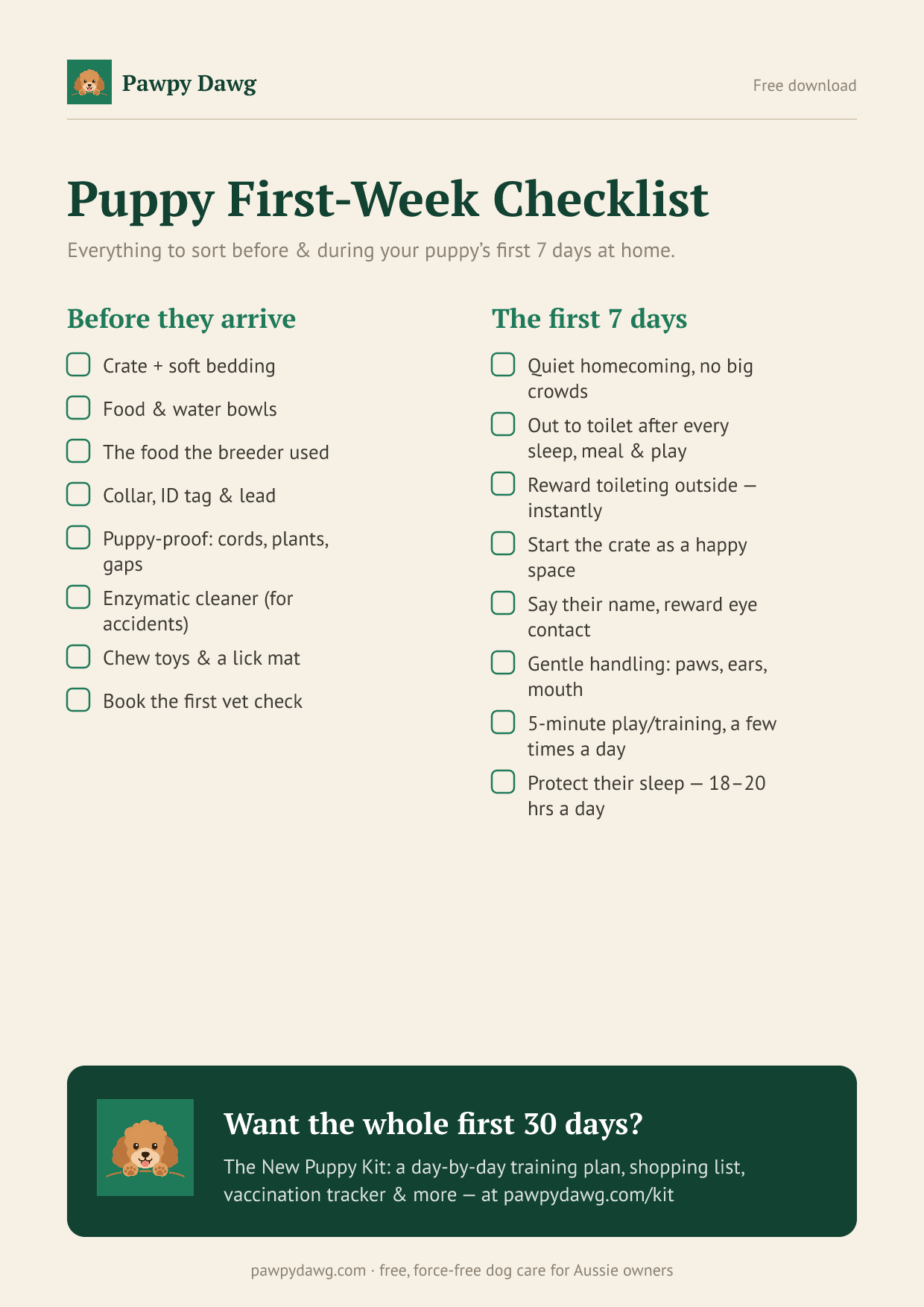
Free printable
Free: the Puppy First-Week Checklist
Everything to sort before and during your puppy's first 7 days home — a printable one-pager. Plus the occasional genuinely useful dog tip. No spam, unsubscribe anytime.
Related guides
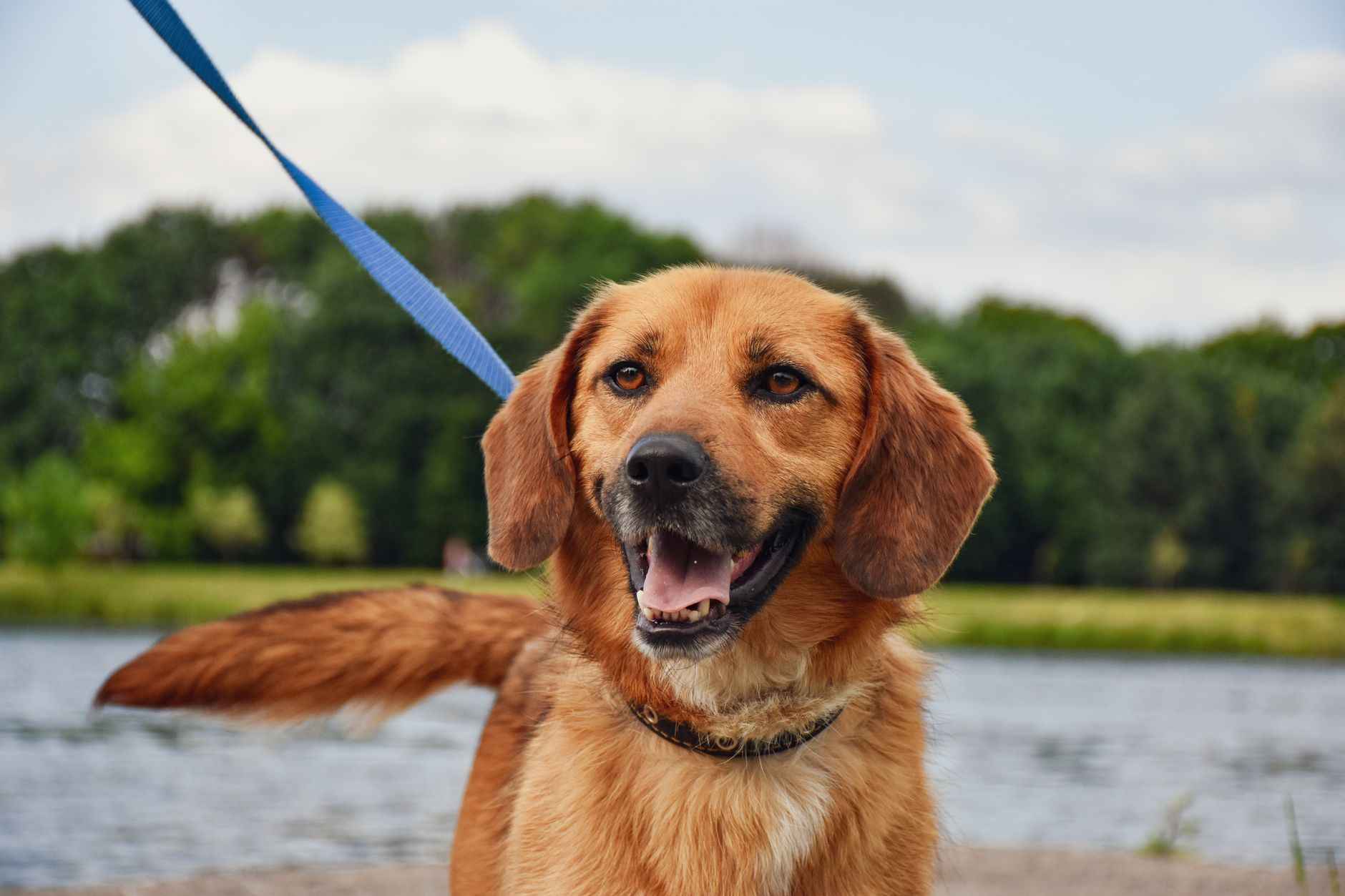
How to Stop a Kelpie Pulling on the Lead (Step-by-Step)
Tired of being dragged around the block? Fix kelpie pulling on the lead with this step-by-step positive-reinforcement plan, realistic timelines & pro tips.
Read the guide →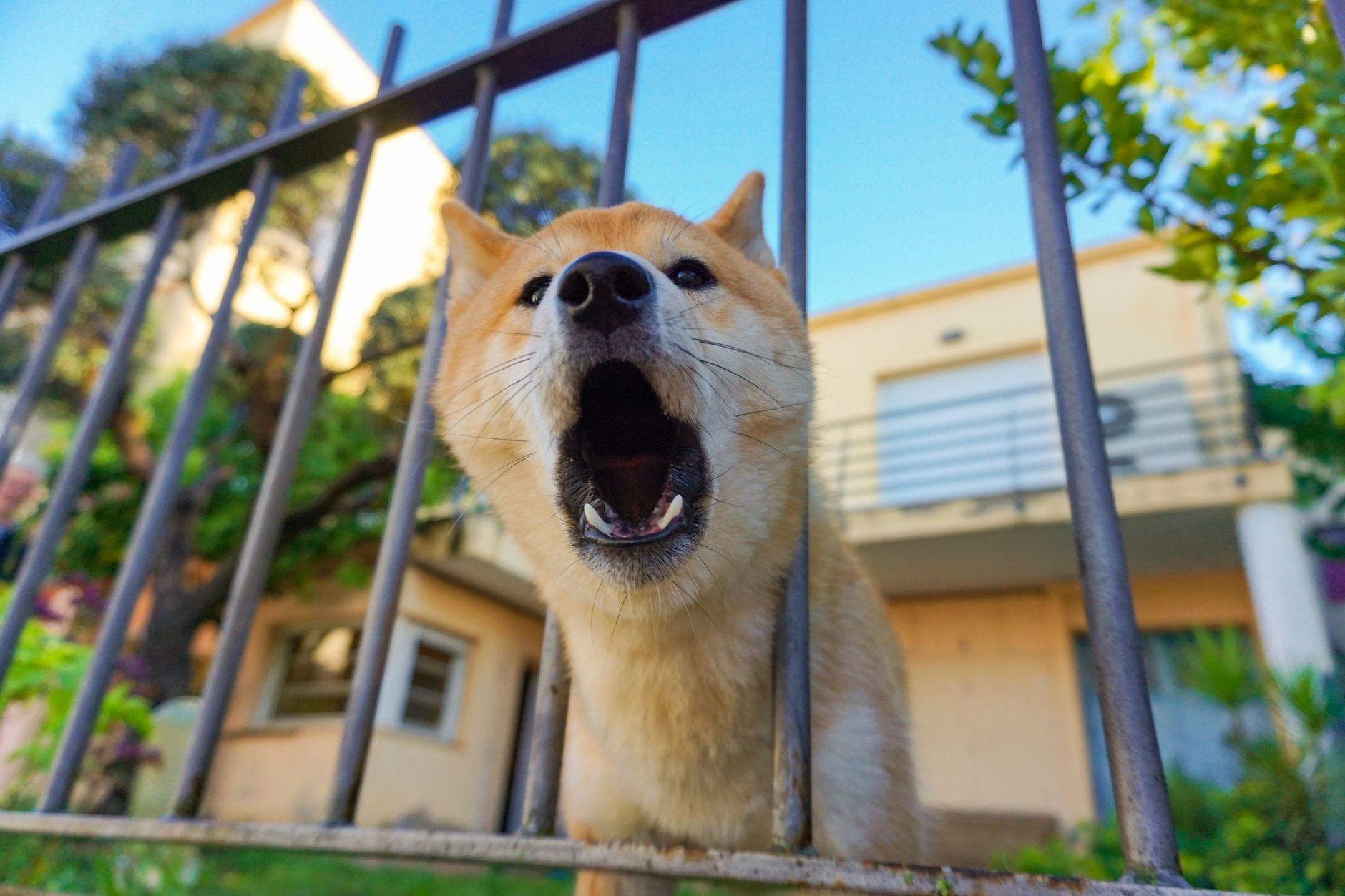
How to Stop a Kelpie Barking at Strangers (Step-by-Step)
Kelpie barking at strangers driving you mad? Get a realistic, positive-reinforcement plan with quick wins you can try today — no punishment needed.
Read the guide →
Kelpie Separation Anxiety: A Step-by-Step Fix
Kelpie separation anxiety is exhausting — but fixable. Get a realistic, positive-reinforcement plan, quick wins for today, and honest timelines.
Read the guide →