
How to Stop a Jack Russell Terrier Digging Up the Yard (Step-by-Step)
Tired of your Jack Russell terrier digging up the yard? Here's a realistic, positive-reinforcement plan to stop it — with quick wins you can try today.

Written by Bradley Brown
Founder & editor · Reviewed 2026-07-14
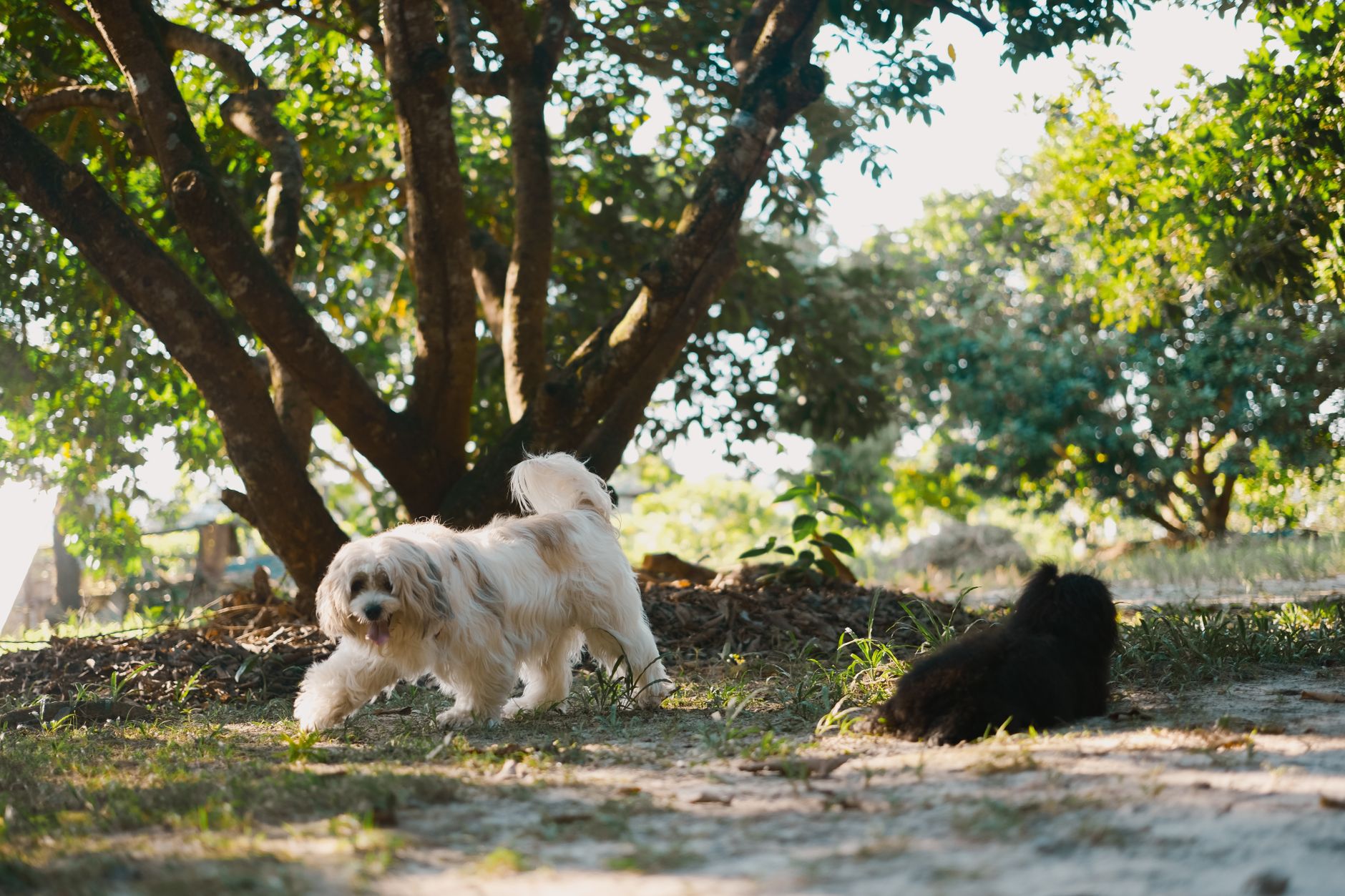
You walk outside, and it looks like a tiny bulldozer has been through your garden. Again. If you've got a Jack Russell Terrier and a lawn you once cared about, this is your life right now — and it's exhausting.
Here's the thing: your dog hasn't been "ruined," and you haven't failed. Jack Russells were purpose-bred in 19th-century England to bolt foxes from the earth. Digging isn't a personality flaw — it's centuries of selective breeding doing exactly what it was designed to do. The instinct is powerful, but it absolutely can be redirected.
Why Jack Russells Dig (and Why It Matters for Fixing It)
Before you can stop the behaviour, it helps to know which type of digging you're dealing with:
| Type | What it looks like | Main driver |
|---|---|---|
| Hunting/predatory | Along fence lines, near roots, chasing smells | Prey drive |
| Boredom/frustration | Random holes, often after being alone | Under-stimulation |
| Comfort seeking | Shallow scrapes in cool soil or shade | Temperature regulation |
| Attention seeking | Digs when you're watching, then looks at you | Learnt behaviour |
| Escape digging | Along fence base, persistent | Anxiety or fence-reactive triggers |
Most Jack Russells are digging for the first two reasons. Nail down which one is driving yours — it shapes everything that follows.
Your Quick Win for Today (Takes 5 Minutes)
Before you read another word: go outside and set up a physical barrier around the two or three spots your dog returns to most. A few cheap star pickets and a roll of wire mesh from Bunnings (around $15–$30 AUD) can block access immediately.
This won't solve the underlying problem, but it stops the habit being rehearsed while you work on the rest of the plan. Every time your dog digs, the behaviour gets stronger. Blocking the sites today breaks that reinforcement loop right now.
The Step-by-Step Plan
Step 1: Create a Legal Digging Zone
Give your Jack Russell somewhere to dig with your blessing. A designated digging pit transforms "digging = bad" into "digging over there = brilliant."
How to set it up:
- Choose a corner of the yard — ideally shaded in summer.
- Dig out a patch roughly 1m x 1m and 30cm deep.
- Fill it with a mix of loose soil and play sand.
- Bury a few high-value items just below the surface: a frozen Kong, a favourite toy, a beef marrow bone.
Show your dog the pit actively. Let them watch you bury something, then encourage them to dig it up. Praise and reward enthusiastically when they engage with it. Repeat daily for a week.
Step 2: Increase Mental and Physical Stimulation (In Under 10 Minutes a Day)
A bored Jack Russell is a digging Jack Russell. The good news: this breed is smart, so you can tire them out mentally without a two-hour hike.
A realistic daily routine:
- Morning (5 min): Scatter feed breakfast in the grass instead of a bowl — nose work is genuinely exhausting for dogs.
- Midday or afternoon (5 min): One short training session. Teach a trick, practise "find it" with a treat hidden in the garden, or run through basic commands at pace.
- Before you leave the house: Rotate two or three enrichment items — a frozen Kong, a snuffle mat, a lick mat. Rotation keeps them novel.
This doesn't replace walks, but even 10 minutes of targeted mental engagement significantly reduces digging driven by boredom.
Step 3: Interrupt and Redirect — Not Punish
When you catch your dog digging in a forbidden spot, the response matters.
Do this:
- Calmly interrupt with a cheerful "uh-oh!" or your chosen interrupter cue — no yelling.
- Call them to you (or go to them if recall isn't reliable yet).
- Immediately redirect to the digging pit or an enrichment activity.
- Reward heavily the moment they engage with the alternative.
Avoid these common mistakes:
- Shouting or physical punishment — it increases anxiety, which often worsens digging.
- Punishing after the fact — if you didn't catch them in the act, the dog has no idea what the telling-off is for.
- Filling holes with their faeces — this is widely recommended online but the evidence it works long-term is poor and some dogs simply dig elsewhere.
- Expecting overnight results — a dog with a well-established digging habit typically needs 3–6 weeks of consistent redirection before you see lasting change.
Step 4: Manage the Environment While You Train
Management and training work together — one without the other is slow going.
Practical management strategies:
- Restrict unsupervised yard access until the digging pit is reliably preferred. Use a long line or a smaller secure pen area.
- If your dog digs along the fence line, lay a section of chain mesh flat on the ground along the fence and peg it down — they'll hit the mesh and give up. Cover it with mulch if it looks untidy.
- Remove attractants where possible: turn compost regularly, cover vegetable beds with chicken wire cloches, address any possum or rat activity that's drawing your dog's nose to specific spots.
Step 5: Build a Consistent Routine Over 4–6 Weeks
Here's a realistic timeline:
- Week 1–2: Digging pit introduced, forbidden spots blocked, enrichment routine established. Digging frequency may not change yet — this is normal.
- Week 3–4: Most dogs begin preferring the pit if it's been consistently rewarding. Spot-check and re-bury items every couple of days to keep it exciting.
- Week 5–6: Forbidden area barriers can be gradually reduced as the new habit strengthens. Continue the enrichment routine indefinitely — this is maintenance, not a one-off fix.
When to Get Professional Help
Most Jack Russell digging is a management and enrichment problem that owners can solve at home. But consider calling in a certified trainer or vet behaviourist if:
- The digging is paired with persistent anxiety signs (pacing, panting, vocalising when alone) — this may indicate separation anxiety that needs a dedicated behaviour modification plan.
- Your dog is fence-running and digging in response to dogs or people passing by — reactivity work will address the root cause more effectively than digging management alone.
- You've followed this plan consistently for 6+ weeks and seen no reduction in the behaviour.
In Australia, look for a trainer accredited through the Pet Professional Guild Australia or the Delta Society, or ask your vet for a referral to a veterinary behaviourist.
The Honest Truth About Timelines
Jack Russells are tenacious — it's one of the things people love about them, and it's also why they can be a challenge. You are not going to fix this in a weekend. But owners who commit to the digging pit, consistent enrichment, and calm redirection almost always see meaningful improvement within a month.
Your dog isn't trying to make your life difficult. They're just being exactly what they were bred to be. Give that instinct somewhere to go, and the garden will thank you.
As an Amazon Associate we earn from qualifying purchases.
Frequently asked questions
Why does my Jack Russell only dig in the yard when I'm not watching?
This usually points to boredom or under-stimulation when the dog is left alone. Because the digging is self-rewarding (it's fun and relieves frustration), it doesn't need your reaction to continue. Increasing enrichment before you leave and restricting unsupervised yard access while you're retraining are the most effective responses.
Will neutering or desexing stop my Jack Russell from digging?
Not directly. Digging in Jack Russells is primarily a breed-instinct and enrichment issue rather than a hormone-driven behaviour, so desexing alone is unlikely to make a significant difference. It can help reduce roaming and some frustration-based behaviours, but a proper enrichment and redirection plan is still needed.
How do I stop my Jack Russell digging along the fence line specifically?
Fence-line digging is usually driven by prey scent, escape motivation, or reactivity to things passing on the other side. Lay chain mesh or L-shaped wire flat on the ground along the fence and peg it down — most dogs give up quickly once they hit the barrier. If your dog is fence-running and barking at triggers outside, addressing the underlying reactivity with a trainer will be more effective long-term.
Is there a spray or repellent that stops dogs digging in the yard?
Commercial and DIY repellents (citrus peel, chilli, white vinegar) have mixed results at best. Most dogs simply move to a different spot, and some become desensitised quickly. They can be a useful short-term deterrent while you establish better habits, but they're not a standalone solution and shouldn't replace the enrichment and redirection approach.
How long does it realistically take to stop a Jack Russell from digging?
For most dogs, consistent redirection combined with a dedicated digging pit and a daily enrichment routine produces noticeable improvement within 3–6 weeks. Dogs with a long-established digging habit may take longer. The key variable is consistency — sporadic training stretches the timeline significantly.
Can I stop my Jack Russell digging without giving up my whole garden?
Yes. The goal isn't to eliminate the digging instinct — it's to give it a legal outlet. A single designated digging pit, combined with blocking access to off-limits garden beds, allows your dog to express a natural behaviour without destroying the areas you care about. Most owners find this compromise works well once the pit is established as genuinely rewarding.
Free printable
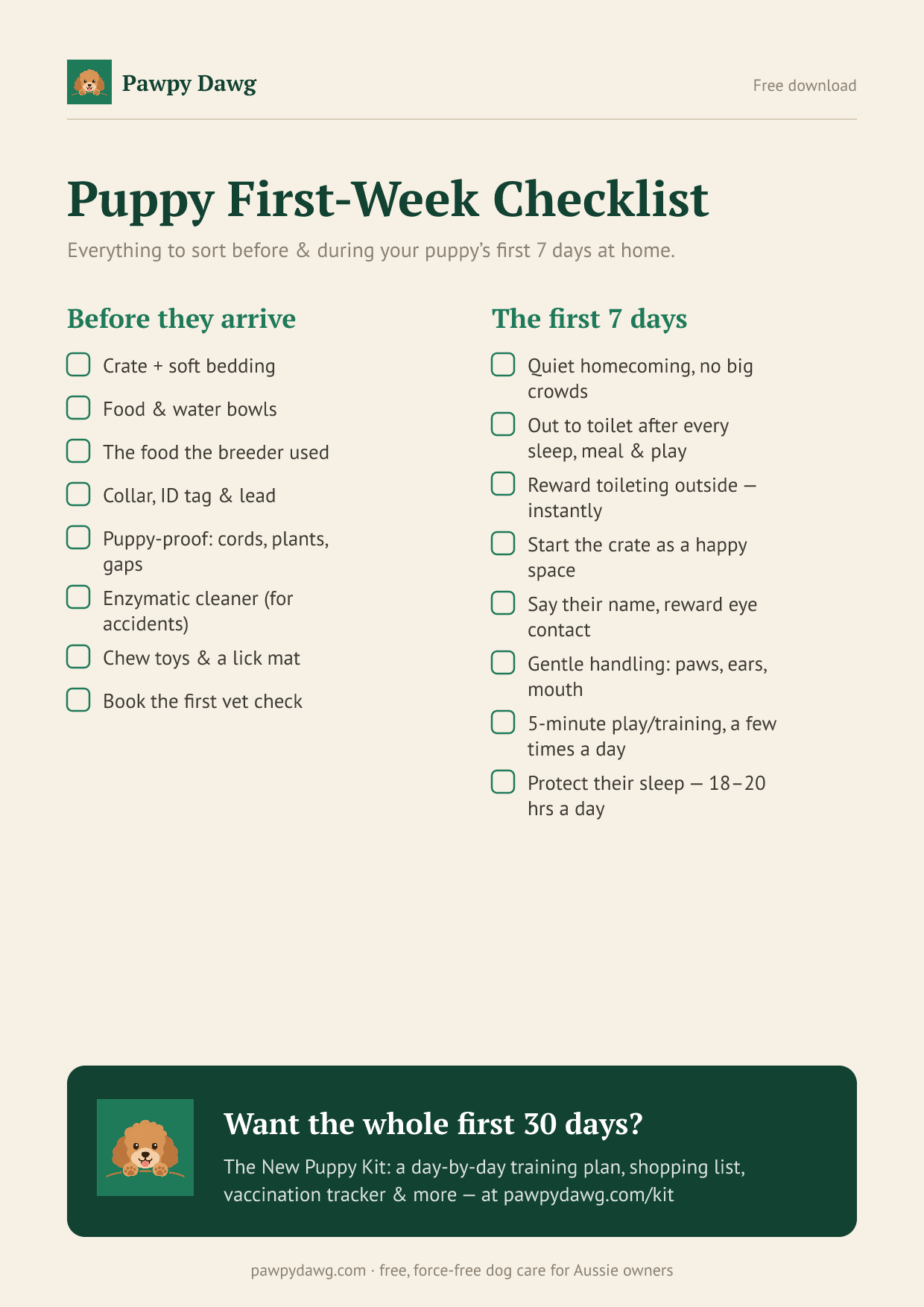
Free: the Puppy First-Week Checklist
Everything to sort before and during your puppy's first 7 days home — a printable one-pager. Plus the occasional genuinely useful dog tip. No spam, unsubscribe anytime.
Related guides
How to Stop a Jack Russell Terrier Pulling on the Lead (Step-by-Step)
Tired of your Jack Russell terrier pulling on the lead? This step-by-step positive-reinforcement plan gets results in 5–10 min/day. Start today.
Read the guide →
How to Stop a Jack Russell Terrier Barking at Strangers (Step-by-Step)
Tired of your Jack Russell terrier barking at strangers? This step-by-step positive-reinforcement plan gets real results in 5–10 min daily sessions.
Read the guide →
Jack Russell Terrier Separation Anxiety: A Step-by-Step Fix
Struggling with Jack Russell terrier separation anxiety? Get a realistic, step-by-step positive-reinforcement plan — with a quick win you can try tonight.
Read the guide →