
How to Stop a Jack Russell Terrier Biting and Mouthing (Step-by-Step)
Struggling with jack russell terrier biting and mouthing? Get a realistic, positive-reinforcement plan with quick wins you can try today — no harsh corrections needed.

Written by Bradley Brown
Founder & editor · Reviewed 2026-07-14

If your Jack Russell has left teeth marks on your hands, ankles, or the TV remote, you already know the particular exhaustion of owning a dog that seems determined to bite everything in reach. You're not failing as an owner. Jack Russells were bred to bolt after vermin with relentless drive — that mouth is doing exactly what generations of selective breeding designed it to do. The behaviour is normal, it is fixable, and starting tonight you can make a real dent in it.
Why Jack Russells Bite and Mouth More Than Most Breeds
Before you can stop the behaviour, it helps to know what's powering it.
- Prey drive. Jack Russells were developed to hunt rats and rabbits. Fast-moving hands, feet, and kids trigger the same chase-and-grab instinct.
- Under-stimulation. A bored JRT is a mouthy JRT. These dogs need mental work, not just a lap to sit on.
- Play style. Puppies learn bite inhibition through play with littermates. If your dog left the litter before 8 weeks, or had limited dog-to-dog contact, this skill may be underdeveloped.
- Arousal overflow. When excitement peaks and there's no outlet, the mouth opens.
None of these causes point to a "bad" dog or a bad owner. They point to a dog that needs a clear, consistent outlet and a new set of rules.
Your Quick Win for Tonight: The Freeze-and-Redirect
You don't need a full training plan to get results in the next hour. Try this:
- The moment teeth touch skin, go completely still and silent — no yelping, no pulling away (movement escalates the game).
- After 2–3 seconds, calmly say "too bad" (or any consistent marker word) and turn your back or step behind a baby gate for 20–30 seconds.
- Return and immediately offer a tug toy or chew — give the dog something legal to bite.
- The instant they take the toy, praise warmly and engage.
You're teaching: "Biting skin ends the fun. Biting this toy starts it." One consistent response is more powerful than ten different reactions across family members.
The 5–10 Minute Daily Plan
Consistency beats intensity. Five focused minutes twice a day produces faster results than an occasional 45-minute session.
Session 1 — Morning (5 minutes): Structured Impulse Control
Jack Russells respond brilliantly to short, fast-paced training. Pick one of these each morning and rotate them:
- "Leave it" with your hand — hold a treat in a closed fist, wait for the dog to back off, then reward from the other hand.
- Sit-stay before play — ask for a two-second sit before you throw a ball or produce a toy. Biting to demand play is one of the most common triggers.
- Name + eye contact — five repetitions, rewarding the dog for looking at your face instead of fixating on your hands.
Short, fast, rewarding. JRTs switch off when sessions drag.
Session 2 — Evening (5–10 minutes): Physical + Mental Outlet
A tired Jack Russell bites less. But physical exercise alone doesn't cut it — breed research consistently shows that terriers need cognitive work alongside movement.
- Sniff walk: Let the dog set the pace and sniff freely for 10 minutes. Mental fatigue from scent work is significant.
- Food puzzle or Kong: Fill a rubber toy with wet food or peanut paste (xylitol-free) and freeze it. Chewing is a self-calming behaviour.
- Tug with rules: Tug is not bad — it's a legal outlet for grab-and-shake instincts. Simply insist on "drop it" before restarting.
House Rules Every Family Member Must Follow
This is where most households fall apart. One person enforcing the freeze-and-redirect while another shrieks and waves their hands is training the dog to bite more, not less.
| Situation | Do This | Not This |
|---|---|---|
| Dog mouths your hand | Go still, say "too bad", disengage | Pull away, yell, or push the dog's face |
| Dog bites during play | Stop play immediately, offer a toy | Continue the game hoping it'll stop |
| Dog bites ankles on walks | Stop walking, wait, resume calmly | Run or speed up (triggers chase) |
| Puppy biting a child | Calmly remove the child, redirect dog | Punish — fear bites are worse than play bites |
| Dog bites when patted | Stop petting at the first sign of tension | Push through hoping dog relaxes |
Print this out and stick it on the fridge if you need to. Consistency across the whole household is the single biggest predictor of success.
Common Mistakes That Make It Worse
Saying "no" repeatedly without consequence. "No" means nothing unless it's followed by the removal of what the dog wants — usually your attention or the game.
Physical corrections. Tapping the nose, scruffing, or alpha rolls do not reduce biting in terriers — they create anxiety and unpredictability, which increases the risk of a genuine fear bite. This is well-established in the veterinary behaviour literature.
Inconsistency. Allowing mouthing "just this once" when you're tired resets the clock. Dogs learn from patterns, not intentions.
Too much free-roaming time too soon. Until bite manners improve, manage the environment. A crate, a pen, or a baby gate is not punishment — it prevents rehearsal of the unwanted behaviour.
Realistic Timelines
| Your Starting Point | Realistic Improvement Timeline |
|---|---|
| Puppy under 16 weeks | 2–4 weeks of consistent work |
| Adolescent (4–18 months) | 4–8 weeks, with possible regression during teething |
| Adult dog, new to rules | 6–10 weeks for solid improvement |
| Adult with long history of mouthing | 8–12 weeks; may need professional support |
Progress is rarely linear. A week of great results followed by a rough day is normal — it's called an extinction burst, and it means the old behaviour is fading, not returning for good.
When to Call a Professional
Most Jack Russell mouthing responds well to owner-led training. Seek help from an accredited trainer (look for members of the Pet Professional Guild Australia or Delta Society Australia) if you see:
- Biting that breaks skin regularly, especially without obvious triggers
- Growling or snapping when touched around food, toys, or resting spots
- The dog freezes and stiffens before biting (not playful)
- Biting that escalates in intensity despite consistent management
- A child in the household who is genuinely frightened
A good trainer will assess the specific function of your dog's biting and tailor a plan accordingly. Expect to pay $80–$200 AUD for a private consultation in most Australian cities — worth every cent if the alternative is a dog you can't safely handle.
The Short Version
Jack Russell terrier biting and mouthing is a breed-typical behaviour driven by instinct, not spite. A clear house rule (biting ends the fun), a consistent response (freeze-and-redirect), and 5–10 minutes of structured daily training will produce genuine change within weeks. You haven't ruined your dog. You've just found the instruction manual a bit late — and that's completely fixable.
As an Amazon Associate we earn from qualifying purchases.
Frequently asked questions
At what age do Jack Russell Terriers stop biting?
Most Jack Russell puppies reduce mouthing significantly by 5–6 months as adult teeth come in and training takes hold. However, without consistent training, the behaviour can persist into adulthood — it won't simply resolve on its own. Adolescent JRTs (4–18 months) often have a temporary spike in biting as they test boundaries.
Is it normal for a Jack Russell to bite so much compared to other dogs?
Yes — Jack Russells were selectively bred for high prey drive and tenacity, which makes mouthing and nipping more pronounced than in many other breeds. It doesn't mean your dog is aggressive or that you've done something wrong. It means the breed needs specific, consistent guidance to redirect that instinct appropriately.
Should I yelp to stop my Jack Russell from biting, like a littermate would?
The yelp method works well for some puppies but can backfire with high-drive Jack Russells, who may become more excited by the noise. If you've tried yelping and the biting intensifies rather than stops, switch to the silent freeze-and-disengage method instead — it's more effective for terrier temperaments.
My Jack Russell bites when I try to pat them. Is that aggression?
Not necessarily — many JRTs mouth hands during petting as an overstimulated play response. However, if the biting is accompanied by a stiff body, growling, or a hard stare, it may be a stress or resource-guarding signal worth taking seriously. A professional trainer or veterinary behaviourist can help distinguish play mouthing from genuine aggression.
Can I use a spray bottle or shake can to stop the biting?
These aversive tools are not recommended by veterinary behaviour organisations because they add fear and stress without teaching the dog what to do instead. In terriers — a characteristically bold and persistent breed — they often have little deterrent effect and can damage your dog's trust in you. Positive-reinforcement approaches produce more reliable and lasting results.
How do I stop my Jack Russell biting my ankles when I walk?
Stop moving the moment the biting starts — movement triggers the chase-and-grab instinct. Stand still and wait for the dog to disengage, then calmly resume walking. Wearing a treat pouch and rewarding your dog for walking beside you (rather than behind you fixating on your feet) accelerates the fix considerably.
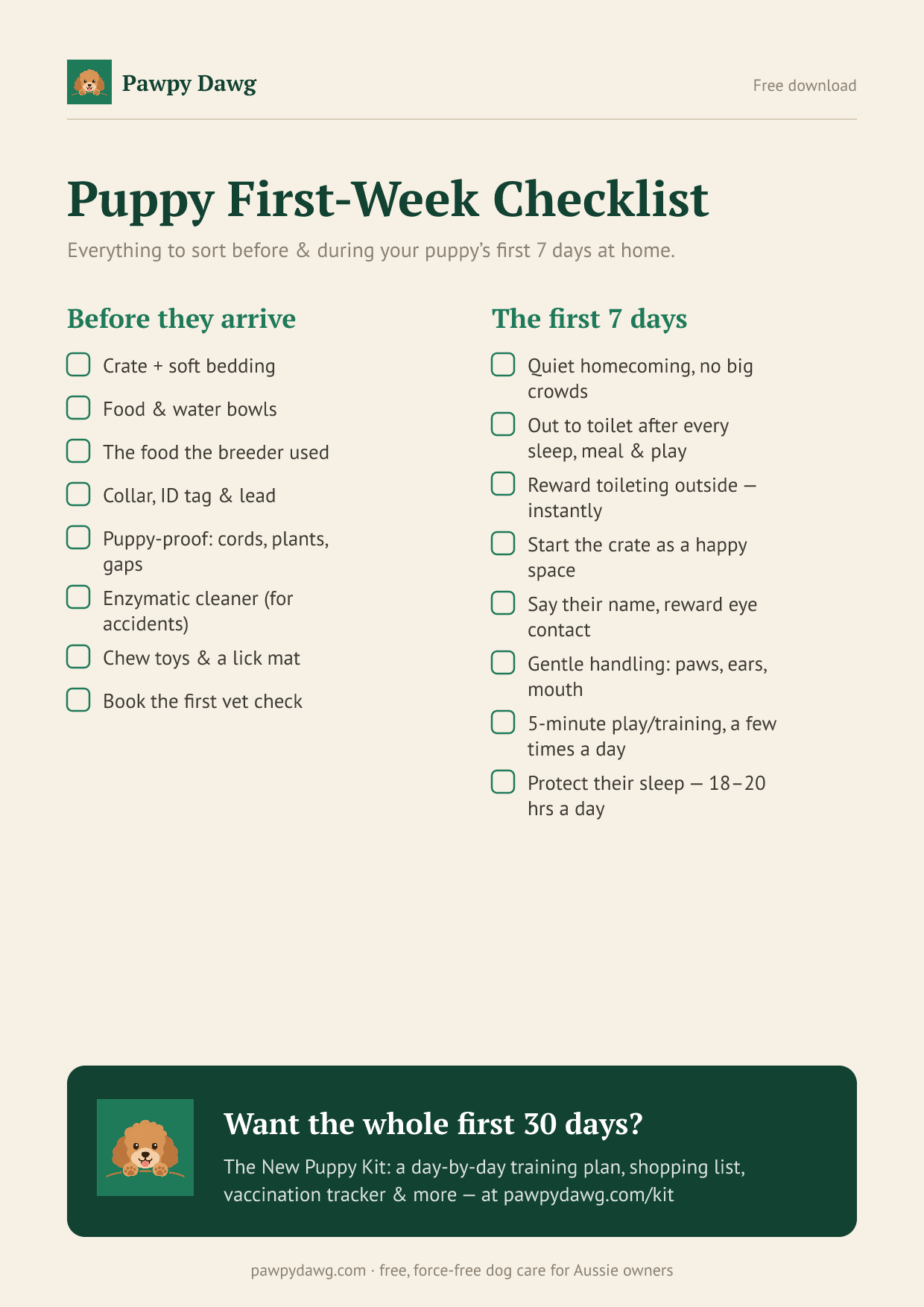
Free printable
Free: the Puppy First-Week Checklist
Everything to sort before and during your puppy's first 7 days home — a printable one-pager. Plus the occasional genuinely useful dog tip. No spam, unsubscribe anytime.
Related guides
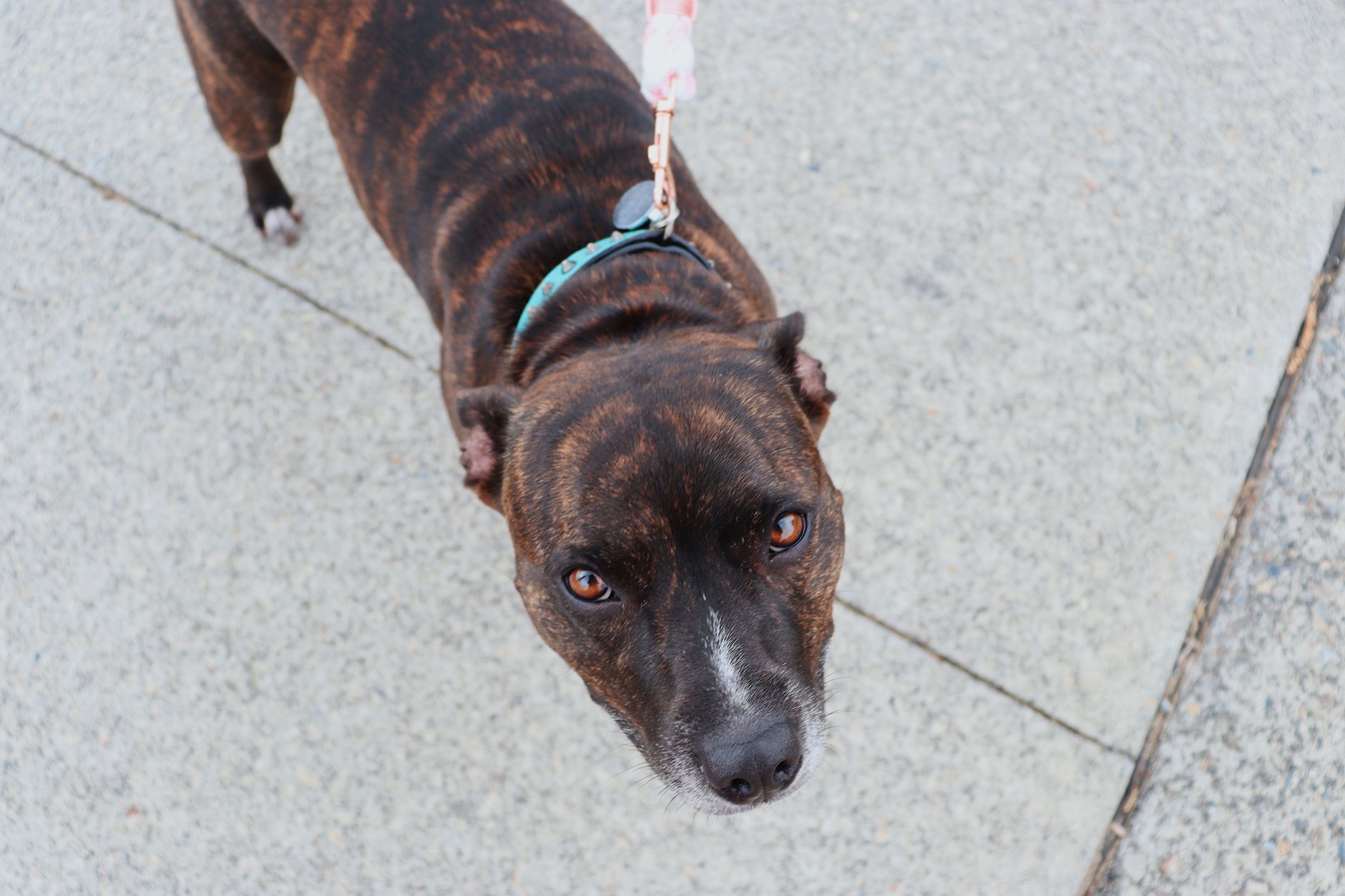
How to Stop a Jack Russell Terrier Pulling on the Lead (Step-by-Step)
Tired of your Jack Russell terrier pulling on the lead? This step-by-step positive-reinforcement plan gets results in 5–10 min/day. Start today.
Read the guide →
How to Stop a Jack Russell Terrier Barking at Strangers (Step-by-Step)
Tired of your Jack Russell terrier barking at strangers? This step-by-step positive-reinforcement plan gets real results in 5–10 min daily sessions.
Read the guide →
Jack Russell Terrier Separation Anxiety: A Step-by-Step Fix
Struggling with Jack Russell terrier separation anxiety? Get a realistic, step-by-step positive-reinforcement plan — with a quick win you can try tonight.
Read the guide →