
Golden Retriever Separation Anxiety: A Step-by-Step Fix
Golden retriever separation anxiety is stressful — for you and your dog. Here's a realistic, step-by-step positive-reinforcement plan that actually works.

Written by Bradley Brown
Founder & editor · Reviewed 2026-07-04
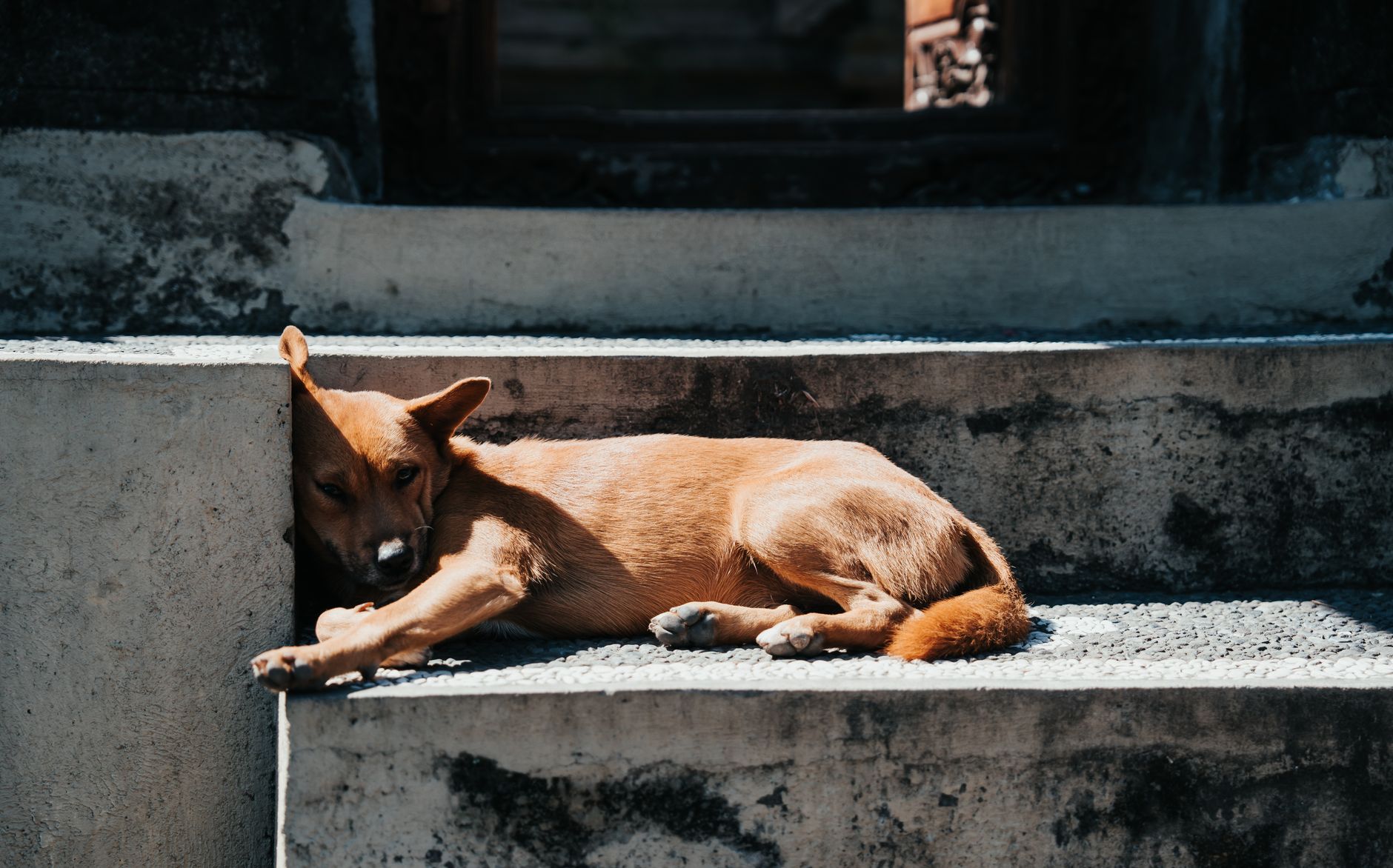
You came home to shredded cushions, a scratched door frame, or a noise complaint from the neighbours. Or maybe you watched the puppy camera and felt your stomach drop seeing your Golden pacing and whining the moment you left. Either way — you're not a bad owner, and your dog isn't broken. Separation anxiety is one of the most common behaviour issues in Golden Retrievers, and it's genuinely fixable with the right approach.
Here's a practical plan you can start today.
Why Goldens Are Especially Prone to This
Golden Retrievers were bred to work alongside humans all day. That velcro-dog loyalty is exactly what makes them wonderful — and exactly why being alone feels genuinely distressing to many of them. This isn't wilful disobedience or manipulation. When a dog with separation anxiety destroys your couch, they're having a stress response, not throwing a tantrum.
Common signs include:
- Destructive behaviour focused near exits (doors, windows)
- Howling, barking, or whining shortly after you leave
- Toileting indoors despite being house-trained
- Excessive drooling or panting
- Shadowing you constantly before you leave (a key early warning sign)
Your Quick Win for Today: The "No Big Deal" Departure
Before you dive into a full training programme, try this today to immediately reduce departure stress:
Stop the long goodbye. Drawn-out farewells ("I'll be back soon, I love you so much, be a good boy!") actually heighten anxiety by signalling that something significant is about to happen. Instead:
- Pick up your keys and bag, then sit back down and do nothing for two minutes.
- When you do leave, walk out calmly with zero fanfare — no eye contact, no voice.
- When you return, wait until your dog has all four paws on the floor before you greet them. Keep your own energy calm.
This alone won't solve severe anxiety, but it immediately lowers the emotional spike around departures and gives your dog a small dose of "nothing bad happens when you leave."
The Step-by-Step Training Plan
This is called systematic desensitisation — the gold-standard approach backed by veterinary behaviourists. The core idea: practise absences so short your dog stays relaxed, then very gradually increase duration. Rushing this is the number-one mistake owners make.
Step 1 — Build a Positive "Alone Spot" (Days 1–3)
Choose a comfortable, safe space (a pen, a room, or a crate your dog already likes). For five minutes a day, scatter high-value treats there — think small pieces of cheese, chicken, or a stuffed Kong — while you're still present. You're building a bank of good associations before you even leave.
Step 2 — Practise Micro-Absences (Days 3–7)
Start with absences of just 10–30 seconds:
- Ask your dog to stay in their spot, step outside the room, and return before they have a chance to worry.
- Return calmly. No big reward for "surviving" — you want staying alone to feel normal, not heroic.
- Repeat 5–6 times per session, once a day.
If your dog is already anxious at 10 seconds, go shorter. The goal is always to stay under the threshold where stress starts.
Step 3 — Gradually Increase Duration (Weeks 2–4)
Add time in small increments — think 30 seconds → 1 minute → 3 minutes → 5 minutes → 10 minutes. This is not a linear daily climb; some days you'll hold at the same duration or go back a step if your dog seems more stressed than usual (after a vet visit, a storm, a change in routine).
A rough progression guide:
| Week | Target Solo Duration | Sessions Per Day |
|---|---|---|
| 1 | Up to 5 minutes | 2 × 5 min |
| 2 | Up to 15 minutes | 1–2 × 5 min |
| 3 | Up to 30 minutes | 1 × 5 min |
| 4+ | Up to 1–2 hours | 1 × 5 min |
Step 4 — Add Real-Life Departures
Once your dog is comfortable with 30+ minutes in training sessions, start layering in actual short outings — a quick trip to the letterbox, then a 10-minute drive, then a coffee run. Use a pet camera to check in. If you see distress (pacing, vocalising) within the first few minutes, the jump was too big. Dial back.
Common Mistakes That Slow Progress
- Going too fast. If your dog is distressed, the session has already failed. Slow down.
- Inconsistency. Practising the plan four days then abandoning it for a week resets progress significantly.
- Punishment. Scolding a dog for anxiety-related destruction increases anxiety. It never helps.
- Only using the crate during absences. If the crate only appears when you leave, it becomes a predictor of alone time. Use it for naps and downtime too.
- Skipping exercise. A Golden who hasn't had adequate physical and mental stimulation before a solo period will find it much harder to settle.
Management While You're Training
Training takes weeks, not days. In the meantime, you still need to leave the house. Use these strategies to prevent setbacks:
- Dog daycare or a trusted dog-sitter for longer absences (search for accredited services; prices vary widely, but budget roughly $35–$80 AUD per day for daycare in most Australian cities).
- A frozen stuffed Kong or licki mat given only when you leave — the novelty keeps it high-value.
- Adaptil (DAP) diffusers or collar — a synthetic dog-appeasing pheromone available from most Australian vet clinics and pet stores; evidence is mixed but some dogs respond well and it's low-risk.
- Background noise — an ABC radio stream or a purpose-built playlist like "Through a Dog's Ear" can soften environmental triggers.
When to Call in the Professionals
If your dog is injuring themselves trying to escape, has shown no improvement after four weeks of consistent work, or if the anxiety is severe from the very start of your absence, it's time to get help. This is not failure — it's the right call.
Seek out:
- A veterinary behaviourist (find one via the Australian and New Zealand College of Veterinary Scientists) — they can also assess whether anti-anxiety medication would help bridge the gap while training takes effect. Medication isn't a shortcut; it's a tool that makes the dog able to learn.
- A certified applied animal behaviourist or a trainer who uses force-free methods — look for members of the Pet Professional Guild Australia or the PPGA.
Avoid trainers who use dominance theory, punishment, or alpha-based methods for anxiety. These approaches are not supported by current veterinary science and can make separation anxiety significantly worse.
Realistic Timelines
Mild cases often show meaningful improvement in 2–4 weeks of consistent daily work. Moderate cases typically take 6–12 weeks. Severe cases may need several months plus veterinary support. Progress is rarely a straight line — a stressful week (fireworks, a house move, a new baby) can cause temporary regression, and that's normal. You pick up where you left off.
Your Golden hasn't forgotten everything. They're just having a hard week. Keep going.
As an Amazon Associate we earn from qualifying purchases.
Frequently asked questions
How long does it take to fix separation anxiety in a Golden Retriever?
Mild separation anxiety often improves noticeably within 2–4 weeks of consistent daily training. Moderate cases typically take 6–12 weeks, and severe cases may require several months alongside veterinary support. Progress isn't always linear — expect some setbacks during stressful events like storms or routine changes.
Can I crate my Golden Retriever to manage separation anxiety?
A crate can help if your dog already has a positive association with it, as it can feel like a safe den. However, if your dog isn't crate-trained, forcing them into one during absences can intensify panic and lead to injury. Introduce the crate gradually and use it during calm times too, not only when you leave.
Should I get another dog to keep my Golden Retriever company?
Getting a second dog is rarely a reliable fix for separation anxiety. Dogs with true separation anxiety are bonded to their people, not just to other animals — many remain distressed even with a canine companion present. It's worth addressing the anxiety first before making the significant commitment of adding another dog to your household.
Is medication an option for Golden Retriever separation anxiety?
Yes, and for moderate-to-severe cases it's often recommended by veterinary behaviourists. Medications like fluoxetine or clomipramine don't sedate the dog — they reduce the baseline anxiety enough that training can actually work. Medication is most effective when used alongside a behaviour modification programme, not as a standalone solution.
Why does my Golden Retriever only destroy things near the door when I leave?
Destruction focused around exit points (doors, windows, flyscreens) is a classic sign of separation anxiety rather than boredom or general mischief. The dog is attempting to follow or find you. This is a stress response, and punishment after the fact won't help — the dog can't connect the consequence to behaviour that happened hours ago.
My Golden Retriever is fine for short absences but panics after an hour — is that still separation anxiety?
Yes, this is a common pattern. Some dogs have a 'tolerance threshold' and cope well for a period before anxiety peaks. The good news is this is very workable with systematic desensitisation — you build duration gradually so the dog never reaches that panic point, eventually extending their comfortable alone time well beyond the old threshold.
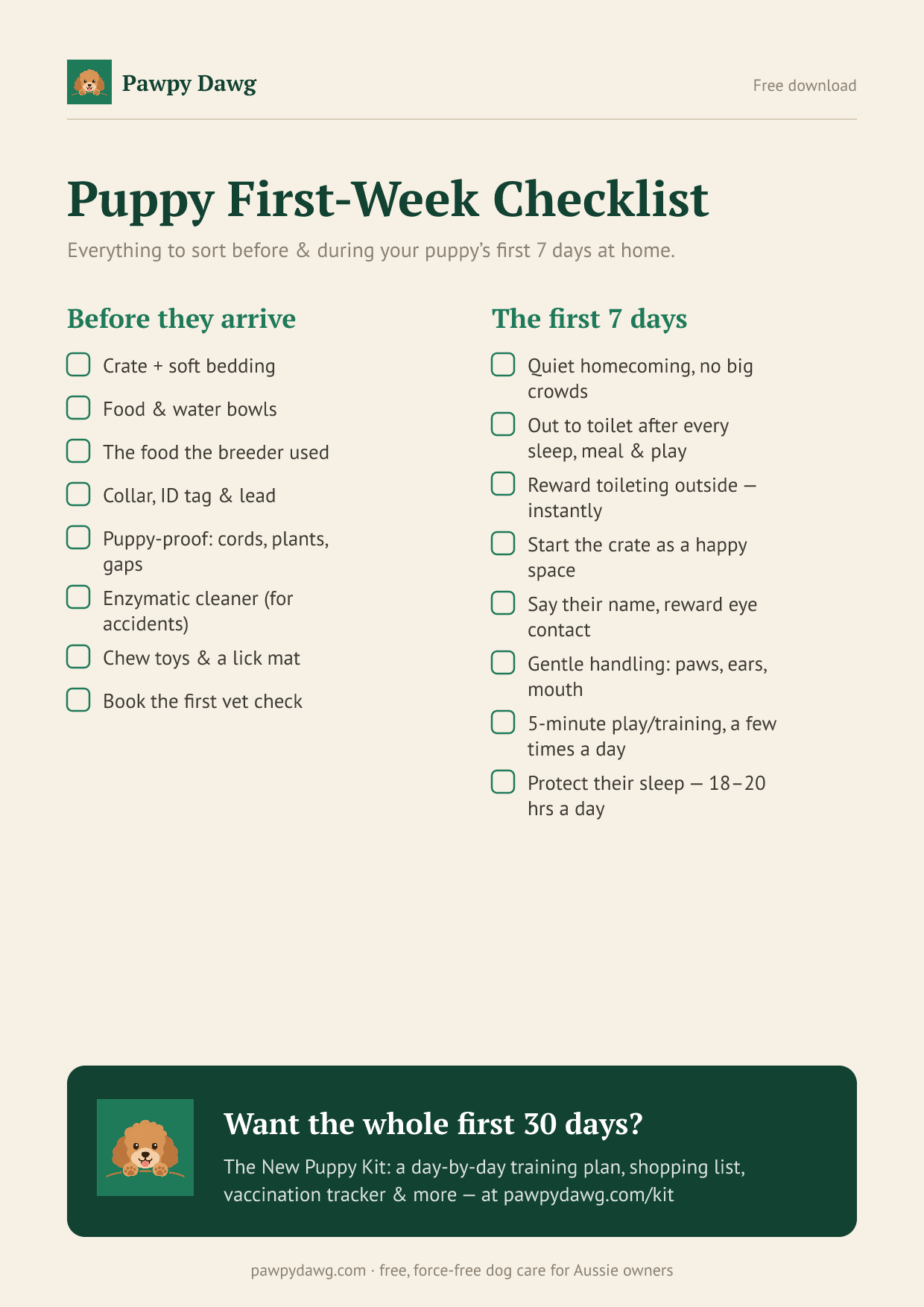
Free printable
Free: the Puppy First-Week Checklist
Everything to sort before and during your puppy's first 7 days home — a printable one-pager. Plus the occasional genuinely useful dog tip. No spam, unsubscribe anytime.
Related guides
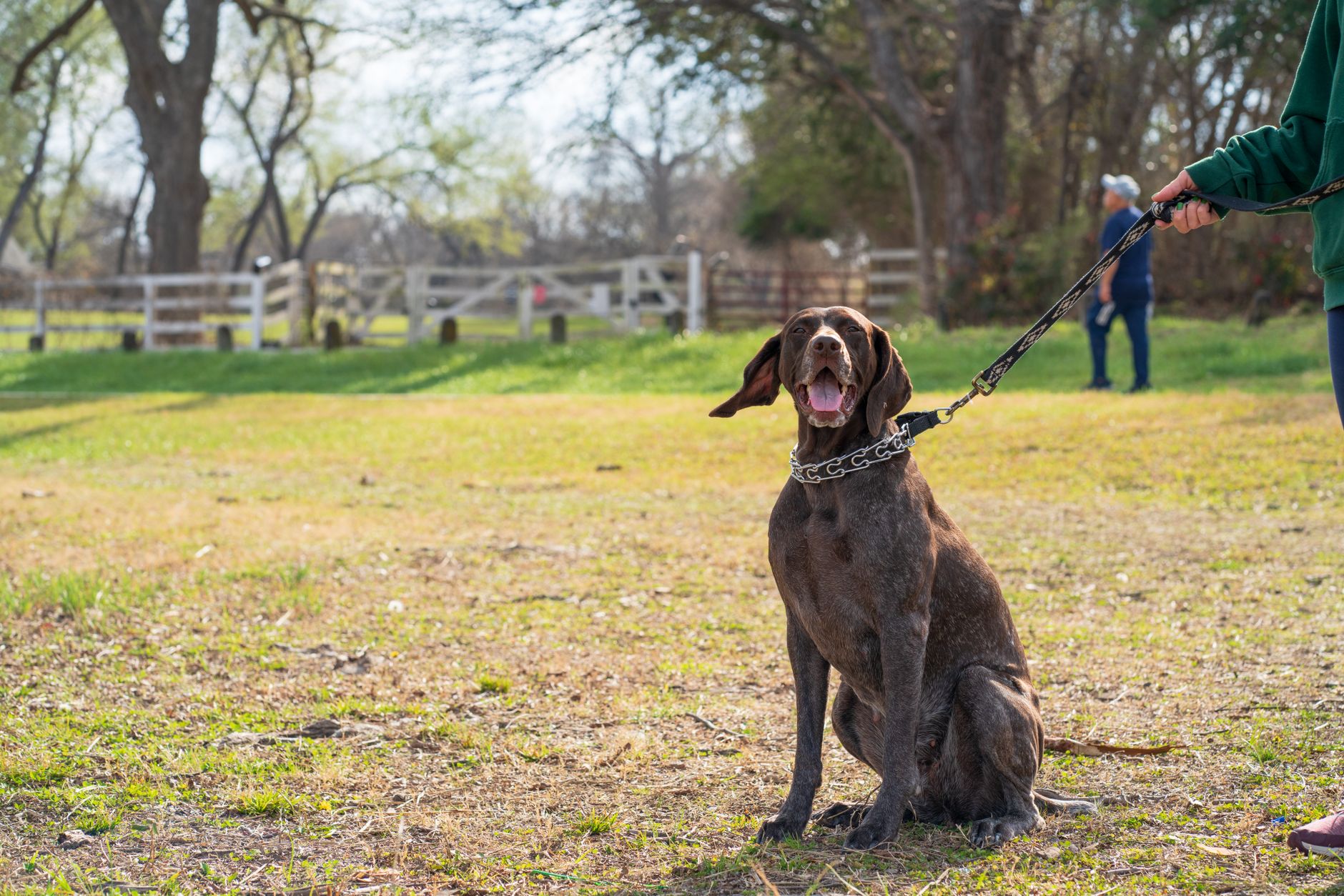
How to Stop a Golden Retriever Pulling on the Lead (Step-by-Step)
Tired of being dragged down the street? Here's a practical, positive-reinforcement plan to stop your golden retriever pulling on the lead — starting today.
Read the guide →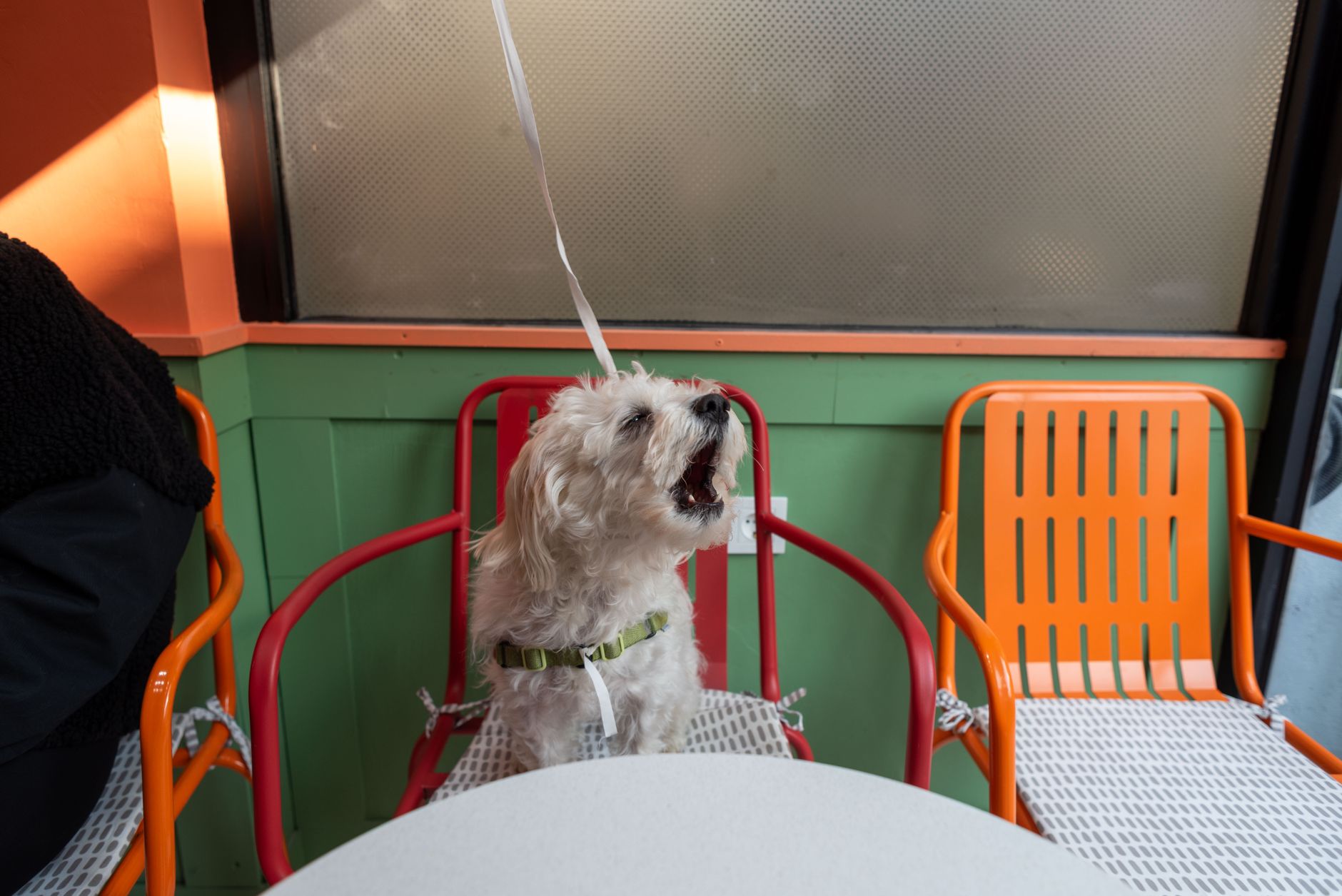
How to Stop a Golden Retriever Barking at Strangers (Step-by-Step)
Stop your golden retriever barking at strangers with this positive-reinforcement plan. Step-by-step training, realistic timelines & when to call a pro. 🐾
Read the guide →
How to Stop a Golden Retriever Jumping Up on People (Step-by-Step)
Tired of your Golden Retriever jumping up on people? This step-by-step positive-reinforcement plan gets real results in 5–10 min/day. Start today.
Read the guide →