
Golden Retriever Not Coming When Called? A Step-by-Step Recall Fix
Golden retriever not coming when called? This step-by-step recall fix uses positive reinforcement, 5-min daily sessions & real timelines to get results fast.

Written by Bradley Brown
Founder & editor · Reviewed 2026-07-05
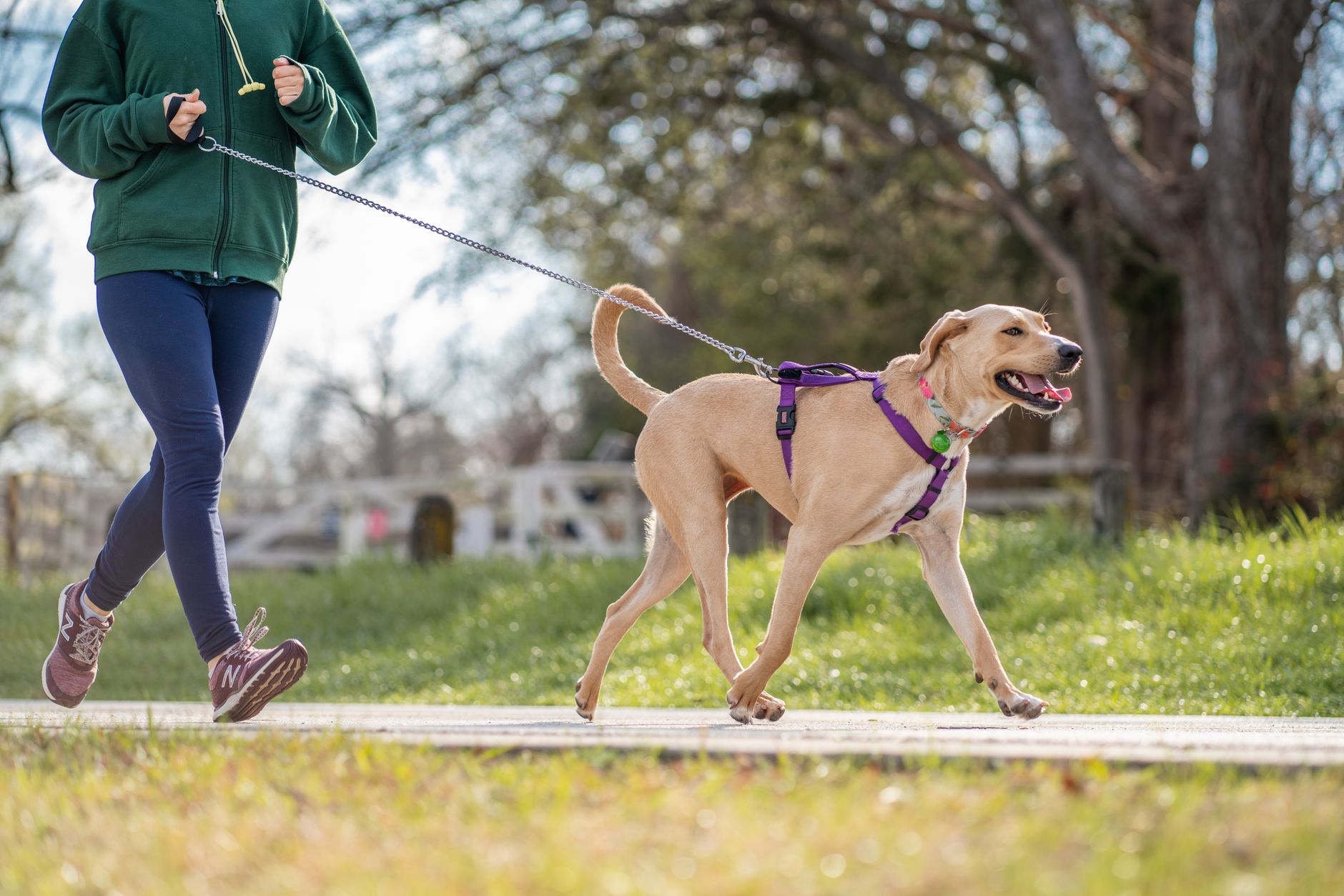
You called. Your golden looked straight at you — tail wagging, ears up — and then turned and bolted toward the park bin. Again. If you've just come home from a walk like that, or you're sitting next to a demolished throw pillow wondering what went wrong, you're not alone and you haven't ruined your dog.
Recall is genuinely one of the hardest skills to build, and goldens are especially tricky: they're social, distraction-hungry, and bred to follow their nose and their enthusiasm rather than a human's schedule. The good news is that a broken recall is almost always a training gap, not a character flaw — and it's fixable.
Here's one thing you can try tonight: grab the best treat in your house (cheese, chicken, whatever your dog loses their mind over), wait until your dog wanders into the same room as you, say their name once in a happy voice, and the moment they look at you, crouch down, smile, and celebrate them like they've just won the lottery. That's the seed of a recall. You're not asking them to "come" yet — you're just reminding them that responding to you is the best deal in the house.
Now let's build the rest.
Why Goldens Struggle With Recall
Before fixing it, it helps to understand why it breaks down.
- The outside world outcompetes you. Smells, dogs, kids, birds — your golden's brain is flooded with dopamine outdoors. If coming to you has ever meant "fun ends," you're already at a disadvantage.
- The word "come" has been poisoned. Every time you've called your dog to clip their nails, end a swim, or tell them off, you've made the word slightly less appealing. Dogs learn by association.
- Inconsistent reinforcement. If recall sometimes gets a pat and sometimes gets nothing, your dog is essentially playing a poker machine that rarely pays out. They'll try other things instead.
- The command was added too early. Many owners start practising recall in busy parks before the dog has ever learned it in a quiet hallway. That's like teaching a child maths in the middle of a carnival.
The Step-by-Step Recall Fix (5–10 Minutes a Day)
Step 1: Start a New Word (Days 1–3)
If "come" is already loaded with bad associations, give it a rest. Pick a fresh recall cue — many trainers use "here," "close," or even a short whistle. You'll use this exclusively going forward.
Practice indoors only. Say the new cue in a bright, upbeat tone from one metre away. When your dog arrives, deliver a high-value treat immediately and make a fuss. Do 10–15 repetitions per session. That's it. Stop before your dog gets bored.
Step 2: Build Value Before Distance (Days 4–7)
Your dog needs to believe, in their bones, that coming to you is the single best decision they can make at any given moment.
- Always use high-value treats (cooked chicken, cheese, Fritz, small pieces of sausage) — not their regular kibble
- Vary the reward: sometimes a treat, sometimes a short game of tug, sometimes both
- Never call your dog to you for something they dislike (bath, nail trim, end of play) during this phase — go and get them instead
- End every recall with a release word ("free!" or "okay!") so they learn coming to you doesn't always mean the fun stops
Step 3: Add Distance and Distraction Gradually (Week 2)
Once your dog is flying to you indoors, move outside — but start in your backyard with zero other dogs or people around.
Progression checklist:
- Reliable recall in one room of the house
- Reliable recall across the house
- Reliable recall in the backyard (quiet)
- Reliable recall in the backyard (while distracted by a toy)
- Reliable recall at a quiet park on a long lead (10–15 m)
- Reliable recall at a quiet park off lead
- Reliable recall at a busier location
Only move to the next level when you're getting 8 out of 10 successful responses at the current level. Rushing this is the most common reason recall falls apart.
Step 4: Use a Long Lead for Off-Lead Practice
A 10–15 metre training lead (available at most Australian pet stores for around $20–$40 AUD) lets your dog experience "freedom" while you retain control. Let the lead drag on the ground. Call your dog. If they don't respond within three seconds, gently take up the lead and guide them to you — then reward warmly anyway. You're not punishing; you're just making sure every single rep ends with them arriving at you and getting something good.
Never call your dog and then chase them if they ignore you. That turns recall into a game of chasey that your dog will win every time.
Common Mistakes That Stall Progress
| Mistake | Why It Hurts | Fix |
|---|---|---|
| Repeating the cue ("come, come, COME!") | Teaches them the first "come" is optional | Say it once, then go get them |
| Punishing them when they eventually arrive | Poisons the recall permanently | Always reward arrival, no matter how long it took |
| Only rewarding in training sessions | Recall needs to pay off in real life too | Keep treats in a pocket or near the door |
| Practising off-lead before it's solid on-lead | Sets them up to fail and rehearse ignoring you | Follow the progression checklist above |
| Calling them away from another dog mid-play | Too much competition — almost always fails early on | Recall before they're fully engaged, or skip it |
Realistic Timelines
A solid recall doesn't happen in a week — but you'll see meaningful improvement within two to three weeks of consistent daily practice if you're following the progression above. A genuinely reliable recall in high-distraction environments (dog parks, beach, busy trails) typically takes two to three months of deliberate work.
That's not a failure timeline — it's just how long it takes for a behaviour to become truly ingrained. Goldens are smart and motivated; they just need repetition and clarity.
When to Get Professional Help
Most recall problems respond well to the steps above, but consider booking a session with an accredited trainer (look for membership with the Pet Professional Guild Australia or Delta Society Australia) if:
- Your dog has a strong prey drive and disappears after wildlife
- They've been hit by a car or had a frightening off-lead incident
- There's underlying anxiety driving the avoidance
- You've been consistent for six-plus weeks with no improvement
A single one-hour session with a good trainer can identify what's specifically going wrong and save you months of frustration. Expect to pay $80–$150 AUD for a private session in most Australian cities.
The One Rule That Holds It All Together
Coming to you must always be worth it. Every single time. Not just in training, not just when you have treats, not just when you're in a good mood. If your golden learns that you are reliably the most rewarding thing in their world, recall becomes the easy choice — not a battle of wills.
You haven't ruined your dog. You've just found the gap. Now you know where to start.
Frequently asked questions
Why does my golden retriever ignore me when I call them at the park?
Outdoors, your dog is competing with an enormous number of smells, sights, and social opportunities — all of which can outcompete a word they've learned doesn't always mean something great. It usually means the recall cue hasn't been trained to be strong enough to work under that level of distraction yet. Start rebuilding recall in low-distraction environments first, then gradually work up to the park on a long lead before attempting it off-lead.
Is it too late to teach my adult golden retriever to come when called?
No — adult dogs are absolutely capable of learning a reliable recall, and in some ways they're easier to train than puppies because they have better focus. The process is the same regardless of age: build value for the cue, progress gradually, and keep sessions short and positive. Many owners of adult dogs see solid improvement within a few weeks of consistent practice.
Should I punish my golden for not coming when called?
No, and this is one of the most important rules in recall training. Even if your dog took five minutes to come back, always reward them warmly when they arrive. Punishing a dog for eventually returning teaches them that coming to you leads to something bad — which makes future recalls even harder. Save any frustration for after the moment has passed.
What treats work best for recall training with a golden retriever?
Use the highest-value treats your dog responds to — cooked chicken breast, cheese, small pieces of sausage, or Fritz are popular choices with Australian owners. The treat needs to be special enough to compete with whatever distraction is nearby, so save these specifically for recall practice rather than everyday rewards. Small pieces (pea-sized) are ideal so your dog stays motivated without filling up.
How long does it take to fix a golden retriever's recall?
You should see noticeable improvement within two to three weeks of daily five-to-ten minute sessions if you follow a structured progression. A genuinely reliable recall in high-distraction environments — busy parks, beaches, off-lead areas — typically takes two to three months of consistent work. Rushing the progression is the most common reason recall falls apart, so don't skip steps.
Can I use a whistle instead of a verbal recall cue for my golden retriever?
Yes, and many trainers recommend it. A whistle produces a consistent sound that doesn't carry the emotional tone of your voice (which can vary when you're frustrated or anxious), making it easier for your dog to read clearly. A shepherd's or gundog whistle costs around $10–$25 AUD and is conditioned the same way as a verbal cue — pair it with high-value treats and build up gradually from short distances.
Free printable
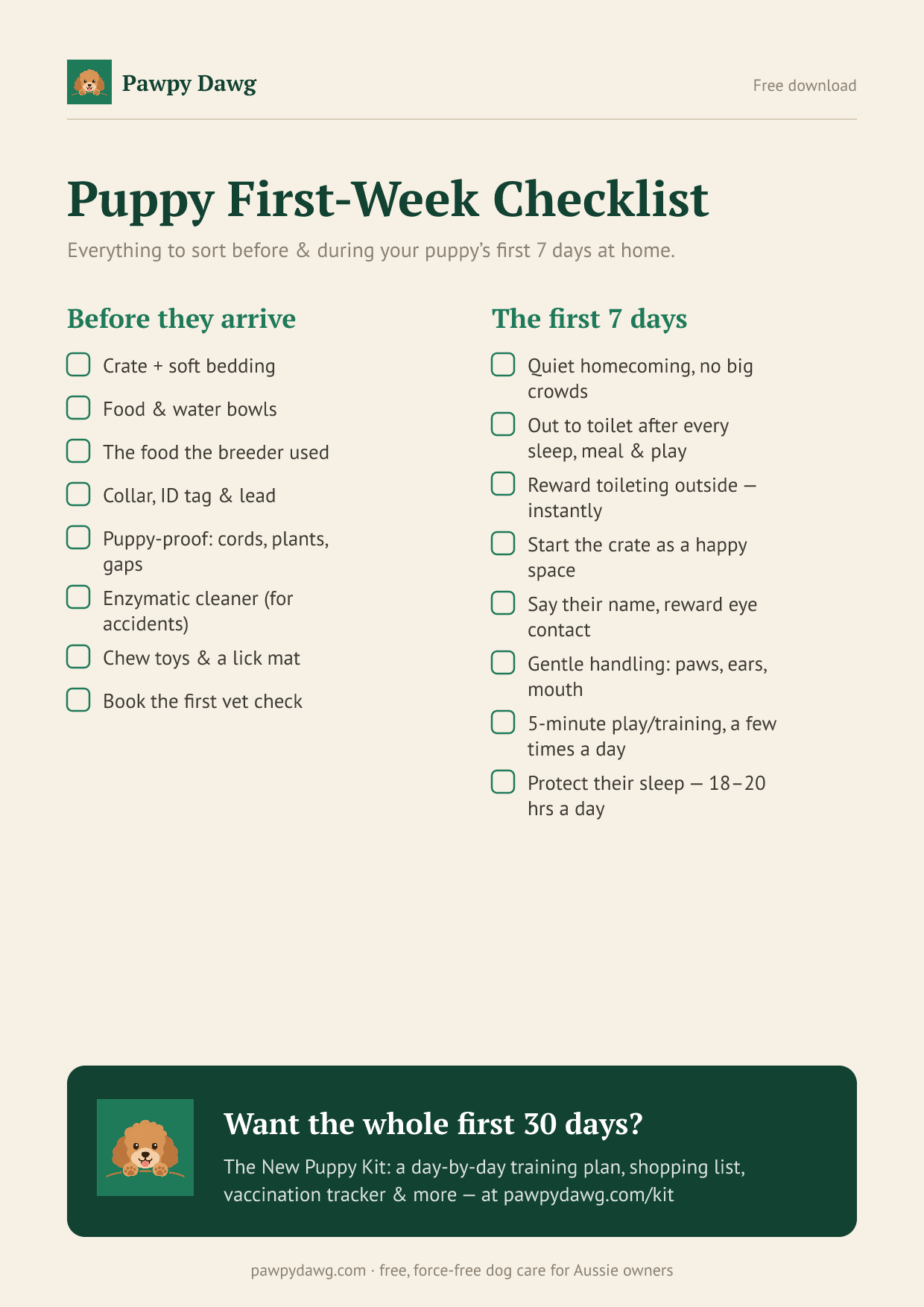
Free: the Puppy First-Week Checklist
Everything to sort before and during your puppy's first 7 days home — a printable one-pager. Plus the occasional genuinely useful dog tip. No spam, unsubscribe anytime.
Related guides
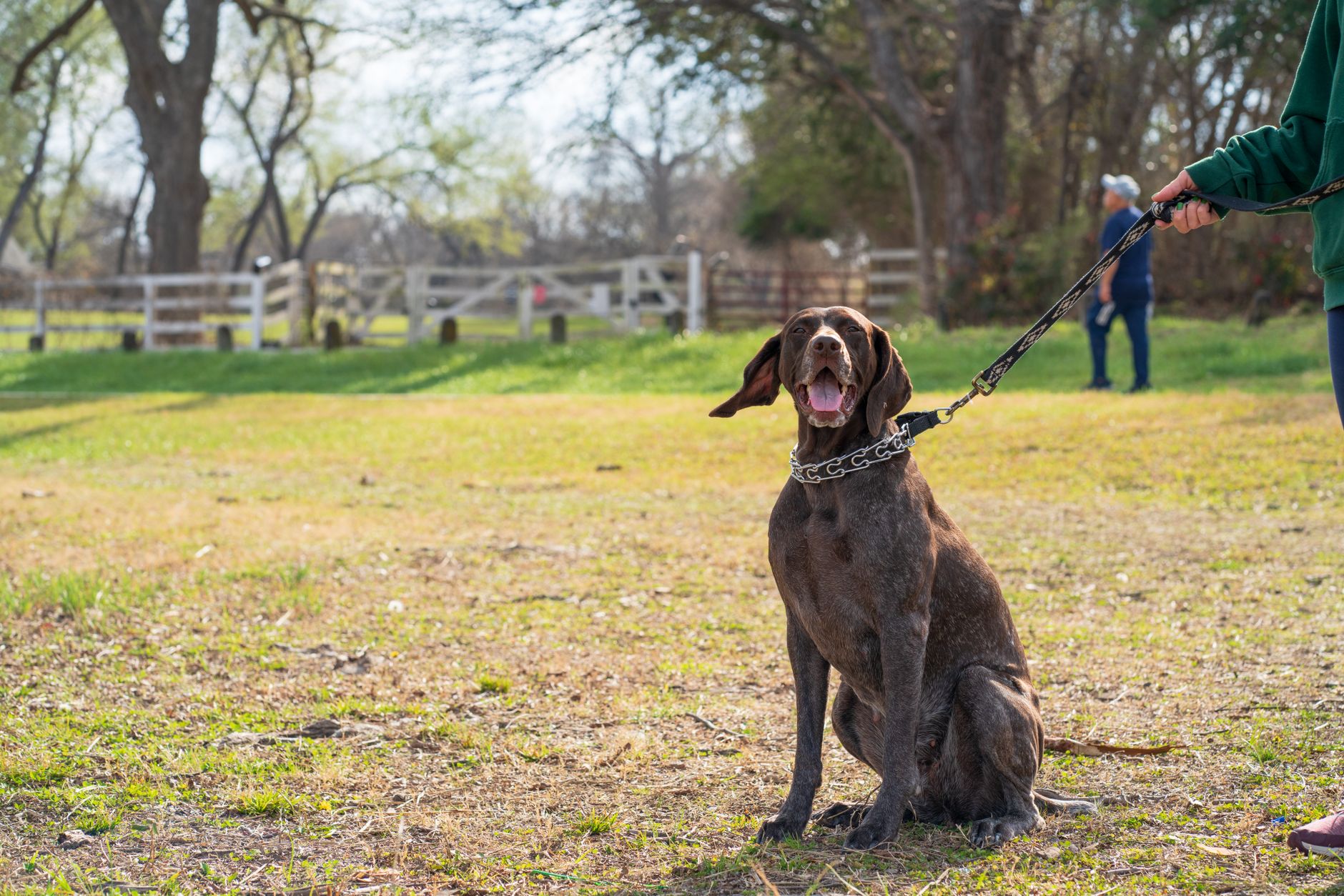
How to Stop a Golden Retriever Pulling on the Lead (Step-by-Step)
Tired of being dragged down the street? Here's a practical, positive-reinforcement plan to stop your golden retriever pulling on the lead — starting today.
Read the guide →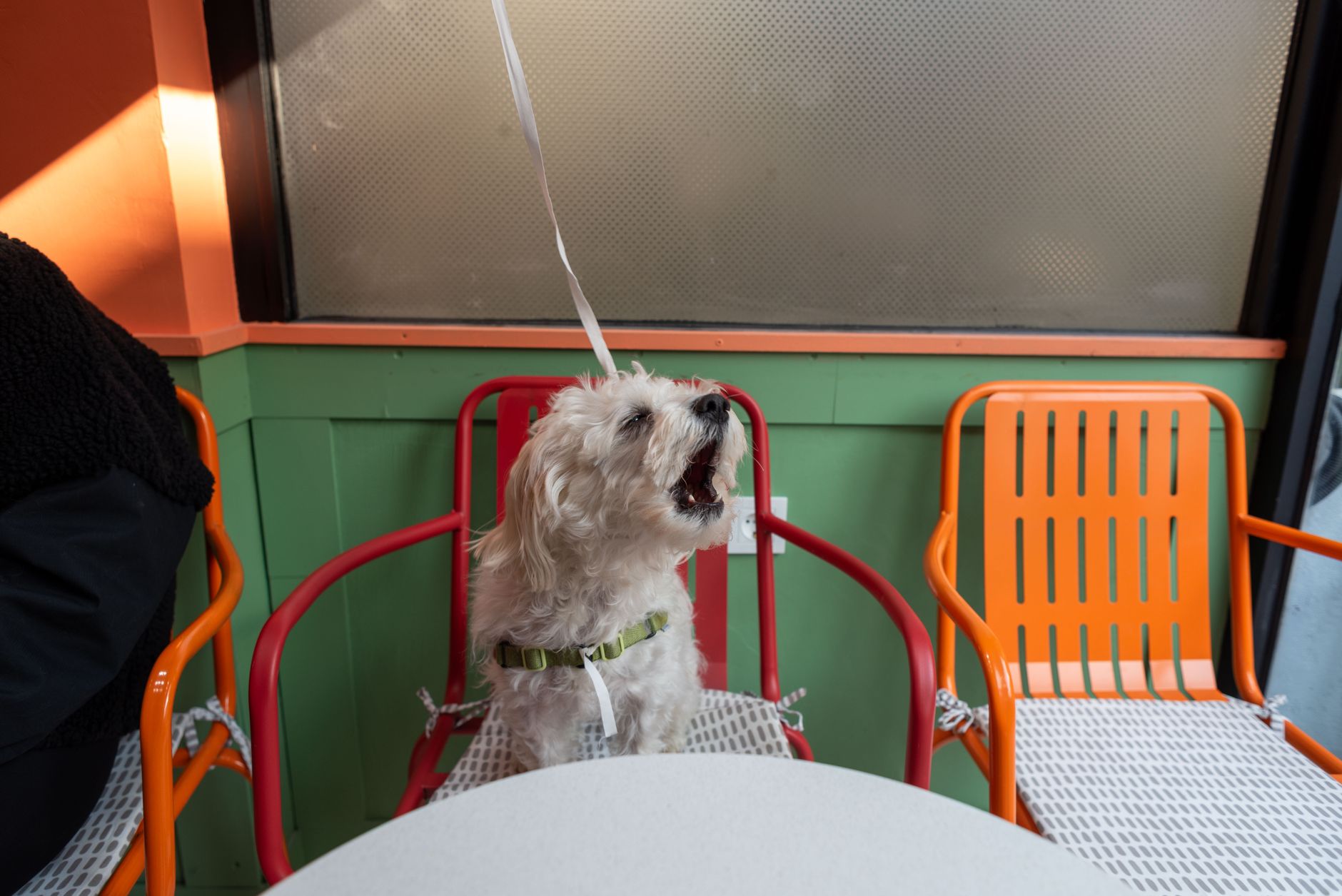
How to Stop a Golden Retriever Barking at Strangers (Step-by-Step)
Stop your golden retriever barking at strangers with this positive-reinforcement plan. Step-by-step training, realistic timelines & when to call a pro. 🐾
Read the guide →
Golden Retriever Separation Anxiety: A Step-by-Step Fix
Golden retriever separation anxiety is stressful — for you and your dog. Here's a realistic, step-by-step positive-reinforcement plan that actually works.
Read the guide →