
How to Stop a Golden Retriever Chewing Everything (Step-by-Step)
Tired of chewed shoes and shredded cushions? Stop golden retriever destructive chewing with this practical, positive-reinforcement plan—realistic timelines included.

Written by Bradley Brown
Founder & editor · Reviewed 2026-07-05
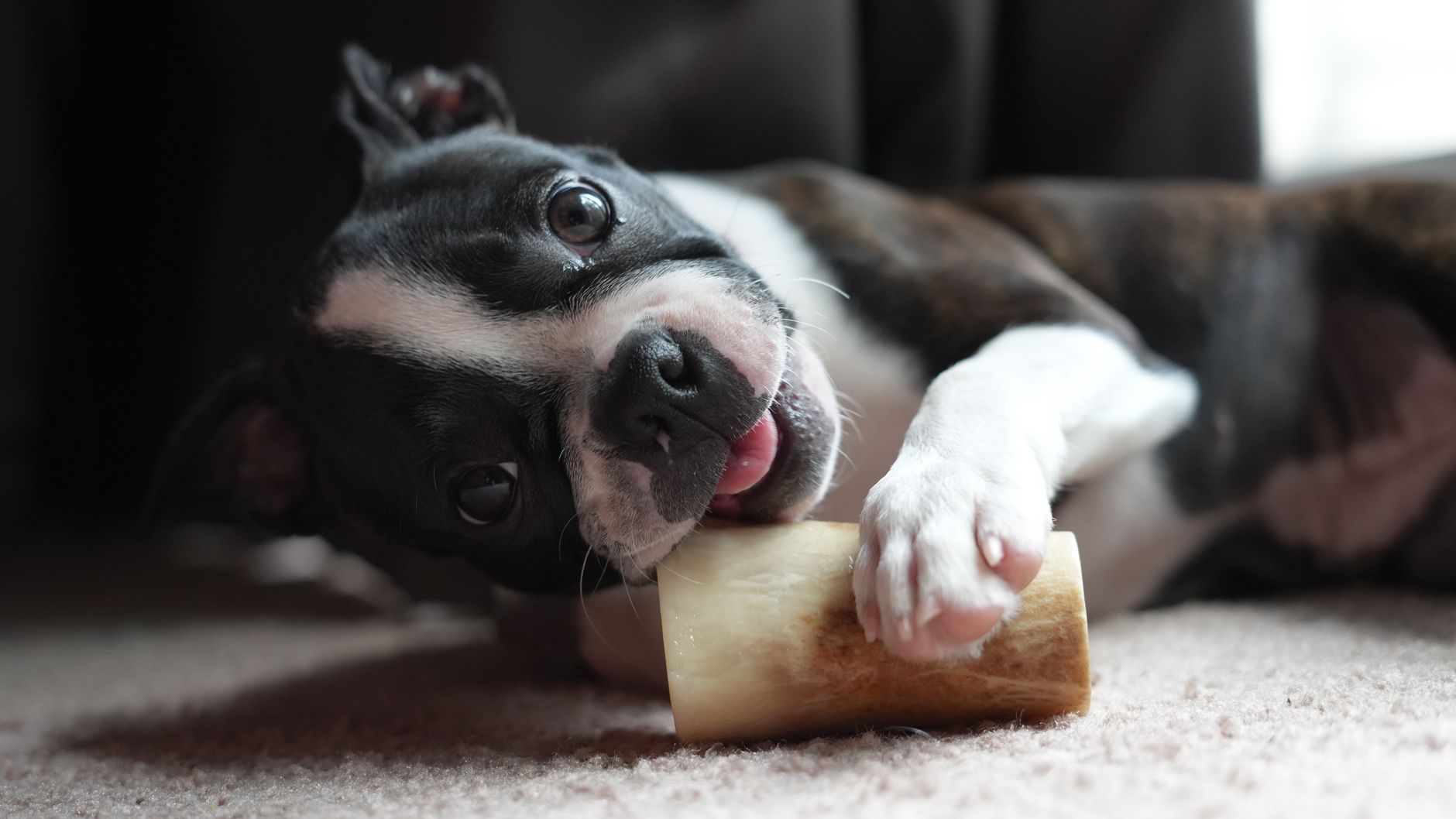
You came home to a gutted cushion, or maybe it was your favourite sneakers. Either way — that sinking feeling is real, and you're not alone. Golden Retrievers are mouthy by nature (they were literally bred to carry things in their mouths all day), so if yours is chewing through your house, the problem is not that you've raised a broken dog. The behaviour makes complete sense. The good news: it's one of the most fixable issues in dog training.
Here's a practical plan you can start using today.
Your Quick Win for Today: The Swap Game
Before anything else, try this right now. Every time your dog picks up something they shouldn't have, calmly walk over, offer a high-value treat or their favourite toy, and say "swap." When they drop the item, praise them warmly and let them have the toy or treat. No chasing, no scolding, no drama.
This does two things immediately: it stops reinforcing the "grab something and you'll get attention" loop, and it begins teaching your dog that releasing things leads to good outcomes. Five minutes of this today will do more than a long lecture ever could.
Why Golden Retrievers Chew So Much
Understanding the why makes fixing it far easier.
- Breed instinct. Goldens were developed as retrieving dogs. Carrying and mouthing objects is deeply wired into them.
- Boredom and under-stimulation. A bored Golden is a destructive Golden. They need both physical and mental exercise.
- Teething (puppies). Between 3–6 months, chewing relieves the discomfort of adult teeth coming through.
- Anxiety. Chewing releases calming endorphins. Dogs that chew when left alone may be experiencing separation stress.
- Attention-seeking. If grabbing the TV remote has always made you leap off the couch, that's a self-reinforcing game for your dog.
Most destructive chewing falls into one of these categories — none of which are your fault, and all of which respond to the same core approach.
Step-by-Step: The 5–10 Minute Daily Plan
You don't need hours. You need consistency. Here's what a sustainable routine looks like.
Step 1 — Manage the Environment (Days 1–7)
Management is not giving up — it's setting your dog up to succeed while training kicks in.
- Tether or confine when unsupervised. Use a crate, playpen, or baby gate to limit access to "chewable zones."
- Pick up temptations. Shoes, kids' toys, TV remotes — if it's on the floor, it's fair game in your dog's mind.
- Rotate three to four appropriate chews. Bully sticks, raw meaty bones (ask your vet for size-appropriate options), rubber Kongs, and rope toys all work well. Rotate them so novelty stays high.
Checklist: Before you leave the house
- Dog is in a safe, confined space
- Appropriate chew item is available
- Nothing valuable is within reach
- Dog has had at least a short walk or play session
Step 2 — Teach "Leave It" and "Swap" (Days 1–14)
Run these as two separate 3–5 minute sessions per day:
Leave it (3 minutes):
- Hold a treat in your closed fist.
- Let your dog sniff and paw at it. Wait.
- The moment they pull back or look away, say "yes" and reward with a different treat from your other hand.
- Repeat. Gradually introduce the verbal cue "leave it" once they understand the game.
Swap (3 minutes):
- Give your dog a low-value toy.
- Approach with a high-value treat.
- Offer the treat, say "swap," and take the toy gently when they drop it.
- Give the toy back after a few seconds — this teaches them giving things up doesn't mean losing them forever.
Step 3 — Increase Mental and Physical Stimulation (Ongoing)
Many chewing problems reduce dramatically once dogs are genuinely tired. The goal isn't exhaustion — it's healthy stimulation.
| Activity | Time Needed | Mental or Physical? |
|---|---|---|
| Sniff walk (let them lead and sniff) | 15–20 min | Both |
| Kong stuffed with frozen kibble/peanut butter | 10–20 min | Mental |
| Basic obedience training (sit, drop, stay) | 5 min | Mental |
| Backyard fetch | 10 min | Physical |
| Puzzle feeder at meal time | 5 min | Mental |
Aim for at least one mental and one physical activity per day. This alone can cut destructive chewing by half.
Step 4 — Redirect, Don't Punish (Ongoing)
Punishment — yelling, spray bottles, physical correction — does not teach your dog what to do instead. It creates anxiety, and anxious dogs chew more. Every time you catch your dog chewing something inappropriate:
- Calmly interrupt with a neutral "uh-uh" or clap.
- Immediately redirect to an appropriate chew.
- Praise the moment they engage with it.
That's the whole sequence. Three seconds, every time.
Common Mistakes That Make It Worse
- Giving your dog old shoes or socks to chew. Dogs cannot distinguish "old shoe" from "new shoe." Don't do it.
- Punishing after the fact. If you didn't catch them in the act, they cannot connect your reaction to the chewing. You'll only confuse them.
- Inconsistency. If chewing the couch sometimes gets a toy and sometimes gets ignored, the behaviour won't change reliably.
- Free-roaming too early. Giving full house access before the behaviour is solid is how relapses happen. Earn that freedom gradually.
Realistic Timelines
| Stage | What to Expect |
|---|---|
| Days 1–7 | Chewing incidents reduce due to management; dog starts learning swap/leave it |
| Weeks 2–4 | Reliable response to "leave it" and "swap" in low-distraction settings |
| Months 2–3 | Appropriate chew habits becoming the default; supervised freedom can expand |
| 6+ months | Most dogs are reliably settled, especially with consistent daily enrichment |
Puppies under 12 months will test this longer. Adult dogs (1–2 years) often improve faster once stimulation needs are met.
When to Get Professional Help
Most golden retriever destructive chewing is a training and enrichment issue — but reach out to a vet or accredited behaviourist (look for membership with the PPGA or IAABC) if:
- Chewing is focused on self (paws, tail, flanks) — this may be a medical or anxiety issue.
- Destruction only happens when alone and is severe, suggesting separation anxiety.
- Your dog shows guarding behaviour (growling, stiffening) around chewed items.
- Nothing is improving after 6–8 weeks of consistent effort.
A single consult with a qualified trainer can cost $100–$250 AUD but will save you far more in destroyed furniture — and frustration.
You haven't ruined your dog. You have a breed that was built to use its mouth, possibly with unmet needs, and a training gap that's absolutely closeable. Start with the swap game today, tighten up the environment, and build from there. Consistency over a few weeks beats intensity over one weekend every time.
As an Amazon Associate we earn from qualifying purchases.
Frequently asked questions
At what age do Golden Retrievers stop chewing everything?
Most Golden Retrievers move through the worst of the chewing phase between 6 months and 2 years of age, as teething ends and impulse control matures. However, under-stimulated or anxious adults can chew destructively at any age. Meeting their exercise and enrichment needs is the key factor, regardless of age.
Should I use a crate to stop my Golden Retriever from chewing?
Yes — a crate is one of the most effective management tools, provided it's introduced gradually and associated with positive experiences. It keeps your dog safe when unsupervised and prevents them from rehearsing destructive chewing while training is underway. It should never be used as punishment.
Why does my Golden Retriever chew things only when I'm not home?
Chewing that happens exclusively when you're away often points to boredom or mild separation anxiety — chewing releases calming endorphins, so dogs self-soothe this way. Providing a stuffed Kong or long-lasting chew before you leave can help significantly. If the behaviour is severe or accompanied by other signs of distress (barking, toileting inside, escape attempts), consult a vet or accredited behaviourist.
What are the best chew toys for Golden Retrievers?
Durable rubber toys (like a Classic Kong stuffed with frozen food), bully sticks, raw meaty bones appropriate for their size, and rope toys are all well-suited to Goldens. Rotate three or four options to keep novelty high — dogs lose interest in the same chew left out permanently. Always supervise with any new chew until you know how aggressively your dog works through it.
Is destructive chewing a sign my Golden Retriever is badly behaved?
Not at all. Golden Retrievers were bred as retrieving dogs, which means mouthing and carrying objects is a deeply natural instinct for the breed. Destructive chewing is almost always a sign of unmet needs — boredom, teething, anxiety, or simply a lack of appropriate alternatives — not a character flaw or poor ownership.
Can I use bitter spray to stop my dog from chewing furniture?
Bitter apple or similar deterrent sprays can be a useful short-term aid, but they work best as part of a broader plan rather than a standalone fix. Some dogs are undeterred by them entirely. Applied consistently to specific items (like chair legs), they can discourage chewing in that spot while you redirect the dog to appropriate outlets.
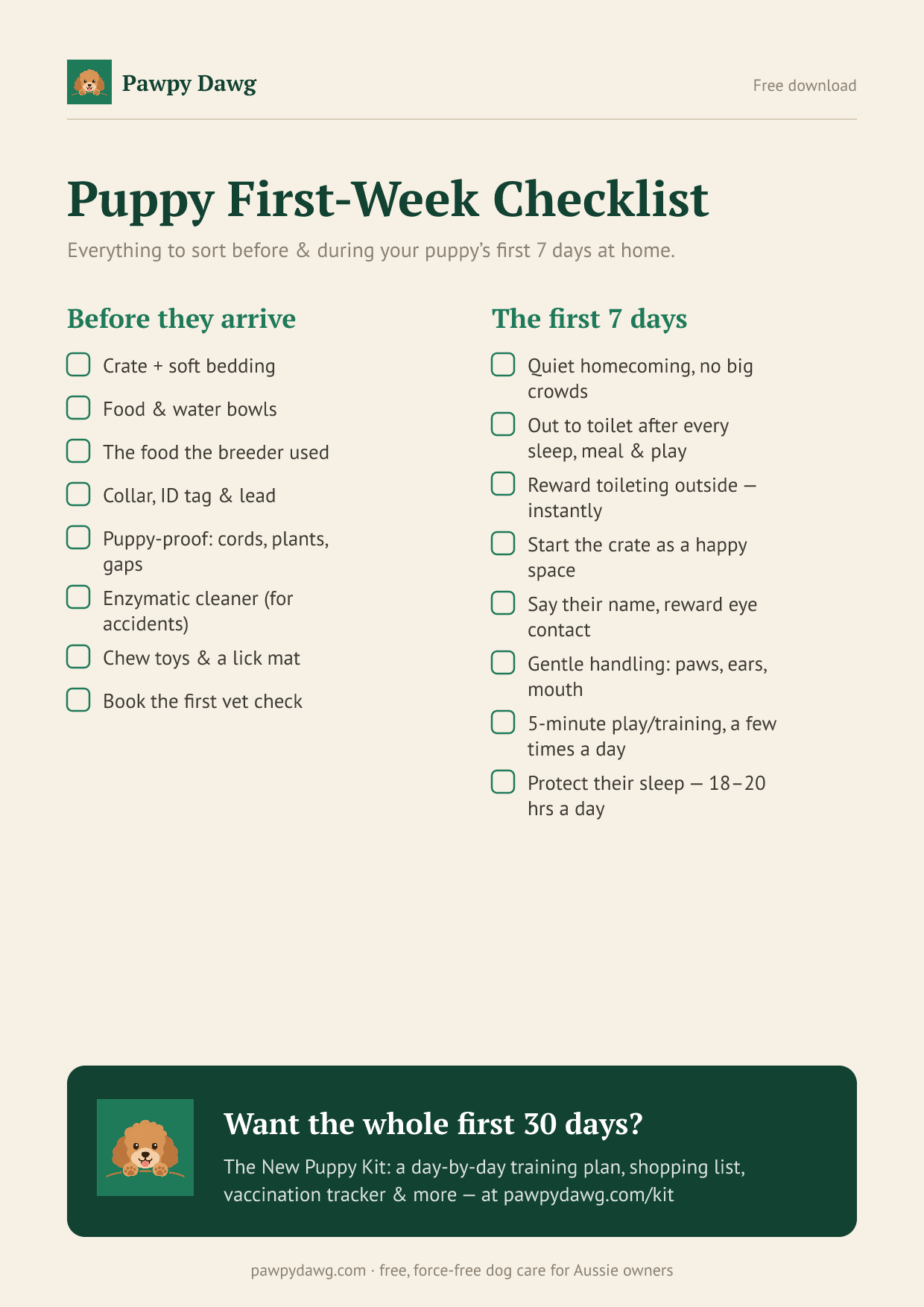
Free printable
Free: the Puppy First-Week Checklist
Everything to sort before and during your puppy's first 7 days home — a printable one-pager. Plus the occasional genuinely useful dog tip. No spam, unsubscribe anytime.
Related guides
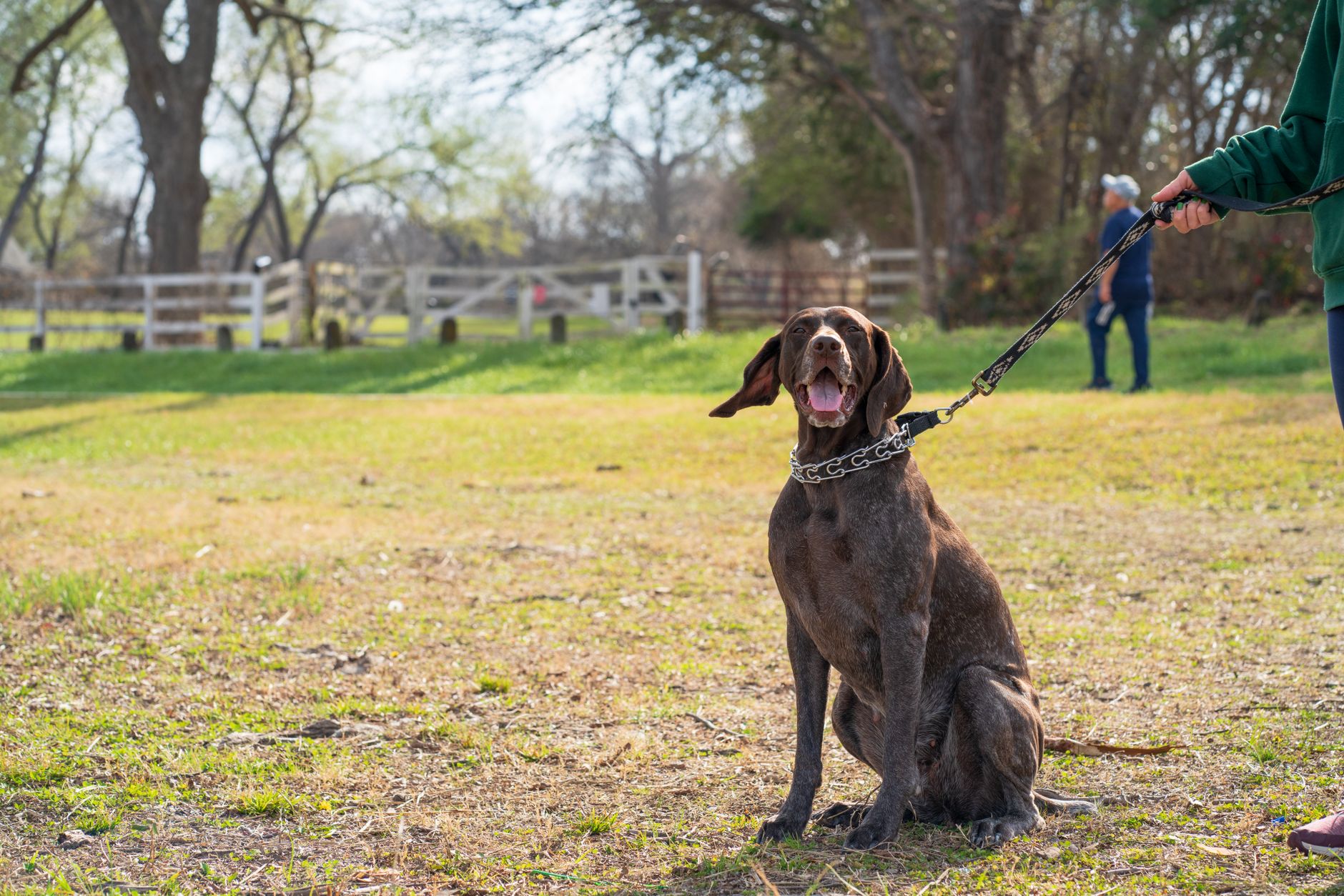
How to Stop a Golden Retriever Pulling on the Lead (Step-by-Step)
Tired of being dragged down the street? Here's a practical, positive-reinforcement plan to stop your golden retriever pulling on the lead — starting today.
Read the guide →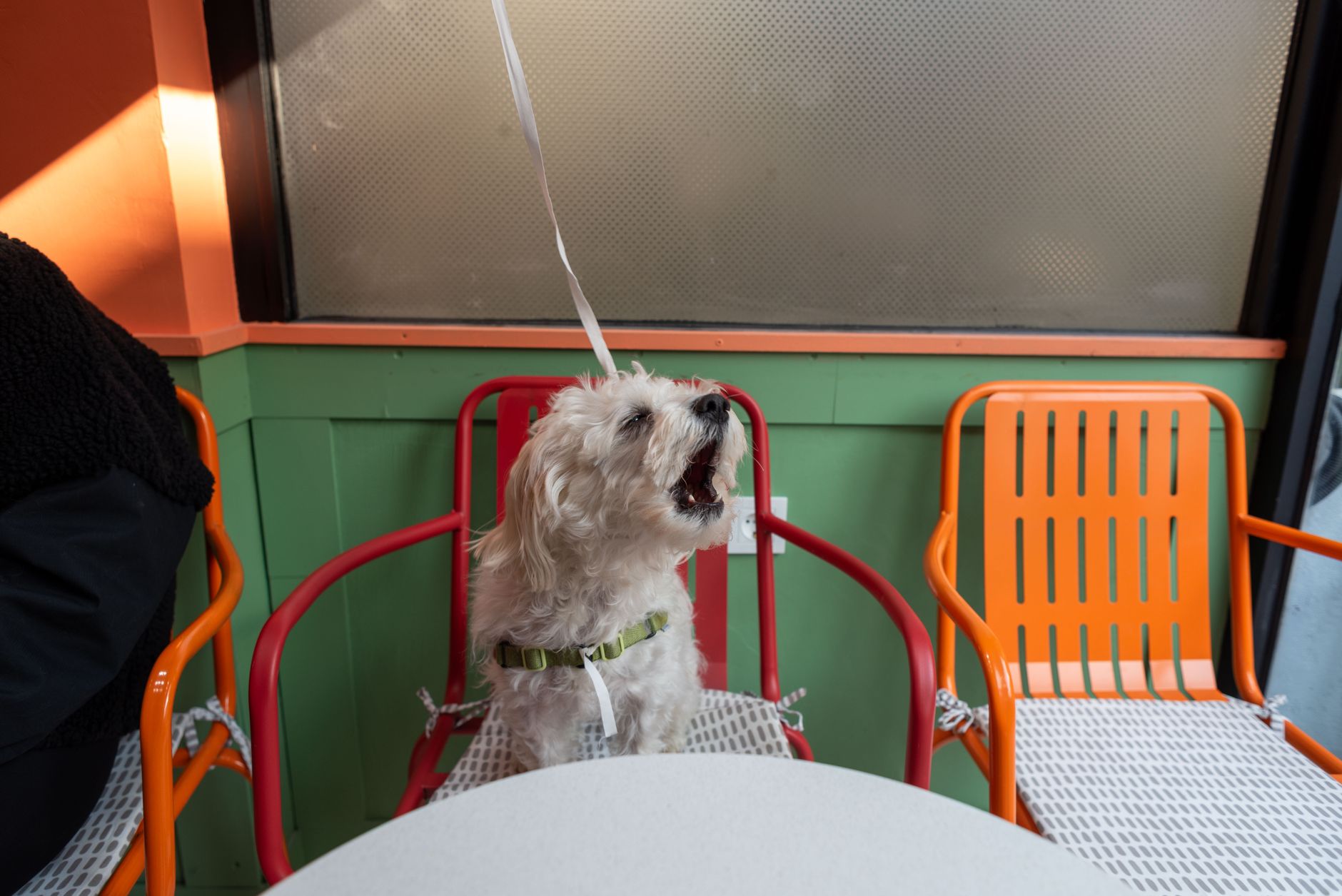
How to Stop a Golden Retriever Barking at Strangers (Step-by-Step)
Stop your golden retriever barking at strangers with this positive-reinforcement plan. Step-by-step training, realistic timelines & when to call a pro. 🐾
Read the guide →
Golden Retriever Separation Anxiety: A Step-by-Step Fix
Golden retriever separation anxiety is stressful — for you and your dog. Here's a realistic, step-by-step positive-reinforcement plan that actually works.
Read the guide →