
How to Fix Resource Guarding in Your German Shepherd
Struggling with German Shepherd resource guarding? Get a realistic, positive-reinforcement plan, a quick win for today, and honest timelines. No lectures — just results.

Written by Bradley Brown
Founder & editor · Reviewed 2026-07-10
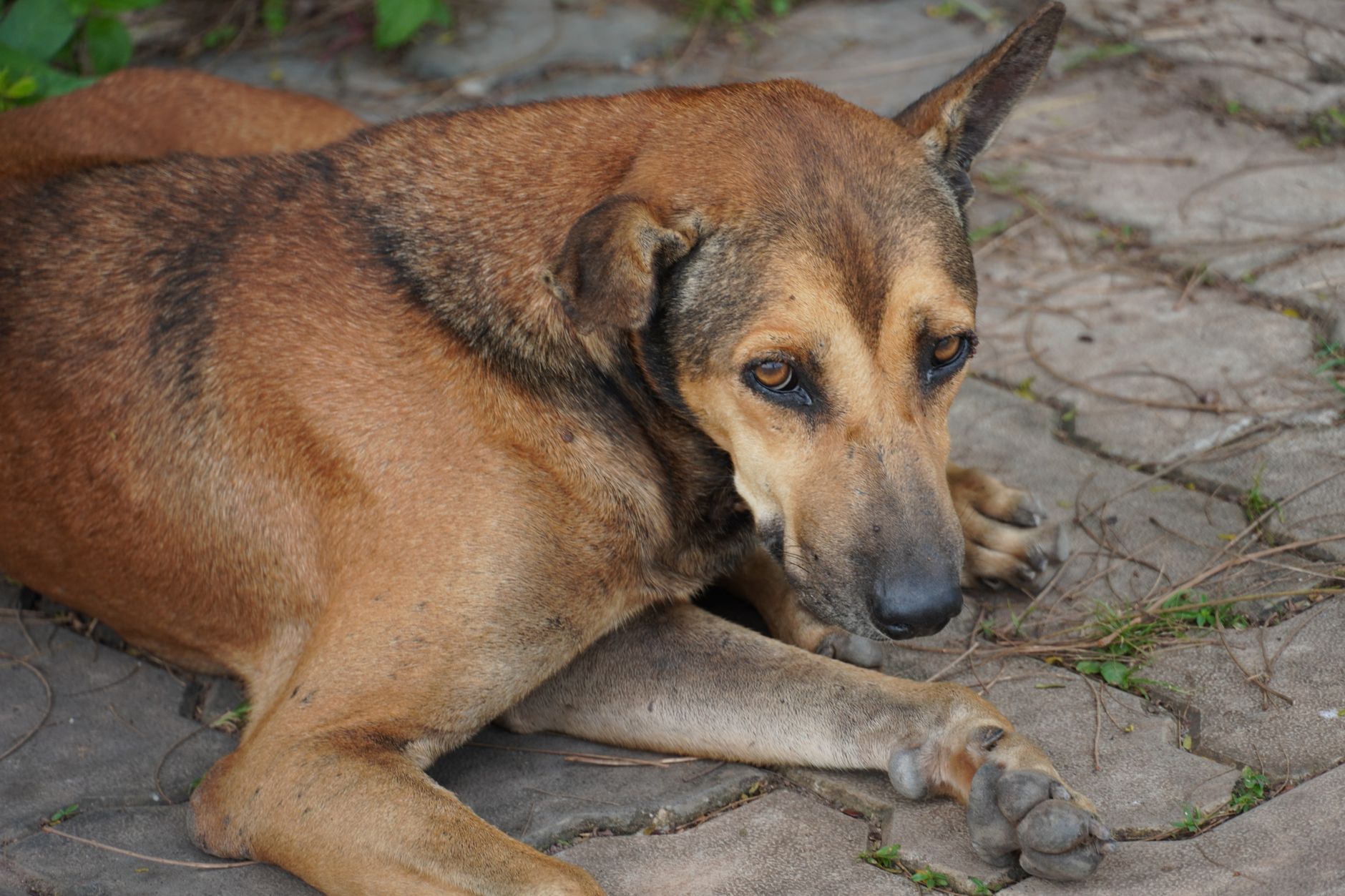
Your German Shepherd froze over the food bowl. Maybe they snapped when you reached for their toy, or growled when the cat walked past their bone. It's rattling — especially if it happened in front of the kids. Take a breath. This behaviour is one of the most common things experienced trainers see in German Shepherds, it has a clear biological reason, and it is very fixable. You have not ruined your dog.
Here's what you need to know — and one thing you can try tonight.
Why German Shepherds Guard Resources
Resource guarding (also called "possessive aggression") is a hardwired survival behaviour. Dogs evolved to protect food, space, and high-value objects because their ancestors who did so survived longer. German Shepherds, bred for strong drives and high environmental awareness, can express this tendency more intensely than some other breeds.
Guarding is not dominance, spite, or a sign your dog sees you as weak. It is anxiety about losing something valuable. That distinction matters enormously for how you fix it.
Common triggers in German Shepherds:
- Food bowls and high-value chews (bones, bully sticks, pig's ears)
- Toys, especially during play
- Resting spots (beds, sofas, a favourite patch of lawn)
- A person — guarding one family member from another (also called "object guarding" of a human)
- Stolen items (the sock they snagged from the laundry)
Your Quick Win for Tonight: The Trade Game
Before you read another word, try this at your dog's next meal.
- Put the food bowl down and let your dog start eating.
- Walk up calmly and drop a small, high-value treat (a tiny piece of cooked chicken or cheese) into the bowl without reaching for it.
- Walk away. That's it.
You just taught your dog that your approach predicts better things arriving, not things being taken away. Do this every meal for the next week. It costs you 30 seconds and begins to rewrite the emotional association your dog has with people approaching their resources. This is the foundation of the full protocol below.
The Core Training Protocol (5–10 Minutes a Day)
This is a condensed version of what behaviourists call counter-conditioning and desensitisation (CC&DS). It changes how your dog feels about the trigger, not just what they do.
Step 1 — Build a Positive Association (Week 1–2)
Use the Trade Game above for every meal. Extend it to other guarded items:
- Toss treats near (not at) your dog when they have a chew — don't reach for it.
- Approach, treat, retreat. Repeat. Never linger or hover.
- End every session while your dog is still relaxed. Stop before any tension appears.
The goal here is simple: your presence near their stuff = good things happen.
Step 2 — Teach a Reliable "Drop It" (Week 2–4)
A dog who willingly drops on cue has given you a safe, non-confrontational tool you'll use for life.
- Offer your dog a low-value toy.
- Show them a high-value treat and say "drop it" in a calm, cheerful tone.
- The instant they release the toy, mark with "yes!" and deliver the treat.
- Give the toy straight back — this is critical. The dog learns that dropping does not mean losing.
- Practice daily with progressively higher-value items, always returning the item at first.
Once "drop it" is reliable with toys, you can use it calmly if they pick up something dangerous. Never chase, never lunge — it turns into a game and reinforces the guarding.
Step 3 — "Trading Up" for Bowls and Chews (Week 3–6)
Now you're ready to work closer:
- Approach your dog with their chew. Say "drop it" and offer a jackpot treat (real meat).
- When they drop, immediately give the treat and hand the chew back.
- Over many repetitions, introduce a brief pause before returning the item — a second, then two, building slowly.
The dog learns: I give this up → I get something amazing → I get it back. The guarding behaviour has no emotional payoff anymore.
Common Mistakes That Make It Worse
| Mistake | Why It Backfires |
|---|---|
| Punishing the growl | The growl is a warning. Remove it and you get a dog who bites without warning. |
| "Showing them who's boss" — reaching in anyway | Confirms the dog's fear that approach = loss. Escalates to snapping. |
| Only training when guarding happens | Reactive training under stress doesn't stick. Train proactively when your dog is calm. |
| Inconsistency across family members | One person undoing the work of another stalls progress. Everyone must use the same approach. |
| Moving too fast | Jumping to high-value items before the foundation is solid causes setbacks. |
Realistic Timelines
- Within 1 week: Most dogs begin to relax slightly when you approach their bowl.
- 2–4 weeks: "Drop it" becomes reliable with low-to-medium-value items.
- 6–12 weeks: Significant reduction in guarding behaviour across most contexts.
- 3–6 months: Solid, generalised improvement — including with visitors or in new environments.
German Shepherds are intelligent and motivated, which works in your favour. Consistency matters more than duration. Ten minutes every day beats a 90-minute session on the weekend.
Managing the Environment While You Train
Training takes time, and in the meantime you need to keep everyone safe:
- Feed your dog separately from other pets to remove competition.
- Pick up high-value chews when children or unfamiliar visitors are present.
- Don't approach your dog while they're eating unless you're doing a structured training session.
- Give your dog their own space — a crate, a mat, or a room — where they can settle undisturbed.
- Avoid games that encourage keep-away, like chasing them to get something back.
These aren't failures. They're sensible management while you do the slower, lasting work.
When to Call a Professional
Most resource guarding in German Shepherds responds well to the above approach. But get professional help — specifically a vet behaviourist or a certified applied animal behaviourist (CAAB) — if:
- Your dog has broken skin on a person, even once.
- The guarding is getting worse despite consistent training.
- The behaviour involves guarding a person from other family members.
- You have young children in the home and the dog is unpredictable around them.
- You feel unsafe managing your dog day-to-day.
A qualified trainer in Australia should be using reward-based methods. Look for members of the Pet Professional Guild Australia or the Delta Society Australia. Avoid trainers who use correction-based approaches for guarding — research consistently shows these escalate the behaviour.
A good behaviourist in a capital city typically charges $150–$350 AUD for an initial consultation, which is money very well spent if you're dealing with a bite history.
The Bottom Line
Resource guarding in a German Shepherd is not a character flaw and it is not your fault. It's a normal behaviour that's become inconvenient — and sometimes dangerous — in a domestic setting. Start with the Trade Game tonight. Be consistent, be patient with the timeline, and protect everyone with sensible management while the training does its work. Your dog is not broken. They just need a reason to feel safe when you're near their stuff — and you're the right person to give them that.
As an Amazon Associate we earn from qualifying purchases.
Frequently asked questions
Is resource guarding in German Shepherds dangerous?
It can be, but the risk depends on the intensity and context. A dog who stiffens or growls is giving you a warning — that's manageable with training. A dog who has already made contact or snapped without warning needs professional assessment promptly. Never punish the growl, as this removes the warning signal without addressing the underlying anxiety.
Why is my German Shepherd suddenly resource guarding when they never did before?
Sudden onset guarding often has a trigger: a new pet in the home, a change in routine, a stressful event, adolescence (common between 6–18 months), or even an underlying health issue causing pain or anxiety. If the change is sudden and unexplained, a vet check to rule out pain is a sensible first step before beginning behaviour work.
Should I take the item away to show my German Shepherd I'm in charge?
No — this is one of the most counterproductive things you can do. It confirms the dog's fear that your approach means losing their resource, which increases guarding behaviour over time. The goal is to teach your dog that your approach predicts good things, not loss. Trading and counter-conditioning achieve far better, safer results.
Can German Shepherd resource guarding be cured completely?
Many dogs reach a point where the behaviour is functionally gone in everyday life with consistent training. However, some dogs — particularly those with a strong genetic predisposition — may always need management around very high-value items. 'Managed well' and 'cured' are both valid successful outcomes, depending on the individual dog.
How do I stop my German Shepherd guarding their food bowl from my other dog?
The safest immediate step is to feed them in completely separate rooms with the door closed, removing the competition entirely. Once each dog is relaxed eating alone, you can very gradually reintroduce proximity — starting far apart and rewarding calm behaviour. Never let them 'sort it out themselves' around food, as this can result in serious fights.
At what age does resource guarding typically start in German Shepherds?
It can appear as early as 8 weeks in puppies (a natural developmental phase) or emerge more strongly during adolescence at 6–18 months as dogs mature and drives intensify. Puppies who show early signs benefit enormously from gentle Trade Game exercises started straight away — early intervention makes the training significantly easier.
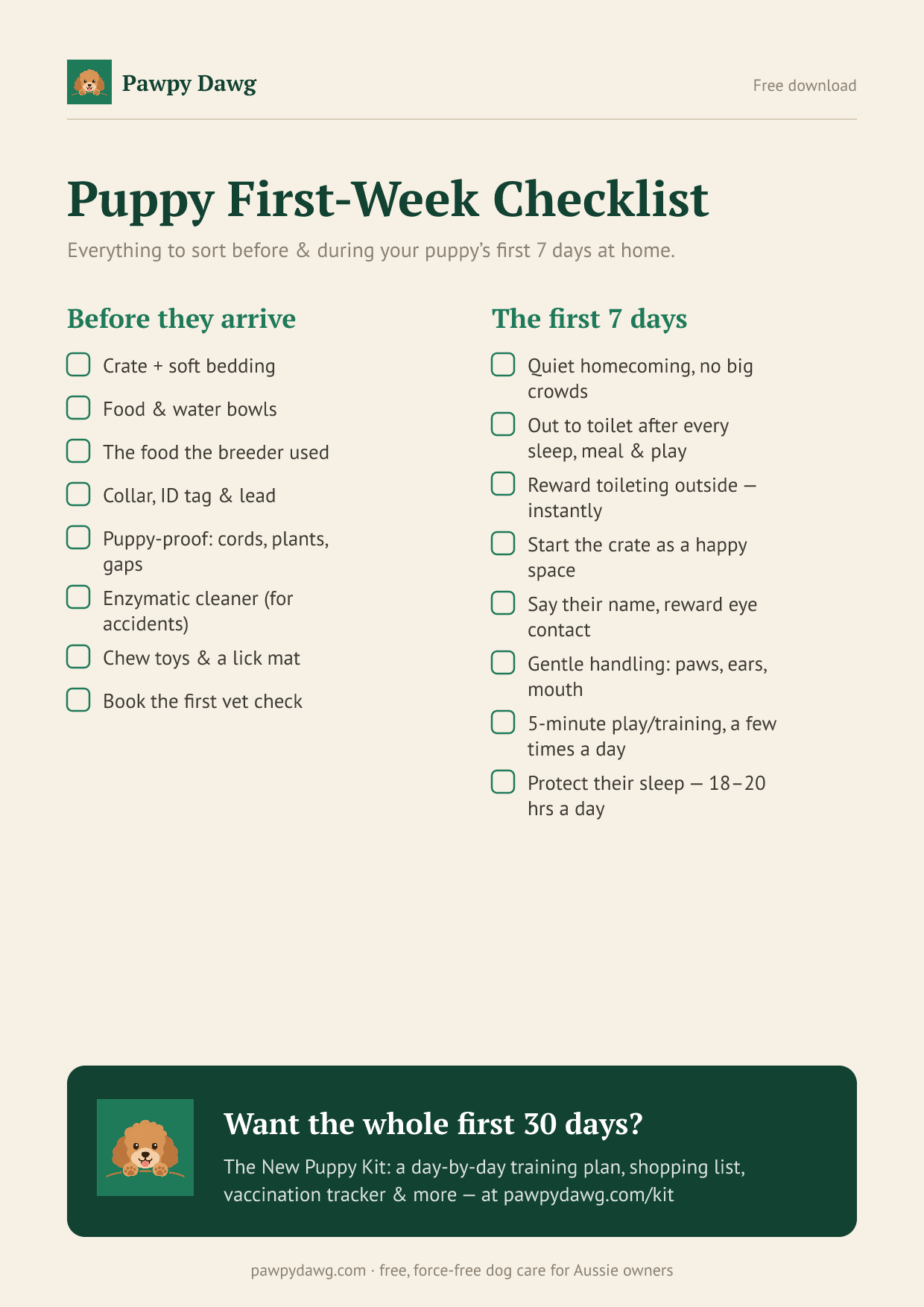
Free printable
Free: the Puppy First-Week Checklist
Everything to sort before and during your puppy's first 7 days home — a printable one-pager. Plus the occasional genuinely useful dog tip. No spam, unsubscribe anytime.
Related guides
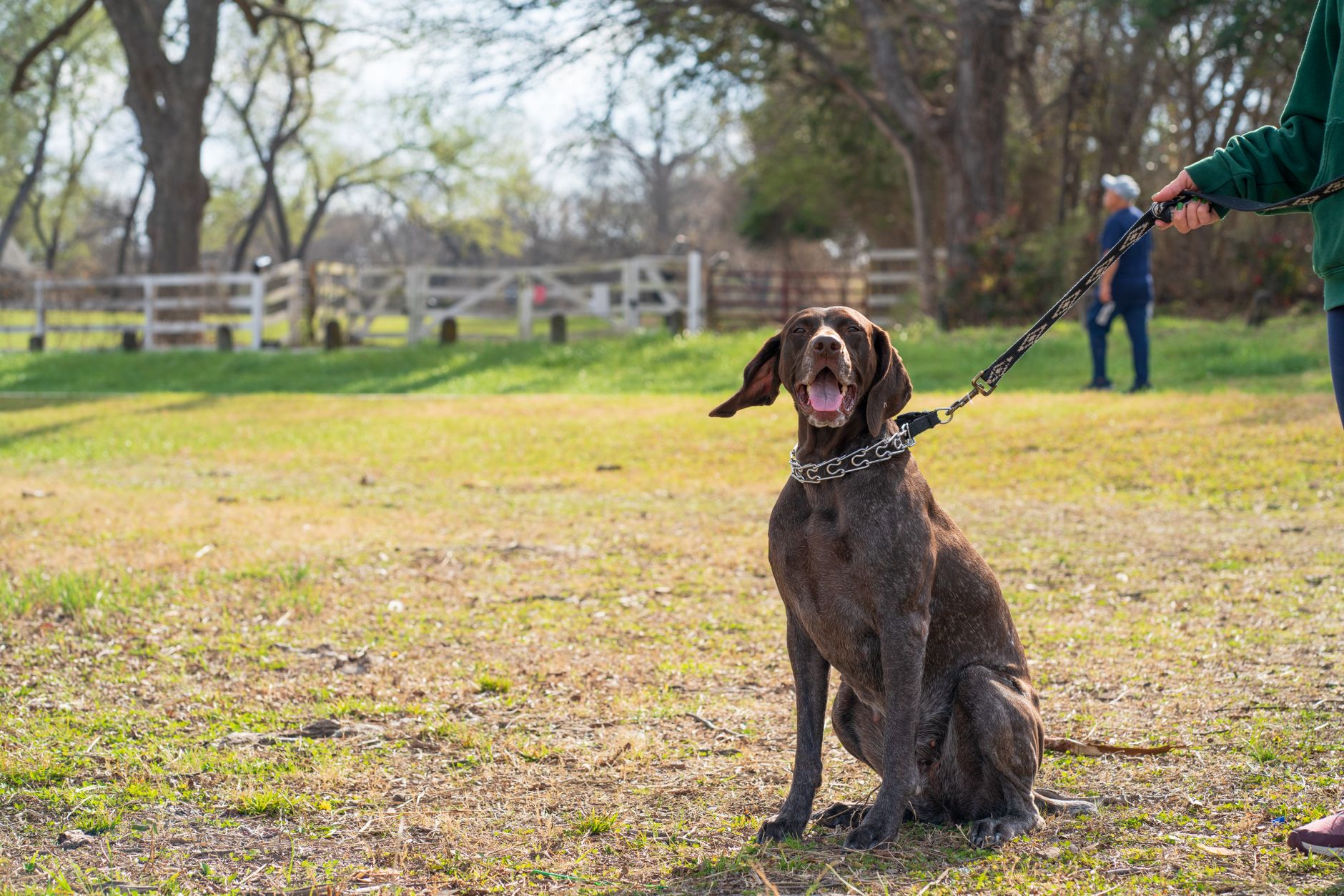
How to Stop a German Shepherd Pulling on the Lead (Step-by-Step)
Tired of being dragged down the street? Here's a realistic, step-by-step positive-reinforcement plan to stop your German Shepherd pulling on the lead — starting today.
Read the guide →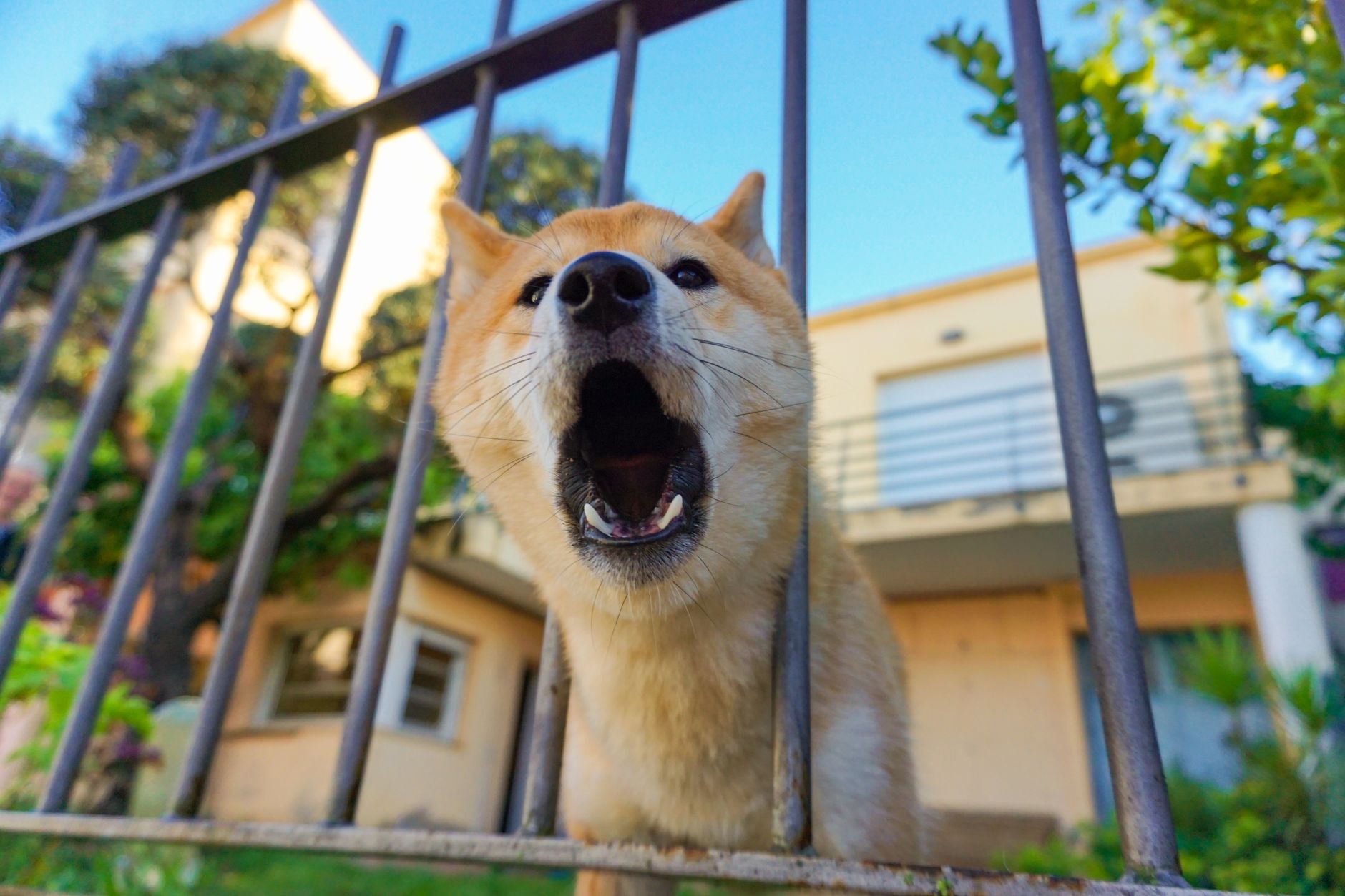
How to Stop a German Shepherd Barking at Strangers (Step-by-Step)
Tired of your German Shepherd barking at strangers? This step-by-step positive-reinforcement plan gives you real fixes, realistic timelines & when to get pro help.
Read the guide →
German Shepherd Separation Anxiety: A Step-by-Step Fix
Struggling with German Shepherd separation anxiety? Get a realistic, step-by-step positive-reinforcement plan, a quick win for today, and honest timelines.
Read the guide →