
German Shepherd Separation Anxiety: A Step-by-Step Fix
Struggling with German Shepherd separation anxiety? Get a realistic, step-by-step positive-reinforcement plan, a quick win for today, and honest timelines.

Written by Bradley Brown
Founder & editor · Reviewed 2026-07-08
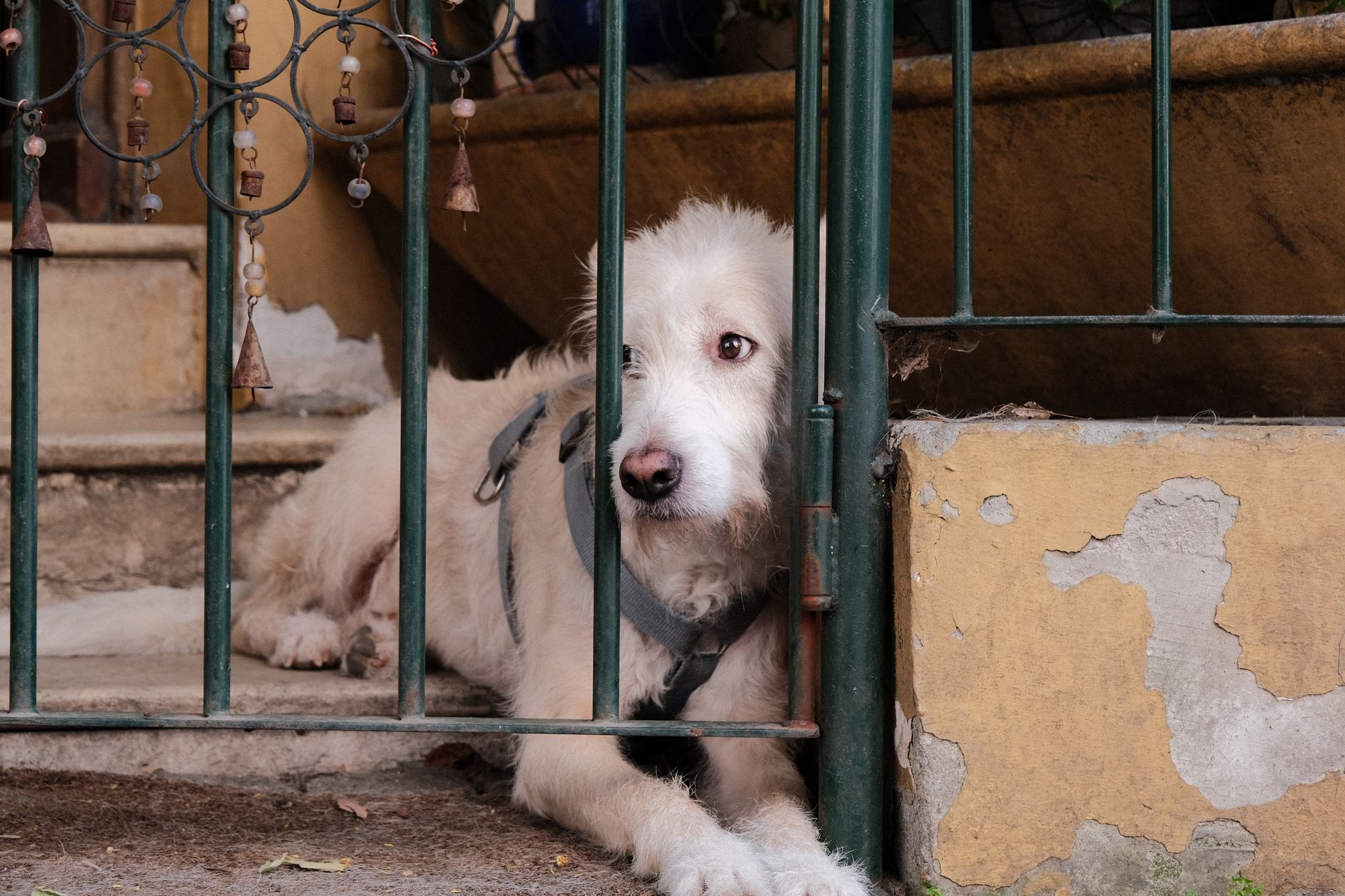
You came home to a shredded cushion, a scratched door, or a neighbour's complaint about howling. Or maybe you're dreading leaving the house because you know what's waiting when you get back. Either way — that guilt is exhausting, and it's completely understandable.
Here's the reassurance first: German Shepherds are one of the breeds most prone to separation anxiety because of how they were bred — to work with a human, constantly. This isn't a character flaw in your dog, and it's not proof you've done something wrong. It's a predictable trait in a highly bonded, intelligent breed, and it is fixable.
The Quick Win You Can Try Today
Before anything else, try this tonight or tomorrow morning. It takes five minutes and starts shifting the pattern immediately.
The "boring departure" drill:
- Pick up your keys and sit back down on the couch. Do nothing. Repeat 10 times.
- Put on your shoes, then take them off. Repeat 5 times.
- Walk to the front door, touch the handle, walk away. Repeat 10 times.
Your dog's anxiety spikes before you leave — triggered by cues like keys, shoes, and bags. By repeating those cues without leaving, you drain the emotional charge out of them. It feels silly. It works.
Understanding What's Actually Happening
Separation anxiety isn't "naughtiness" or dominance. It's a genuine panic response — your dog's nervous system fires as if something dangerous is happening. Punishing the behaviour after the fact (hours later, when you arrive home) achieves nothing except adding confusion and fear to an already stressed dog.
Signs of true separation anxiety vs. boredom/under-stimulation:
| Behaviour | Separation Anxiety | Boredom/Under-exercise |
|---|---|---|
| Destruction | Near exits, windows | Random, throughout house |
| Timing | Within 30 min of leaving | Hours after leaving |
| Vocals | Continuous howling/barking | Intermittent |
| Bodily functions | Toileting despite being housetrained | Rare |
| Camera footage | Pacing, panting, drooling | Settled, then sporadic mischief |
If you're unsure, a $30–$50 pet camera (widely available at Bunnings or Petbarn) will tell you more in one day than weeks of guesswork.
The Step-by-Step Plan
This protocol is based on systematic desensitisation — the gold standard recommended by veterinary behaviourists. Each session is 5–10 minutes. Consistency beats duration every time.
Step 1: Build a Positive "Alone Place" (Week 1)
Choose a confinement area — a crate, playpen, or a single room. The goal is a space your dog associates with calm and good things, not with punishment.
- Feed meals in this space.
- Drop high-value treats (think cooked chicken, not kibble) in there randomly throughout the day.
- Never use this space as a time-out for bad behaviour.
If your dog already has a negative association with a crate, use a playpen or a gated room instead.
Step 2: Practise Short Absences — Seconds, Not Hours (Weeks 1–2)
This is where most owners jump too far ahead and undo their progress.
- Step out of your dog's sight for 3 seconds. Return calmly before any distress starts.
- Gradually increase: 10 seconds, 30 seconds, 1 minute, 3 minutes — but only move up when your dog is fully relaxed at the current duration.
- Use a camera to monitor. If panting, pacing, or vocalising begins, you've pushed too far. Go back a step.
The rule: always return before the dog panics. Returning to a panicking dog accidentally rewards the panic.
Step 3: Add a Departure Cue (Weeks 2–3)
Once your dog tolerates 5–10 minutes alone without distress, introduce a consistent pre-departure ritual — something short and repeatable:
- Give a stuffed Kong or a long-lasting chew (bully stick, raw bone) only when you leave.
- Say a calm, consistent phrase like "Back soon" — same words, same neutral tone every time.
- Leave without fuss. No long goodbyes. Drawn-out farewells increase anticipatory anxiety.
The stuffed Kong is doing real work here: it pairs your absence with a highly pleasurable activity and occupies the critical first 15–20 minutes (when anxiety peaks).
Step 4: Build Up to Real-World Absences (Weeks 3–6)
- Increase alone time by no more than 10–15% per session.
- Vary departure times and durations so your dog can't predict a pattern.
- If you must leave for a full workday before your dog is ready, arrange a dog-sitter, doggy daycare, or a trusted neighbour visit to break up the time. Pushing too fast sets the programme back significantly.
Step 5: Daily Exercise Is Non-Negotiable
A mentally and physically tired German Shepherd is dramatically easier to settle. Aim for:
- 30–45 minutes of active exercise before a planned long absence (a morning run, fetch, or off-lead park session).
- 5–10 minutes of mental work daily — sniff walks, food puzzles, basic training. Mental fatigue is as tiring as physical exercise for this breed.
This isn't a replacement for the desensitisation work, but it lowers baseline anxiety and makes every other step easier.
Common Mistakes That Stall Progress
- Progressing too fast. The number-one issue. If your dog is still distressed at 2 minutes, don't attempt 20.
- Punishing post-departure behaviour. Your dog cannot connect a consequence to something that happened an hour ago. It only erodes trust.
- Inconsistent responses to distress. Sometimes ignoring the whining, sometimes caving — this makes the behaviour more persistent, not less (intermittent reinforcement is powerful).
- Skipping the boring departure drill. Pre-departure anxiety is often worse than the absence itself.
- Expecting a linear timeline. Progress wobbles. A stressful event (a storm, a vet visit, a house move) can cause regression. That's normal — return to an earlier step briefly.
When to Get Professional Help
Some dogs have severe anxiety that genuinely needs more than owner-led training. Consider speaking to your vet or a certified veterinary behaviourist (look for a member of the Australian and New Zealand College of Veterinary Scientists in behaviour) if:
- Your dog is injuring themselves (broken teeth, bloodied paws from scratching).
- There's been no measurable improvement after 4–6 weeks of consistent work.
- The dog cannot settle even for 60 seconds alone.
Your vet may recommend a referral to a behaviourist, and in some cases short-term medication (such as fluoxetine or clomipramine) can reduce baseline anxiety enough to make behavioural training effective. Medication isn't a shortcut — it's a tool that makes the training work better, faster. Costs vary, but a behaviourist consultation typically runs $200–$400 AUD for an initial session; many offer follow-up support at reduced rates.
A Realistic Timeline
| Week | Realistic Milestone |
|---|---|
| 1 | Dog is calmer around pre-departure cues; tolerates 1–2 min alone |
| 2–3 | Tolerates 10–15 min; Kong routine established |
| 4–6 | Tolerates 1–2 hours with minimal distress |
| 8–12 | Most dogs manageable for a standard workday with mid-day break |
These are averages for a dog with moderate anxiety and a consistent owner. Severe cases take longer. That's not failure — it's just a different starting point.
You haven't ruined your dog. You're reading this, which means you're already doing the right thing.
As an Amazon Associate we earn from qualifying purchases.
Frequently asked questions
How long does it take to fix German Shepherd separation anxiety?
For mild to moderate cases, most owners see meaningful improvement within 4–6 weeks of consistent daily practice. Severe anxiety can take 3–6 months, particularly if a vet-supervised medication plan is also needed. Progress isn't always linear — short regressions after stressful events are normal and don't mean you're starting over.
Should I crate my German Shepherd for separation anxiety?
A crate can help if your dog already has a positive association with it — it provides a predictable, den-like space. However, if your dog is not crate-trained or is already anxious about the crate, forcing confinement can make anxiety significantly worse. A gated room or large playpen is often a better starting point for dogs new to the process.
Does getting a second dog help with separation anxiety?
Usually not. True separation anxiety is about the absence of the human attachment figure, not loneliness in general. Most dogs with separation anxiety remain distressed even with another dog present. A second dog adds complexity and cost without reliably resolving the underlying issue.
Can separation anxiety in German Shepherds be cured permanently?
Many dogs reach a point where they can be left comfortably for a normal workday with no distress. 'Cured' is a strong word — some dogs always need management strategies like exercise before absences or a stuffed Kong — but the day-to-day behaviour becomes entirely manageable for the vast majority of owners who work the programme consistently.
Is it okay to use a calming supplement or anxiety wrap for my German Shepherd?
Products like Adaptil (a synthetic dog-appeasing pheromone), melatonin, or anxiety wraps (such as a Thundershirt) are low-risk and can take the edge off mild anxiety. They work best as a complement to a desensitisation programme, not a standalone fix. For moderate-to-severe anxiety, speak to your vet about evidence-based prescription options.
Why does my German Shepherd only destroy things near the door or windows?
Destruction near exits is a hallmark of separation anxiety specifically — the dog is trying to follow you or escape the source of distress. This differs from boredom-related destruction, which tends to be more random throughout the home. If this sounds like your dog, a consistent desensitisation programme (rather than more exercise alone) is the right approach.
Free printable
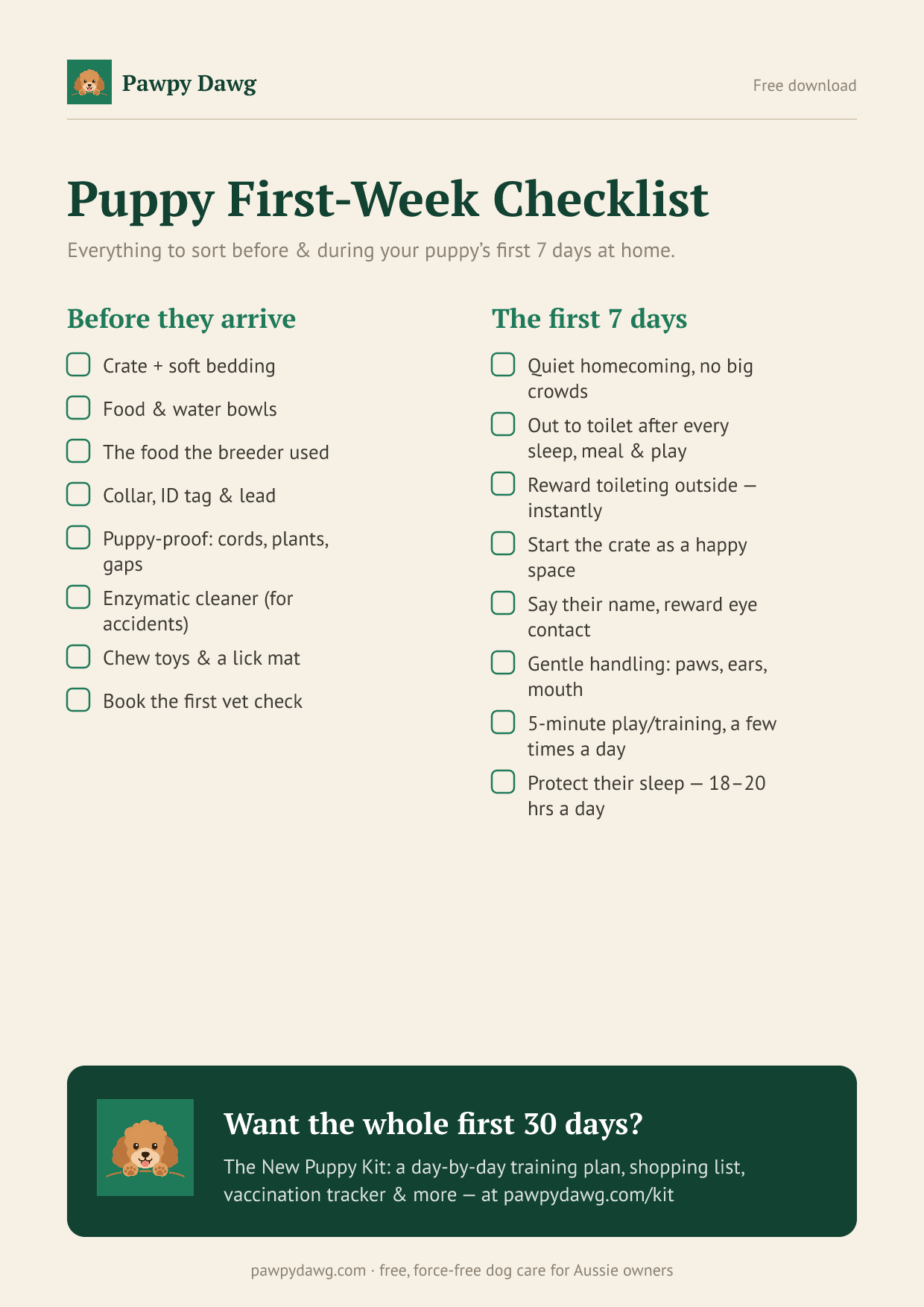
Free: the Puppy First-Week Checklist
Everything to sort before and during your puppy's first 7 days home — a printable one-pager. Plus the occasional genuinely useful dog tip. No spam, unsubscribe anytime.
Related guides
How to Stop a German Shepherd Pulling on the Lead (Step-by-Step)
Tired of being dragged down the street? Here's a realistic, step-by-step positive-reinforcement plan to stop your German Shepherd pulling on the lead — starting today.
Read the guide →
How to Stop a German Shepherd Barking at Strangers (Step-by-Step)
Tired of your German Shepherd barking at strangers? This step-by-step positive-reinforcement plan gives you real fixes, realistic timelines & when to get pro help.
Read the guide →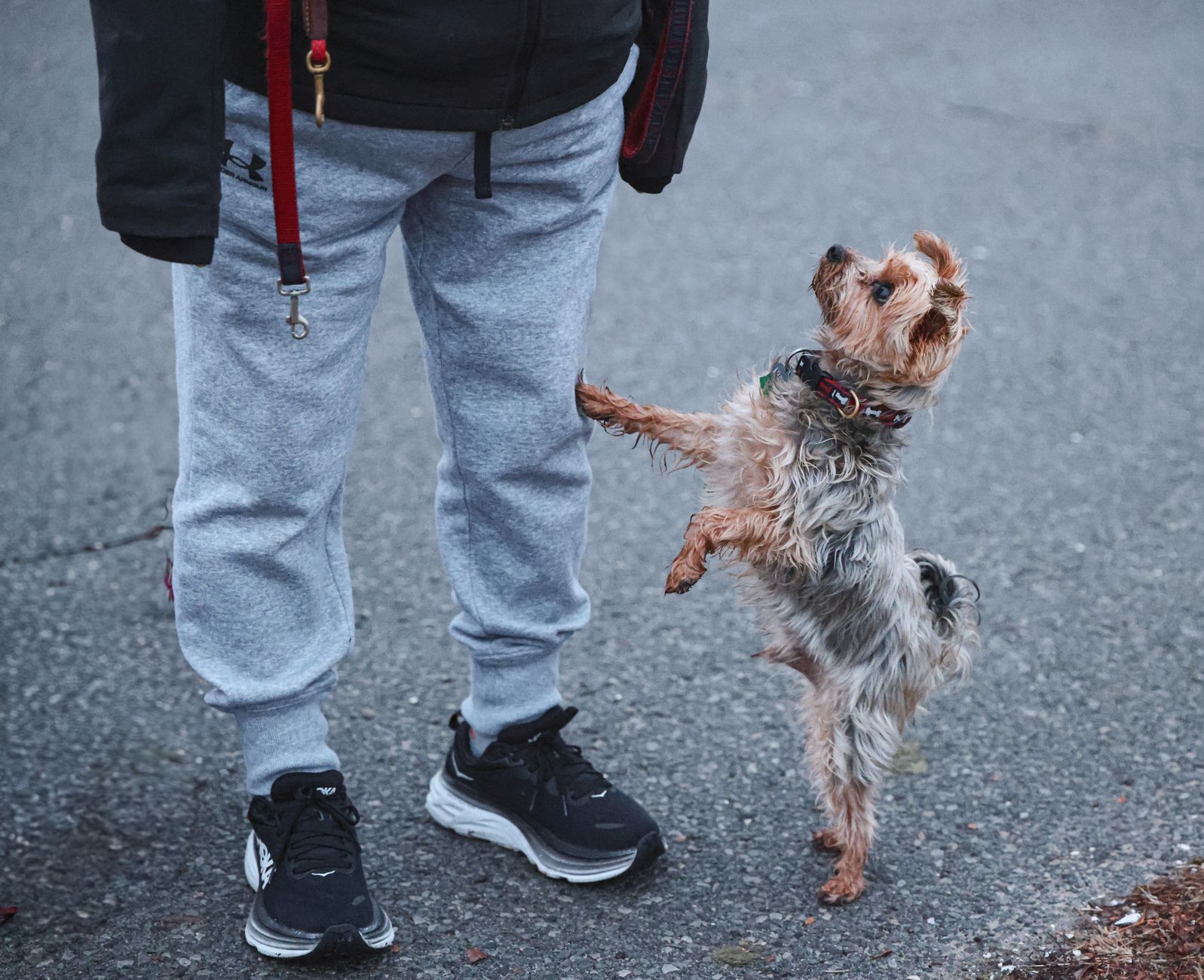
How to Stop a German Shepherd Jumping Up on People (Step-by-Step)
Tired of your German Shepherd jumping up on people? This step-by-step positive-reinforcement plan gets real results in minutes a day — no punishment needed.
Read the guide →