
How to Stop a German Shepherd Digging Up the Yard (Step-by-Step)
Tired of craters all over your backyard? Here's a practical, positive-reinforcement plan to stop german shepherd digging in the yard — starting today.

Written by Bradley Brown
Founder & editor · Reviewed 2026-07-09
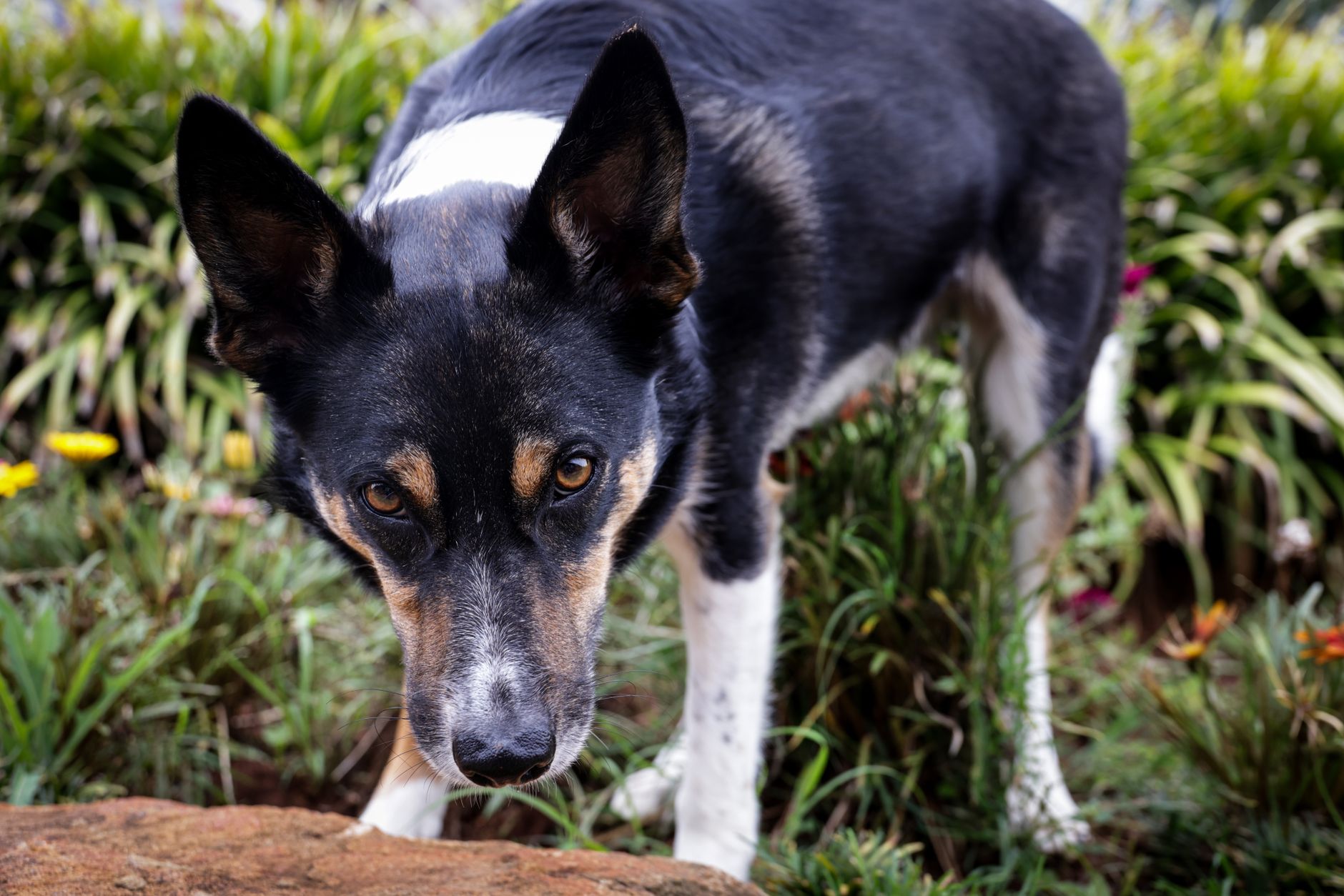
You came home to another excavation site. Or maybe you watched it happen in real time and felt that mix of frustration, embarrassment, and quiet dread that maybe you've somehow broken your dog. You haven't. German Shepherds dig — it's wired into them — and with the right approach, it's one of the more fixable problems in the breed.
Here's what actually works.
Why Your German Shepherd Is Digging (It Matters More Than You Think)
Before you can fix the behaviour, you need to know why it's happening. The fix for boredom looks completely different to the fix for anxiety or heat-seeking. Getting this wrong is the most common reason owners spend weeks on a plan that goes nowhere.
The main reasons German Shepherds dig:
- Boredom and under-stimulation — GSDs were bred to work 8+ hours a day. A backyard on its own is not enough.
- Excess energy — Digging is a physical outlet. If they can't run it out, they'll dig it out.
- Anxiety or stress — Separation anxiety and general anxiety often show up as compulsive digging, especially near fences or gates.
- Temperature regulation — Dogs dig down to cool earth on hot days. Common in Australian summers.
- Prey drive — Following a scent (lizards, grubs, rats) under the surface.
- Attention-seeking — If digging has ever got a big reaction from you, it may be self-reinforcing.
Take five minutes to think about when and where the digging happens. Near the fence line? Probably anxiety or escape-motivated. Random holes in the middle of the lawn after a long day alone? Almost certainly boredom or energy. This diagnosis shapes everything below.
One Thing You Can Try Today
Before you overhaul anything: add 10 minutes of structured mental work before you leave the house.
Give your GSD a sniff-focused activity — scatter a handful of dry kibble in the grass and let them hunt for it, or stuff a Kong and freeze it overnight. Mental fatigue is genuinely tiring for a working-breed dog. Many owners report a noticeable drop in destructive behaviour within a few days of adding this alone. It's not a complete solution, but it takes two minutes to set up and costs nothing.
The Step-by-Step Plan
Step 1: Manage the Environment First (Week 1)
Management isn't a failure — it's how you stop the habit from deepening while you train. Every digging session that goes unchecked rehearses the behaviour and makes it harder to shift.
- Supervise outdoor time until you've built new habits. Use a long lead in the yard if you can't watch closely.
- Block known dig spots temporarily with large rocks, pavers, or garden netting.
- Don't leave your GSD alone in the yard for long stretches during the training period.
Step 2: Fix the Root Cause
If it's boredom/energy:
- Aim for at least 45–60 minutes of genuine aerobic exercise daily (not just puttering around the yard). This means a brisk walk, a run, or fetch — something that actually tires them out.
- Add two short training sessions of 5–10 minutes each day. GSDs thrive on having a job to do. Work on heel, stay, recall, or trick training — it doesn't need to be complex.
- Rotate enrichment toys so novelty stays high: snuffle mats, Kongs, Licki Mats, puzzle feeders.
If it's heat:
- Provide a paddling pool or a shaded, cool resting area. A cheap clam shell pool from Kmart (~$25–$35 AUD) can genuinely redirect this behaviour.
- Don't expect a dog to stop seeking cool ground in 38°C heat without giving them an alternative.
If it's anxiety:
- Digging near fence lines or gates is a red flag for separation anxiety or escape motivation. Management alone won't fix this — see the When to Get Pro Help section below.
- For mild anxiety, increase predictability in the dog's day: same feed times, same exercise windows, calm departures and arrivals.
Step 3: Teach "Leave It" and Redirect to an Approved Spot
Teaching "leave it" (5-minute sessions):
- Hold a treat in your closed fist. Let your dog sniff and paw at it.
- The moment they pull back or stop trying, say "yes" (or click) and reward with a different treat from your other hand.
- Repeat until reliable, then generalise to the yard — cue "leave it" when you see them sniffing at a dig spot, then redirect.
Give them a legal digging zone: This works surprisingly well with GSDs. Designate a corner of the yard — a sandpit or a defined garden bed — as the approved dig spot. Bury toys and treats there to make it exciting. When you catch them digging elsewhere, calmly redirect them to the sandpit and reward enthusiastically when they dig there instead.
Don't punish digging after the fact. If you didn't catch them in the act, they cannot connect your reaction to what they did ten minutes ago. Punishment after the event only teaches them you're unpredictable — it doesn't reduce digging.
Step 4: Interrupt and Reward (When You Catch Them in the Act)
If you see digging starting:
- Stay calm. No yelling — this can accidentally reward attention-seeking dogs and increase arousal in anxious ones.
- Call them away with their name or a recall cue.
- When they come to you, reward generously and redirect to an activity (a toy, a training cue, the sandpit).
- If they return to the spot, calmly interrupt again. Consistency beats intensity every time.
Realistic Timelines
| Root Cause | Realistic Improvement Timeline |
|---|---|
| Boredom / low exercise | 1–3 weeks with consistent exercise + enrichment |
| Heat-seeking | Immediate once alternative is provided |
| Habit (no clear trigger) | 3–6 weeks of consistent management + redirection |
| Prey drive | Ongoing management; may need professional help |
| Separation anxiety | 8–12+ weeks; consider a qualified behaviourist |
Common Mistakes That Make It Worse
- Reacting loudly — even negative attention can reinforce the behaviour in bored dogs
- Inconsistency — allowing digging on weekends "just this once" resets your progress
- Skipping the root cause — blocking spots without addressing the underlying need just moves the digging
- Expecting fast results from anxiety-driven digging — this one genuinely needs time and sometimes professional support
When to Get Professional Help
If the digging is compulsive (happening constantly, dog seems unable to stop), is paired with other anxiety signs (pacing, vocalising, destructive behaviour at exits), or hasn't budged after 6–8 weeks of consistent work — it's time to bring in a qualified professional.
Look for a certified dog trainer or veterinary behaviourist with a positive-reinforcement background. In Australia, look for membership with the Pet Professional Guild Australia or NDTF-qualified trainers. If anxiety is suspected, your vet can also assess whether behaviour medication might support the training process — this isn't a last resort, it's a legitimate tool.
Your dog is not broken, and you haven't ruined them. German Shepherds are working dogs living in suburban backyards — the fact that they find outlets for their energy is actually a sign of a healthy, intelligent animal. The goal is just to give that energy somewhere better to go.
As an Amazon Associate we earn from qualifying purchases.
Frequently asked questions
Why does my German Shepherd only dig in certain spots in the yard?
Location is a big clue to the cause. Digging near fence lines or gates often signals anxiety or escape motivation, while random holes in open areas typically point to boredom, prey scent, or excess energy. Digging in shaded or lower spots in summer is usually heat-seeking. Identifying the pattern helps you choose the right fix.
Will punishing my German Shepherd for digging make them stop?
Punishment — especially after the fact — rarely works and can make things worse. Dogs can't connect a correction to something they did minutes ago, so they just learn you're unpredictable. For attention-seeking diggers, a loud reaction can actually reinforce the behaviour. Calm interruption and positive redirection is far more effective.
How much exercise does a German Shepherd actually need to reduce problem behaviours?
Most adult GSDs need at least 45–60 minutes of genuine aerobic exercise daily — not just time in the yard, but active movement like brisk walking, running, or fetch. Mental stimulation through training and enrichment is equally important for this breed. Without both, excess energy almost always shows up as destructive behaviour.
Do sandpits really work for redirecting digging behaviour?
Yes, for many dogs they work well — especially when the sandpit is made more rewarding than the rest of the yard by burying toys and treats in it regularly. The key is actively encouraging and rewarding digging there, not just hoping the dog figures it out. It works best alongside addressing the root cause, not as a stand-alone fix.
How long will it take to stop my German Shepherd from digging?
It depends on the cause. Boredom-driven digging with consistent exercise and enrichment can improve within one to three weeks. Deeply ingrained habits or anxiety-driven digging can take six weeks or more. Separation anxiety in particular is a longer-term training project that often benefits from professional support.
Could my German Shepherd be digging because of something medical?
It's uncommon, but compulsive or sudden-onset digging can occasionally be linked to anxiety disorders that have a physiological component, particularly if paired with other compulsive behaviours like tail-chasing or excessive licking. If the behaviour seems driven and repetitive rather than purposeful, a vet check is a sensible first step before starting a training plan.
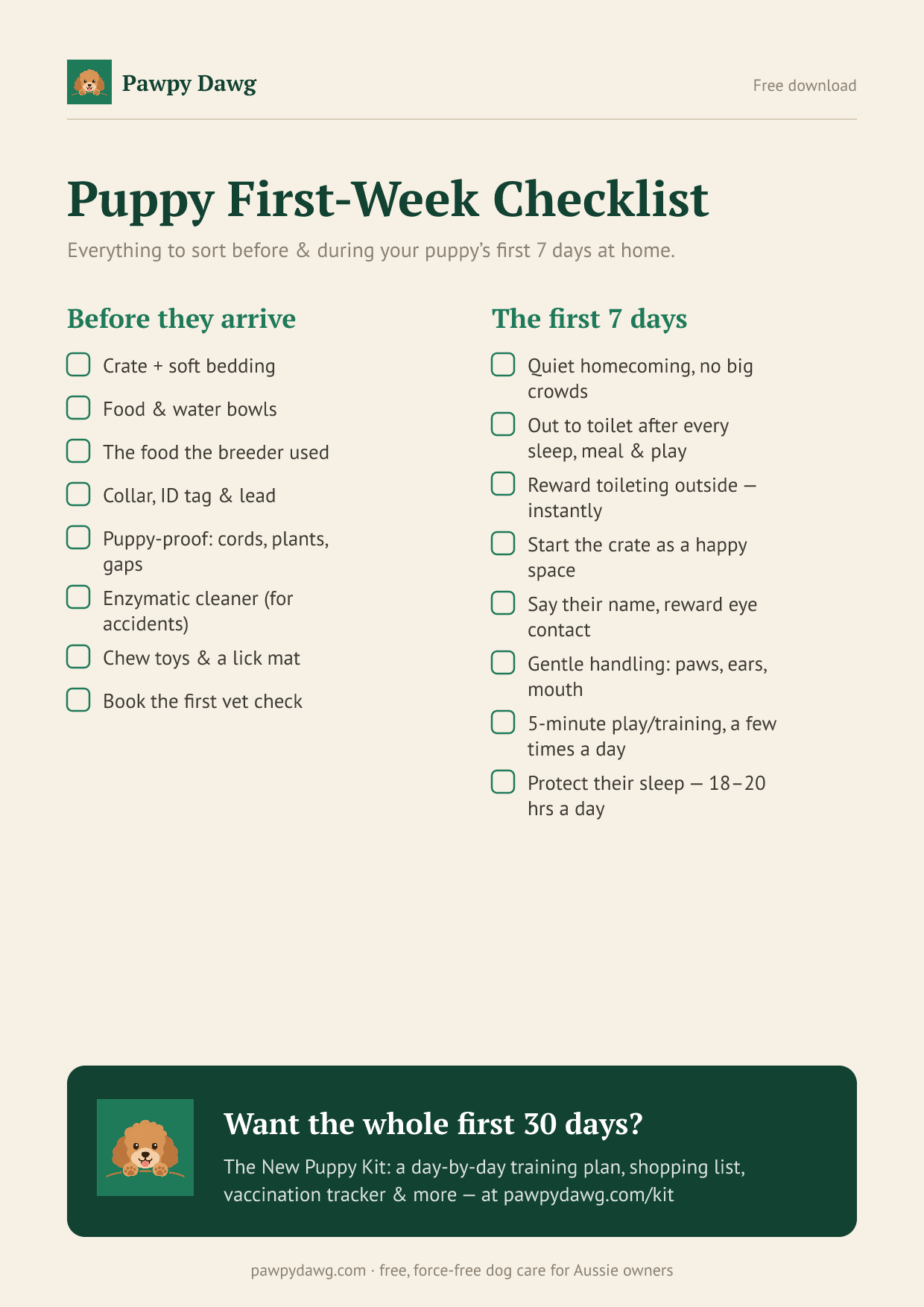
Free printable
Free: the Puppy First-Week Checklist
Everything to sort before and during your puppy's first 7 days home — a printable one-pager. Plus the occasional genuinely useful dog tip. No spam, unsubscribe anytime.
Related guides
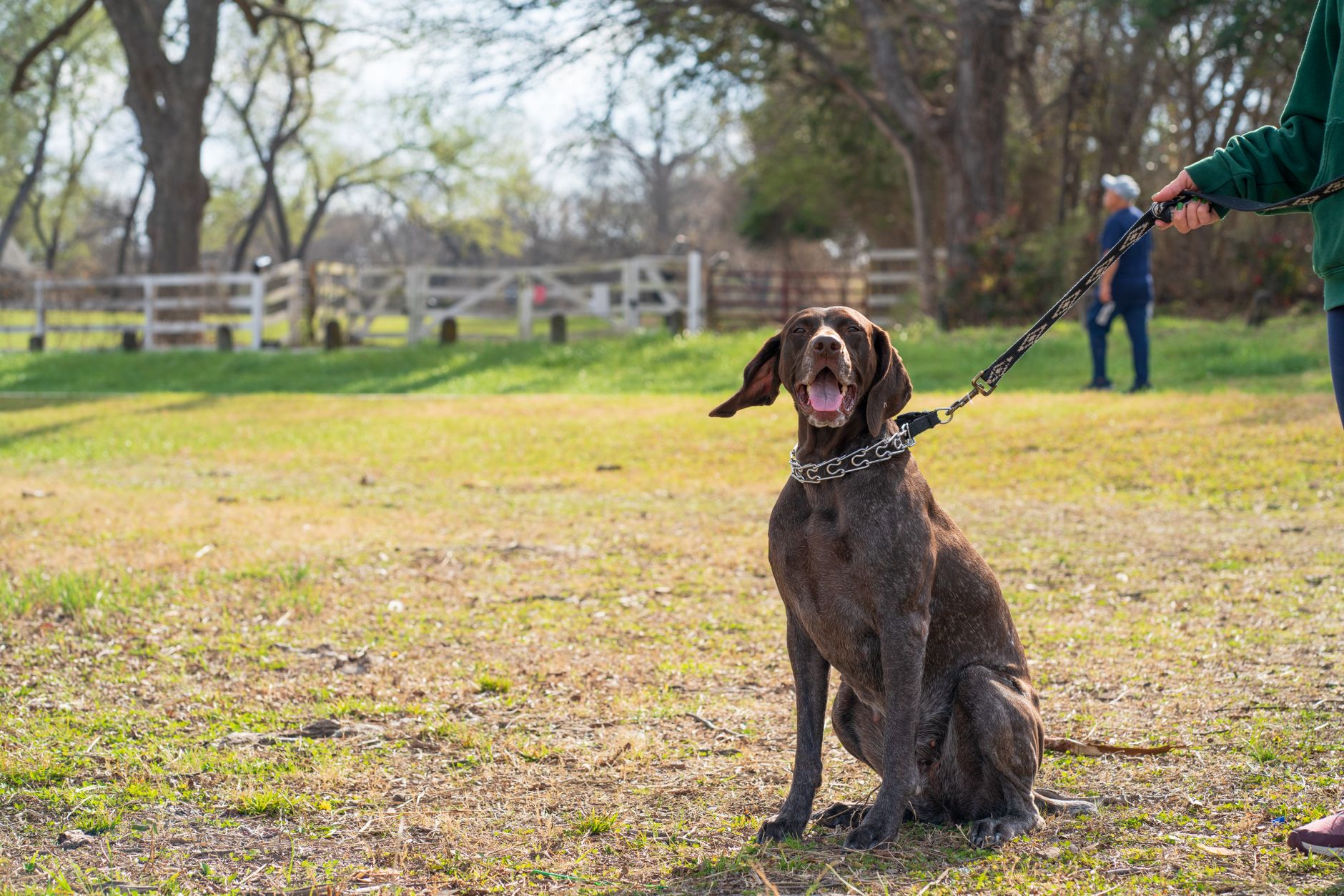
How to Stop a German Shepherd Pulling on the Lead (Step-by-Step)
Tired of being dragged down the street? Here's a realistic, step-by-step positive-reinforcement plan to stop your German Shepherd pulling on the lead — starting today.
Read the guide →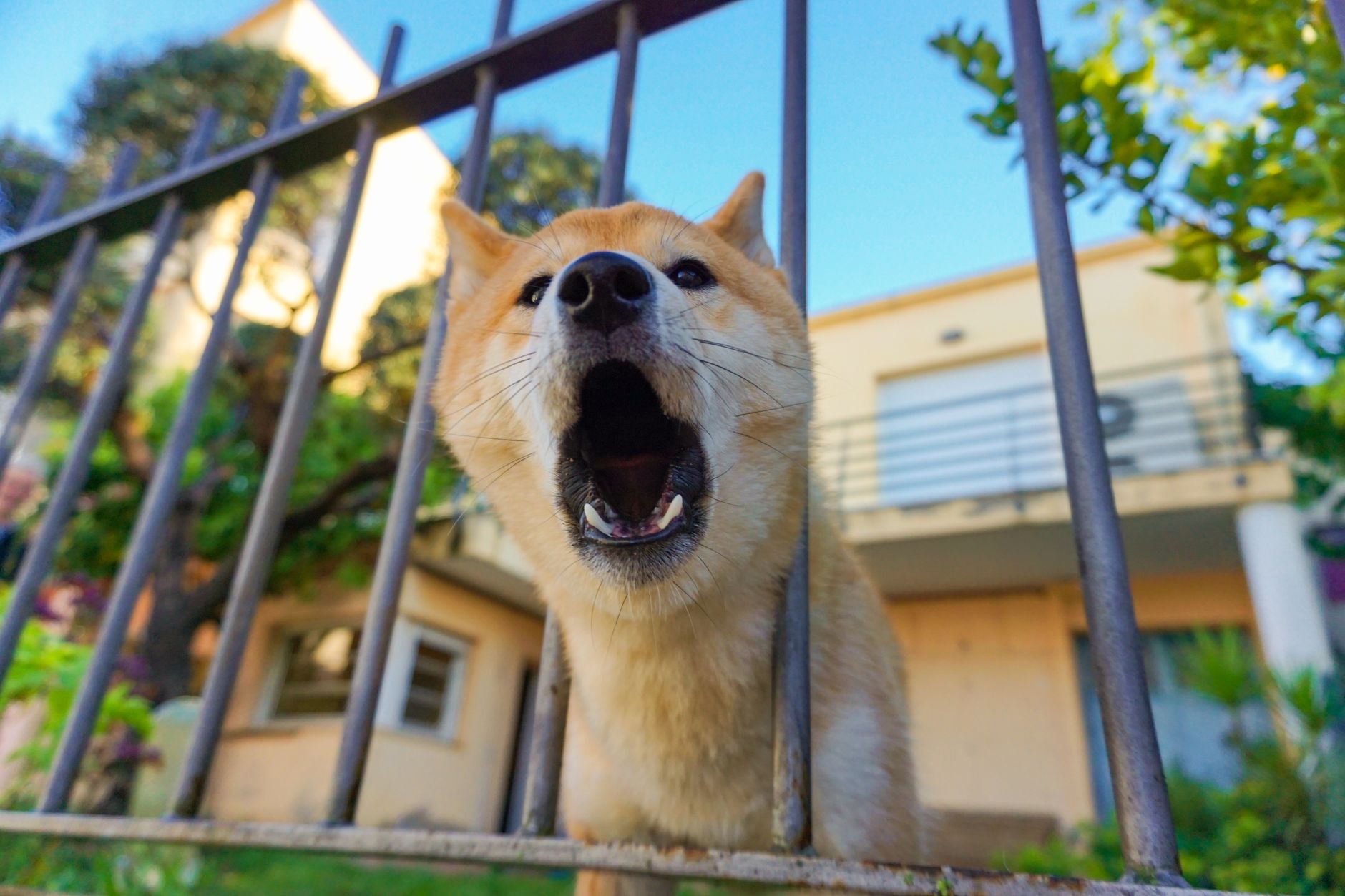
How to Stop a German Shepherd Barking at Strangers (Step-by-Step)
Tired of your German Shepherd barking at strangers? This step-by-step positive-reinforcement plan gives you real fixes, realistic timelines & when to get pro help.
Read the guide →
German Shepherd Separation Anxiety: A Step-by-Step Fix
Struggling with German Shepherd separation anxiety? Get a realistic, step-by-step positive-reinforcement plan, a quick win for today, and honest timelines.
Read the guide →