
How to Stop a German Shepherd Biting and Mouthing (Step-by-Step)
Struggling with german shepherd biting and mouthing? Get a realistic, positive-reinforcement plan with quick wins, common mistakes, and when to call a pro.

Written by Bradley Brown
Founder & editor · Reviewed 2026-07-09
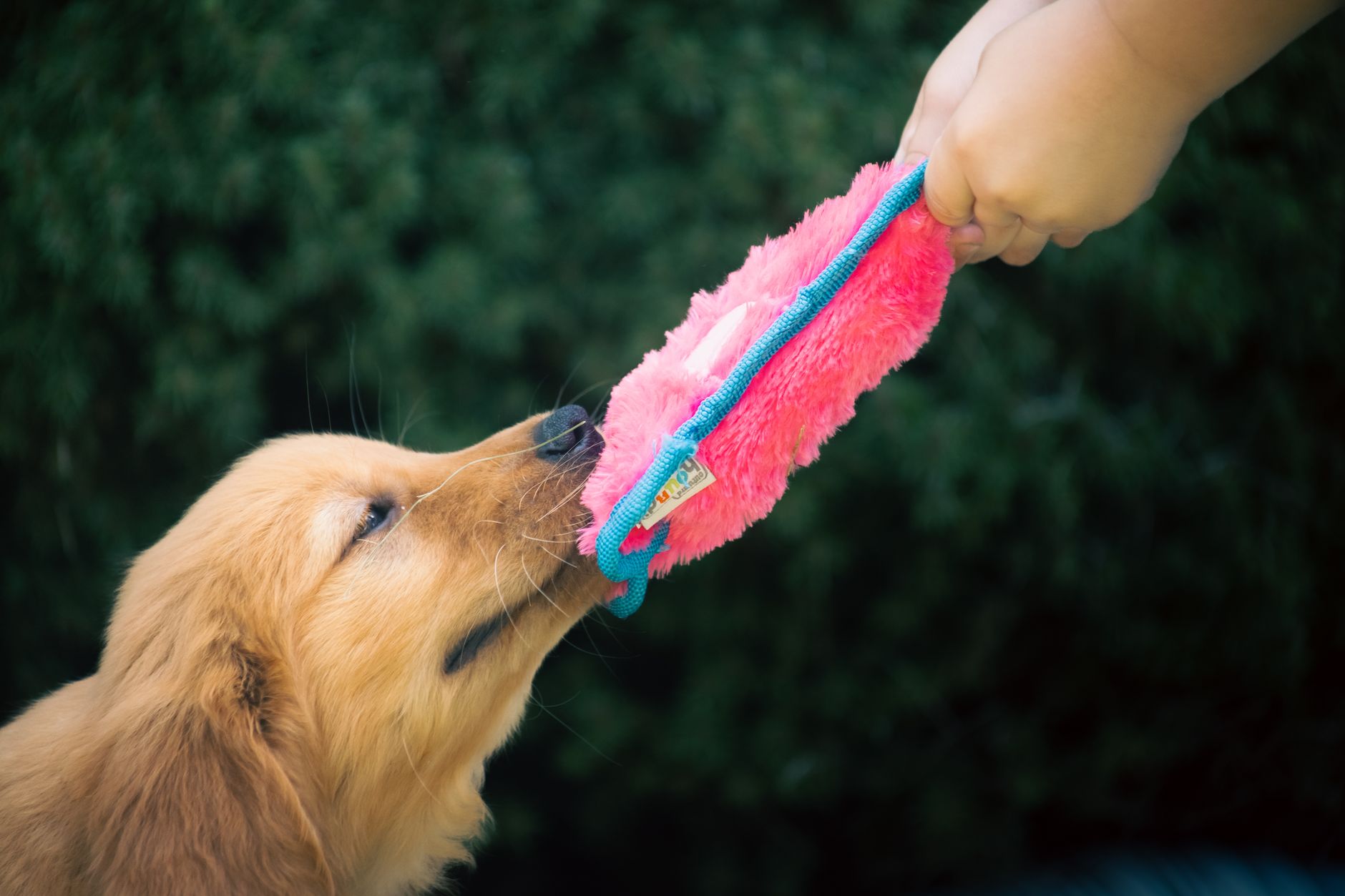
If your German Shepherd has left teeth marks on your hands, shredded your sleeves, or sent a guest home wide-eyed, you're not alone — and you haven't ruined your dog. Mouthing and biting in German Shepherds is one of the most common complaints trainers hear, and it's entirely normal behaviour that got a little out of hand. The good news: it's fixable, even if it's been going on for months.
Here's something you can try tonight, before you read another word.
Quick win: Next time your GSD mouths you, say "ouch" in a calm but firm voice, immediately stand up, fold your arms, and turn your back for 10–15 seconds. No eye contact, no pushing them away (that's play to them). Then re-engage calmly. You're teaching them that teeth = social life stops. One session won't cure it, but you'll likely see a small reaction — and that's the beginning.
Why German Shepherds Bite and Mouth (It's Not Aggression)
German Shepherds are a herding and working breed. Their mouths are tools — they're bred to grip, carry, and communicate physically. Puppies explore the world with their teeth, and adolescent GSDs (roughly 6–18 months) often ramp up mouthing as they test boundaries and manage big feelings like excitement and overstimulation.
This is not dominance. It's not spite. It's a dog being a dog.
Common triggers include:
- Excitement — arrivals, play, lead time
- Overstimulation — too much rough-and-tumble that escalates
- Teething (puppies 3–6 months) — gums genuinely hurt
- Boredom or under-exercise — a tired GSD is a calmer GSD
- Accidental reinforcement — shrieking, running, or wrestling taught them it's a great game
The Step-by-Step Plan (5–10 Minutes a Day)
You don't need hour-long sessions. Consistency across short, daily interactions beats one heroic training marathon.
Step 1 — Manage the Environment First
Before you teach anything, reduce the situations where biting happens. This isn't giving up; it's smart training.
- Put a house lead (a lightweight indoor lead) on your GSD so you can calmly redirect without grabbing or chasing
- Keep a tug toy or chew toy in your pocket or on the couch arm — redirect teeth to that immediately when mouthing starts
- Avoid rough wrestling games with hands, especially with kids — these directly teach teeth-on-skin is fun
Step 2 — Teach "Ouch" + Timeout Consistently
Every person in the household must respond the same way. Inconsistency is the number-one reason this method stalls.
- The moment teeth touch skin — say "ouch" or "too bad" once, calmly
- Stand up, turn away, arms folded — remove all attention for 10–15 seconds
- Return calmly. If they're settled, reward with calm praise or a treat
- If they immediately mouth again — repeat, or calmly walk out of the room for 30–60 seconds
Key: No yelling, no knee-to-chest, no grabbing the muzzle. These either scare the dog or — more likely with a GSD — escalate the excitement.
Step 3 — Redirect to an Acceptable Outlet
The bite reflex isn't going away; you're just steering it. Always have something legal for their mouth:
- Tug toys — structured tug with rules ("drop it" before the next tug) teaches self-control and satisfies the drive
- Frozen Kongs or bully sticks during high-risk moments (guests arriving, kids playing)
- Flirt poles — outstanding for burning off prey drive without hands involved
Step 4 — Reward Calm Mouth Behaviour
This is the step most people skip. Actively catching your GSD being gentle earns them something good.
- If they approach and sniff your hand without mouthing — treat and praise
- If they take a treat gently from your fingers — say "gentle" and reward with a bonus treat
- If they sit instead of jumping and mouthing when you arrive home — big reward
You're building a bank of behaviours that feel more rewarding than biting.
Step 5 — Manage Arousal Levels
Many biting incidents happen when a GSD is already over threshold. Prevention beats correction.
- End play before they get too ramped up — watch for hard, fast tail wagging, jumping, and pinned-back ears
- Use a calming signal: ask for a "sit" or "down" mid-play to interrupt arousal, then reward, then play again
- Ensure they get adequate physical and mental exercise daily — a 20-minute sniff walk (let them smell everything) is more tiring than a 40-minute jog
What NOT to Do — Common Mistakes
| Mistake | Why It Backfires |
|---|---|
| Pushing them away with your hands | Feels like play; often escalates biting |
| Shouting or scruffing | Can trigger fear or defensive biting in adolescents |
| Inconsistent responses | Dog learns to keep trying — someone will play eventually |
| Only correcting, never rewarding calm | Dog knows what NOT to do but not what TO do |
| Giving up on timeout and re-engaging too fast | Dog learns biting = 5-second break, then play resumes |
| Using punishment after the fact | Dog can't connect punishment to a behaviour that ended 10 seconds ago |
Realistic Timeline: What to Expect
- Days 1–3: Your GSD may actually get worse briefly. This is an "extinction burst" — they're trying harder because the old trick isn't working. Hold the line.
- Week 1–2: You should see a reduction in frequency, even if intensity is still there.
- Week 3–4: Most owners with consistent households report noticeably gentler greetings and less unprompted mouthing.
- 2–3 months: Solid improvement in most dogs. Adolescent GSDs (under 18 months) may have setbacks during growth phases — normal.
If you're not seeing any improvement after two weeks of consistent effort, something in the environment is undermining your work — or it's time to call a professional.
When to Get Professional Help
Most German Shepherd mouthing is a training challenge, not a safety crisis. But contact a vet or qualified behaviourist (look for a member of the Delta Society Australia or a reward-based trainer with GSD experience) if you notice:
- Growling, stiffening, or hard eyes before or during biting — this is different from playful mouthing
- Biting that breaks skin regularly, or seems to be getting harder over time
- Biting triggered by resource guarding (food bowl, toys, resting spots)
- Sudden onset biting in a previously calm adult dog — rule out pain or illness first
A single session with a good trainer ($80–$150 AUD for an in-home consult) is far cheaper than addressing a bite incident down the track.
The Short Version
Your German Shepherd isn't broken, bad, or out to get you. They're a high-drive, mouthy breed that needs clear, consistent communication about what their teeth are — and aren't — for. Short sessions every day, the same response from everyone in the house, and plenty of legal outlets for that magnificent mouth will get you there.
Start with the quick-win tonight. Build from there.
Frequently asked questions
At what age do German Shepherds stop biting and mouthing?
Most puppies naturally reduce mouthing as they mature past 6–9 months, but without consistent training, German Shepherds can continue mouthing well into adolescence (up to 18–24 months). With a structured approach, significant improvement is typically seen within 3–8 weeks regardless of age.
Is my German Shepherd mouthing me out of aggression?
Mouthing during play or greetings is almost always normal exploratory or communicative behaviour, not aggression. True aggressive biting looks different — it's typically accompanied by stiffening, growling, hard eye contact, or a low body posture. If you're seeing those signs, consult a qualified behaviourist rather than working through it alone.
Should I use a muzzle to stop my German Shepherd from biting?
A muzzle can be a useful short-term safety tool in specific high-risk situations, but it doesn't teach your dog anything on its own. It should be introduced with positive conditioning (never forced on as a punishment) and used alongside a proper training plan, not instead of one.
My German Shepherd only bites certain family members — why?
This usually means those family members are inadvertently responding differently — perhaps being more playful, less consistent, or more reactive (screaming or running), which makes the interaction more exciting. Getting everyone on the same page with identical responses is often the fastest fix.
Does neutering or spaying help with biting and mouthing?
Desexing can reduce hormonally-driven behaviours in some dogs, but it isn't a reliable fix for mouthing, which is primarily a learned and breed-driven behaviour. Training is still required. Speak to your vet about the right timing for desexing your GSD, as current guidance suggests waiting until closer to physical maturity for large breeds.
How do I stop my German Shepherd from biting visitors and guests?
Set guests up for success by putting a house lead on your GSD before anyone arrives, giving them a frozen Kong or chew to occupy their mouth, and asking guests not to use hands for play. Brief, calm greetings with four paws on the floor rewarded immediately are far more effective than scolding after the fact.
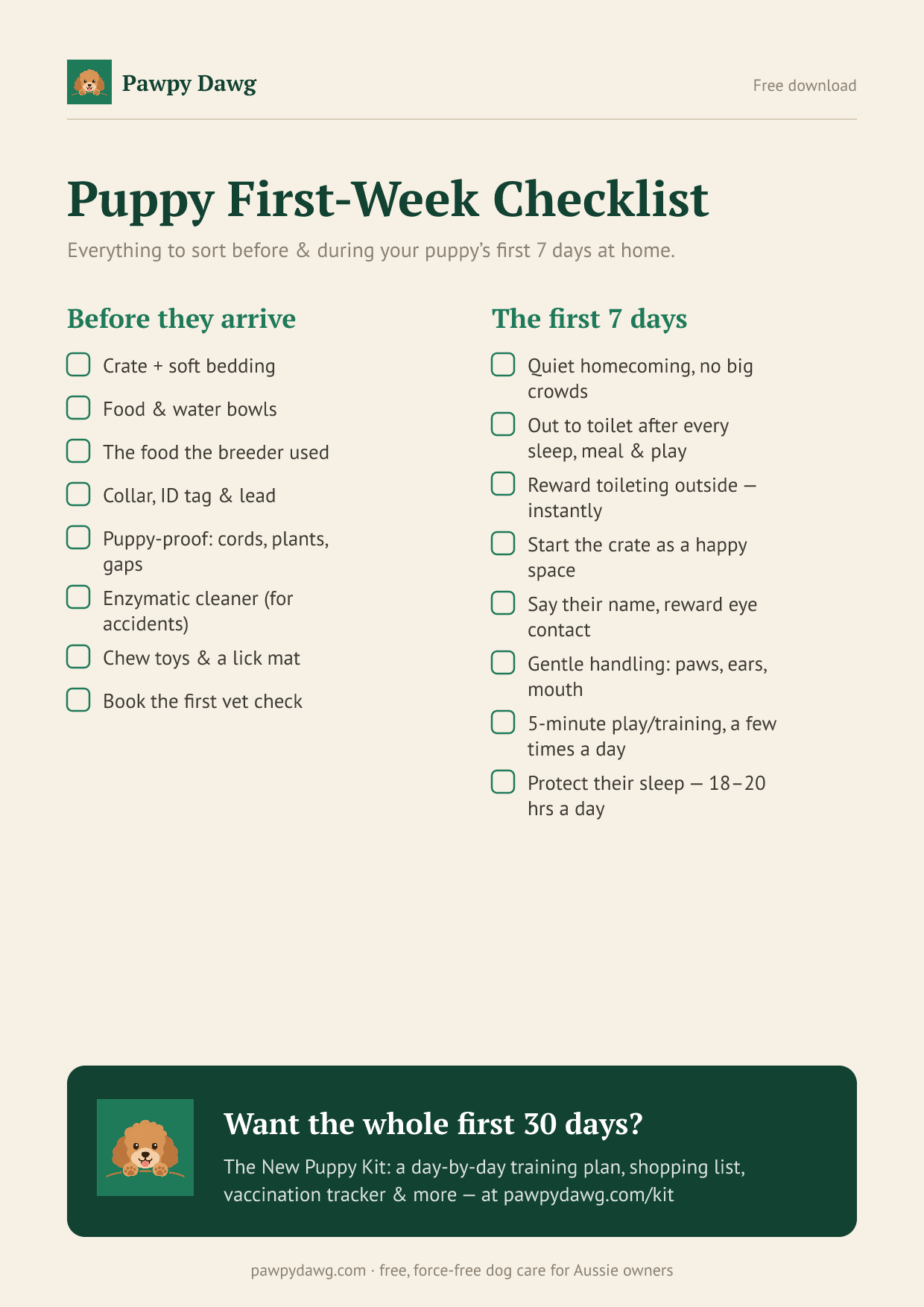
Free printable
Free: the Puppy First-Week Checklist
Everything to sort before and during your puppy's first 7 days home — a printable one-pager. Plus the occasional genuinely useful dog tip. No spam, unsubscribe anytime.
Related guides
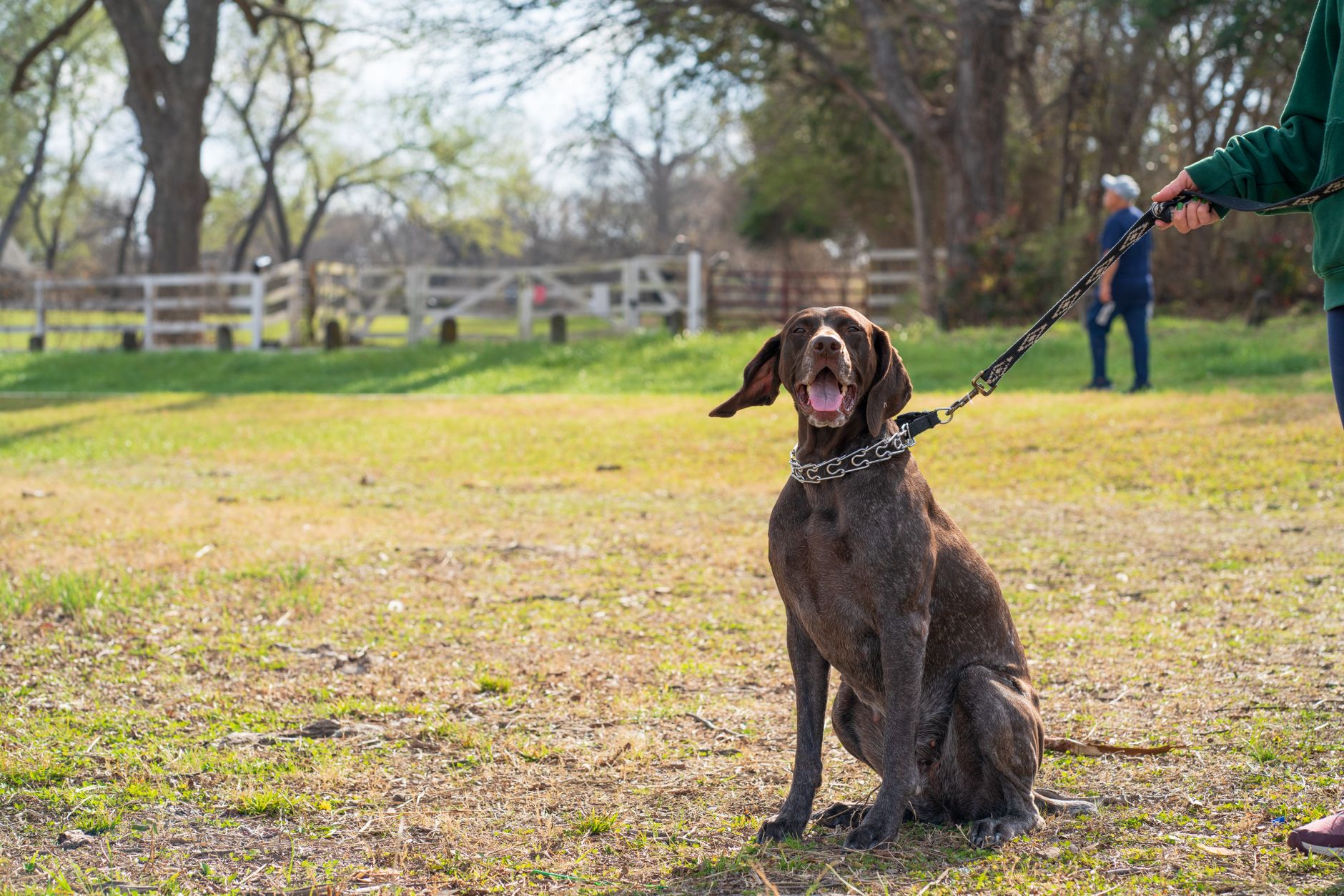
How to Stop a German Shepherd Pulling on the Lead (Step-by-Step)
Tired of being dragged down the street? Here's a realistic, step-by-step positive-reinforcement plan to stop your German Shepherd pulling on the lead — starting today.
Read the guide →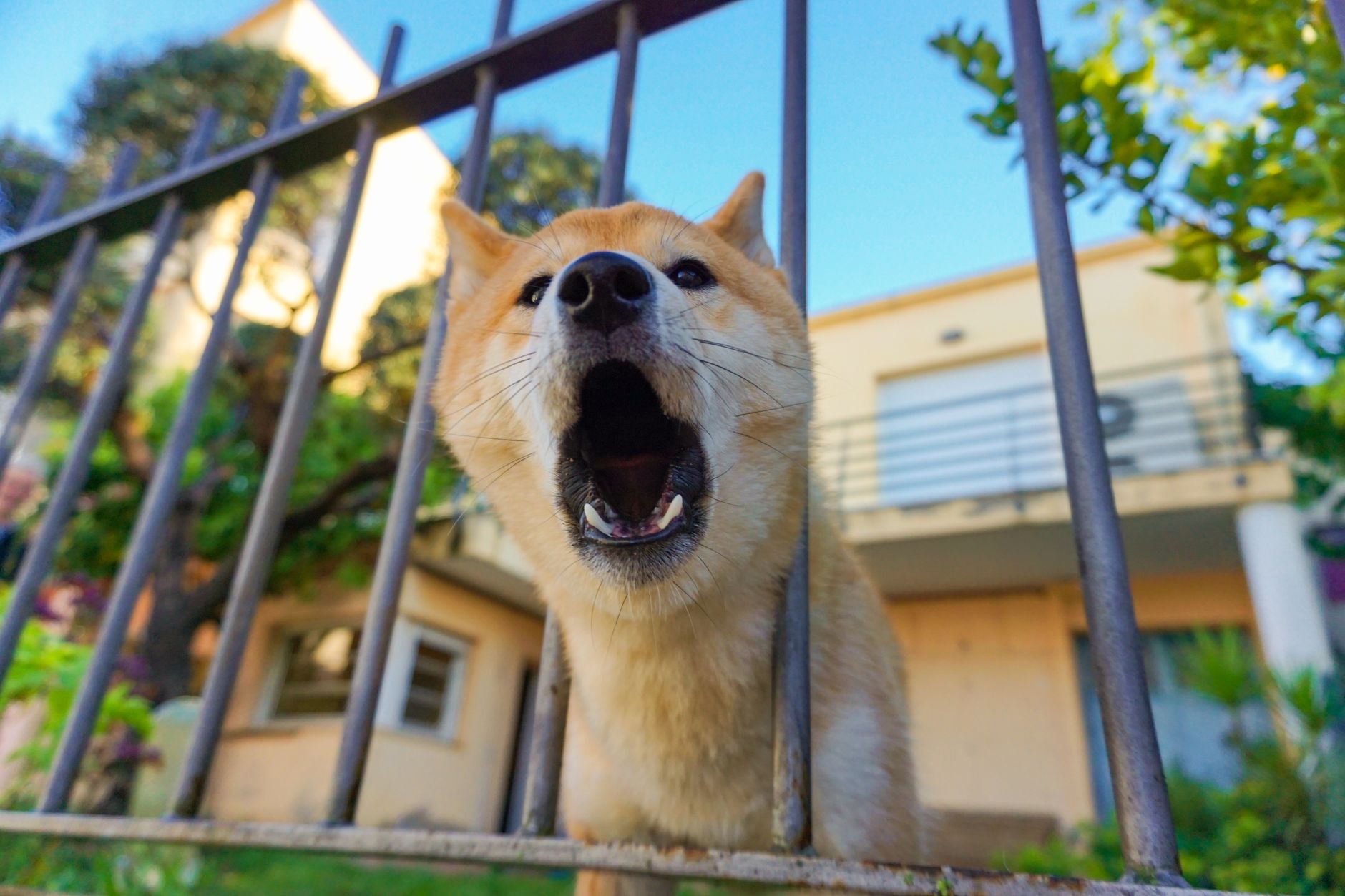
How to Stop a German Shepherd Barking at Strangers (Step-by-Step)
Tired of your German Shepherd barking at strangers? This step-by-step positive-reinforcement plan gives you real fixes, realistic timelines & when to get pro help.
Read the guide →
German Shepherd Separation Anxiety: A Step-by-Step Fix
Struggling with German Shepherd separation anxiety? Get a realistic, step-by-step positive-reinforcement plan, a quick win for today, and honest timelines.
Read the guide →