
French Bulldog Not Coming When Called? A Step-by-Step Recall Fix
French bulldog not coming when called? Here's a realistic, positive-reinforcement recall fix with quick wins, common mistakes, and honest timelines for busy owners.

Written by Bradley Brown
Founder & editor · Reviewed 2026-07-07
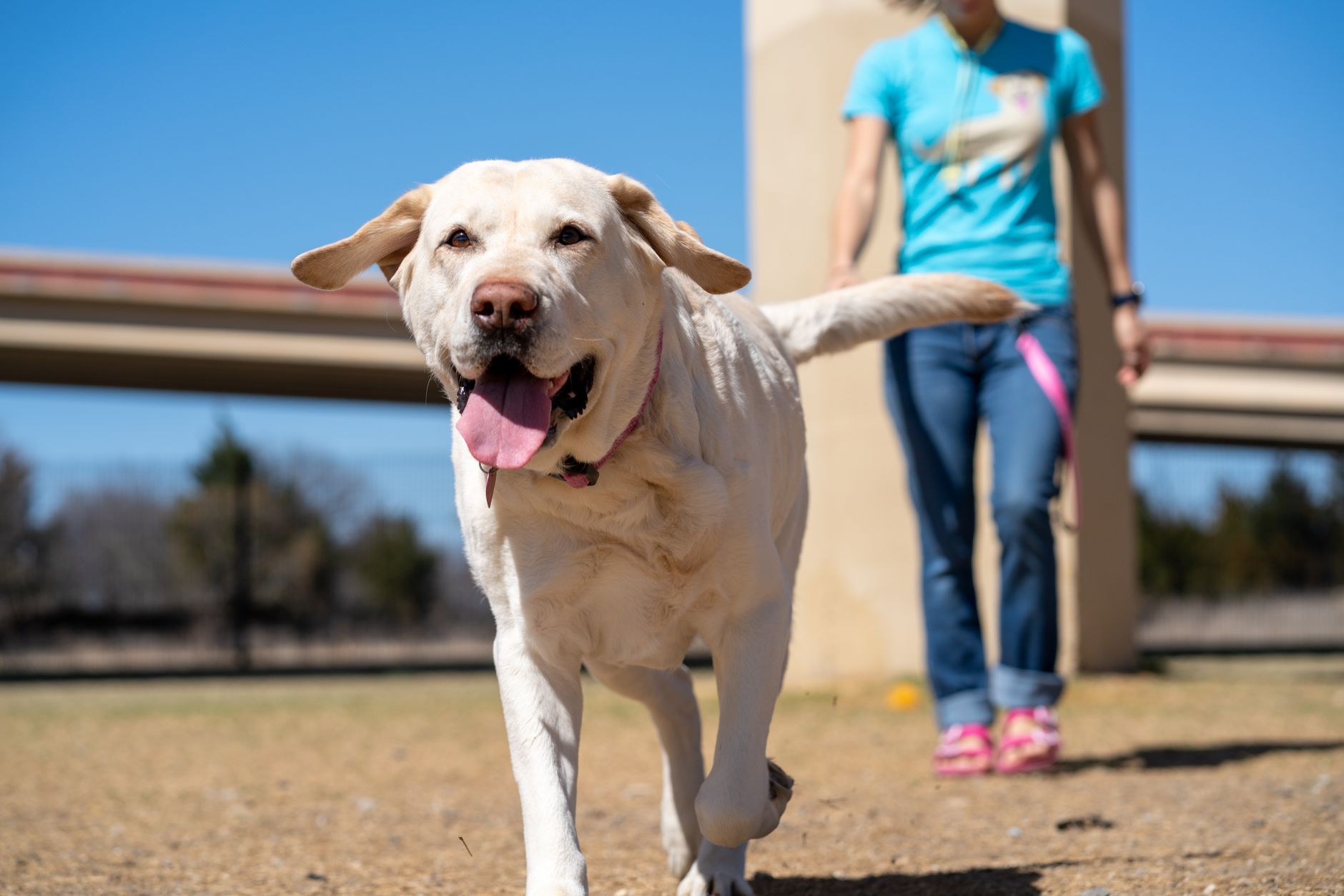
You called. Your French Bulldog looked directly at you, made solid eye contact, and then trotted off in the opposite direction. If that sounds familiar, you're not alone — and you haven't ruined your dog. Frenchies are famously stubborn, bred for companionship rather than obedience, and recall is genuinely one of the hardest skills to teach them. The good news? It's fixable, and you don't need hours of daily training to get there.
Try This Today (Seriously, Right Now)
Before anything else, try the "party recall" tonight in your hallway or lounge room:
- Wait until your Frenchie is mildly distracted — sniffing around, not full-zoomies mode.
- Say their name once, then your recall word ("come" or "here") in a bright, upbeat voice.
- The moment they take even one step toward you, crouch down, clap, and go absolutely over the top — silly voice, big fuss, a high-value treat (think small piece of cooked chicken or cheese, not a dry biscuit).
- Repeat 3–4 times and stop. Always end on a success.
That's it. Keep it to five minutes. You're rebuilding the association between your recall cue and "something genuinely great happens." One session won't fix months of bad habits, but you'll likely see a flicker of improvement by tomorrow.
Why French Bulldogs Are Terrible at Recall (It's Not You)
French Bulldogs were never bred to work at a distance. Unlike Border Collies or Labradors — dogs selected over generations to respond instantly to human direction — Frenchies were bred to sit on laps and look charming. Independent thinking is baked in.
Add to that a few common owner pitfalls (none of which are your fault — they're just easy mistakes to make):
- Calling your dog only when something ends — the walk is over, the fun stops, they go in the crate. Recall starts to predict bad news.
- Repeating the cue — "Biscuit, come. Come. COME. Biscuit, I said COME." Every repeat teaches them the first "come" means nothing.
- Punishing a slow recall — even mild frustration when they finally arrive poisons the cue. They arrived; that always gets a party.
- Practising only on walks — off-lead parks are the hardest environment. Recall needs to be solid at home first.
The Step-by-Step Recall Fix
This is a four-week framework. Sessions are 5–10 minutes, once or twice a day. Miss a day? No drama — just pick up where you left off.
Week 1 — Charge the Cue Indoors
Your goal this week is purely to make your recall word mean "jackpot is coming."
- Choose one word (or a whistle) and stick with it. Don't switch between "come," "here," and their name.
- Call them from across the kitchen, from another room, from the bottom of the stairs.
- Every single recall gets a high-value treat for the whole week. No exceptions.
- No recalls you can't enforce. If you call and they ignore you, don't repeat — walk to them calmly, lure them to you with a treat, and make a mental note that you asked too much too soon.
Week 2 — Add Mild Distraction
Move training to the backyard or a quiet area outside. The environment is more interesting, so drop your expectations slightly and raise your treat value.
- Call them while they're sniffing grass (mild distraction), not while they're barking at a neighbour (extreme distraction).
- Practise restrained recalls: have a family member gently hold your Frenchie while you walk away, then call them. The light restraint creates a little tension and makes the run toward you more dramatic and rewarding.
- Begin occasional "real-life" recalls — call them for dinner, to put their lead on for a walk (fun thing), to invite them on the couch. Recall = good stuff happens, most of the time.
Week 3 — Long Line Work Outside
A 5–10 metre long line (a lightweight training lead, available from most Australian pet stores for $15–$30 AUD) lets you practise in open spaces without losing your dog.
- Clip the long line to a harness, not a collar (Frenchies have compressed airways — sudden jerks on a collar are a health risk).
- Let them wander to the end of the line, then call. If they don't respond within 2–3 seconds, gently reel them in — no yanking — and reward warmly when they reach you. They still get the treat; you just helped them succeed.
- Practise at the park, on quiet streets, in friends' backyards. Vary the environment.
Week 4 — Proofing and Real-World Recall
This is where most people rush and undo their progress. Don't attempt off-lead recall in a dog park until your Frenchie is hitting 9 out of 10 recalls on the long line in distracting environments.
- Gradually work closer to higher distractions (other dogs, people, smells).
- Use your highest-value treats for the hardest situations — save the chicken for these moments.
- Practise "call, reward, release" — call them, give a treat, then say "go play" and release them back to what they were doing. This stops recall becoming the signal that fun ends.
Recall Reward Cheat Sheet
| Situation | Treat Value Needed | Examples |
|---|---|---|
| Indoor, low distraction | Low–Medium | Kibble, training treats |
| Backyard, mild distraction | Medium | Commercial soft treats |
| Park, moderate distraction | High | Cooked chicken, cheese, fritz |
| Off-lead area, other dogs | Very High | Whatever they go maddest for |
Common Mistakes That Reset Your Progress
- Using recall to end every walk. Occasionally call them, treat, and keep walking.
- Calling during a barking episode or full-blown zoomies. Set them up to succeed, not fail.
- Letting family members call the dog and then not following through. Everyone in the household needs to use the same cue and always reward.
- Fading treats too fast. With Frenchies especially, keep random, unpredictable rewards going long-term. Think poker machine, not vending machine — unpredictable rewards actually maintain behaviour better.
Realistic Timeline
Most owners see meaningful improvement in 2–4 weeks with consistent short sessions. A reliable recall in genuinely distracting environments (off-lead parks, beaches) typically takes 2–4 months. That's normal. Recall is considered one of the most challenging behaviours to train and one of the most important — it can save your dog's life.
If after 6–8 weeks of consistent work you're seeing no improvement, or if your Frenchie's selective hearing is paired with other anxiety or reactivity issues, it's worth one session with a reward-based trainer (look for a member of the Pet Professional Guild Australia or Delta Society Australia). A good trainer will assess what's actually happening and save you months of spinning your wheels. Expect to pay $80–$150 AUD for a private session — often worth every cent.
The Bottom Line
Your Frenchie isn't broken, and you haven't failed them. Recall just wasn't on their breed's original job description, and it takes a bit more patience and strategy than it might with other dogs. Short, positive sessions, high-value rewards, and a commitment to not calling cues you can't back up will get you there. Start with that hallway recall tonight.
As an Amazon Associate we earn from qualifying purchases.
Frequently asked questions
Why does my French Bulldog ignore me when I call them outside but come inside?
Outside is simply a far more stimulating environment — smells, sounds, and sights all compete with your voice. Your recall cue also needs to be stronger than whatever distraction your dog is experiencing at that moment. Build the behaviour in easy environments first, then gradually add distraction over several weeks rather than expecting the same response indoors and outdoors straight away.
Is it too late to teach an older French Bulldog recall?
No — adult and senior dogs can absolutely learn solid recall. It may take slightly longer if a history of being ignored has made the cue feel meaningless to them, but the same positive-reinforcement steps apply. In some cases, it helps to choose a brand-new recall word or whistle so you're starting with a clean slate rather than retraining a cue they've learned to tune out.
Should I use a shock or citronella collar to stop my Frenchie ignoring my recall?
The major veterinary and animal behaviour organisations — including the Australian Veterinary Association — advise against aversive tools like shock or spray collars for recall training. Punishment-based approaches can increase anxiety and damage the trust that reliable recall depends on, and they carry real welfare risks, particularly for brachycephalic breeds like Frenchies. Positive reinforcement is both more effective long-term and safer.
How long should each training session be for a French Bulldog?
Keep sessions to 5–10 minutes, once or twice a day. French Bulldogs can overheat quickly due to their flat faces, and mentally they tend to switch off after short bursts. Frequent, brief sessions build stronger habits than occasional long ones, and you're far more likely to stick to them when life gets busy.
My Frenchie comes when called at home but bolts at the dog park. What am I doing wrong?
Nothing — this is completely normal and means you've just reached the limits of where you've trained so far. Recall needs to be practised at gradually increasing levels of distraction before it holds in a high-arousal environment like a dog park. Use a long line at the park to keep training safe while you build up to reliable off-lead recall in that setting.
What treats work best for recall training a French Bulldog?
Use the highest-value treat your dog will work for, particularly in distracting environments. Cooked chicken breast, small cubes of cheese, or cooked fritz are popular choices with Frenchies. Keep pieces tiny — about the size of a pea — so you can reward frequently without filling them up or upsetting their stomach. Save your dog's absolute favourite treat exclusively for recall so it stays special.
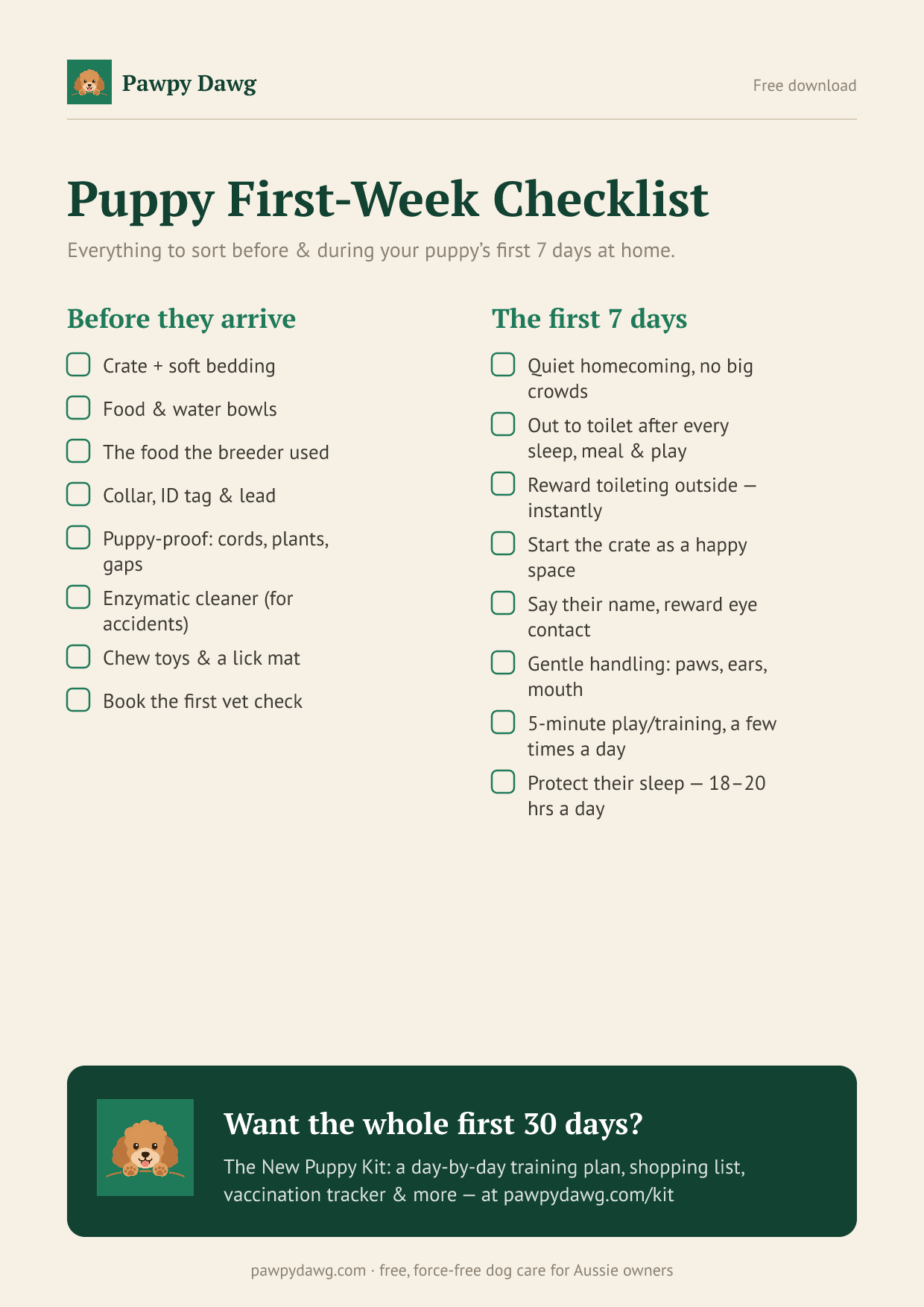
Free printable
Free: the Puppy First-Week Checklist
Everything to sort before and during your puppy's first 7 days home — a printable one-pager. Plus the occasional genuinely useful dog tip. No spam, unsubscribe anytime.
Related guides
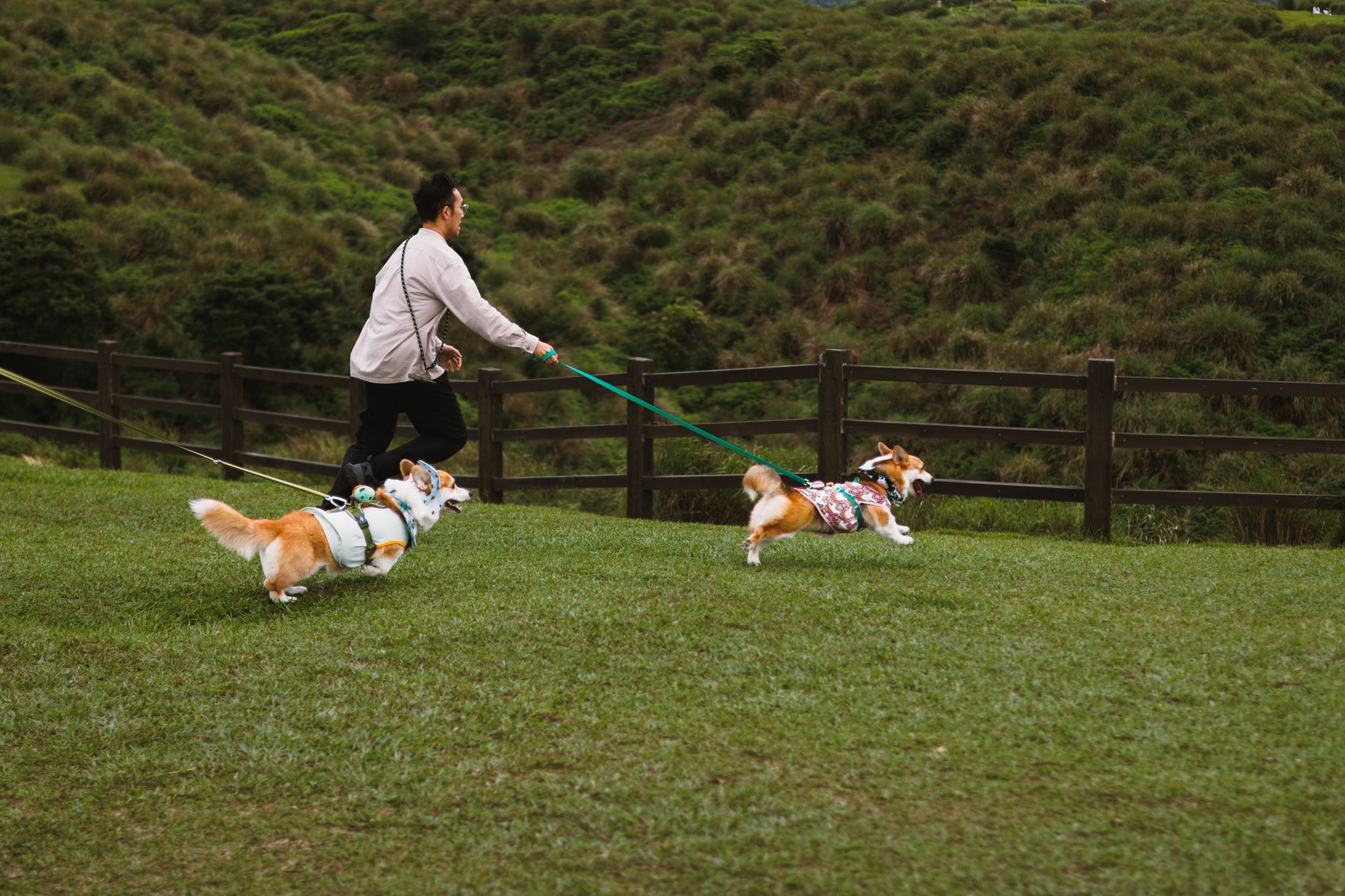
How to Stop a French Bulldog Pulling on the Lead (Step-by-Step)
Tired of your French Bulldog pulling on the lead? This step-by-step positive-reinforcement plan delivers real results in 5–10 min daily training sessions.
Read the guide →
How to Stop a French Bulldog Barking at Strangers (Step-by-Step)
Tired of your French Bulldog barking at strangers? This step-by-step positive-reinforcement plan gives you a quick win today and a realistic timeline to fix it.
Read the guide →
French Bulldog Separation Anxiety: A Step-by-Step Fix
Struggling with French Bulldog separation anxiety? This step-by-step, positive-reinforcement plan gives you real fixes, realistic timelines & when to get pro help.
Read the guide →