
How to Toilet Train a Cavoodle: A Realistic Plan
Master cavoodle toilet training with this step-by-step positive-reinforcement guide. Realistic timelines, common mistakes, and when to call a pro.

Written by Bradley Brown
Founder & editor · Reviewed 2026-06-30
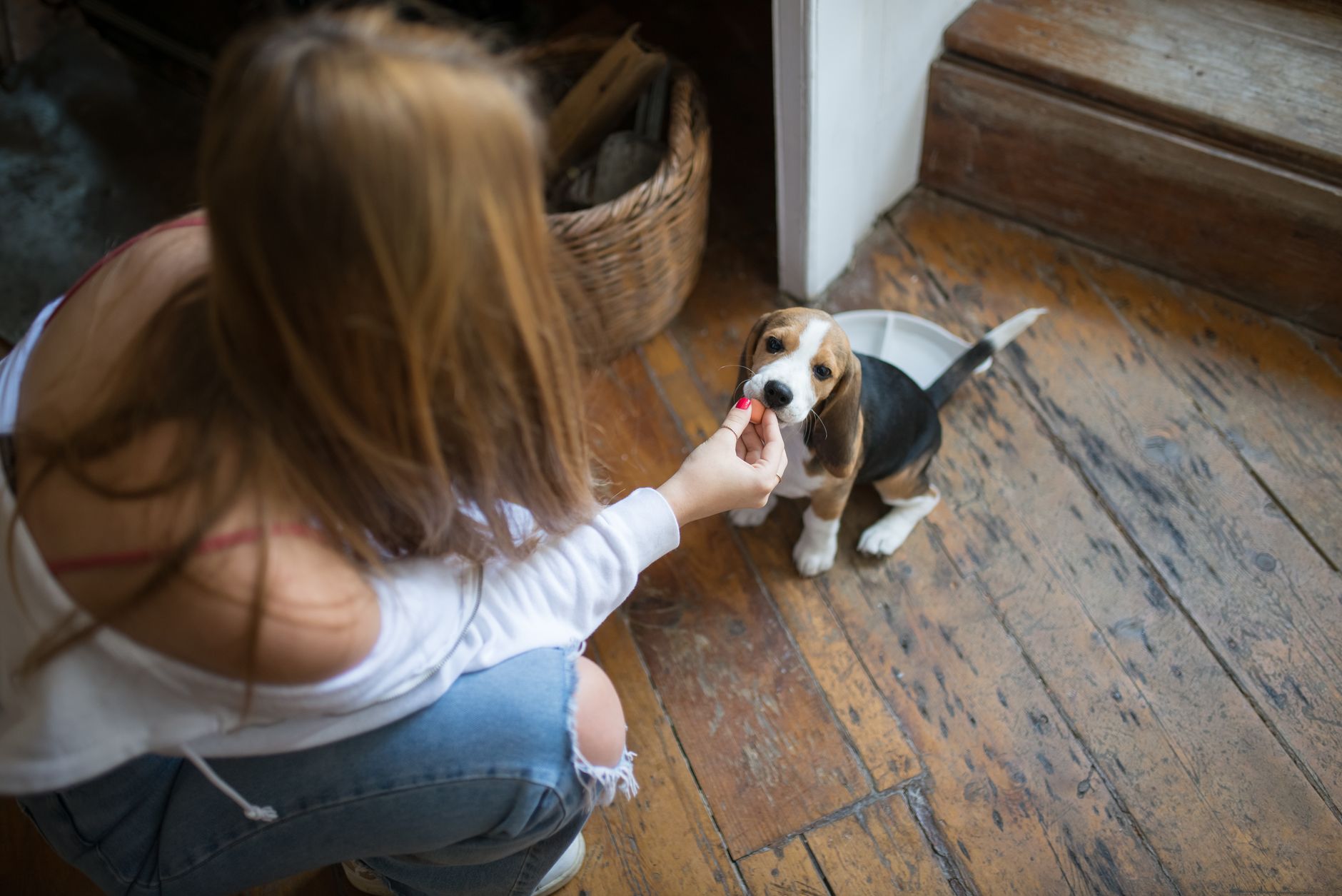
Cavoodles are bright, eager-to-please dogs — but that doesn't mean toilet training happens overnight. Most owners hit the same snags: a puppy who seems to get it one day and forgets the next, or an older dog who keeps sneaking off to the same corner of the lounge room. The good news is that with a consistent routine and positive reinforcement, most Cavoodles are reliably toilet trained within four to twelve weeks.
Here's exactly how to do it.
Understand What You're Working With
Cavoodles are a cross between a Cavalier King Charles Spaniel and a Poodle. Both parent breeds are intelligent and responsive to reward-based training, which works in your favour. What works against you is their small bladder capacity — especially as puppies.
A rough guide to how long a puppy can hold on:
| Age | Maximum hold time (awake) |
|---|---|
| 8–10 weeks | ~1 hour |
| 3 months | ~2 hours |
| 4 months | ~3 hours |
| 6 months | ~4 hours |
| 12 months+ | ~6–8 hours |
These are maximums. Excitement, play, and drinking all shorten the window considerably.
Set Up Your Environment Before You Begin
Getting the setup right saves a lot of frustration.
- Choose one toilet spot — a specific patch of grass, a paved area, or a puppy pad in a fixed location. Consistency helps your dog build a strong location habit.
- Confine when unsupervised — use a playpen or crate sized so your Cavoodle can stand, turn around, and lie down but not much more. Dogs are reluctant to soil their sleeping area.
- Remove rugs and runners temporarily. Their texture mimics grass and invites mistakes.
- Have high-value treats ready at the door — small, soft pieces of chicken, cheese, or a commercial training treat work well. The reward must be immediate.
The Step-by-Step Training Plan
Step 1: Build a Predictable Schedule
Take your Cavoodle outside — on lead — to their designated spot at these times, every single day:
- First thing in the morning
- After every meal
- After every nap
- After play sessions
- Before bed
- Every 1–2 hours in between (for puppies under 12 weeks)
Using a lead keeps them focused on the task rather than exploring. Stand quietly and give them two to three minutes. If nothing happens, go back inside and try again in ten to fifteen minutes.
Step 2: Mark and Reward the Moment They Go
The instant your Cavoodle finishes toileting in the right spot, mark it with a clear, cheerful word ("yes!" or a clicker click) and immediately give a treat. Timing is everything — reward within two seconds of the behaviour. Praise calmly rather than over-excitedly, which can interrupt them mid-stream.
Do this every single time for the first four to six weeks. Dogs learn through repetition; fading rewards too early is one of the most common reasons training stalls.
Step 3: Manage Accidents Without Drama
Accidents will happen. How you respond matters.
- Do not punish — rubbing a dog's nose in a mess, scolding, or using a harsh voice does not teach a dog where to go. It teaches them that toileting in front of you is unsafe, which makes outdoor training harder.
- Interrupt calmly if you catch them in the act — a neutral "ah-ah" and a quick, calm escort outside is enough.
- Clean up thoroughly — use an enzymatic cleaner (widely available at pet shops for around $10–$20 AUD). Standard household cleaners don't break down the odour compounds that attract dogs back to the same spot.
Step 4: Reduce Supervision Gradually
As your Cavoodle starts going outside reliably — consistently for two to three weeks without indoor accidents — you can slowly expand their freedom.
- First, allow access to one extra room while you're watching.
- After another week without accidents, add another room.
- Continue until they have full access to the house.
If accidents return, go back a step. This isn't a setback; it's the process.
Step 5: Add a Toilet Cue Word
Once your dog is going outside consistently, you can attach a verbal cue. As they begin to squat or lift a leg, say your chosen word quietly — "toilet", "go", "outside", whatever you like. After a few weeks of pairing the word with the action, most Cavoodles will respond to the cue and go on command. This is genuinely useful before car trips, vet visits, and bedtime.
Common Mistakes That Slow Everything Down
- Inconsistent schedule — the single biggest factor. If the routine varies day to day, the habit can't form reliably.
- Rewarding too late — bringing a treat outside after your dog has already run back inside is not effective.
- Free-roaming too soon — giving full house access before the habit is solid leads to accidents in forgotten corners.
- Relying on pads long-term — puppy pads are useful in apartments or for very young puppies, but they teach dogs to toilet indoors. Transition to outdoor toileting as soon as practical by gradually moving the pad closer to the door, then outside.
- Expecting too much too fast — most Cavoodles aren't reliably accident-free until around six months. Some take closer to twelve months, particularly if they came from a pet shop or litter environment where toileting was not managed well.
Realistic Timeline
| Week | What to expect |
|---|---|
| 1–2 | Dog begins to learn the routine; accidents frequent |
| 3–4 | Fewer accidents; dog may start signalling (sniffing, circling) |
| 6–8 | Most pups going outside consistently; occasional slip-ups |
| 10–12 | Reliable in most situations; may still need overnight management |
| 6–12 months | Full reliability in typical adult Cavoodles |
When to Get Professional Help
Most toilet training challenges resolve with consistency, but some situations warrant a conversation with a vet or a certified dog trainer.
See your vet if:
- A previously trained dog suddenly starts having accidents (this can signal a urinary tract infection, kidney disease, or other medical issue)
- Your puppy urinates more frequently than expected, or shows signs of straining or discomfort
- There is blood in the urine
See a qualified trainer or behaviourist if:
- Training has made no progress after eight to ten weeks of consistent effort
- Your dog shows anxiety around toileting, such as hiding to go or refusing to go outside
- You've adopted an older Cavoodle with entrenched indoor habits
Look for a trainer who uses positive reinforcement methods and holds credentials from the Delta Society Australia, the Pet Professional Guild Australia, or a comparable body. Expect to pay around $80–$150 AUD per session for a qualified professional.
As an Amazon Associate we earn from qualifying purchases.
Frequently asked questions
How long does cavoodle toilet training usually take?
Most Cavoodle puppies develop a reliable outdoor habit between eight and twelve weeks of consistent training. Full reliability — including overnight — is more realistic by six months of age. Dogs adopted as adults or those from inconsistent early environments may take a little longer.
What's the best age to start toilet training a Cavoodle?
You can start from the day you bring your puppy home, which is typically around eight weeks of age. Earlier is better — the longer indoor toileting goes unchecked, the more established the habit becomes. Even so, adult Cavoodles can absolutely be retrained with patience and consistency.
Should I use puppy pads for my Cavoodle?
Puppy pads are a reasonable short-term tool for very young puppies or apartment living, but they teach your dog that toileting indoors is acceptable. If your goal is outdoor toileting, transition off pads as soon as practical by gradually moving them toward and then through the door.
Why does my Cavoodle keep going in the same spot inside?
Dogs are drawn back to areas where they can smell previous accidents. Standard cleaning products don't fully neutralise the odour compounds. Use an enzymatic cleaner on any soiled area, and if possible, restrict access to that spot during training.
My Cavoodle was toilet trained and has started having accidents again — why?
Sudden regression in a previously trained dog warrants a vet check first. Urinary tract infections, bladder stones, hormonal changes, and anxiety can all cause accidents. If medical causes are ruled out, look at whether anything in the dog's routine or environment has changed, and restart the basics.
Is it okay to scold my Cavoodle for toileting inside?
No — punishment after the fact achieves nothing because dogs can't connect a past action to a present consequence. Even catching them in the act and reacting harshly can teach them to hide when they need to go, which makes outdoor training harder. A calm interruption and immediate trip outside is far more effective.
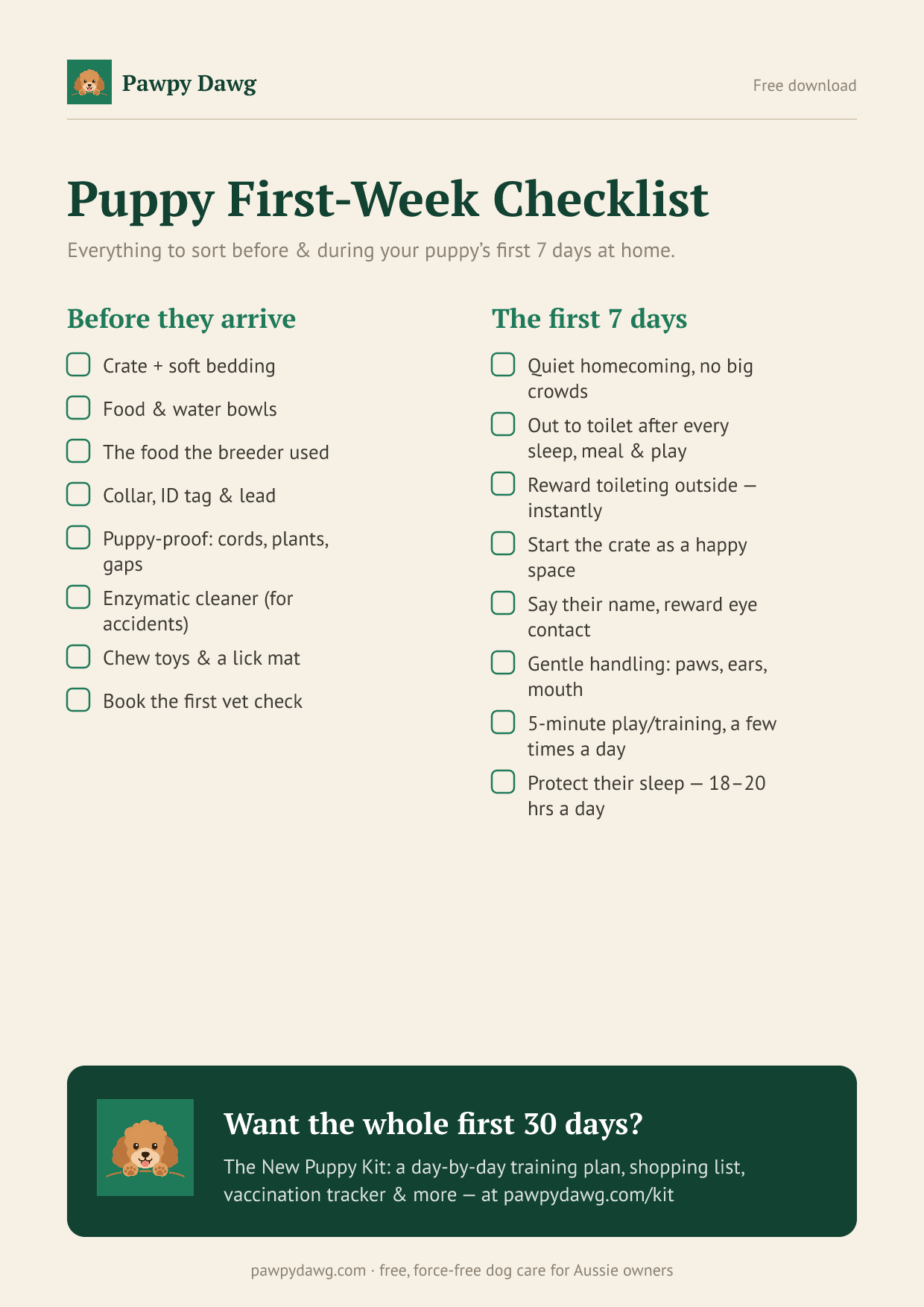
Free printable
Free: the Puppy First-Week Checklist
Everything to sort before and during your puppy's first 7 days home — a printable one-pager. Plus the occasional genuinely useful dog tip. No spam, unsubscribe anytime.
Related guides
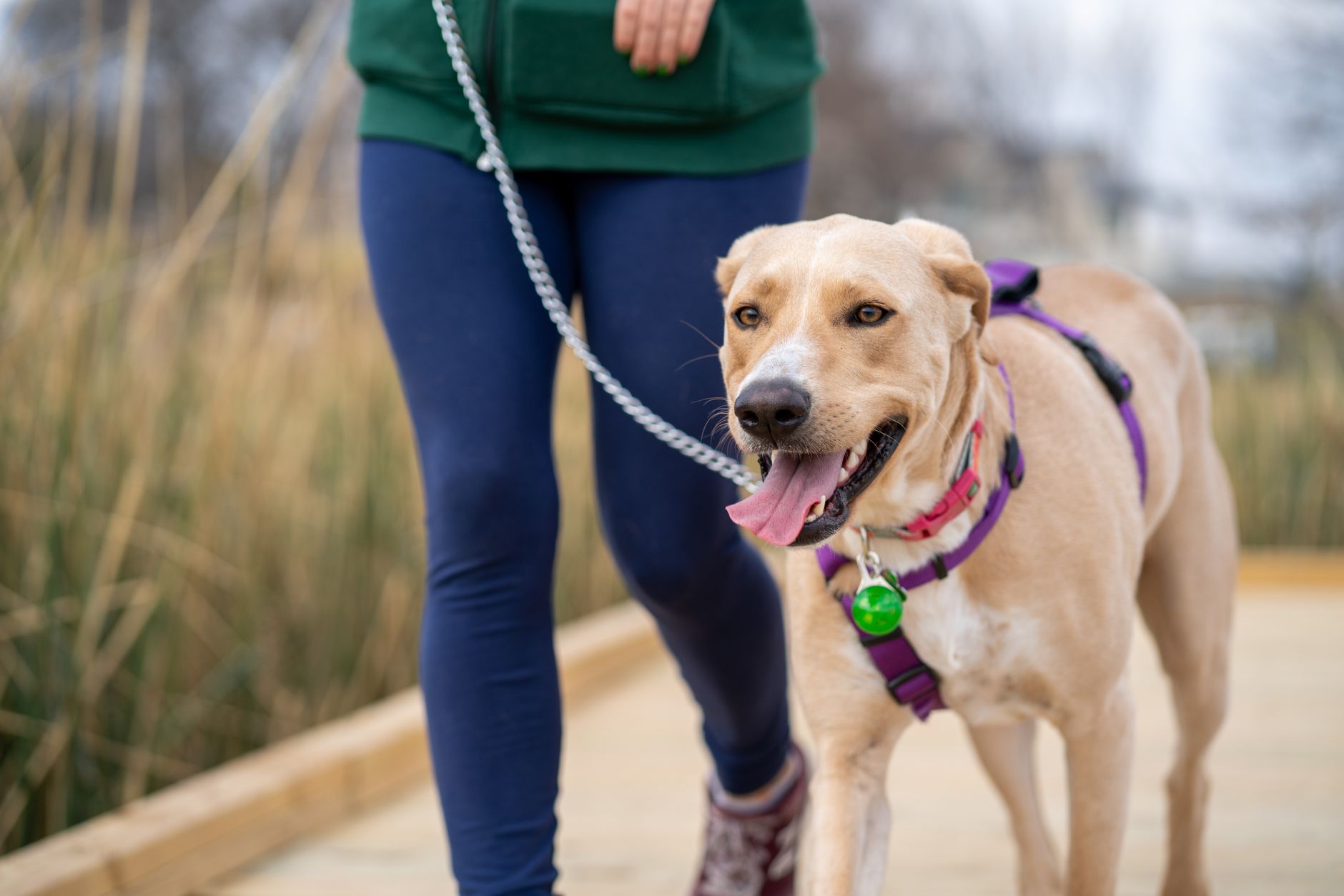
How to Stop a Cavoodle Pulling on the Lead (Step-by-Step)
Is your Cavoodle pulling on the lead? Follow this step-by-step positive reinforcement plan with realistic timelines, common mistakes, and pro tips.
Read the guide →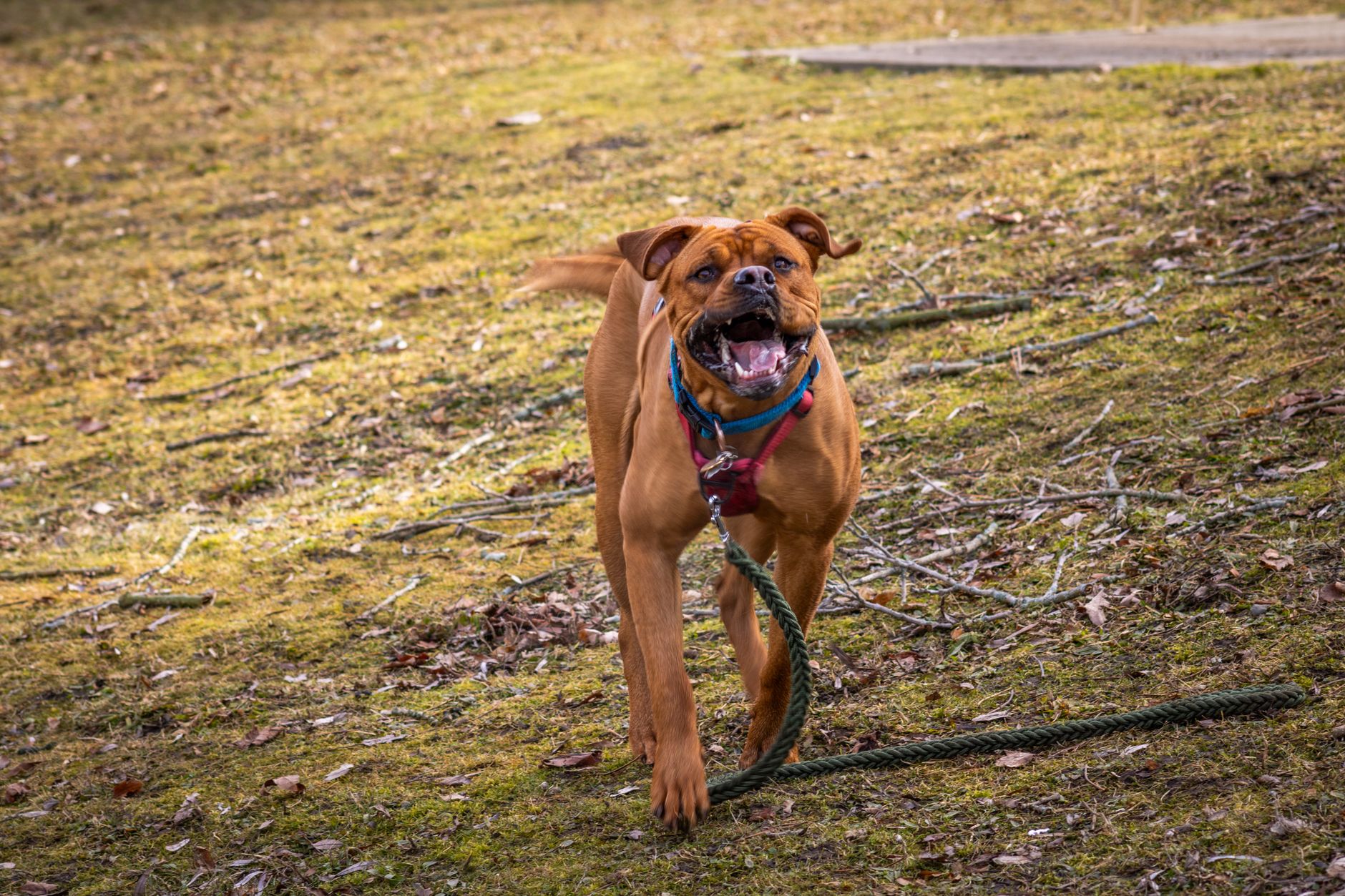
How to Stop a Cavoodle Barking at Strangers (Step-by-Step)
Cavoodle barking at strangers? This step-by-step positive-reinforcement plan covers desensitisation, threshold training, common mistakes, and realistic timelines.
Read the guide →
Cavoodle Separation Anxiety: A Step-by-Step Fix
Cavoodle separation anxiety is common but fixable. Follow this step-by-step positive reinforcement plan with realistic timelines and expert advice.
Read the guide →