
Cavoodle Separation Anxiety: A Step-by-Step Fix
Cavoodle separation anxiety is common but fixable. Follow this step-by-step positive reinforcement plan with realistic timelines and expert advice.

Written by Bradley Brown
Founder & editor · Reviewed 2026-06-30
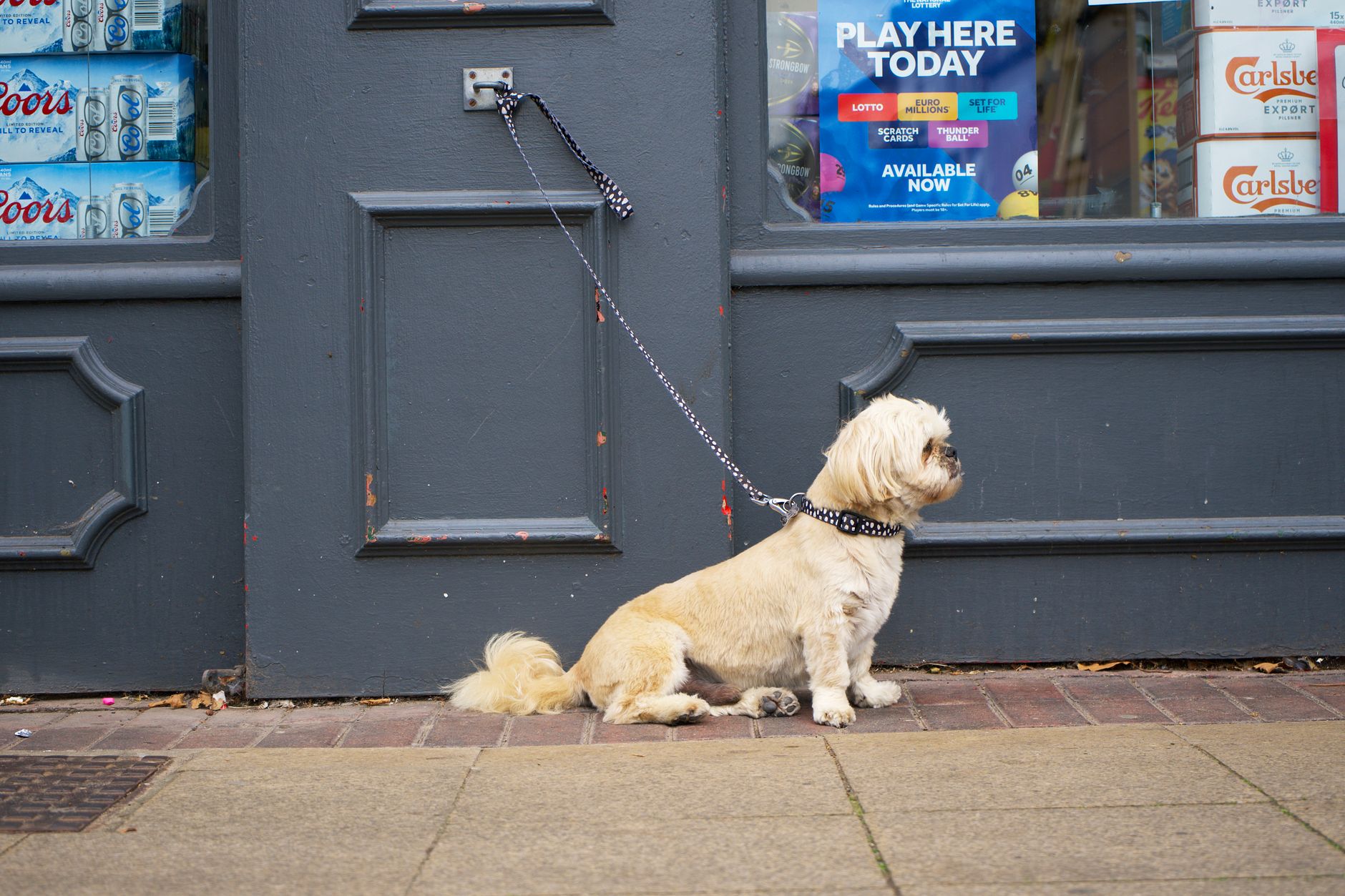
Cavoodles are bred to be companion dogs — that's the whole point of them. Cross a Cavalier King Charles Spaniel with a Poodle and you get a dog that bonds deeply, reads your emotions well, and genuinely struggles when left alone. That's not a character flaw; it's the breed doing exactly what it was designed to do. The problem is that most owners accidentally make separation anxiety worse without realising it.
This guide walks you through a structured, positive-reinforcement plan to help your Cavoodle cope with alone time — without punishment, drama, or gimmicks.
First: Know What You're Actually Dealing With
Not every dog that barks when you leave has separation anxiety. There's a spectrum:
- Boredom/frustration barking — the dog settles within 5–10 minutes and is fine
- Mild separation anxiety — distress lasts 20–40 minutes, dog may pace or whine but eventually settles
- Moderate to severe separation anxiety — sustained barking, destructive behaviour, self-injury, house soiling, and the dog never fully settles
Set up a camera (a basic pet cam or even an old phone running a free app works fine) and watch what your Cavoodle actually does after you leave. This tells you which category you're dealing with and whether your training is working over time.
The Core Principle: Systematic Desensitisation
Separation anxiety is fundamentally a panic response. You can't punish panic away, and you can't reassure it away either — excessive fussing before leaving actually signals to the dog that something worth worrying about is happening. The fix is to gradually raise the dog's tolerance for alone time through tiny, repeatable steps, always staying below the dog's distress threshold.
Step 1: Break the Pre-Departure Ritual (Week 1)
Dogs are sharp pattern-readers. The moment you pick up your keys or put on shoes, many Cavoodles are already anxious. Break these associations by running through your departure cues multiple times a day without actually leaving.
- Pick up your keys, then sit back down. Repeat 10 times a day.
- Put on your jacket, make a coffee, take the jacket off.
- Open the front door, step outside for three seconds, come back in calmly.
No big hellos or goodbyes. Keep arrivals and departures low-key and matter-of-fact.
Step 2: Build a Positive Departure Cue (Week 1–2)
Give the dog a specific, high-value food item that only appears when you leave — a frozen Kong stuffed with peanut butter and banana, a lick mat loaded with wet food, or a bully stick. This item becomes a predictor of your departure and something the dog actively looks forward to.
Start by giving the treat and only stepping out for 15–30 seconds. Return before the dog finishes or shows distress. Over days, very gradually extend the time. The rule: always return before the dog reaches their anxiety threshold.
Step 3: Crate or Safe Space Conditioning (Week 1–3)
A well-conditioned crate or designated pen gives anxious dogs a defined, safe zone rather than leaving them to roam and escalate their stress. This is not punishment — it's structure.
- Feed all meals in the crate or pen with the door open initially
- Toss high-value treats inside randomly throughout the day
- Build to closing the door for 30 seconds, then a minute, then longer — always at the dog's pace
- Cover three sides with a blanket to reduce visual stimulation
Some Cavoodles do better in a puppy pen than a crate — trial both and watch which produces a calmer dog.
Step 4: Practise Micro-Absences (Week 2–4)
This is the repetitive, unglamorous work that actually fixes separation anxiety. Aim for multiple short departures each day rather than one long one.
| Week | Target duration |
|---|---|
| 1–2 | 1–5 minutes |
| 3–4 | 5–20 minutes |
| 5–6 | 20–60 minutes |
| 7–8+ | 1–4 hours, building slowly |
Only progress to the next duration when the dog is consistently calm at the current level on camera. If you jump too fast, you set the training back — patience here is not optional.
Step 5: Environmental Enrichment and Exercise
A physically and mentally tired Cavoodle copes with alone time significantly better. Before any planned absence:
- Give 20–30 minutes of genuine aerobic exercise (not just a toilet walk)
- Do 5 minutes of nose-work or obedience training to burn mental energy
- Rotate enrichment toys so novelty stays high
Background noise — an ABC Radio stream, a TV left on, or a white noise machine — can reduce reactivity to outside sounds that trigger barking.
Common Mistakes That Stall Progress
- Progressing too fast. If your dog is distressed at 10 minutes, working on 4-hour absences will actively worsen the anxiety.
- Inconsistent training. Three solid days followed by a weekend where the dog is never alone undoes the work.
- Punishing anxious behaviour. Scolding a dog for barking or destroying things when alone increases stress and damages trust.
- Over-relying on doggy daycare. Daycare is a useful management tool, not a treatment. The dog still needs to learn to cope alone.
- Smothering the dog with attention at home. Gradually building in calm independence time during the day — where the dog rests in another room — is part of the training.
When to Bring in Professional Help
If after 6–8 weeks of consistent training you're seeing no measurable improvement on camera, or if your dog is injuring themselves, not eating, or the distress is severe from the very first second of departure, it's time to escalate.
Consult a veterinary behaviourist or your regular vet about:
- Medication support (commonly fluoxetine or clomipramine — these are not sedatives; they reduce baseline anxiety so training can work)
- Referral to a certified animal behaviourist (look for members of the Australian Animal Behaviour and Training Council)
Medication combined with behaviour modification produces significantly better outcomes than either alone for moderate-to-severe cases. Expect to pay $150–$350 AUD for a veterinary behaviour consultation, but this is far cheaper than the ongoing cost of destruction, neighbour complaints, or a dog that never gets better.
Certified dog trainers can also help — look for trainers who use positive reinforcement methods and have credentials such as NDTF, PPG, or APDT membership. Avoid anyone recommending aversive tools like prong collars or shock collars for anxiety; these worsen the underlying problem.
Realistic Expectations
Mild cases often show meaningful improvement in 4–6 weeks. Moderate cases typically take 3–6 months of consistent work. Severe cases may require 6–12 months, medication support, and professional guidance. There is no shortcut, but there is a genuine end point — most Cavoodles can learn to be comfortable alone for a normal working day with the right approach and enough patience.
As an Amazon Associate we earn from qualifying purchases.
Frequently asked questions
How long does it take to fix separation anxiety in a Cavoodle?
Mild cases can improve noticeably in 4–6 weeks with consistent daily training. Moderate cases usually take 3–6 months, and severe cases can take 6–12 months, often requiring veterinary support alongside behaviour modification. Progress depends heavily on how consistently you practise and whether you avoid pushing the dog past their threshold.
Should I get a second dog to help my Cavoodle's separation anxiety?
Getting a second dog is rarely a reliable fix and can backfire. Some dogs calm down with a companion, but many remain anxious regardless because their distress is specifically about being away from their human, not about being alone in general. Resolve the anxiety through training first before making a decision about another dog.
Are calming supplements or anxiety wraps worth using for Cavoodle separation anxiety?
Products like Adaptil diffusers, Zylkene supplements, and anxiety wraps such as Thundershirts have variable results — some dogs respond well, others don't. They can take the edge off mild anxiety and support training, but they are not a standalone treatment for genuine separation anxiety. Discuss options with your vet to find the right fit for your dog.
Is it okay to use a crate for a Cavoodle with separation anxiety?
A properly conditioned crate can give an anxious Cavoodle a secure, defined space and often reduces destructive behaviour. The critical word is 'conditioned' — a dog locked in a crate without positive association training can panic and injure themselves. Introduce the crate slowly over 1–3 weeks using food rewards before using it during absences.
Can separation anxiety in Cavoodles be caused by something I'm doing?
Yes, unintentionally. Very long, emotional goodbyes signal to the dog that leaving is a significant event worth worrying about. Similarly, always being present — working from home, never leaving the dog alone — can make normal absences feel alarming when they do occur. Building in short, calm alone time daily, even when you're home, is part of preventing and treating separation anxiety.
At what age does separation anxiety usually appear in Cavoodles?
It can appear at any age, but two common windows are the early puppy stage (8–16 weeks), when the dog is first adjusting to a new home, and adolescence (6–18 months). It can also develop later in life following a change in routine, a house move, or the loss of a family member or companion animal. Early prevention training is far easier than treating established anxiety.
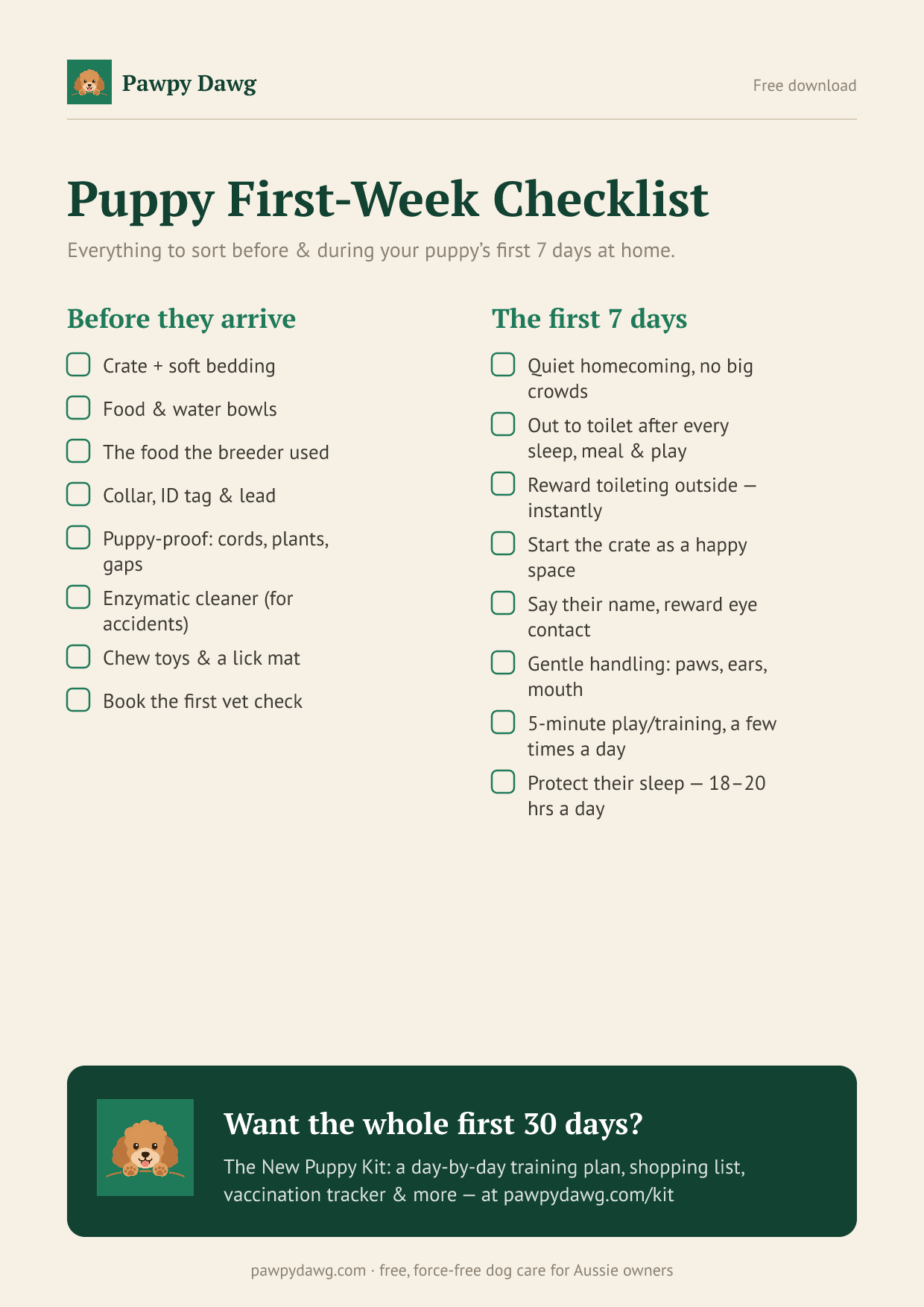
Free printable
Free: the Puppy First-Week Checklist
Everything to sort before and during your puppy's first 7 days home — a printable one-pager. Plus the occasional genuinely useful dog tip. No spam, unsubscribe anytime.
Related guides
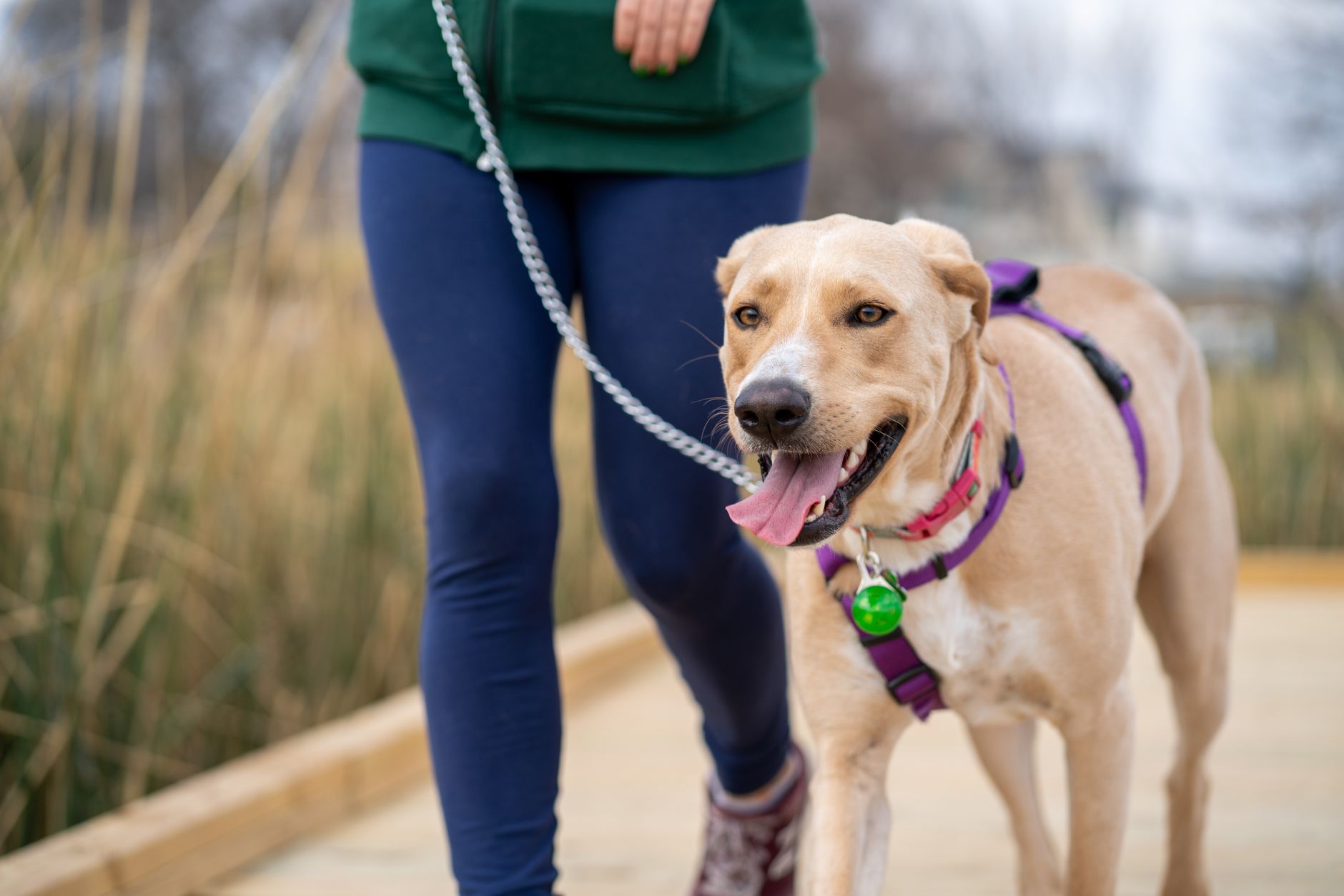
How to Stop a Cavoodle Pulling on the Lead (Step-by-Step)
Is your Cavoodle pulling on the lead? Follow this step-by-step positive reinforcement plan with realistic timelines, common mistakes, and pro tips.
Read the guide →
How to Stop a Cavoodle Barking at Strangers (Step-by-Step)
Cavoodle barking at strangers? This step-by-step positive-reinforcement plan covers desensitisation, threshold training, common mistakes, and realistic timelines.
Read the guide →
How to Stop a Cavoodle Jumping Up on People (Step-by-Step)
Stop your Cavoodle jumping up on people with this step-by-step positive-reinforcement plan. Realistic timelines, common mistakes, and when to call a pro.
Read the guide →