
How to Stop a Cavoodle Pulling on the Lead (Step-by-Step)
Is your Cavoodle pulling on the lead? Follow this step-by-step positive reinforcement plan with realistic timelines, common mistakes, and pro tips.

Written by Bradley Brown
Founder & editor · Reviewed 2026-06-30
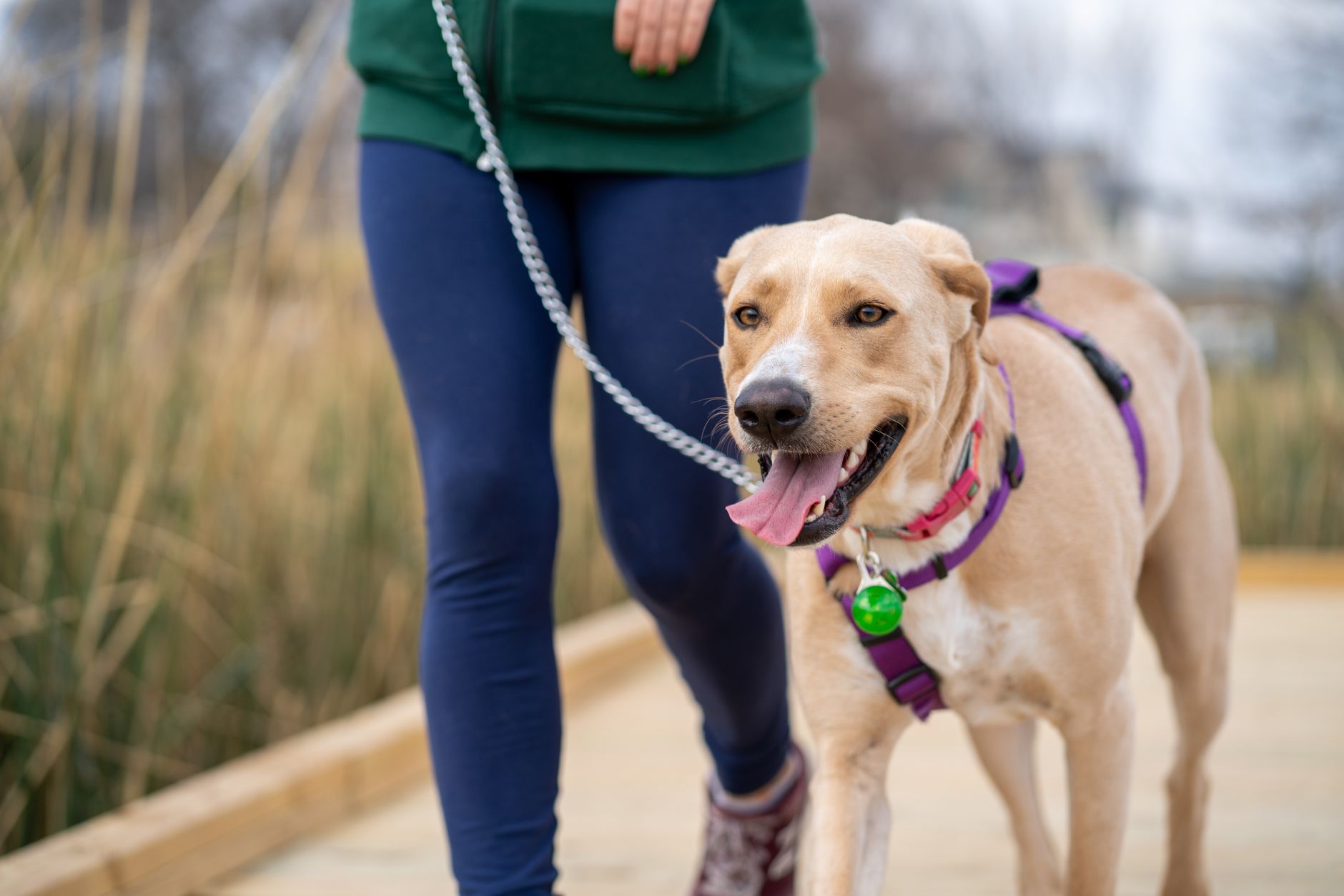
Cavoodles are enthusiastic, curious dogs. That nose is always working, those legs are always moving, and the world is simply too interesting to walk at your pace. Lead pulling is one of the most common complaints from Cavoodle owners — and also one of the most fixable, provided you use the right approach and stay consistent.
This guide walks you through a proven, positive-reinforcement method that works with your dog's instincts rather than against them.
Why Cavoodles Pull on the Lead
Pulling is not stubbornness or dominance. It's self-reinforcing behaviour. When your dog pulls and reaches the interesting smell, the other dog, or the park gate — pulling worked. Every successful pull is a training session in the wrong direction.
Cavoodles are also high-energy for their size, particularly in the first two years, and they have strong social drives inherited from both the Cavalier King Charles Spaniel and the Poodle. Combine that energy with a small body that many owners inadvertently let get away with things a Labrador never would, and you have a lead-pulling habit that can embed quickly.
What You'll Need Before You Start
- High-value treats cut into pea-sized pieces — chicken, cheese, or commercial soft treats. Your dog should be slightly hungry at training time, so work before meals.
- A well-fitted flat collar or harness. A front-clip (no-pull) harness such as the Ruffwear Front Range or PetSafe Easy Walk can reduce pulling immediately while you train. Avoid retractable leads — they teach dogs that pulling extends their range.
- A standard 1.8 m lead. Longer leads make loose-lead training harder to manage in the early stages.
- Short sessions. Five minutes, two to three times per day beats one 30-minute session.
The Step-by-Step Training Plan
Step 1: Teach a "Let's Go" Cue in the Backyard
Start without distractions. Hold treats in your left hand, dog on your left side.
- Say "let's go" in a calm, clear voice and take one step forward.
- The moment your dog moves with you and the lead stays loose, mark it (with a clicker or a verbal "yes") and reward.
- Repeat for two to three minutes, then end the session.
At this stage you're not walking — you're building the association between a loose lead and good things happening.
Step 2: The Stop-and-Wait Method
Once your dog understands the cue at home, take it to the footpath or a quiet street.
- Begin walking normally.
- The instant the lead tightens — not after you've been dragged two metres — stop completely. Say nothing. Don't yank back.
- Wait. Your dog will eventually turn to look at you or step back.
- The moment the lead goes loose, say "yes" and reward. Then resume walking with "let's go."
This feels slow. In early sessions you may travel 20 metres in five minutes. That's fine. You're teaching your dog that a tight lead stops all forward progress, and a loose lead makes good things happen.
Step 3: Add the "Check In" Reward
Voluntary eye contact is gold. Any time your dog looks up at you during a walk without being prompted, mark and reward generously. This builds the habit of your dog checking in with you rather than fixating entirely on the environment.
Practice this deliberately: walk a few steps, wait for eye contact, jackpot reward (three or four treats in a row). Cavoodles are highly people-oriented and will pick this up quickly once they understand it pays well.
Step 4: Proof It Against Distractions
Gradually increase difficulty in this order:
- Quiet street → busier footpath
- No dogs present → dogs visible at a distance
- Dogs visible → dogs passing nearby
- Familiar neighbourhood → new environments
If your dog loses focus and starts pulling again, you've moved up too fast. Step back to the previous level of difficulty and consolidate before progressing.
Realistic Timelines
| Stage | What to Expect |
|---|---|
| Week 1–2 | Loose lead in the backyard and quiet areas |
| Week 3–4 | Reliable loose lead on familiar, low-distraction routes |
| Week 6–8 | Consistent behaviour in moderately distracting environments |
| 3–6 months | Generalised loose-lead walking in most real-world situations |
Adolescent Cavoodles (roughly 6–18 months) often regress. This is normal. Return to basics, increase treat rate temporarily, and be patient.
Common Mistakes That Slow Progress
- Inconsistency between household members. If one person allows pulling, the behaviour stays. Everyone walking the dog needs to use the same approach.
- Using the lead as a correction tool. Jerking or yanking creates anxiety without teaching the dog what to do instead.
- Treat rate too low. In early training, reward every few steps for a loose lead. Owners often drop the reward rate too quickly.
- Training only on formal walks. Practice in the front yard, down the driveway, anywhere you can get short reps.
- Letting the dog "just pull this once" because you're in a hurry. Each exception is a training session that reinforces pulling.
- Skipping management tools while training. A front-clip harness reduces the physical impact of pulling on you and the dog, making sessions less frustrating for both parties.
Equipment Comparison
| Tool | Pros | Cons |
|---|---|---|
| Flat collar | Simple, everyday use | Offers no mechanical advantage against pulling |
| Front-clip harness | Reduces pulling immediately, safe for necks | Dog can still pull, just redirected |
| Head halter (e.g. Gentle Leader) | Strong steering control | Takes getting-used-to, improper use can cause neck strain |
| Slip lead | Useful in some pro training contexts | Easy to misuse; not recommended for DIY |
| Retractable lead | Long-range sniffing | Actively rewards pulling; avoid for training |
When to Get Professional Help
Consider a qualified trainer or behaviourist if:
- Your dog is reactive (lunging, barking at other dogs or people) — pulling and reactivity need to be addressed together.
- You have a physical injury or limitation that makes the stop-and-wait method unsafe.
- After eight weeks of consistent training, you're seeing no improvement.
- Your dog shows any signs of anxiety, fear, or aggression on walks.
Look for a trainer who uses force-free or positive reinforcement methods. In Australia, the Pet Professional Guild Australia and the PPGA directory are reasonable starting points. Expect group classes from around $25–$50 AUD per session, and private sessions from $90–$180 AUD depending on your location.
Loose-lead walking takes longer to train than most owners expect, but Cavoodles are smart, people-pleasing dogs that respond well when the rules are clear and the rewards are good. Build the habit properly now and walks become something both of you actually enjoy.
As an Amazon Associate we earn from qualifying purchases.
Frequently asked questions
How long does it take to stop a Cavoodle pulling on the lead?
Most owners see meaningful improvement within four to six weeks of consistent daily practice. Full reliability across different environments — parks, busy streets, other dogs nearby — typically takes three to six months. Adolescent dogs between six and eighteen months may show temporary regression, which is normal.
Is a harness better than a collar for a Cavoodle that pulls?
A front-clip harness is generally the better choice for a pulling Cavoodle. It redirects the dog to the side when they pull forward and reduces pressure on the neck and trachea. It won't replace training, but it makes walks safer and less frustrating while you work on the behaviour.
Why does my Cavoodle only pull on the lead sometimes?
Pulling is usually triggered by specific distractions — other dogs, interesting smells, or familiar destinations like the park. The behaviour is intermittently reinforced, meaning your dog has learned that pulling sometimes works, which actually makes it more persistent. Consistent training across different environments is the solution.
Can I use a choke chain or prong collar to stop lead pulling?
These tools are not recommended for Cavoodles. Aversive collar corrections can cause physical injury to a small dog's throat and trachea, and research consistently links punishment-based methods to increased anxiety and fear without reliably teaching the desired behaviour. Positive reinforcement methods are both more effective long-term and safer.
My Cavoodle pulls toward other dogs specifically — is that a lead-pulling problem or something else?
If your dog lunges, barks, or becomes highly aroused when seeing other dogs, that's reactivity, which is a separate issue that needs its own training protocol. Working on loose-lead walking alone won't resolve reactivity. A force-free trainer or veterinary behaviourist can assess whether you're dealing with frustration, fear, or over-excitement and tailor a plan accordingly.
Should I tire my Cavoodle out before training to stop the pulling?
A short play session beforehand can take the edge off, but don't exhaust your dog — you need them engaged and food-motivated during training. The real goal is teaching a loose-lead skill, not managing energy through exercise alone. A well-exercised dog that hasn't been taught to walk nicely will still pull.
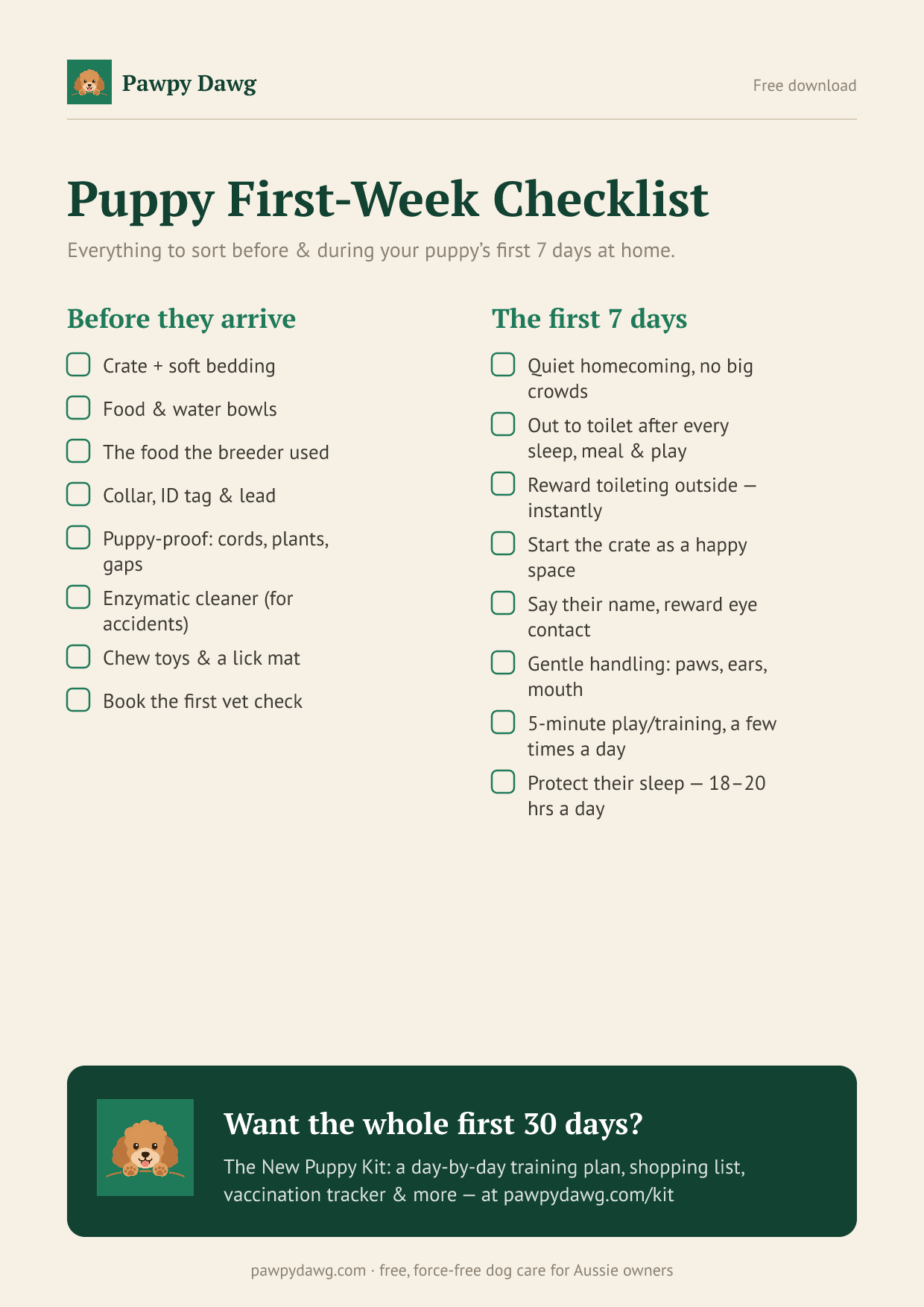
Free printable
Free: the Puppy First-Week Checklist
Everything to sort before and during your puppy's first 7 days home — a printable one-pager. Plus the occasional genuinely useful dog tip. No spam, unsubscribe anytime.
Related guides
How to Stop a Cavoodle Barking at Strangers (Step-by-Step)
Cavoodle barking at strangers? This step-by-step positive-reinforcement plan covers desensitisation, threshold training, common mistakes, and realistic timelines.
Read the guide →
Cavoodle Separation Anxiety: A Step-by-Step Fix
Cavoodle separation anxiety is common but fixable. Follow this step-by-step positive reinforcement plan with realistic timelines and expert advice.
Read the guide →
How to Stop a Cavoodle Jumping Up on People (Step-by-Step)
Stop your Cavoodle jumping up on people with this step-by-step positive-reinforcement plan. Realistic timelines, common mistakes, and when to call a pro.
Read the guide →