
Cavoodle Not Coming When Called? A Step-by-Step Recall Fix
Cavoodle not coming when called? This step-by-step positive reinforcement plan fixes recall fast — with realistic timelines, common mistakes, and pro tips.

Written by Bradley Brown
Founder & editor · Reviewed 2026-06-30
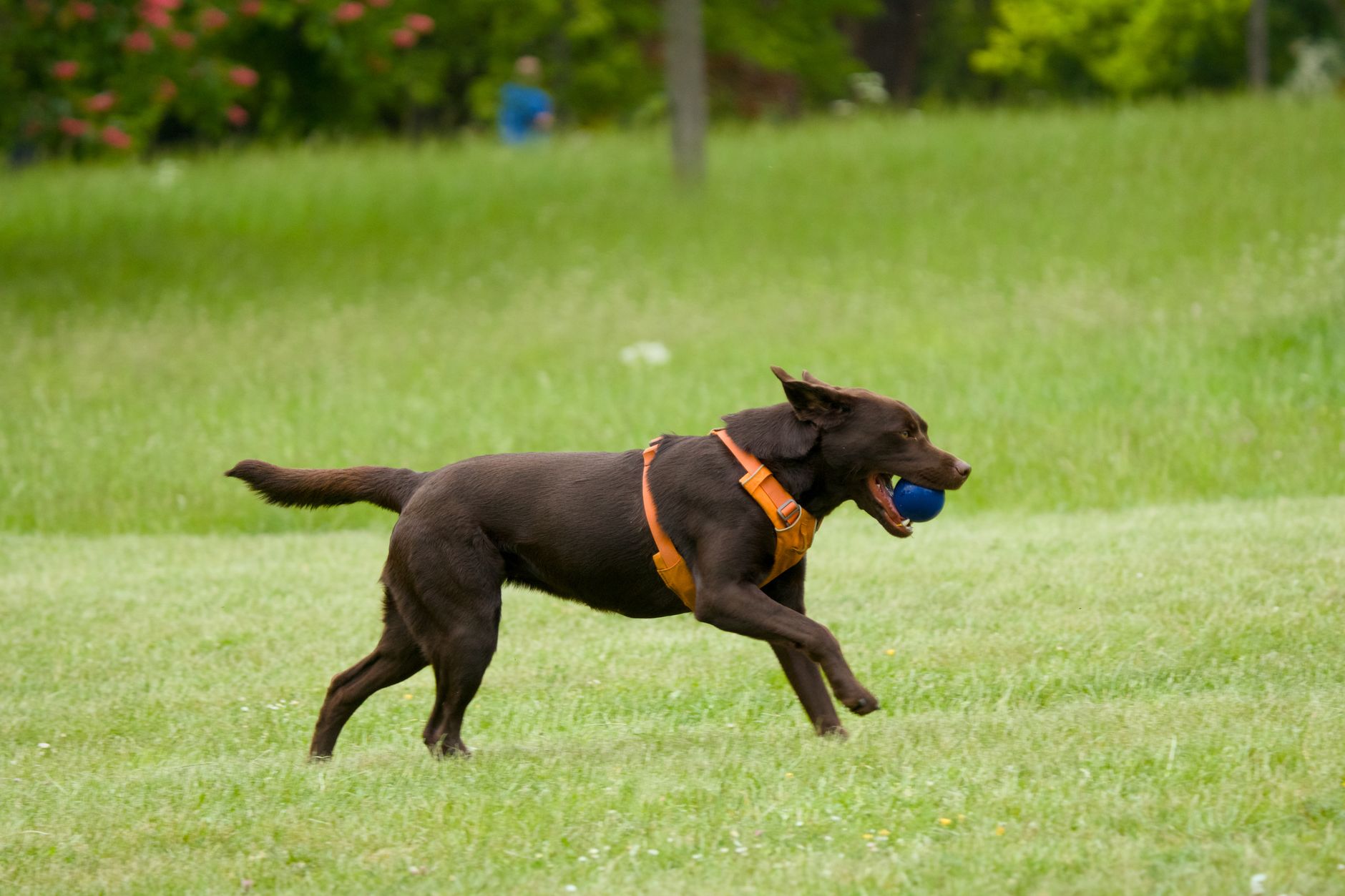
A Cavoodle ignoring your recall is one of the most frustrating — and genuinely dangerous — problems a dog owner faces. These dogs are smart, social, and easily distracted, which means a shaky recall isn't stubbornness; it's usually a training gap or a history of the cue being poisoned by negative associations. The good news is that recall is one of the most trainable skills in any dog's repertoire, and Cavoodles respond exceptionally well to positive reinforcement when the plan is consistent.
Why Cavoodles Struggle With Recall
Before jumping into fixes, it helps to understand what's actually going wrong.
- The cue has been repeated without reward. Calling "come" ten times in a row, with no consequence, teaches your dog that the word is meaningless.
- Coming meant something bad. If "come" has ever been followed by a bath, nail clip, or the end of park time, your dog has learned to avoid it.
- The environment wins. Cavoodles carry Poodle working-dog focus and Cavalier sociability. A squirrel, another dog, or an interesting smell is genuinely more reinforcing than your voice — unless you've trained otherwise.
- Inconsistent rules. If some family members let the dog ignore the cue, the dog learns it's optional.
Step-by-Step Recall Training Plan
Step 1: Start a New Cue (If You've Already Poisoned "Come")
If you've been repeating "come" without success for weeks, that word is likely poisoned. Pick a fresh recall word — "here", "close", or even a whistle — and start fresh. Never use it unless you're certain you can follow through with a reward.
Step 2: Load the Cue Indoors First
For the first week, practise exclusively indoors with zero distractions.
- Wait until your Cavoodle is a few metres away and not focused on you.
- Say your recall cue once — just once — in a happy, upbeat tone.
- The moment they move toward you, mark it with "yes!" or a clicker.
- When they reach you, deliver a high-value reward: small pieces of cooked chicken, cheese, or a brand-name treat like Zuke's Mini Naturals work well.
- Release them with "OK" or "free" so coming to you doesn't always mean the fun stops.
Aim for 10–15 short repetitions per session, two to three sessions daily. At this stage you want a near-perfect success rate — if your dog isn't responding, you're moving too fast or the treat value isn't high enough.
Step 3: Add Distance Gradually
Once your Cavoodle is flying to you indoors, increase distance in the same low-distraction space. Use a long line (a 5–10 metre training lead, available from most Australian pet stores for around $20–$35 AUD) to give them freedom without giving them the option to fail.
- Call once, then use the long line to gently guide them toward you if they don't respond within three seconds. Do not repeat the cue — one call, one response.
- Always reward generously when they arrive, even if you had to assist with the lead.
Step 4: Proof Against Distractions
This is where most owners skip ahead and undo their progress. Proofing means systematically practising recall in increasingly distracting environments.
Work through this rough progression:
| Environment | Distraction Level | When to Move On |
|---|---|---|
| Living room, dog alone | Minimal | 9/10 successful recalls |
| Backyard, dog alone | Low | 9/10 successful recalls |
| Quiet park, long line | Moderate | 8/10 successful recalls |
| Busier park, long line | High | 8/10 successful recalls |
| Off-lead area | Very high | Only after consistent long-line success |
Never skip rows. Cavoodles that fail at off-lead recall are almost always dogs whose owners moved to an off-lead park before completing the middle steps.
Step 5: Make the Reward Unpredictable (The Jackpot Effect)
Once recall is solid, switch to a variable reward schedule. Sometimes give a treat, sometimes give big praise and a game of tug, sometimes give both. Unpredictable rewards are more motivating than consistent ones — this is well-established in behavioural science and it works exactly the same for dogs as it does for humans at a poker machine.
Do keep treats on you for at least the first three months of reliable recall in new environments.
Step 6: Never Punish a Dog That Comes to You
This bears repeating because it's the single most common mistake. If your Cavoodle finally comes after five minutes of chasing them around the park, do not scold them. Do not grab their collar roughly. From the dog's perspective, they came to you and got punished — they will be slower next time. Always reward the arrival, no matter how long it took.
Common Mistakes That Stall Progress
- Calling recall to end play sessions repeatedly. Practise calling your dog, rewarding, then releasing them to play again. This teaches that coming doesn't mean the fun ends.
- Using food that isn't high-value enough in high-distraction areas. Dry kibble rarely beats a squirrel. Use real food — chicken, liver, ham — when competing with a stimulating environment.
- Practising only at the dog park. Recall needs to be practised everywhere: on walks, in the backyard, inside the house.
- Expecting too much too soon. A solid off-lead recall in a busy environment typically takes 8–16 weeks of consistent work for most dogs. Some take longer.
Realistic Timelines
- Weeks 1–2: Reliable recall indoors and in the backyard
- Weeks 3–5: Reliable recall on long line in quiet outdoor areas
- Weeks 6–10: Recall holding up in moderately distracting environments
- Weeks 10–16+: Trustworthy off-lead recall in varied locations
These timelines assume daily, consistent practice. Skip days regularly and progress stalls.
When to Get Professional Help
Consider working with a qualified positive-reinforcement trainer — look for members of the Pet Professional Guild Australia or the Delta Society — if:
- Your dog has a history of bolting or has been involved in a near-miss on a road
- You've been training consistently for 8+ weeks with no measurable improvement
- Fear or anxiety appears to be driving the avoidance (the dog cowers or shows stress signals when called)
- You're not confident using a long line safely
A single session with a good trainer (typically $80–$150 AUD in most Australian cities) can identify exactly where the training is breaking down and save you months of frustration.
As an Amazon Associate we earn from qualifying purchases.
Frequently asked questions
How long does it take to fix a Cavoodle's recall?
Most Cavoodles develop reliable backyard recall within two to three weeks of consistent daily training. A trustworthy off-lead recall in distracting environments like dog parks typically takes 10–16 weeks. Skipping the proofing steps or practising inconsistently will push that timeline out significantly.
Should I use a long line for recall training?
Yes, a long line (5–10 metres) is one of the most useful tools for recall training. It gives your dog enough freedom to simulate off-lead conditions while preventing them from practising the behaviour of ignoring you. Use it in all outdoor training until recall is near-perfect in that environment.
My Cavoodle comes sometimes but not others — what does that mean?
Intermittent recall usually means the behaviour hasn't been proofed against the specific distractions in that environment, or that coming to you isn't consistently rewarding enough to compete with whatever else is happening. Go back a step in your training plan, increase treat value, and practise in that environment more systematically.
Can I use a recall whistle instead of a verbal cue?
Absolutely, and many trainers prefer whistles because the sound is consistent regardless of your emotional state — your voice changes when you're frustrated or anxious, and dogs pick that up. A standard dog training whistle costs around $10–$20 AUD and is conditioned the same way as a verbal cue: blow, dog comes, big reward.
Is it too late to teach recall to an older Cavoodle?
No. Older dogs can absolutely learn reliable recall — the process just requires the same patience and consistency as with a puppy. If the word "come" has a long history of being ignored, start with a brand-new recall cue and build the behaviour from scratch.
Should I punish my Cavoodle for not coming when called?
No — punishment is counterproductive for recall training. If you scold a dog when they eventually return to you, you're punishing the act of coming, not the act of ignoring you. The dog learns that coming to you has negative consequences, which makes future recall worse. Always reward your dog for arriving, regardless of how long it took.
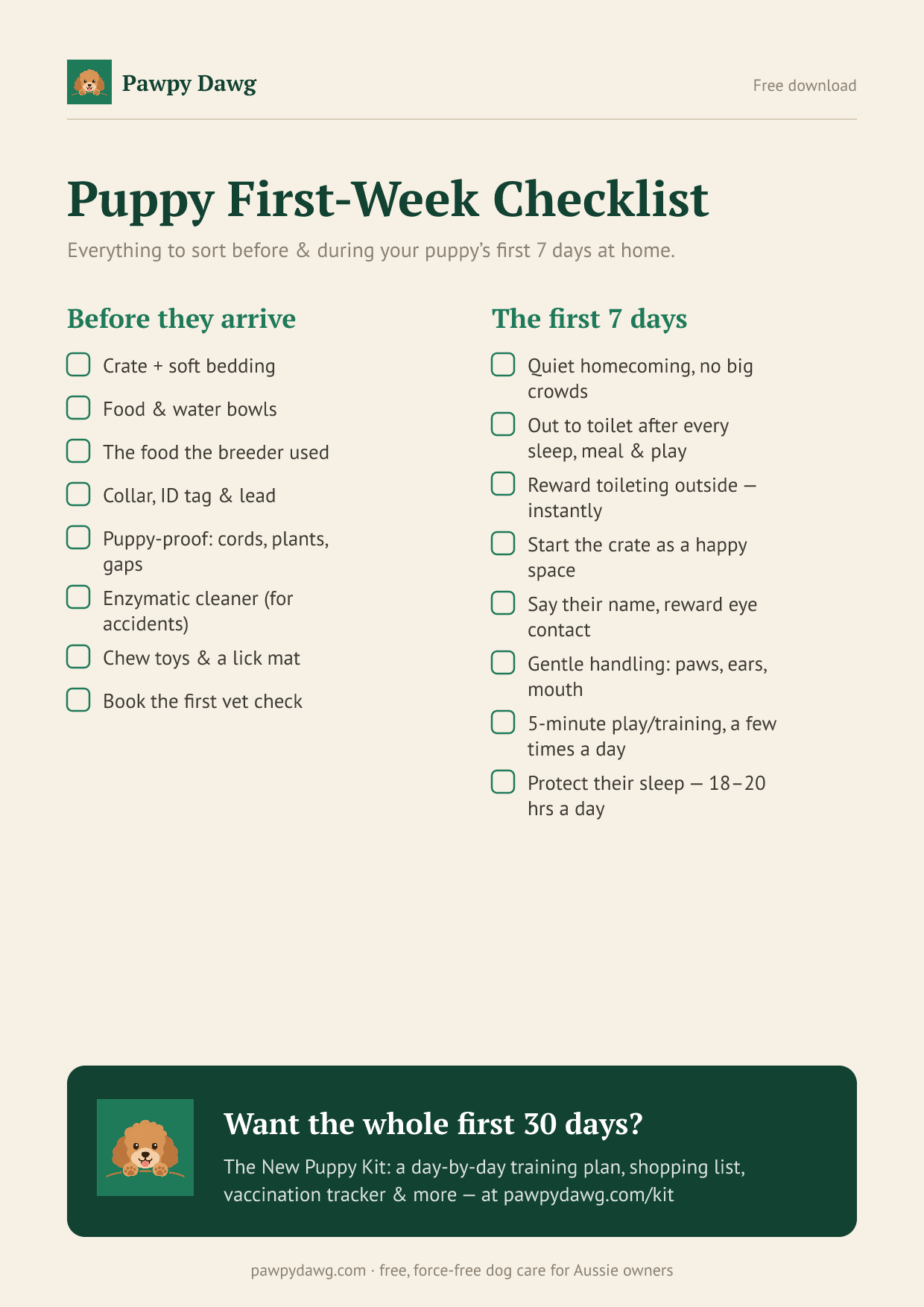
Free printable
Free: the Puppy First-Week Checklist
Everything to sort before and during your puppy's first 7 days home — a printable one-pager. Plus the occasional genuinely useful dog tip. No spam, unsubscribe anytime.
Related guides
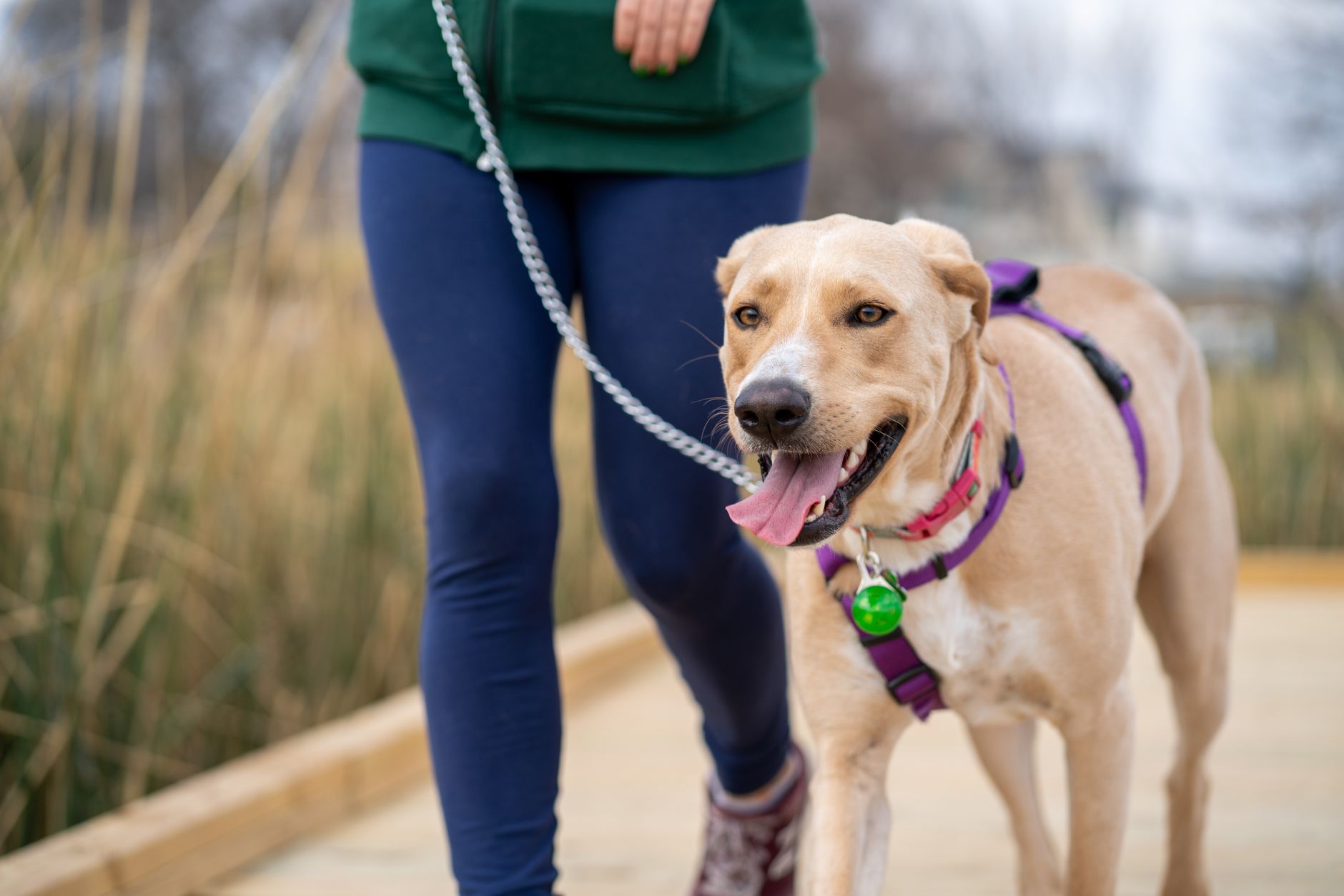
How to Stop a Cavoodle Pulling on the Lead (Step-by-Step)
Is your Cavoodle pulling on the lead? Follow this step-by-step positive reinforcement plan with realistic timelines, common mistakes, and pro tips.
Read the guide →
How to Stop a Cavoodle Barking at Strangers (Step-by-Step)
Cavoodle barking at strangers? This step-by-step positive-reinforcement plan covers desensitisation, threshold training, common mistakes, and realistic timelines.
Read the guide →
Cavoodle Separation Anxiety: A Step-by-Step Fix
Cavoodle separation anxiety is common but fixable. Follow this step-by-step positive reinforcement plan with realistic timelines and expert advice.
Read the guide →