
How to Stop a Cavoodle Digging Up the Yard (Step-by-Step)
Cavoodle digging in the yard? Follow this step-by-step positive-reinforcement plan to stop the behaviour fast—with realistic timelines and pro tips.

Written by Bradley Brown
Founder & editor · Reviewed 2026-06-30
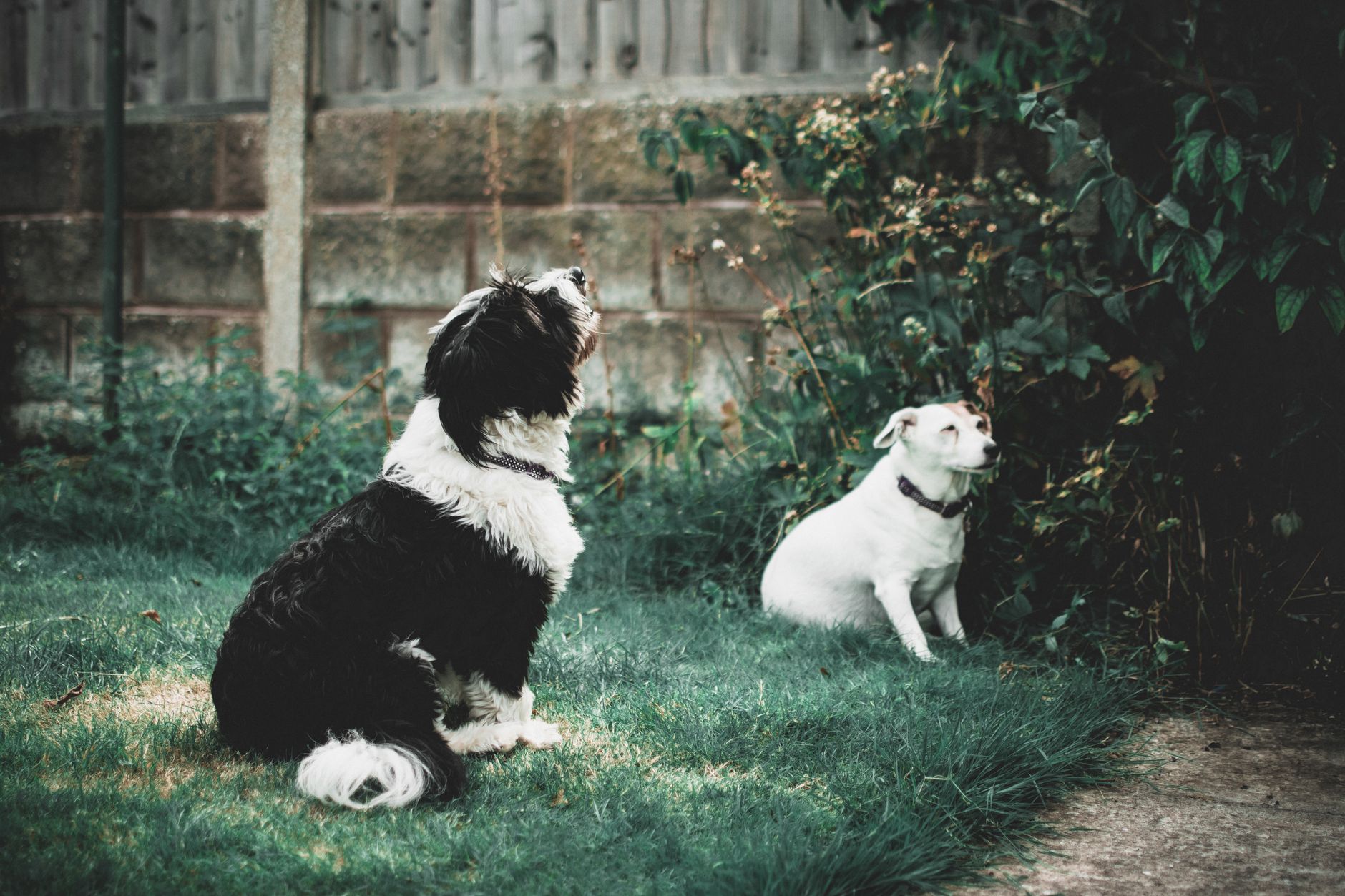
Cavoodles are clever, social, and full of energy—which is exactly why a bored or under-stimulated one will redecorate your backyard. Digging is normal dog behaviour, but that doesn't mean you have to live with craters on the lawn. This guide walks you through the real reasons Cavoodles dig and a practical, positive-reinforcement plan to stop it.
Why Cavoodles Dig in the First Place
Before you can fix the problem, you need to know what's driving it. Treating the wrong cause wastes weeks of effort.
| Cause | Tell-tale signs |
|---|---|
| Boredom / under-stimulation | Digs when left alone; also chews or barks excessively |
| Excess energy | Digs after short or skipped walks; zooms around the yard |
| Heat seeking / cooling | Digs near shade, under decking, or against the house wall |
| Prey drive | Digs at specific spots—roots, garden beds, fence line where animals pass |
| Separation anxiety | Digs at gates or fences, often combined with destructive behaviour indoors |
| Attention seeking | Digs more when you're watching; stops when ignored then starts again |
Cavoodles inherit a moderate-to-high intelligence and social need from both the Cavalier King Charles Spaniel and Poodle sides. Boredom and anxiety are far and away the most common culprits.
Step-by-Step Plan to Stop the Digging
Step 1: Audit Your Dog's Daily Routine (Day 1–3)
Keep a simple log for three days:
- What time did the digging happen?
- How long had your dog been alone?
- How much exercise did they get that day?
- Where exactly did they dig?
This takes five minutes and immediately reveals patterns. Most owners discover their Cavoodle digs in the first 20–30 minutes after being left alone—a classic boredom and mild anxiety signal.
Step 2: Meet the Exercise and Mental Stimulation Threshold (Week 1 onward)
A Cavoodle needs at least 30–45 minutes of aerobic exercise daily, plus mental work. Physical exercise alone rarely solves digging—brain stimulation is equally important.
Exercise options:
- Brisk on-lead walks or off-lead runs in a fenced area
- Fetch, tug, or flirt-pole sessions (10–15 minutes burns serious energy)
Mental stimulation options:
- Puzzle feeders or snuffle mats (feed one meal a day this way)
- "Find it" nose work games in the yard
- Short, positive training sessions (5–10 minutes, twice daily)—teaching new tricks counts
If your Cavoodle digs primarily when bored, consistent daily enrichment often reduces digging by 60–80% within two weeks.
Step 3: Manage the Environment While You Train (Week 1–2)
You cannot train a dog who is practising the unwanted behaviour unsupervised. Every dig rehearses the habit.
- Supervise backyard time until the behaviour is under control. Use a long line if needed.
- Block known dig sites temporarily with garden edging, flat rocks, or wire mesh pegged just below the surface—dogs dislike the feel underfoot.
- Remove the reward: if prey is the trigger (mice, lizards, insects), treat the garden for pests rather than fighting the dog's instincts directly.
Step 4: Catch and Redirect in Real Time (Week 1–4)
This is the core training step. You need to be present to make it work.
- Watch for the pre-dig—sniffing a spot intently, pawing lightly. This is your cue.
- Calmly interrupt with a neutral "ah-ah" or your recall cue. Do not shout; excitement escalates the behaviour.
- Call your dog to you, ask for a sit or drop, and reward generously—use high-value treats (small pieces of chicken, cheese, or a commercial treat worth around $0.10–$0.20 each).
- Redirect to an approved activity: toss a ball, start a short training game, or offer a frozen Kong.
What not to do:
- Don't punish after the fact. If you find a hole five minutes later, saying nothing is the right move—your dog cannot connect past digging to a present correction.
- Don't spray water or use citrus/pepper deterrents as a primary fix. They mask the problem without addressing the cause and can damage trust.
Step 5: Create a Designated Digging Zone (Week 2 onward)
Some Cavoodles—particularly those with a strong Poodle-side prey drive—need an outlet, not just a correction. A sandpit or dedicated dig zone gives them a legal option.
How to set it up:
- Use a child's clam-shell sandpit or a 1m × 1m area filled with soft soil or play sand (approximately $30–$60 from Bunnings or similar).
- Bury toys and treats just below the surface initially so the spot is rewarding.
- Lead your dog to it and enthusiastically encourage digging there with a cue word like "dig!"
- When they dig in the wrong place, redirect to the sandpit and reward digging there.
Most dogs generalise this within two to three weeks of consistent practice.
Step 6: Build a Reinforcement History at the Dig-Free Spots (Week 3–6)
Once digging frequency drops, start rewarding your dog simply for being in the yard without digging—periodically walk out, say their name, and toss a treat when they're doing anything other than digging. You're teaching that the yard itself is a rewarding place to exist calmly.
Realistic Timeline
| Week | What to expect |
|---|---|
| 1–2 | Reduced opportunity to dig due to supervision and management; no real behaviour change yet |
| 2–4 | Digging frequency drops if exercise/enrichment needs are met and redirection is consistent |
| 4–6 | Most Cavoodles are reliably redirecting to the dig zone or stopping attempts early |
| 6–12 | Behaviour largely extinguished in dogs without underlying anxiety |
If digging hasn't reduced significantly by week four despite consistent effort, revisit the cause—separation anxiety in particular requires a different approach.
Common Mistakes to Avoid
- Inconsistency between family members. If one person redirects and another ignores or laughs it off, training stalls.
- Punishing the dog hours later. Ineffective, erodes trust, and can increase anxiety-related digging.
- Relying on repellents alone. Cayenne pepper, citrus peels, and commercial sprays rarely stop a motivated digger for more than a few days.
- Exercising the body but not the brain. A tired Cavoodle who is bored will still dig.
When to Get Professional Help
Reach out to a certified dog trainer or veterinary behaviourist if:
- Digging is accompanied by sustained distress when alone (howling, house destruction, inability to settle)—this points to separation anxiety, which needs a structured desensitisation programme.
- The behaviour is escalating despite four-plus weeks of consistent positive training.
- Your dog is also displaying compulsive behaviours (repetitive circling, tail chasing, excessive licking).
A good starting point is a trainer accredited through the Pet Professional Guild Australia or Delta Society Australia, who use force-free methods. A behaviour consultation typically costs $150–$350 AUD for an initial session, and most offer follow-up support.
Digging is almost always solvable—it just requires identifying the right cause and working on it consistently. Stick with the plan, stay patient with the timeline, and most Cavoodles settle into a much calmer backyard routine within six weeks.
As an Amazon Associate we earn from qualifying purchases.
Frequently asked questions
Why is my Cavoodle suddenly digging when it never did before?
A sudden onset of digging usually signals a change in routine, environment, or the dog's internal state. Common triggers include a new work schedule leaving the dog alone longer, a reduction in exercise, the arrival of wildlife in the yard, or the early stages of separation anxiety. Rule out environmental changes first, then consult a vet if the behaviour came on very abruptly—occasionally medical issues such as hormonal changes can prompt restless, repetitive behaviours.
Will desexing my Cavoodle stop the digging?
Desexing can reduce roaming and some hormonally driven behaviours, but it is unlikely to stop digging on its own. Digging in Cavoodles is more often linked to boredom, anxiety, or prey drive than to reproductive hormones. Address the underlying cause with training and enrichment regardless of your dog's desexing status.
How long does it take to stop a Cavoodle from digging?
Most owners see a meaningful reduction in digging within two to four weeks of consistent training, provided the dog's exercise and mental stimulation needs are also being met. Full resolution—where the dog reliably leaves the yard alone—typically takes six to twelve weeks. Dogs with separation anxiety may take longer and benefit from professional guidance.
Are there any safe deterrents I can use to stop my dog digging in a specific garden bed?
Physical barriers are more reliable than scent-based deterrents. Flat rocks, terracotta pot shards, or wire mesh pegged just under the soil surface are uncomfortable underfoot and discourage digging without harming your dog. Scent deterrents like citrus peel or diluted white vinegar may work temporarily but usually need constant reapplication and don't address the root cause.
My Cavoodle only digs when I'm at work. How do I train a behaviour I can't directly supervise?
Management is your main tool here—restrict access to the yard while you're away using a secure indoor space or a dog-proofed section of the yard. A camera (many are available for under $100 AUD) lets you review when and where digging occurs, which helps identify the trigger. Focus your training on enrichment before you leave: a frozen Kong, snuffle mat, or puzzle feeder gives your dog a constructive outlet for that first restless period. If your dog shows other signs of distress when alone, explore a separation anxiety programme with a qualified behaviourist.
Is digging ever just a normal Cavoodle behaviour I should accept?
Digging is a normal, species-typical behaviour—dogs dig to cool down, investigate scents, and cache resources. Rather than trying to eliminate every digging impulse, many trainers recommend accepting it in a controlled way by providing a designated dig zone. If your dog digs happily in their sandpit and leaves the rest of the garden alone, that's a practical and humane outcome.
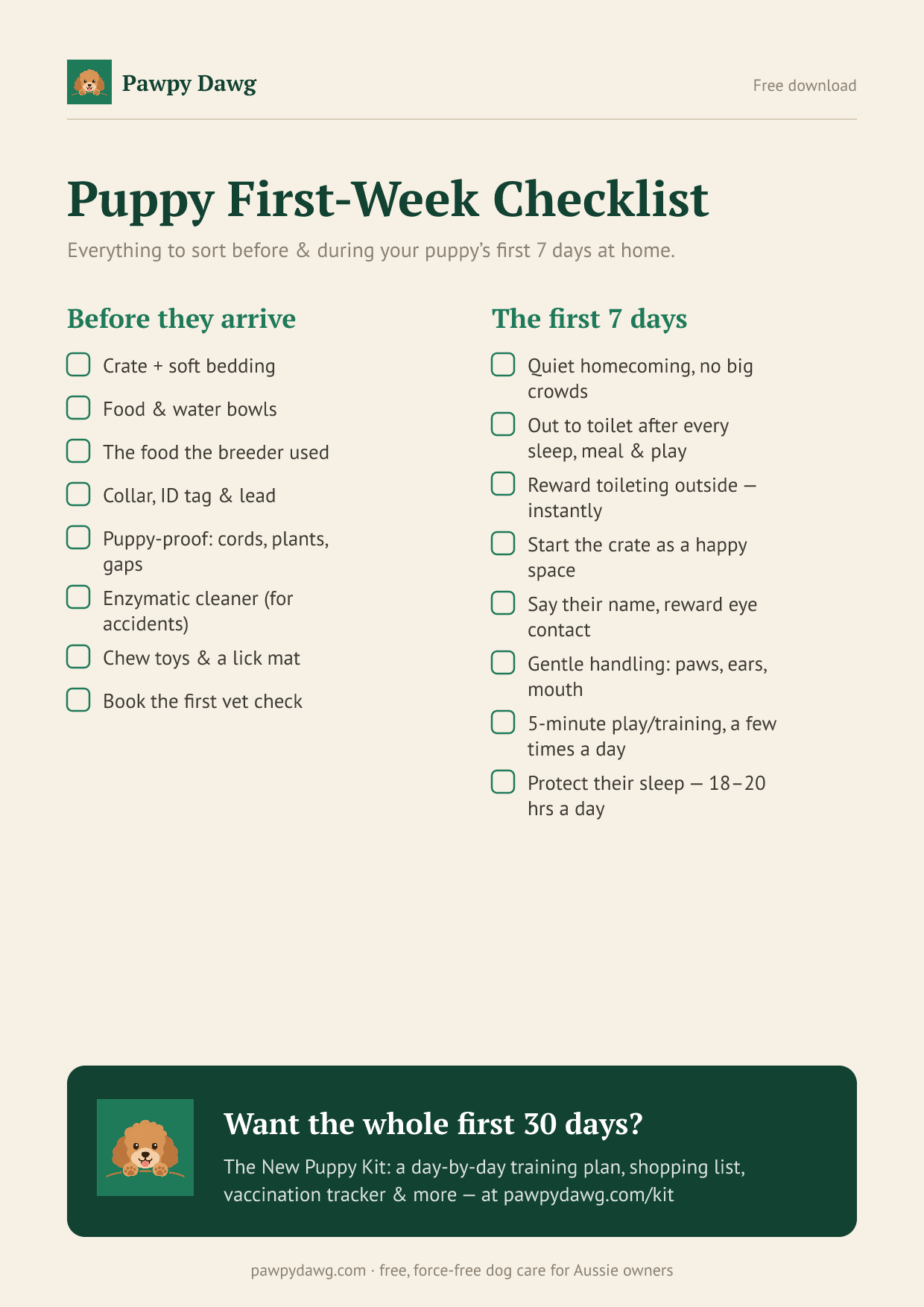
Free printable
Free: the Puppy First-Week Checklist
Everything to sort before and during your puppy's first 7 days home — a printable one-pager. Plus the occasional genuinely useful dog tip. No spam, unsubscribe anytime.
Related guides
How to Stop a Cavoodle Pulling on the Lead (Step-by-Step)
Is your Cavoodle pulling on the lead? Follow this step-by-step positive reinforcement plan with realistic timelines, common mistakes, and pro tips.
Read the guide →
How to Stop a Cavoodle Barking at Strangers (Step-by-Step)
Cavoodle barking at strangers? This step-by-step positive-reinforcement plan covers desensitisation, threshold training, common mistakes, and realistic timelines.
Read the guide →
Cavoodle Separation Anxiety: A Step-by-Step Fix
Cavoodle separation anxiety is common but fixable. Follow this step-by-step positive reinforcement plan with realistic timelines and expert advice.
Read the guide →