
How to Stop a Cavoodle Chewing Everything (Step-by-Step)
Stop cavoodle destructive chewing with this step-by-step positive-reinforcement plan — realistic timelines, common mistakes, and when to call a pro.

Written by Bradley Brown
Founder & editor · Reviewed 2026-06-30
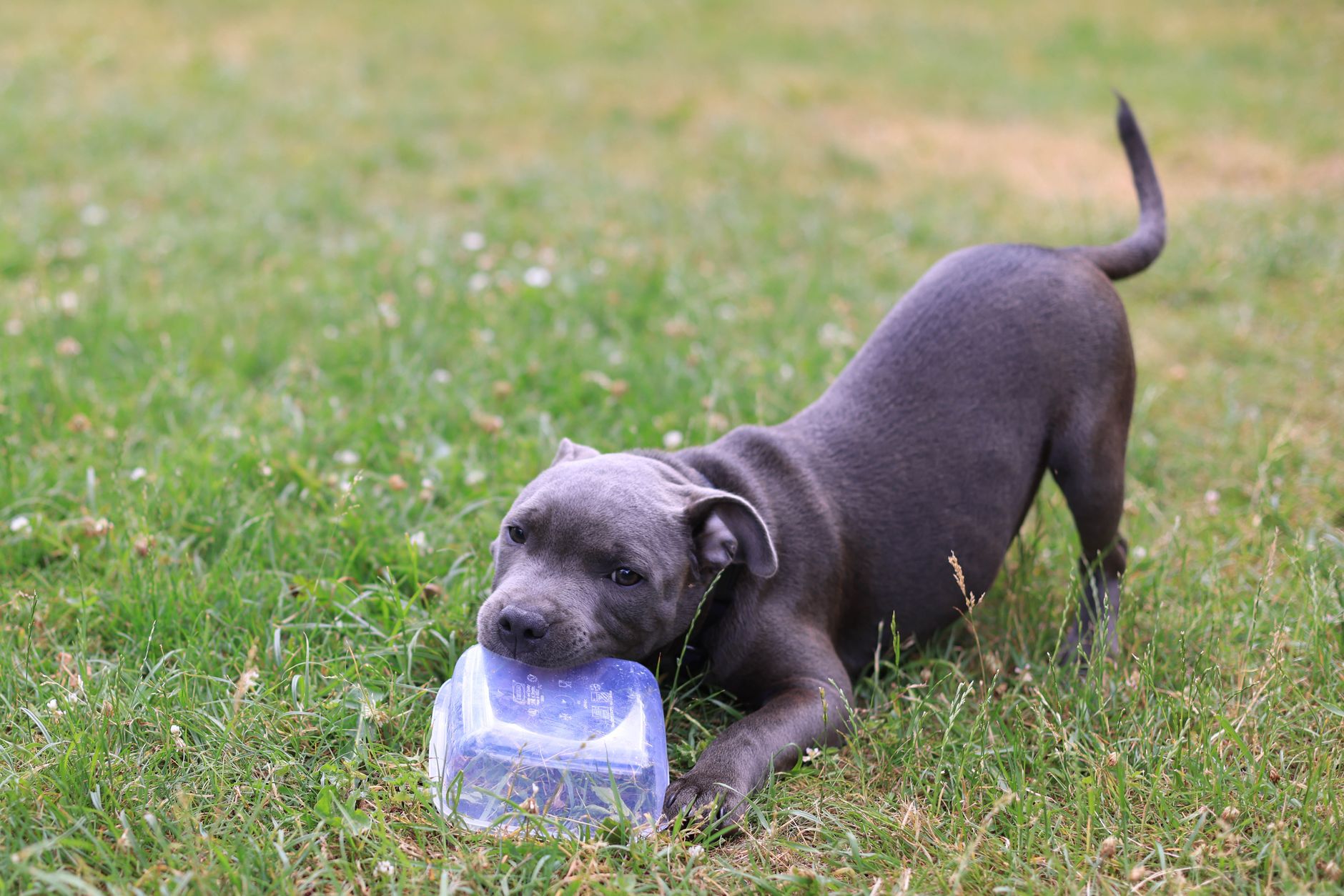
Cavoodles are smart, social, and — when bored, anxious, or under-exercised — spectacularly destructive. A chewed skirting board or gutted couch cushion isn't your dog being spiteful; it's communication. The good news is that destructive chewing is one of the more fixable behaviour problems, provided you address the cause, not just the symptom.
This guide walks you through a practical, positive-reinforcement plan you can start today.
Step 1 — Work Out Why Your Cavoodle Is Chewing
Chewing is normal dog behaviour. Destructive chewing is a sign something is off. Before you can fix it, you need to know which category you're dealing with.
| Cause | Common signs | Typical age |
|---|---|---|
| Teething | Gum-rubbing, bloody toys, preference for hard objects | 3–7 months |
| Boredom / under-stimulation | Chewing only when alone or after quiet periods | Any |
| Separation anxiety | Chewing near exits, also pacing, vocalising, eliminating inside | Any |
| Excess energy | Chewing as part of general "zoomie" chaos | Under 2 years |
| Attention-seeking | Chewing in front of you, stops when you react | Any |
Cavoodles are a Cavalier King Charles Spaniel × Poodle cross. Both parent breeds are people-oriented and cognitively demanding. A Cavoodle left alone for long stretches without adequate mental and physical stimulation will almost always find its own entertainment — usually at the expense of your furniture.
Step 2 — Meet Their Physical and Mental Needs First
No training programme will stick if the underlying need isn't met. This isn't optional groundwork; it's the foundation.
Daily minimums for most Cavoodles:
- Exercise: 30–45 minutes of actual movement (not just a backyard wander) split into two sessions
- Mental enrichment: 10–15 minutes of nose work, training, or puzzle feeders
- Social contact: Cavoodles are companion dogs — prolonged isolation is genuinely stressful for them
Quick enrichment ideas that cost little:
- Stuff a KONG with their regular kibble mixed with a little peanut butter (xylitol-free) and freeze it overnight
- Scatter-feed their breakfast across the lawn
- Five minutes of basic obedience training before you leave — it tires a dog's brain more than a 20-minute walk
Step 3 — Manage the Environment (Before You've "Fixed" Anything)
Management isn't failure — it's responsible dog ownership. Until new habits are established, you need to make destructive chewing physically impossible.
Puppy-proof strategically
- Use a playpen or crate to limit unsupervised access to rooms
- Tuck cables behind furniture or use cable conduit (around $10–$20 at most hardware stores)
- Keep shoes, kids' toys, and remotes off the floor consistently
Provide appropriate alternatives
Redirect chewing energy, don't suppress it. Offer a rotation of at least three different chew types so novelty stays high:
- Rubber chews (KONG, West Paw)
- Natural chews (bully sticks, dried tendons — avoid cooked bones, which can splinter)
- Rope or braided toys for lighter chewers
Rotate toys every few days. A toy left out permanently loses its appeal within 48 hours for most dogs.
Step 4 — Train the Behaviour Out (Positive Reinforcement, Step by Step)
4a — Catch and redirect in real time
When you see your Cavoodle going for something off-limits:
- Don't shout or lunge — this either frightens them or turns it into a game of chase
- Say a calm, neutral interrupter ("hey" or a clap)
- Immediately offer an appropriate chew and praise warmly the moment they take it
- Reward with a small treat after 10–15 seconds of chewing the right item
Repeat this consistently. Dogs learn by association and repetition, not single corrections.
4b — Teach "leave it"
"Leave it" is one of the highest-value cues you can train a Cavoodle. It transfers to chewing, scavenging, and dozens of other situations.
- Hold a treat in your closed fist
- Let your dog sniff and paw — say nothing, wait
- The moment they back off even slightly, mark with "yes!" and reward from your other hand
- Gradually introduce the verbal cue "leave it" as they start to understand
- Practice daily in 3–5 minute sessions
4c — Never punish after the fact
If you find a chewed item and your dog isn't in the act, punishment is useless. Dogs cannot connect a correction to something they did minutes ago. You'll create anxiety — which often increases chewing — without teaching anything useful.
Step 5 — Avoid These Common Mistakes
- Giving old shoes or socks as toys. Your dog cannot distinguish between "old shoe I'm allowed" and "new shoe I'm not." This teaches them shoes are fair game.
- Inconsistent rules. If chewing the couch is sometimes ignored and sometimes corrected, the behaviour won't extinguish — it'll become unpredictable.
- Crating as punishment. A crate should be a calm, safe space. If it's associated with punishment, your dog will resist it and may develop crate anxiety.
- Assuming they'll "grow out of it." Some do; many don't. Adolescent Cavoodles (6–18 months) often intensify destructive behaviour without intervention.
Realistic Timelines
Consistency matters more than intensity. Here's what to expect:
- Week 1–2: Chewing incidents decrease if management is solid and enrichment increases
- Week 3–4: Redirect-and-reward is working reliably in supervised situations
- Month 2–3: "Leave it" is solid; the dog is reliably choosing appropriate chews when given options
- Month 3+: Unsupervised access can be gradually expanded room by room
Progress is rarely linear. Expect setbacks, especially during teething peaks, heat cycles, or changes in routine.
When to Get Professional Help
Most destructive chewing resolves with the steps above. Seek help from a qualified, force-free trainer or a veterinary behaviourist if:
- Chewing is paired with other anxiety signs (panting, pacing, inability to settle, vocalising when alone)
- Your dog is destructive despite adequate exercise, enrichment, and training
- The behaviour is escalating rather than plateauing
- You suspect separation anxiety specifically — this condition often requires a structured desensitisation programme and sometimes medication support from your vet
In Australia, look for trainers accredited through the Pet Professional Guild Australia or Delta Society Australia. A single consultation typically runs $120–$200 AUD and is worth every dollar compared to ongoing furniture replacement.
Quick-Reference Checklist
Use this daily until habits are established:
- Two exercise sessions completed
- At least one enrichment activity provided (frozen KONG, scatter feed, training session)
- Appropriate chews available and rotated
- Unsupervised access limited to dog-proofed areas
- Any chewing incidents redirected calmly, not punished
- "Leave it" practice done (3–5 minutes)
Destructive chewing is a solvable problem. It takes consistency, patience, and a genuine look at what your Cavoodle's day looks like from their perspective — but dogs that chew destructively aren't "bad dogs." They're dogs with unmet needs and a very efficient way of telling you about it.
As an Amazon Associate we earn from qualifying purchases.
Frequently asked questions
At what age do Cavoodles stop destructive chewing?
Most Cavoodles chew most heavily between 3 and 18 months — first during teething (3–7 months), then again during adolescence (6–18 months). With consistent training and enrichment, the majority settle significantly by 2 years of age. Dogs that chew destructively as adults are usually signalling boredom or anxiety rather than a developmental phase.
Why does my Cavoodle only chew things when I'm not home?
Chewing that happens exclusively when you're away is a classic sign of separation-related distress or boredom. Cavoodles are companion-bred dogs and can find isolation genuinely stressful. Start by increasing pre-departure exercise and leaving enrichment items like a frozen KONG. If the behaviour persists or comes with other signs like vocalising or house-soiling, speak to your vet or a qualified behaviourist, as separation anxiety often needs a structured treatment plan.
Is it okay to use bitter apple spray to stop chewing?
Bitter sprays like bitter apple can be a useful short-term deterrent on specific objects, but they don't address the underlying cause of chewing and are not a standalone solution. Some dogs are unbothered by the taste and will chew through it anyway. Use deterrent sprays as part of a broader management plan, not as a replacement for enrichment and training.
What chew toys are best for Cavoodles?
Cavoodles vary in chew intensity, but most do well with rubber toys (such as KONG Classic), natural chews like bully sticks or dried tendons, and rope toys. Avoid cooked bones, which can splinter and cause serious internal injuries. Rotate three or more different types to keep novelty high, and always supervise with new chews until you know how aggressively your dog chews.
Can I stop my Cavoodle chewing without a crate?
Yes. A crate is one tool, not the only tool. Baby gates, playpens, and closing doors to limit room access are equally effective for management. The key is preventing unsupervised access to tempting items while training is in progress. If you do use a crate, introduce it gradually and positively — never as punishment.
How do I know if my Cavoodle's chewing is separation anxiety or just boredom?
Boredom chewing tends to be opportunistic — your dog goes for whatever's accessible and may be fine once you're home. Separation anxiety typically involves chewing near exits (doors, window frames), along with other distress signals like vocalising, pacing, excessive drooling, or toileting indoors. Setting up a camera to observe your dog during the first 30 minutes after you leave is one of the most useful diagnostic steps you can take.
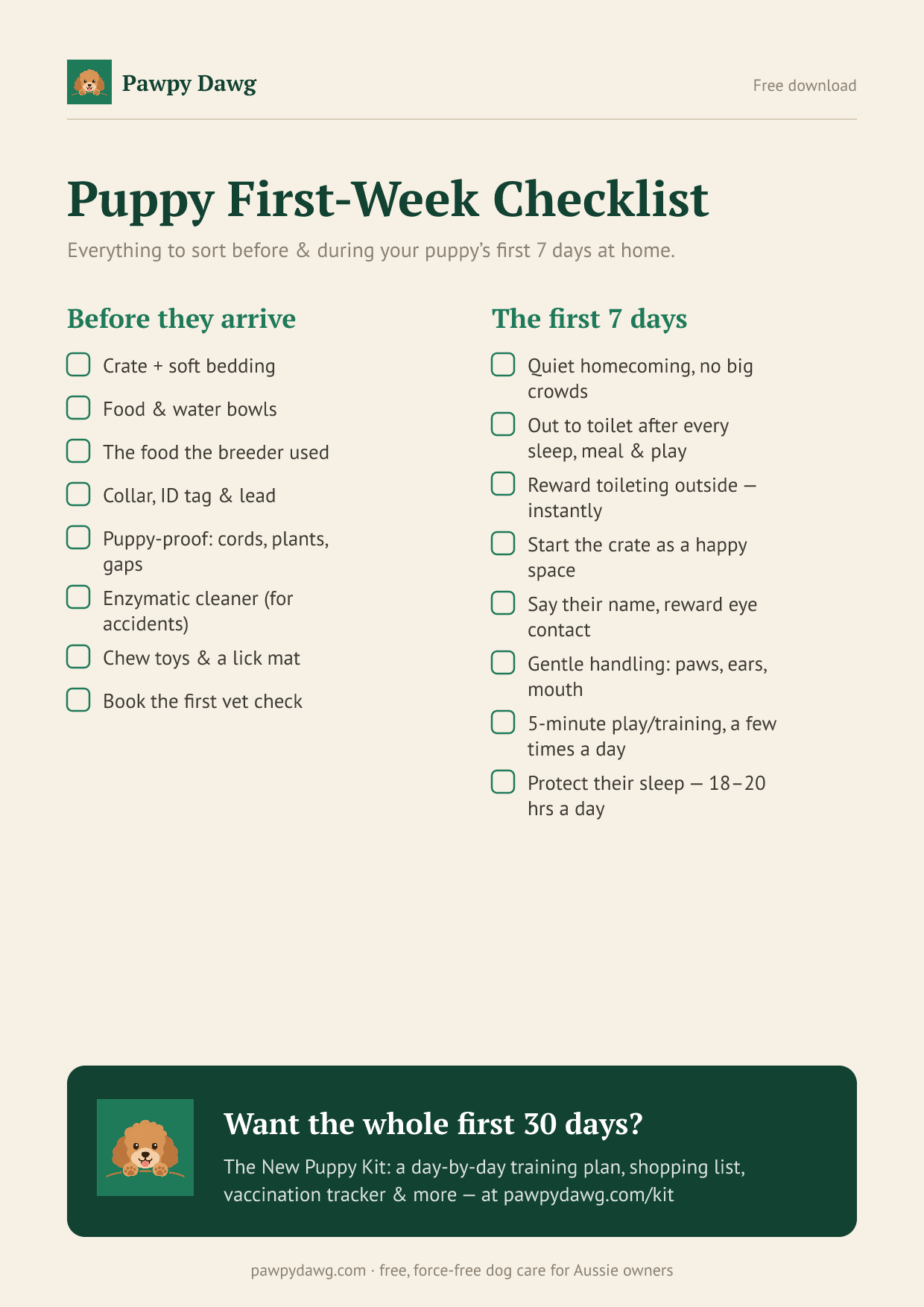
Free printable
Free: the Puppy First-Week Checklist
Everything to sort before and during your puppy's first 7 days home — a printable one-pager. Plus the occasional genuinely useful dog tip. No spam, unsubscribe anytime.
Related guides
How to Stop a Cavoodle Pulling on the Lead (Step-by-Step)
Is your Cavoodle pulling on the lead? Follow this step-by-step positive reinforcement plan with realistic timelines, common mistakes, and pro tips.
Read the guide →
How to Stop a Cavoodle Barking at Strangers (Step-by-Step)
Cavoodle barking at strangers? This step-by-step positive-reinforcement plan covers desensitisation, threshold training, common mistakes, and realistic timelines.
Read the guide →
Cavoodle Separation Anxiety: A Step-by-Step Fix
Cavoodle separation anxiety is common but fixable. Follow this step-by-step positive reinforcement plan with realistic timelines and expert advice.
Read the guide →