
How to Stop a Border Collie Digging Up the Yard (Step-by-Step)
Sick of craters in your lawn? Here's a practical, positive-reinforcement plan to stop border collie digging in the yard — with real timelines and pro tips.

Written by Bradley Brown
Founder & editor · Reviewed 2026-06-30
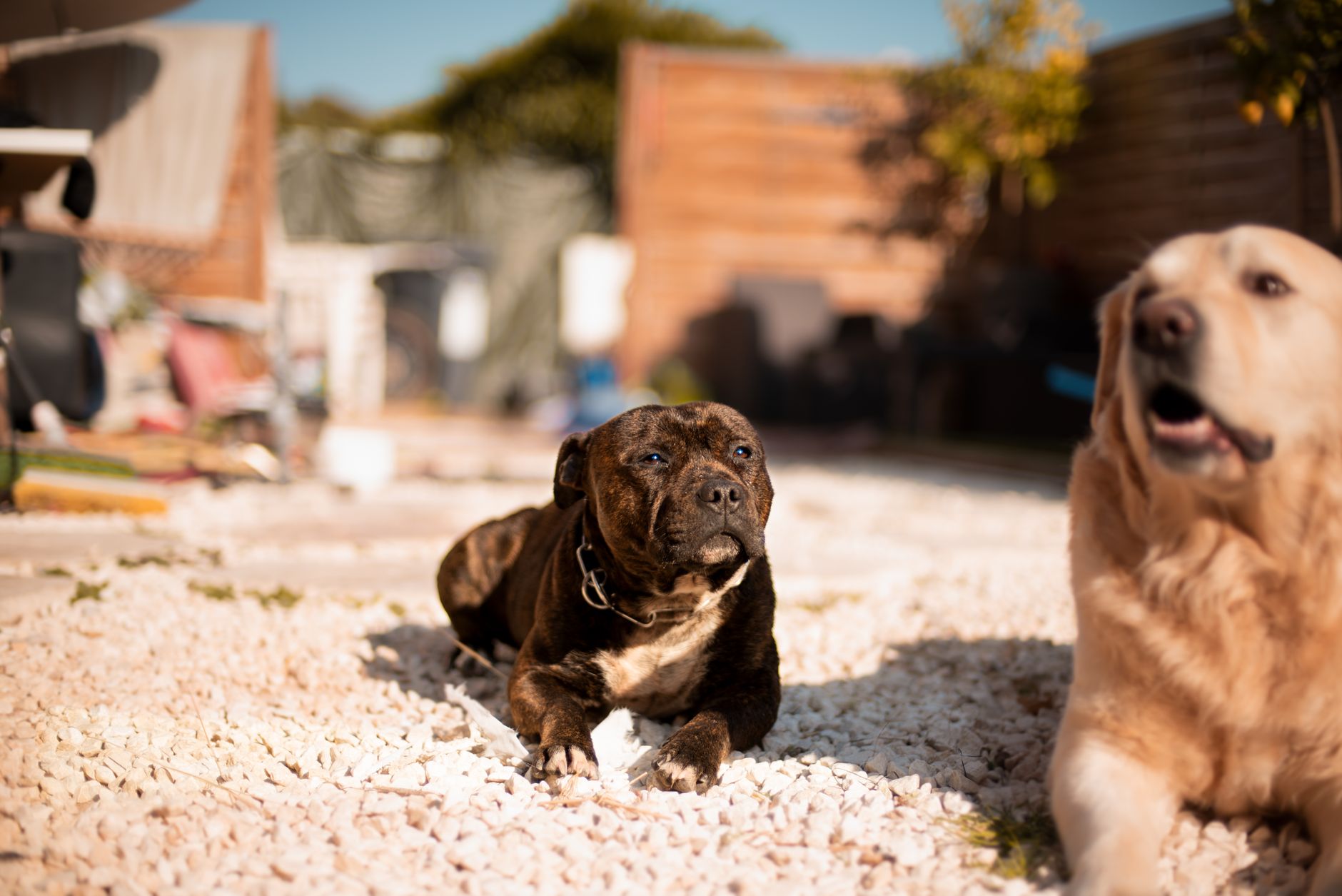
Border Collies don't dig to spite you. They dig because they're one of the most mentally and physically demanding breeds on the planet, and your backyard has become their only outlet. Fix the root cause, redirect the behaviour, and the holes stop appearing. Here's how to do it systematically.
Why Border Collies Dig (Get This Right First)
Before you do anything else, identify why your dog is digging. The fix is different depending on the cause.
| Cause | Telltale Signs |
|---|---|
| Boredom / under-stimulation | Digs in random spots, especially after being alone |
| Excess energy | Digs after short or skipped walks |
| Prey drive | Digs along fence lines or near roots/holes |
| Heat-seeking | Digs shallow scrapes in shaded areas |
| Escape attempt | Digs only along the fence perimeter |
| Anxiety / stress | Digs frantically, paired with panting or barking |
Most Border Collies dig from boredom and under-stimulation. This breed was developed to work 8–12 hours a day. A 20-minute walk and a backyard is not enough.
Step 1: Meet the Exercise Requirement (Non-Negotiable)
A tired Border Collie digs significantly less. Aim for:
- 60–90 minutes of aerobic exercise daily — not just a stroll, but running, fetch, or off-lead time
- Two sessions is better than one long one — morning and late afternoon works well for Australian summers
- Mental exercise counts too — a 15-minute training session burns more energy than a 30-minute walk
If you're time-poor, a dog runner, daycare, or a neighbour who jogs can fill the gap. Budget roughly $25–$50 AUD per session for a professional dog runner in most metro areas.
Step 2: Increase Mental Stimulation Before Leaving the House
Physical exercise alone often isn't enough for a working breed. Before you leave for the day:
- Run through 5–10 minutes of obedience or trick training (sit, drop, roll over, heel patterns)
- Give a stuffed Kong or frozen Kong — freeze it overnight for a longer-lasting challenge
- Use a snuffle mat, Licki Mat, or scatter-feeding in the grass instead of a bowl
- Rotate toys so nothing becomes familiar and boring
The goal is a mentally satisfied dog, not just a tired one.
Step 3: Manage the Environment While You Retrain
Don't let the habit continue unsupervised while you're working on it. Every unsupervised dig rehearses the behaviour.
Practical options:
- Restrict access to the yard when you're not home — use a covered run, dog-proof section, or bring them inside
- Lay chicken wire or shade cloth flat on the soil in problem areas (most dogs dislike the texture)
- Place large flat pavers or rocks over preferred digging spots
- If digging is along the fence line, bury an L-shaped apron of wire mesh 30–50 cm into the ground and bend it outward underground — this is the most effective long-term physical deterrent for escape diggers
Step 4: Create a Legal Digging Zone (This Works)
Giving your dog a sanctioned place to dig dramatically speeds up the process. This isn't rewarding the behaviour — it's redirecting a normal instinct to an acceptable outlet.
How to set up a digging pit:
- Choose a shaded, defined area — a sandpit, raised garden bed, or a cordoned-off patch of soil works well
- Make it roughly 1–2 metres square — large enough to be satisfying
- Bury high-value items (bully sticks, frozen stuffed Kongs, favourite toys) just below the surface
- Bring your dog to the pit and encourage digging there with an enthusiastic "go dig!" cue
- Reward with praise and play when they use it
- Refresh the buried items every couple of days to keep it interesting
When you catch your dog digging in an unauthorised spot, calmly redirect them to the pit with your cue. Don't punish — just redirect.
Step 5: Use Interruptive Management, Not Punishment
Punishment after the fact achieves nothing — your dog has no idea what you're correcting. Even punishment in the moment (yelling, startling) tends to teach dogs to dig when you're not watching, not to stop digging.
What to do instead:
- Supervise time in the yard, especially in the first 2–4 weeks
- The moment you see digging begin, calmly call your dog to you and reward them for coming
- Redirect to the digging pit or into a game of fetch or tug
- Keep a tug toy or a ball near the back door so the redirect is instant
The message you're building: coming to you and playing with you is more rewarding than digging.
Step 6: Consistent Daily Routine
Border Collies are routine-oriented dogs. A predictable schedule reduces anxiety-driven and boredom-driven digging significantly.
A sustainable daily structure might look like:
- Morning: 30–45 min run or fetch + 5 min training session
- Before you leave: Kong or snuffle mat in their safe area
- Midday: Dog walker or enrichment top-up if possible
- Afternoon/evening: 30 min walk or active play + training session
Realistic Timeline: What to Expect
| Week | What You're Likely to See |
|---|---|
| 1–2 | Little change — management is doing the work, not yet behaviour change |
| 3–4 | Digging begins to reduce with consistent exercise and redirection |
| 6–8 | Most dogs are reliably using the digging pit and digging less overall |
| 10–12 | New habit is largely established if routine has been consistent |
Setbacks happen — a week of missed exercise or a stressful event (thunderstorm, visitors) can trigger regression. That's normal. Return to basics.
Common Mistakes to Avoid
- Filling holes with the dog's own faeces — this is outdated advice and can backfire or cause stress
- Punishing hours after the fact — dogs don't generalise backwards in time
- Expecting a quick fix without addressing exercise — no trick works if the dog is chronically under-stimulated
- Rotating nothing — enrichment that never changes stops working within days
- Only using the yard for toilet breaks — if the yard is boring, digging becomes the entertainment
When to Get Professional Help
Seek help from a qualified force-free trainer or a veterinary behaviourist if:
- Digging is frantic, compulsive, or paired with other anxiety signs (destruction, vocalising, self-harm)
- The behaviour hasn't improved after 8–10 weeks of consistent work
- Your dog is escaping and putting themselves in danger
- You're seeing signs of separation anxiety beyond just digging
Look for trainers accredited through the Delta Society Australia or PPGA (Pet Professional Guild Australia). A vet check is also worthwhile — pain and thyroid conditions can occasionally drive restless, repetitive behaviours.
Quick-Reference Checklist
- Identified the primary cause of digging
- Exercise at 60–90 min/day aerobic activity
- Mental enrichment provided before alone time
- Problem spots physically blocked or covered
- Digging pit set up with buried rewards
- "Go dig" cue taught and reinforced
- Supervised yard sessions with calm redirection
- Consistent daily routine in place
- Progress reviewed at 4-week mark
As an Amazon Associate we earn from qualifying purchases.
Frequently asked questions
How much exercise does a Border Collie actually need to stop digging?
Most Border Collies need 60–90 minutes of aerobic exercise daily — not leisurely walks, but genuine running, fetch, or off-lead activity. Mental stimulation like training sessions matters just as much. Under-exercised Border Collies will almost always find a physical outlet, and digging is one of the most common.
Will a digging pit really work, or will my dog just dig everywhere anyway?
For most dogs, yes — a well-maintained digging pit works very well as part of a broader plan. The key is keeping it rewarding by regularly burying fresh items, and consistently redirecting your dog there rather than punishing them for digging elsewhere. It won't work in isolation if the dog's exercise and enrichment needs aren't also being met.
My Border Collie digs along the fence line. Is this different from regular boredom digging?
Fence-line digging is usually driven by either escape motivation or prey drive — the dog can see, hear, or smell something on the other side and is trying to get to it. The fix involves physical barriers (an L-shaped underground wire apron is most effective), increasing exercise and enrichment, and addressing whatever is triggering the fixation, such as dogs or wildlife passing the fence.
Can I use a deterrent spray to stop my Border Collie from digging?
Deterrent sprays (citrus-based, bitter apple) have limited effectiveness for digging because they wash away quickly and don't address why the dog is digging. They can be a short-term management tool alongside other strategies but shouldn't be relied on as a standalone fix. Physical barriers like pavers, rocks, or wire mesh are more reliably effective.
Is it normal for Border Collies to suddenly start digging as adults?
Yes, it can happen. Common triggers include a change in routine, reduced exercise (such as an owner's change in work schedule), a new animal nearby, the onset of seasonal boredom, or underlying anxiety. A sudden change in behaviour in a previously settled dog is always worth a vet check to rule out any medical cause.
How do I know if my Border Collie's digging is anxiety-related rather than just boredom?
Anxiety-driven digging tends to be more frantic or compulsive and is often paired with other signs like vocalising, pacing, destructive behaviour indoors, or self-directed behaviours like excessive licking. Boredom digging is generally calmer and happens opportunistically. If you suspect anxiety, consult your vet or a veterinary behaviourist — the behaviour plan is different, and medication is sometimes appropriate.
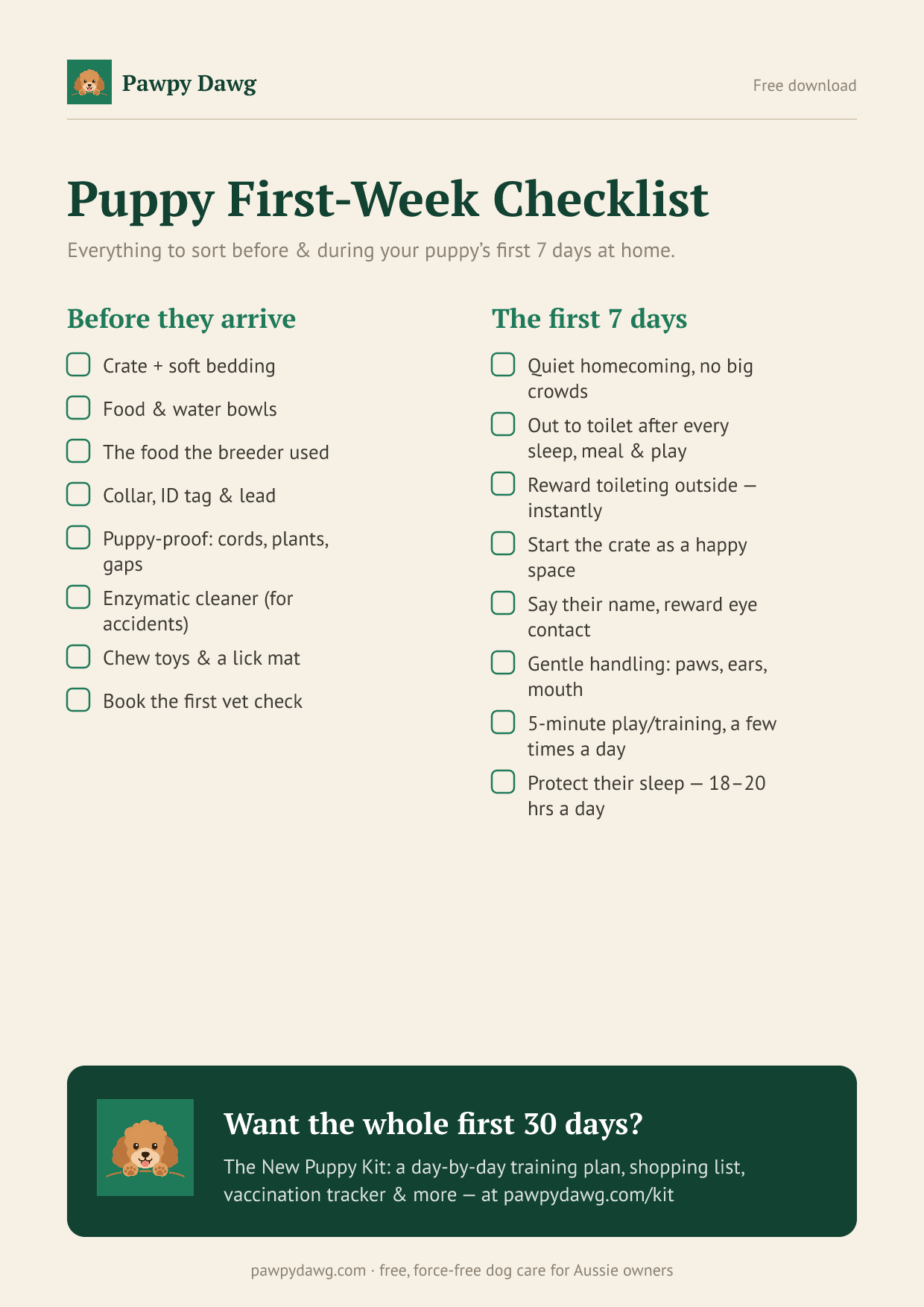
Free printable
Free: the Puppy First-Week Checklist
Everything to sort before and during your puppy's first 7 days home — a printable one-pager. Plus the occasional genuinely useful dog tip. No spam, unsubscribe anytime.
Related guides

How to Stop a Border Collie Pulling on the Lead (Step-by-Step)
Stop your Border Collie pulling on the lead with this step-by-step positive reinforcement plan. Realistic timelines, common mistakes & when to get pro help.
Read the guide →
How to Stop a Border Collie Barking at Strangers (Step-by-Step)
Border collie barking at strangers? Follow this step-by-step positive-reinforcement plan with realistic timelines, common mistakes, and when to call a pro.
Read the guide →
Border Collie Separation Anxiety: A Step-by-Step Fix
Practical step-by-step plan to treat border collie separation anxiety using positive reinforcement. Realistic timelines, common mistakes & when to get vet help.
Read the guide →