
How to Stop a Border Collie Chewing Everything (Step-by-Step)
Stop border collie destructive chewing with this step-by-step positive-reinforcement plan. Realistic timelines, common mistakes, and when to call a pro.

Written by Bradley Brown
Founder & editor · Reviewed 2026-06-30
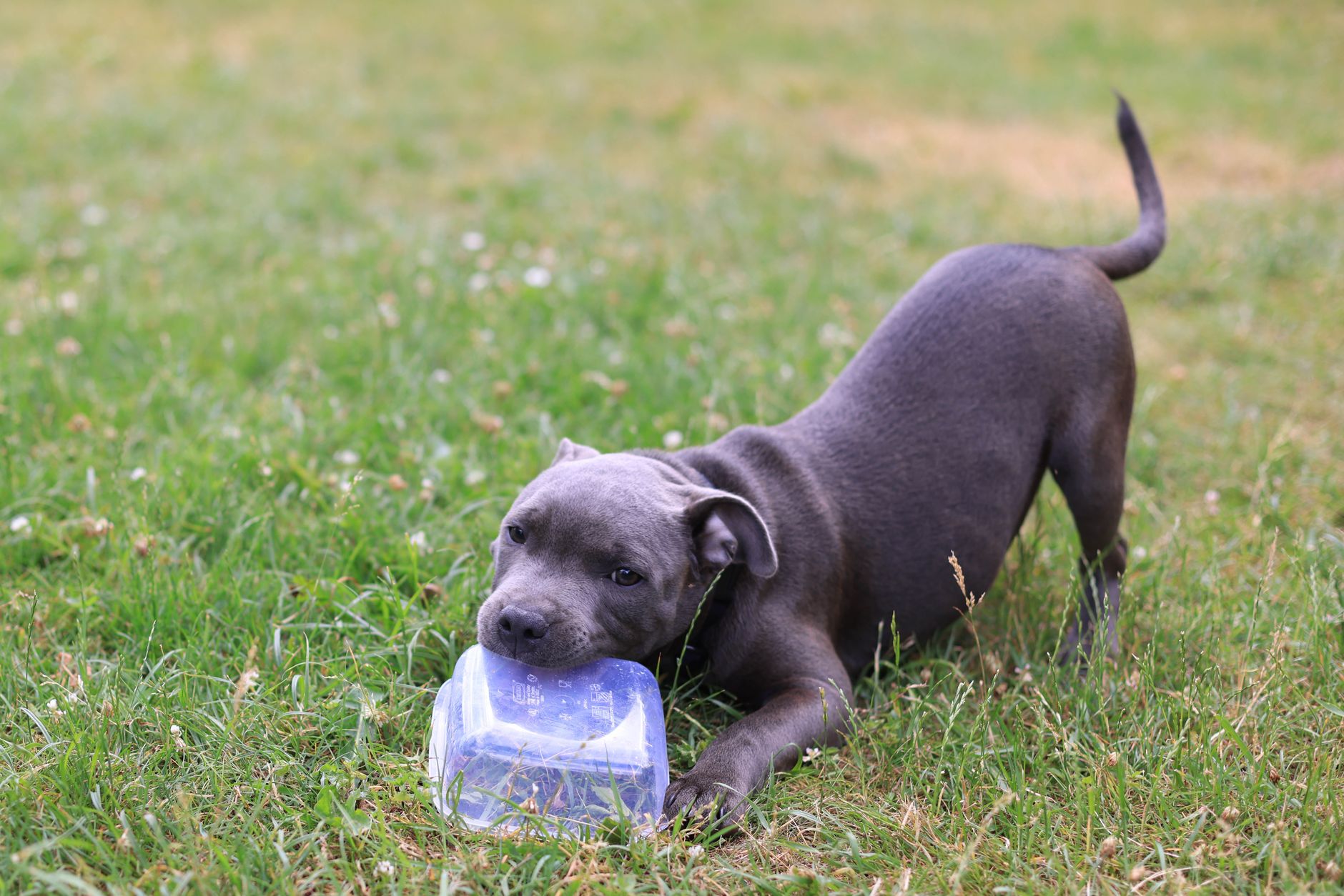
Border Collies don't chew destructively because they're naughty. They do it because they're one of the most mentally and physically demanding breeds on the planet, and when that energy has nowhere to go, your couch pays the price. Understanding that distinction is where every successful fix starts.
This guide gives you a practical, step-by-step plan built around positive reinforcement — no punishment, no aversion sprays as a stand-alone solution, no hoping the dog "grows out of it."
Step 1: Work Out Why Your Border Collie Is Chewing
Destructive chewing in Border Collies usually falls into one of four categories. Identifying yours changes everything about how you respond.
- Under-stimulation – Not enough physical exercise or, more importantly, mental exercise. This is the most common cause in the breed.
- Separation anxiety – Chewing escalates when you leave, often paired with pacing, vocalisation, or toileting indoors.
- Teething – Relevant for pups under six months. Gums ache; anything firm feels like relief.
- Stress or arousal overflow – Highly stimulating environments (storms, visitors, herding instinct with no outlet) can trigger displacement chewing.
Keep a simple log for one week: what was chewed, when, and what had happened in the two hours before. Patterns emerge quickly.
Step 2: Manage the Environment Before You Train Anything
Training takes weeks. Management is instant. Do both simultaneously, not one after the other.
Remove or restrict access to chew targets:
- Tether cables and power cords behind furniture or use split-loom tubing.
- Use baby gates or exercise pens to limit unsupervised room access.
- Pick up shoes, kids' toys, and anything left on the floor.
- If your dog has claimed a particular spot (corner of the sofa, skirting board), block physical access temporarily.
Management isn't a permanent solution, but it stops the rehearsal of the behaviour. Every unsupervised chew episode makes the habit stronger. Preventing those episodes while you work on the root cause is non-negotiable.
Step 3: Fix the Stimulation Deficit
For most Border Collies, this step alone produces a dramatic drop in destructive chewing within two to three weeks.
Physical Exercise
Aim for at least 60–90 minutes of actual exercise daily — not just time in the backyard. Fetch, off-lead running in a safe area, or swimming are all effective. A backyard alone is not exercise for a Border Collie; it's a slightly larger room.
Mental Exercise (Often More Important)
Border Collies are problem-solvers. Mental fatigue reduces the urge to chew far more efficiently than physical fatigue alone.
- Puzzle feeders and snuffle mats – Feed a meal this way instead of from a bowl. Takes 10 minutes and genuinely tires a working-breed brain.
- Training sessions – Two to three short sessions daily (5–10 minutes each) teaching new cues or tricks. Shaping games — where the dog figures out what earns a reward — are particularly effective.
- Nose work – Hide kibble or a favourite toy around the house or yard and let the dog search. Scent work is neurologically exhausting in the best way.
- Herding alternatives – Treibball (pushing large balls) satisfies herding instinct without livestock. There are clubs in most Australian capital cities.
Step 4: Provide Legal Chewing Outlets
Chewing is a normal, healthy dog behaviour. The goal isn't to stop chewing — it's to redirect it.
Chew options that work well for Border Collies:
| Option | Best For | Notes |
|---|---|---|
| Frozen stuffed Kong | Daily use, separation | Fill with wet food or peanut butter (xylitol-free), freeze overnight |
| Raw meaty bones (supervised) | Strong chewers | Never cooked; always supervised; check with your vet |
| Bully sticks | Moderate chewers | Long-lasting; dispose when small enough to swallow |
| Rubber chew toys (KONG, West Paw) | Teething pups | Soak in beef broth and freeze for extra appeal |
| Yak milk chews | Anxious chewers | Very long-lasting; low odour |
Introduce chews during calm times so the dog associates them with settling, not high arousal.
Step 5: Train an Active Redirect
Once your dog has a consistent chew toy, teach a formal redirect so you can interrupt unwanted chewing calmly.
- Catch the chew early — the moment the dog approaches a forbidden item, say their name once in a neutral tone.
- Offer the legal chew — move toward them with it, don't call them away and expect them to follow.
- Mark and reward engagement — the instant they take the legal chew, mark with "yes" or a clicker and follow up with a small treat or enthusiastic praise.
- Never chase or grab — this creates a keep-away game and makes the forbidden item more exciting.
Repeat this sequence every single time you catch the behaviour. Consistency over two to four weeks builds a reliable habit.
Step 6: Address Separation Anxiety Separately
If your log from Step 1 shows chewing only happens when you're absent, standard enrichment won't fix it. Separation anxiety is a genuine anxiety disorder requiring its own protocol.
The foundation is graduated departure training: teaching the dog that short absences predict good things, then very slowly increasing duration. This is a months-long process. Starting with departures of just 10–30 seconds and rewarding calm behaviour when you return is the starting point.
A frozen Kong given immediately before departure can reduce distress for mild cases. For moderate to severe cases, professional help is the most efficient path (see below).
Common Mistakes That Slow Progress
- Punishing after the fact. Dogs don't connect punishment with something that happened minutes ago. You'll damage trust without reducing chewing.
- Inconsistent management. One unsupervised chewing session can undo days of progress. Every family member needs to follow the same rules.
- Relying on deterrent sprays alone. Bitter apple and similar products reduce the appeal of that surface but do nothing about the underlying drive to chew.
- Rotating toys too infrequently. Dogs habituate to the same toys fast. Rotate three to four chews on a weekly cycle to maintain novelty.
- Expecting overnight results. Two to four weeks of consistent management and redirection is a realistic minimum. For deeply ingrained habits or anxiety-driven chewing, allow two to three months.
When to Get Professional Help
Call a qualified trainer or veterinary behaviourist if:
- Chewing is clearly worse when you're absent and is paired with other distress signs (vocalising, toileting, destruction at exit points).
- The behaviour is escalating despite four weeks of consistent management.
- Your dog is also showing aggression, extreme reactivity, or self-directed behaviours like tail chasing or flank sucking.
- You're feeling overwhelmed or frustrated to the point of considering rehoming.
Look for trainers who use force-free or positive-reinforcement methods and hold credentials through the Pet Professional Guild Australia or Delta Institute. A single consultation can cost $150–$350 AUD but typically saves months of frustration.
For suspected separation anxiety, a veterinary behaviourist can also assess whether medication would help bridge the gap while behaviour modification does its work. This isn't a failure — it's evidence-based practice.
As an Amazon Associate we earn from qualifying purchases.
Frequently asked questions
At what age do Border Collies stop destructive chewing?
Teething-related chewing usually eases after six months of age. However, Border Collies can chew destructively at any age if their mental and physical needs aren't met. Without addressing the underlying cause, the behaviour doesn't simply disappear with age.
Can a Border Collie be left alone during the day without chewing everything?
Yes, with the right preparation. A well-exercised, mentally stimulated Border Collie given appropriate chew outlets and a safe, managed space can settle during the day. Building up alone-time gradually and providing a stuffed frozen Kong before departure makes a significant difference. Dogs with separation anxiety need a more structured protocol.
Are puzzle feeders actually effective for reducing destructive chewing?
Yes, consistently. Mental effort depletes a Border Collie's energy more efficiently than physical exercise alone. Feeding one or two meals per day through a puzzle feeder or snuffle mat reduces the surplus arousal that drives displacement chewing. Most owners see a noticeable behavioural shift within two to three weeks.
Is it okay to use bitter apple spray on furniture to stop chewing?
Deterrent sprays can protect specific surfaces in the short term but don't address why the dog is chewing. Used alongside enrichment, management, and redirection training, they can be a useful tool. Used alone, they rarely produce lasting results because the underlying drive remains unresolved.
My Border Collie only chews when I leave the house. What does that mean?
This pattern strongly suggests separation anxiety rather than simple boredom. Separation anxiety is an anxiety disorder where the dog becomes distressed in the absence of their attachment figure, and chewing is one way that distress manifests. It requires a specific graduated departure protocol and potentially veterinary support — standard enrichment tips alone won't resolve it.
How long does it realistically take to stop destructive chewing in a Border Collie?
For boredom-driven chewing with consistent management and enrichment, most owners see significant improvement within two to four weeks. Deeply ingrained habits or anxiety-driven chewing can take two to three months of consistent work. There are no reliable overnight fixes, and inconsistency is the most common reason progress stalls.
Free printable
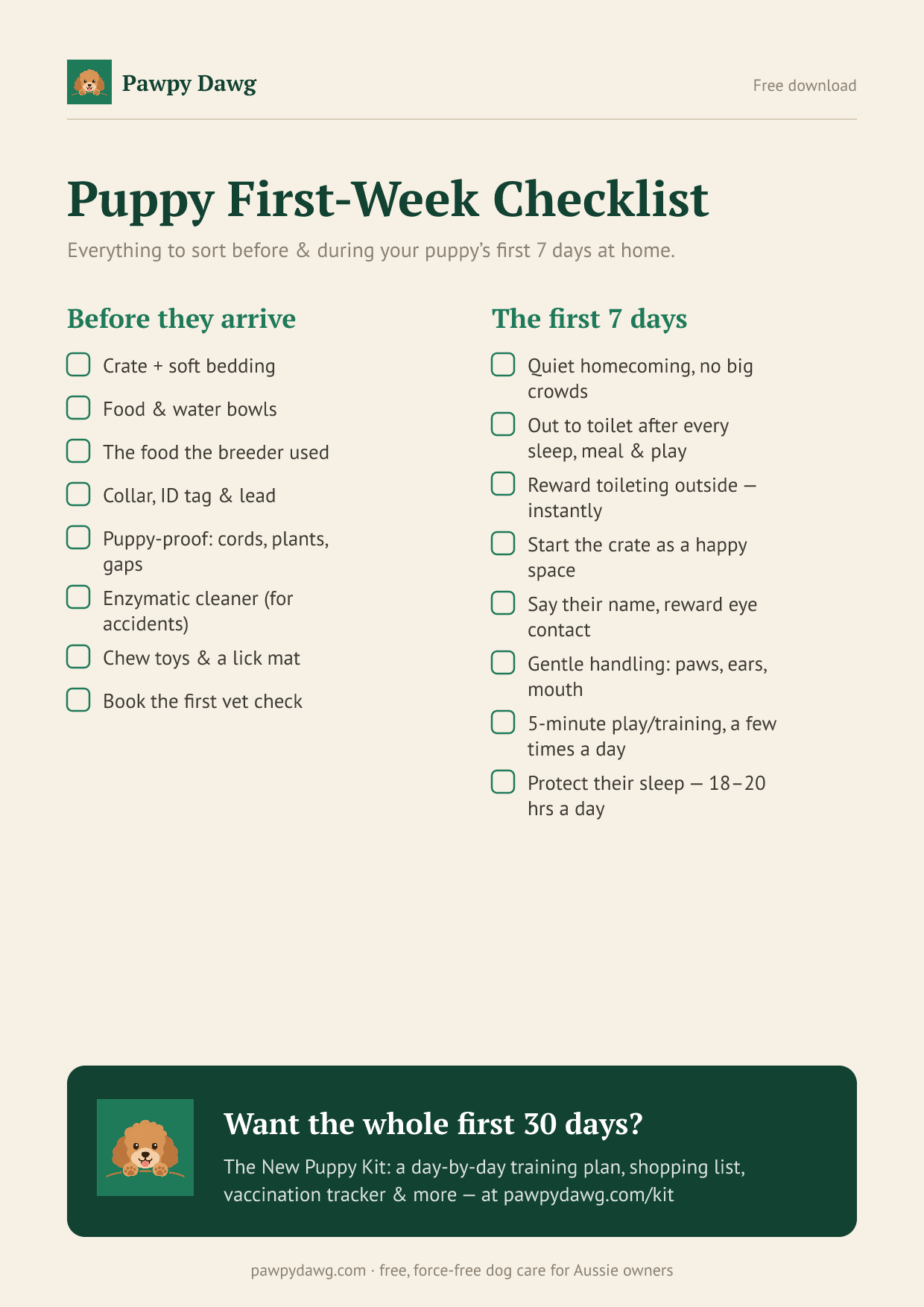
Free: the Puppy First-Week Checklist
Everything to sort before and during your puppy's first 7 days home — a printable one-pager. Plus the occasional genuinely useful dog tip. No spam, unsubscribe anytime.
Related guides

How to Stop a Border Collie Pulling on the Lead (Step-by-Step)
Stop your Border Collie pulling on the lead with this step-by-step positive reinforcement plan. Realistic timelines, common mistakes & when to get pro help.
Read the guide →
How to Stop a Border Collie Barking at Strangers (Step-by-Step)
Border collie barking at strangers? Follow this step-by-step positive-reinforcement plan with realistic timelines, common mistakes, and when to call a pro.
Read the guide →
Border Collie Separation Anxiety: A Step-by-Step Fix
Practical step-by-step plan to treat border collie separation anxiety using positive reinforcement. Realistic timelines, common mistakes & when to get vet help.
Read the guide →