
Golden Retriever Training Guide: A Realistic 8-Week Plan
A realistic 8-week golden retriever training plan built around their temperament. Week-by-week steps, quick wins, and honest advice for busy Australian owners.

Written by Bradley Brown
Founder & editor · Reviewed 2026-07-15
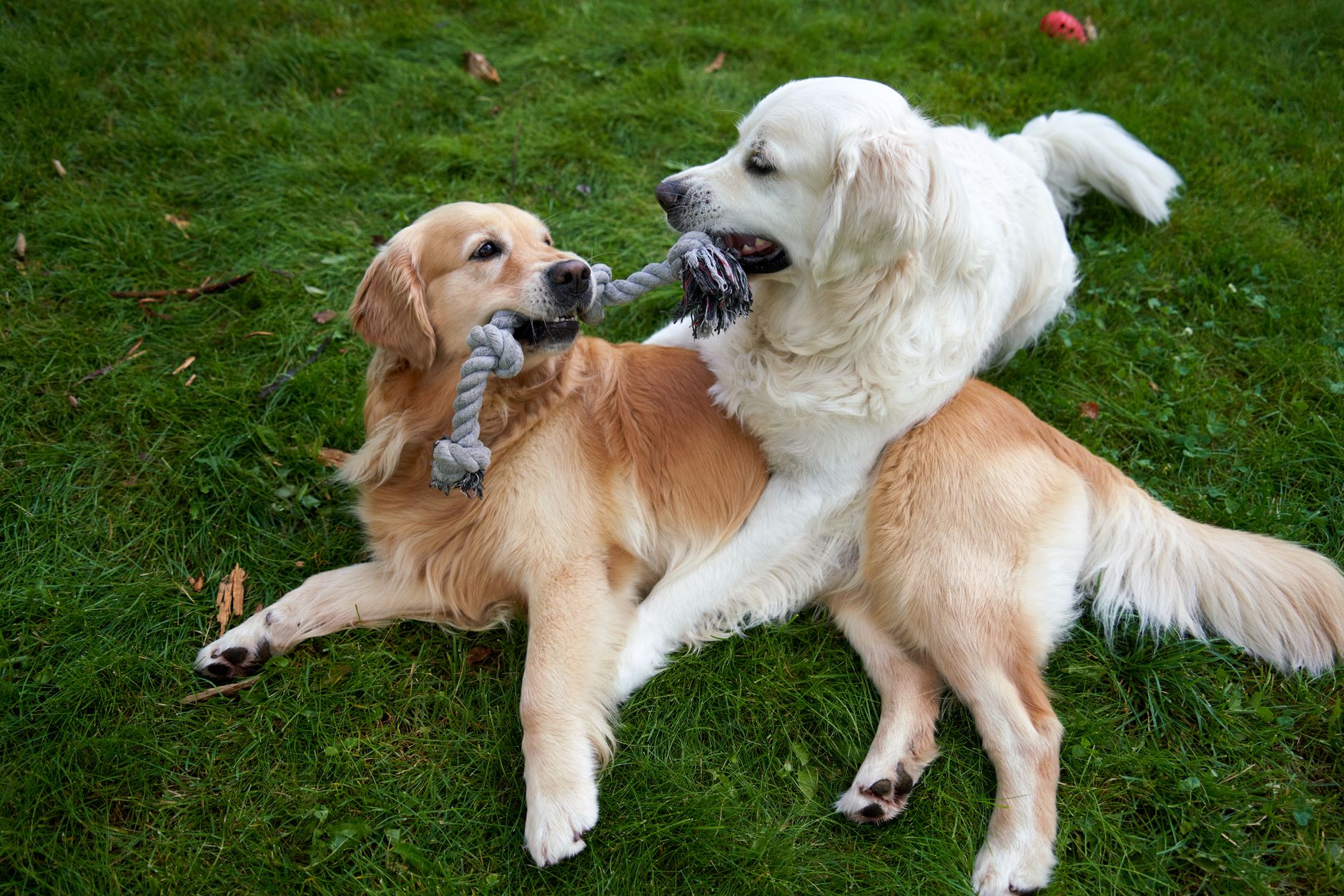
If your Golden is bouncing off the walls, mouthing everything in sight, or ignoring you the second something interesting moves — you haven't ruined them. Goldens are high-energy, people-obsessed dogs with the attention span of a labrador puppy, and that's completely normal. The good news: their legendary eagerness to please makes them one of the most trainable breeds on the planet, and you don't need hour-long sessions to see real change.
Your Quick Win for Today: The Name Game
Before you read another word, try this. Say your dog's name once in a bright, clear voice. The moment they look at you — even a glance — say "yes!" and give them a small treat or a quick pat. Do it five times, then stop. That's it. You've just started building the most important skill in golden retriever training: a reliable attention response. Everything else builds on that look.
What Makes Goldens Different to Train
Goldens are mouthy, enthusiastic, and easily distracted by smells, movement, and people they haven't met yet. They also shut down if you get frustrated — raised voices and harsh corrections make them anxious and slower to learn. Short, upbeat sessions with food rewards (small, soft treats work best) and genuine praise get dramatically better results than repetition through frustration. Keep every session to 5–10 minutes. Two sessions a day beats one long one every time.
The 8-Week Plan
Week 1 — Attention and Name Response
Build on the Name Game above. Add "Watch me": hold a treat at your eye level, wait for eye contact, mark with "yes," reward. Practise sits using a treat lured slowly over the nose. End every session before your dog loses interest — a short win beats a long slog.
Daily time: 5–7 minutes, twice a day.
Week 2 — Sit, Drop, and Basic Impulse Control
Teach "drop" (down) by luring the treat from the sit position toward the floor. Introduce a simple "wait" before the food bowl goes down — hold it at knee height, pause two seconds, then release with "OK." This one habit pays dividends for life.
Daily time: 5–7 minutes, twice a day.
Week 3 — Loose-Leash Walking Foundations
Clip the lead on indoors first. Walk a few steps; the moment the lead goes slack, mark and reward. Goldens pull because pulling works — the instant you stop moving when the lead tightens, that reward disappears. Be consistent. This week is slow, and that's fine.
Daily time: Two 10-minute sessions.
Week 4 — Stay and Distance
Build "stay" in three dimensions: duration (how long), distance (how far you move away), and distraction. Add only one dimension at a time. A three-second stay from one metre away with a bouncing toddler nearby is harder than a 30-second stay in a quiet room.
Daily time: 7–10 minutes, twice a day.
Week 5 — Recall ("Come")
Never call your dog to you for anything unpleasant — baths, nail trims, end of park time. Use a long line (5–10 metres) in the backyard. Call once, crouch down, open arms. When they arrive, throw a small party. Goldens have a strong recall instinct; you just need to make coming to you the best thing that happened all day.
Daily time: 10 minutes, once or twice daily.
Week 6 — Mouthing and Jumping
These are the two biggest complaints from Golden owners. For mouthing: the moment teeth touch skin, freeze, turn away, remove attention for 10 seconds — then re-engage calmly. For jumping: ask for a sit before any greeting. Four paws on the floor gets the hello; jumping ends the interaction. Everyone in the household must be consistent, or you're starting from scratch every time.
Daily time: 5 minutes of focused practise, plus real-life reps throughout the day.
Week 7 — Proofing in Real Environments
Take your skills on the road. A quiet carpark, a friend's backyard, a suburban footpath. Expect regression — your dog isn't being stubborn, they're just learning that "sit" means "sit" everywhere, not only in the kitchen. Reward more generously in new environments.
Daily time: 10-minute outings focused on one or two skills.
Week 8 — Consolidation and Real-Life Reliability
String behaviours together: sit → wait → release to eat, or drop → stay → come. Start fading food rewards on familiar behaviours (reward intermittently, not every time) while keeping praise high. Introduce a new enrichment activity — nose work, fetch with rules, or a basic trick — to keep that Golden brain engaged.
Daily time: 10 minutes, structured plus casual reps throughout the day.
Week-by-Week Snapshot
| Week | Core Focus | Sessions/Day | Minutes Each |
|---|---|---|---|
| 1 | Name response, sit | 2 | 5–7 |
| 2 | Drop, impulse control | 2 | 5–7 |
| 3 | Loose-leash walking | 2 | 10 |
| 4 | Stay with distance | 2 | 7–10 |
| 5 | Recall | 1–2 | 10 |
| 6 | Mouthing, jumping | 2 + reps | 5 |
| 7 | Proofing in new places | 1–2 | 10 |
| 8 | Consolidation, tricks | 1–2 | 10 |
When Progress Stalls
If your dog is getting worse at something they knew last week, the three most common culprits are: the environment got harder, the reward stopped being interesting, or someone in the house is inadvertently rewarding the old behaviour. Go back one step, increase the treat value (real chicken beats dry kibble every time), and check what everyone else is doing. It's almost never the dog.
A qualified trainer — look for a member of the Pet Professional Guild Australia or Delta Society — can spot things in one session that take owners months to figure out. A single consult (typically $A80–$150) is often worth every cent.
As an Amazon Associate we earn from qualifying purchases.
Frequently asked questions
At what age should I start golden retriever training?
You can begin the moment your puppy comes home, typically at 8 weeks old. Short, positive sessions of 3–5 minutes are ideal at this age. Adult Goldens can absolutely learn new behaviours too — the idea that you can't teach an older dog is a myth.
How long does it take to train a Golden Retriever?
Basic reliability on core skills — sit, drop, stay, recall, loose-leash walking — is achievable in 8–12 weeks with consistent daily practice. That said, training is ongoing; a well-trained Golden at one year is still a work in progress at two.
Why does my Golden Retriever ignore me when we're outside?
Outdoors is simply more stimulating than your kitchen, so you're competing with smells, dogs, joggers, and birds. Your dog isn't being defiant — they haven't yet learned that 'sit' applies everywhere. Practise in gradually busier environments and use higher-value rewards (real meat, cheese) when distractions are present.
Should I use a training collar or harness for my Golden?
A well-fitted, front-clip harness is a good starting point for pullers and won't cause the tracheal pressure that neck collars can. Avoid prong or choke collars — they're unnecessary for Goldens and can increase anxiety in a sensitive breed. The lead is a safety tool; actual loose-leash manners come from training, not equipment.
Is it worth sending my Golden Retriever to puppy school?
Yes — a good puppy class provides structured socialisation during the critical window (up to roughly 16 weeks), exposes your dog to other breeds and people, and gives you expert feedback in real time. Look for force-free classes run by accredited trainers. In Australia, expect to pay around $A150–$250 for a 4–6 week course.
My Golden Retriever is 2 years old and still pulls and jumps. Is it too late?
Not at all. Two-year-old Goldens are energetic but still highly food-motivated and people-focused, which means they respond well to positive training. Consistency is the key factor — not age. Most owners see meaningful improvement in jumping and pulling within 3–4 weeks of applying the techniques correctly and consistently.
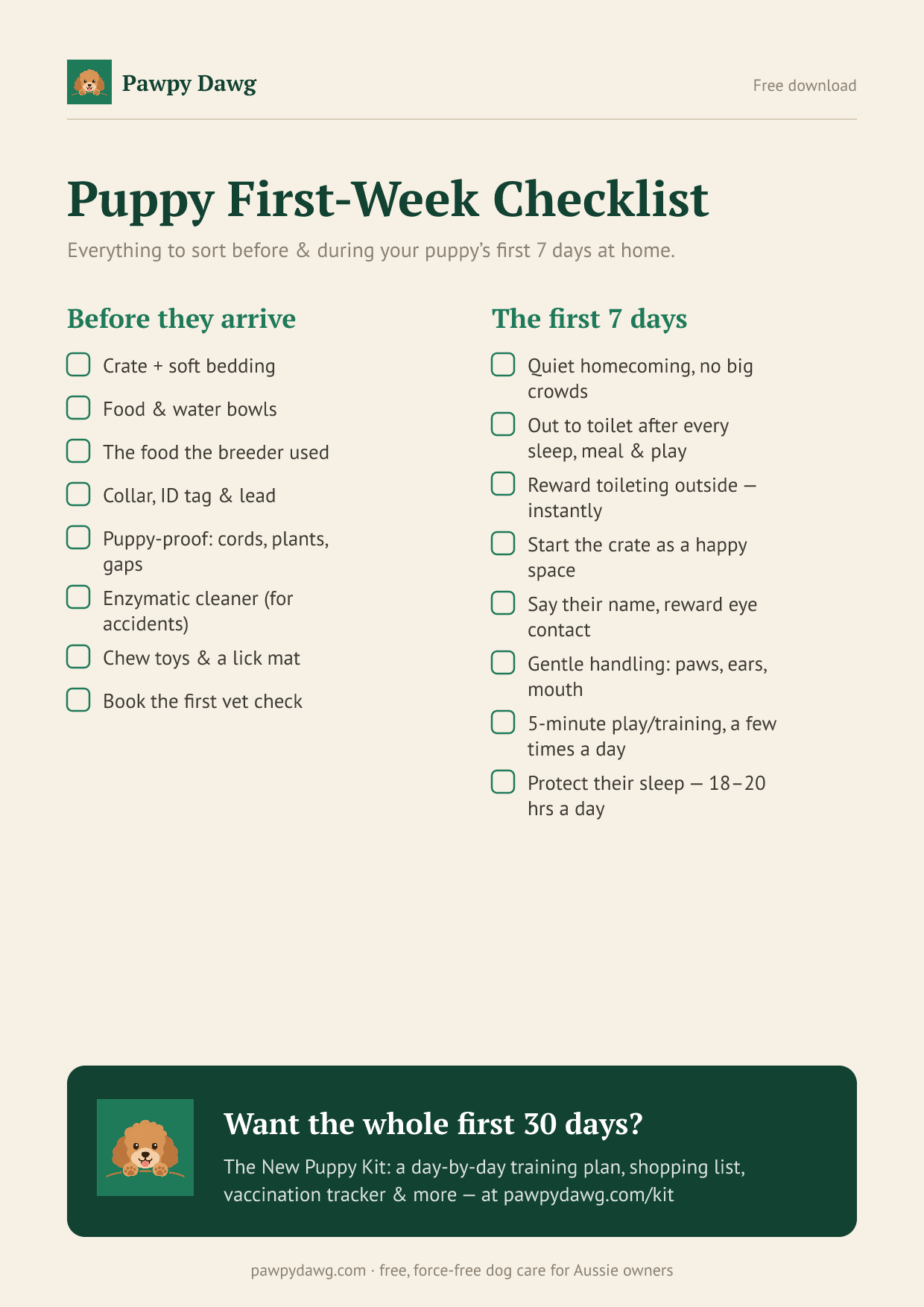
Free printable
Free: the Puppy First-Week Checklist
Everything to sort before and during your puppy's first 7 days home — a printable one-pager. Plus the occasional genuinely useful dog tip. No spam, unsubscribe anytime.
Related guides
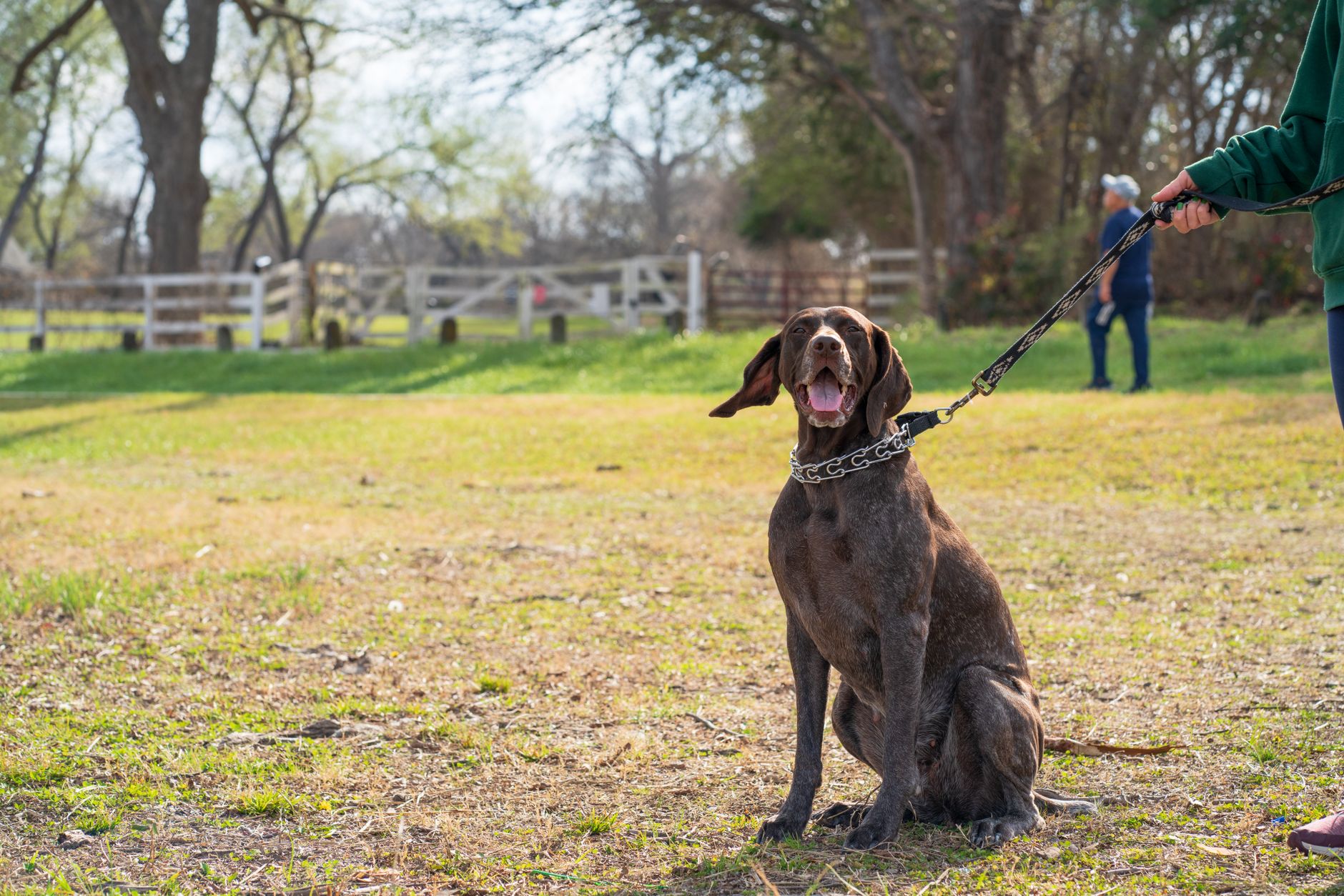
How to Stop a Golden Retriever Pulling on the Lead (Step-by-Step)
Tired of being dragged down the street? Here's a practical, positive-reinforcement plan to stop your golden retriever pulling on the lead — starting today.
Read the guide →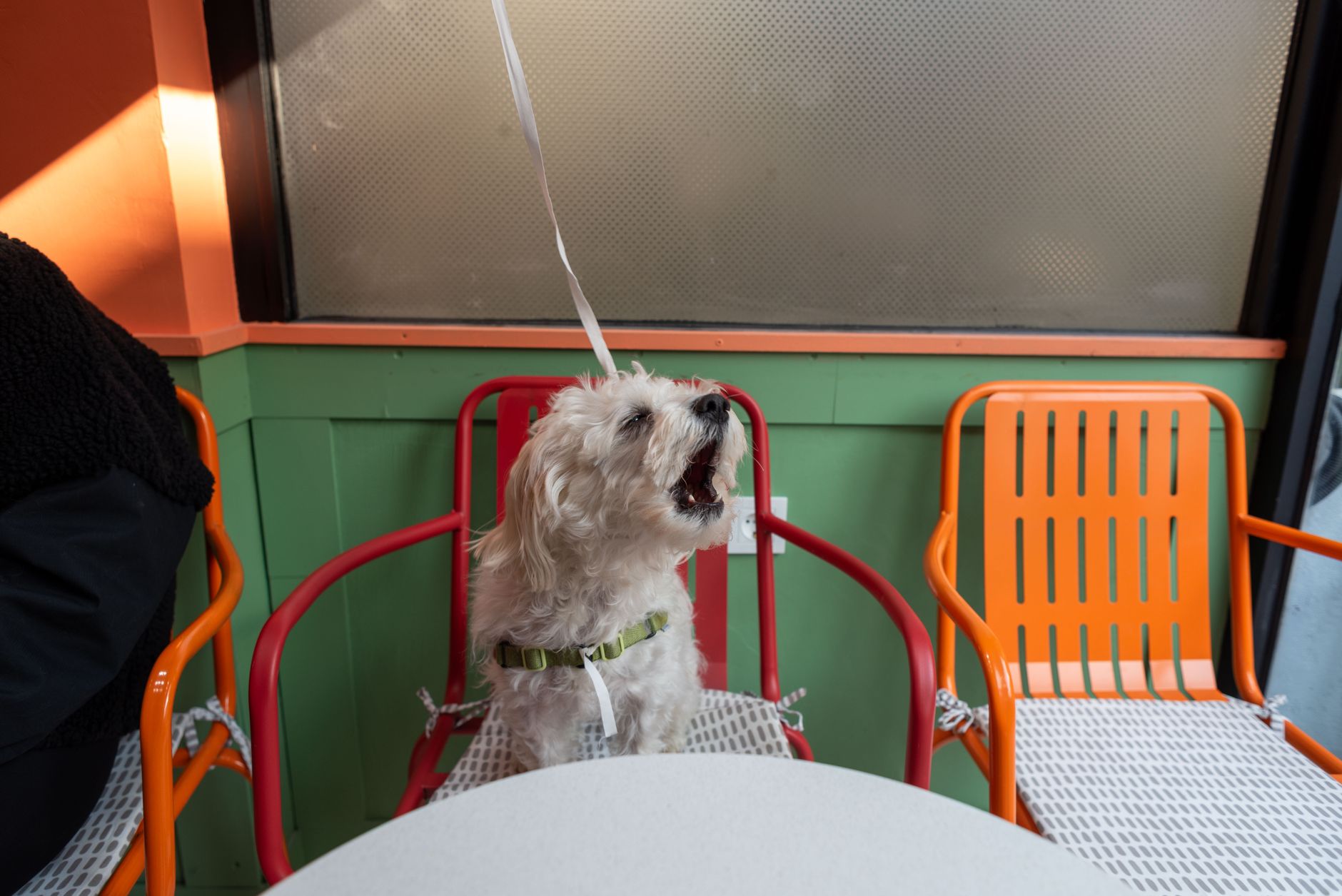
How to Stop a Golden Retriever Barking at Strangers (Step-by-Step)
Stop your golden retriever barking at strangers with this positive-reinforcement plan. Step-by-step training, realistic timelines & when to call a pro. 🐾
Read the guide →
Golden Retriever Separation Anxiety: A Step-by-Step Fix
Golden retriever separation anxiety is stressful — for you and your dog. Here's a realistic, step-by-step positive-reinforcement plan that actually works.
Read the guide →