
German Shepherd Training Guide: A Realistic 8-Week Plan
A realistic 8-week German Shepherd training plan built around their temperament and energy. Daily 5–10 min sessions, no fluff, real results.

Written by Bradley Brown
Founder & editor · Reviewed 2026-07-15
If You Only Do Five Things, Do These
Before you read another word, lock these five in. Everything else in this plan builds on them.
- Keep every session to 5–10 minutes. German Shepherds are intense workers — they burn out mentally faster than you'd expect, and a bored or frustrated dog stops learning.
- Reward within 1–2 seconds of the behaviour. Timing matters more than the treat itself. Late rewards teach the wrong thing.
- One cue, one meaning, every time. Don't say "sit," "sit down," "sit buddy," and "SIT!" interchangeably. Pick a word and stick to it, every person in the house.
- End every session before the dog does. Stop while they're still keen. Enthusiasm is your most valuable training asset.
- Manage the environment before you correct the behaviour. If your Shepherd is raiding the bin, move the bin. Set them up to succeed before you ask them to resist temptation.
Why German Shepherds Train Differently
German Shepherds were bred to work alongside a handler all day — herding, guarding, and problem-solving on the fly. That heritage means you're working with a dog that is sharp, loyal, and highly motivated, but also one that gets bored fast, bonds deeply to one or two people, and can develop anxiety-based problems (barking, pacing, destructive chewing) if they don't get enough mental stimulation.
They're not a "set and forget" breed. But the flip side is that they respond to consistent training faster than almost any other breed. The 8-week plan below is built around that reality: short, frequent sessions that keep their brain engaged without burning them — or you — out.
Reassurance check: If your Shepherd is already doing things you don't like — jumping, lunging, ignoring recall — that's not a ruined dog. That's an under-directed dog. These are fixable, often within a few weeks of consistent work.
The 8-Week Plan
Weeks 1–2: Foundation Behaviours and Trust
What you're teaching: Sit, drop (down), name recognition, loose-lead walking basics.
Session structure: Two 5-minute sessions per day — morning and evening.
Start with sit and drop using a lure (hold a treat at the nose, move it back for sit, then down toward the ground for drop). The moment their bottom or elbows hit the ground, mark it ("yes!" or a clicker click) and treat. Ten repetitions per session is plenty.
Pair name recognition with every meal: say their name once, and the moment they look at you, treat or praise. Never repeat the name if they ignore it — walk toward them calmly and try again. Chasing them with "Bella! Bella! BELLA!" teaches them the name is optional.
Loose-lead walking in weeks 1–2 is just about starting. Walk a few steps, treat for a dog that's roughly beside you, stop the moment the lead tightens. Don't yank, don't scold — just stop and become a statue until the lead slackens.
Common mistake: Asking for too much too soon. If your dog can't sit reliably inside, don't try to get a drop at the park yet.
Weeks 3–4: Adding Duration and Distance
What you're teaching: Stay (sit-stay and drop-stay), recall basics, settling on a mat.
German Shepherds have the focus to hold a stay for much longer than most breeds — but only if you build it incrementally. Start with a one-second stay (ask for sit, wait a beat, treat), then two seconds, then five. Add distance only after duration is solid. The classic mistake is stepping away too early and watching the dog follow you, then repeating the whole attempt over and over.
Recall is best built as a game at this stage. Say "come" once in a happy voice, crouch down, and celebrate when they arrive — treat, brief play, big praise. Never call them for something they dislike (bath, nail trim, being put away) until recall is bombproof. Every negative experience associated with "come" erodes the behaviour.
Mat training — teaching your dog to go to a specific mat and settle — is underrated for Shepherds. It gives them a job ("go to your place") and a mental anchor during busy household moments.
Common mistake: Practising recall by calling the dog back to you while standing still. Move away from them as you call — a moving target is far more exciting to chase.
Weeks 5–6: Real-World Proofing
What you're teaching: The same behaviours, now with distraction.
This is where most owners feel like their dog has "forgotten everything." They haven't. Behaviours learned at home simply haven't been generalised yet. German Shepherds, despite their intelligence, don't automatically apply what they've learned in the lounge room to the footpath outside.
Take training outside, but drop the difficulty. Ask for a sit in the driveway before you ask for one at the dog park. Use higher-value rewards outdoors — small pieces of cooked chicken or cheese work well. A $10 bag of real meat treats is worth more here than a $50 bag of dry biscuits.
Introduce basic impulse control: before the food bowl goes down, ask for a sit and a brief wait. Before the lead goes on, ask for a sit. These micro-moments of self-control add up significantly over weeks.
Common mistake: Raising the criteria and the distraction level at the same time. Pick one.
Weeks 7–8: Consolidation and Building Good Habits
What you're teaching: Chaining behaviours, polishing loose-lead walking, introducing "leave it."
By week seven, a dog that's had consistent daily work should have reliable sits, drops, stays, and a functional recall. Now you can start chaining — sit, then drop, then stay, then come — which gives your Shepherd the complex mental task they crave.
Loose-lead walking should be getting noticeably smoother. If it isn't, the most common culprit is inconsistency: someone in the household lets the dog pull. This is worth a direct conversation. One person allowing pulling undoes everyone else's work.
"Leave it" is introduced last deliberately. It requires impulse control that's built on a foundation of the earlier work. Lure a treat in your closed fist, wait for the dog to back off or look at you, then mark and reward from your other hand. Progress slowly.
Week-by-Week Progress: What to Realistically Expect
| Week | Realistic Milestone |
|---|---|
| 1 | Dog responds to name 8/10 times indoors; beginning to lure into sit |
| 2 | Reliable sit and drop indoors with lure; 2–3 steps of loose-lead walking |
| 3 | Sit and drop without lure most of the time; 3-second stay |
| 4 | 10-second stay; comes when called in low-distraction areas |
| 5 | Behaviours hold in the driveway or quiet street |
| 6 | Recall and sit reliable at local park (not peak hour) |
| 7 | Loose-lead walking improving consistently; chaining two behaviours |
| 8 | Reliable recall, sit, drop, stay, and leave it in most everyday settings |
The Gear That Actually Helps (and What to Skip)
You don't need much. A flat collar or well-fitted harness, a 1.8-metre lead, and small soft treats are the core kit. Many Australian trainers also recommend a 5-metre long-line for recall work — it costs around $15–$30 at most pet shops and gives your dog freedom while keeping you in control.
Skip: Retractable leads during training. They teach dogs that pulling works, because it always gives them more lead. Worth every cent to leave on the shelf for now.
Consider: A treat pouch clipped to your waistband (around $15–$25). Having treats instantly accessible improves your reward timing dramatically.
A Note on Adolescence
German Shepherds hit adolescence between roughly 6 and 18 months, and many owners hit a wall right around the 3–4 month mark of training. The dog that was making great progress suddenly seems to be ignoring cues, getting distracted, or testing limits. This is neurologically normal — adolescent dogs literally have less impulse control as their brain rewires. Keep sessions short, keep expectations realistic, and don't stop training. Dogs that get consistent work through adolescence come out the other side significantly better than those whose owners gave up.
If reactivity (lunging, barking at other dogs or people) is developing, bring in a qualified trainer early — look for someone accredited through the Pet Professional Guild Australia or the Delta Society. Reactivity is far easier to address at 5 months than at 18.
As an Amazon Associate we earn from qualifying purchases.
Frequently asked questions
How long does it take to train a German Shepherd?
Basic obedience — sit, drop, stay, recall, loose-lead walking — can be reliable within 8 weeks with daily 5–10 minute sessions. That said, training is ongoing; German Shepherds thrive with continued mental challenges well into adulthood. Think of the first 8 weeks as laying the foundation, not finishing the build.
At what age should I start training my German Shepherd?
As early as 8 weeks old. Puppies start learning from the moment they arrive home, so the question is really whether that learning is intentional or accidental. Short, positive sessions from 8–12 weeks build habits that are much easier to maintain than trying to undo problem behaviours later.
Are German Shepherds easy or hard to train?
They're among the most trainable breeds in the world — consistently ranking in the top five across most working-dog assessments. The challenge isn't their ability to learn; it's that they need consistent direction and mental stimulation. Without it, their intelligence works against you as they find their own (usually unwelcome) entertainment.
My German Shepherd pulls badly on the lead. What actually works?
The most effective approach is stopping completely the moment the lead tightens, then rewarding the dog for returning to your side. It feels slow at first, but it's consistent — and consistency is what changes the behaviour. A front-clip harness can help reduce pulling mechanics while you're building the skill, but it won't replace the training itself.
Should I use treats or praise to train my German Shepherd?
Both, but treats are more reliable in the early stages because they give clear, consistent feedback. German Shepherds are typically food-motivated, though some individuals prefer toy rewards or play. Once a behaviour is solid, you can start varying the reward — sometimes a treat, sometimes enthusiastic praise — which actually makes the behaviour more durable.
How much exercise does a German Shepherd need alongside training?
Adult Shepherds generally need 1–2 hours of physical activity per day, but mental stimulation counts too — a 10-minute training session can tire a dog as effectively as a 30-minute walk. For puppies, follow the general guideline of around 5 minutes of structured exercise per month of age, twice daily, to protect developing joints.
Free printable
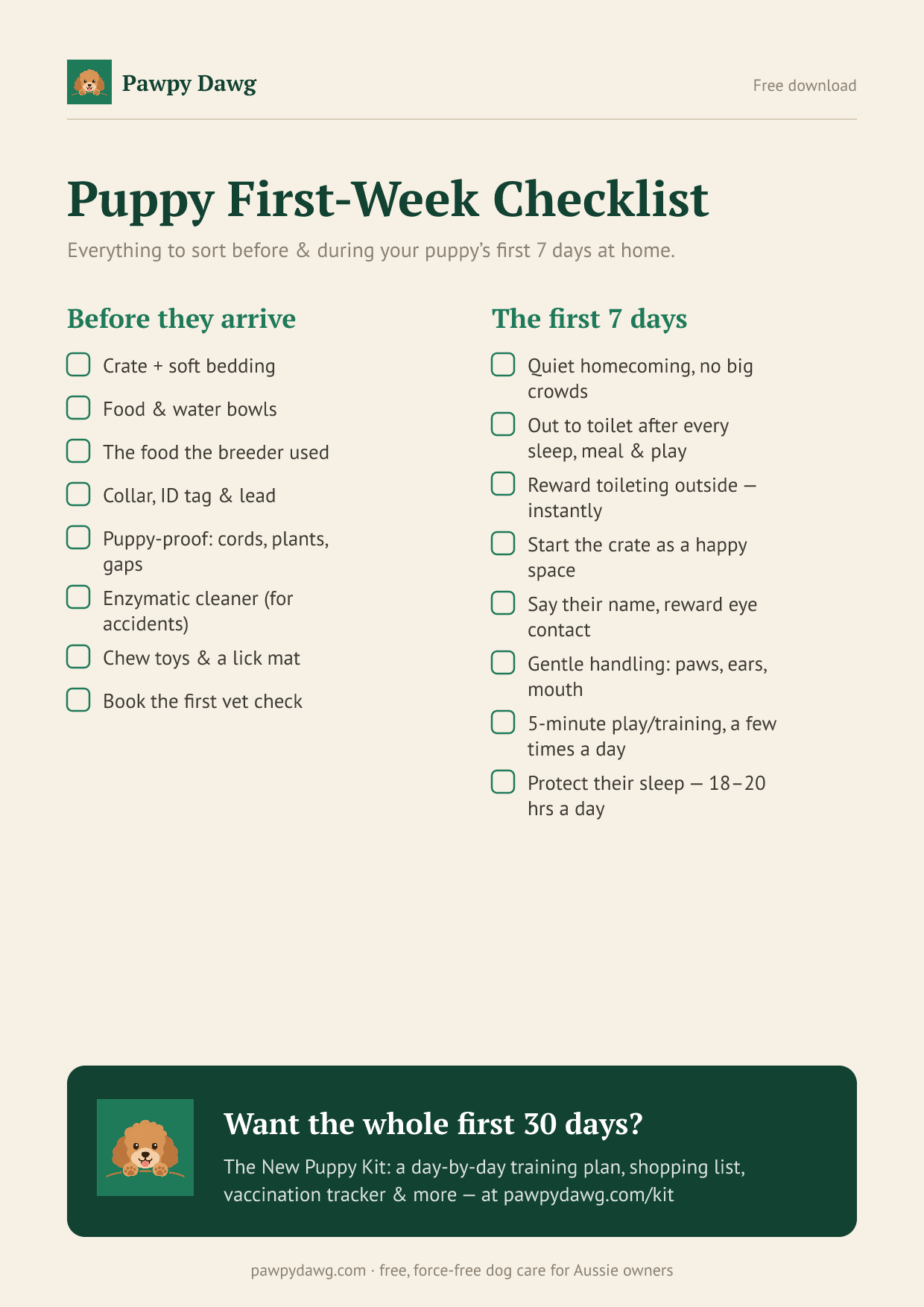
Free: the Puppy First-Week Checklist
Everything to sort before and during your puppy's first 7 days home — a printable one-pager. Plus the occasional genuinely useful dog tip. No spam, unsubscribe anytime.
Related guides
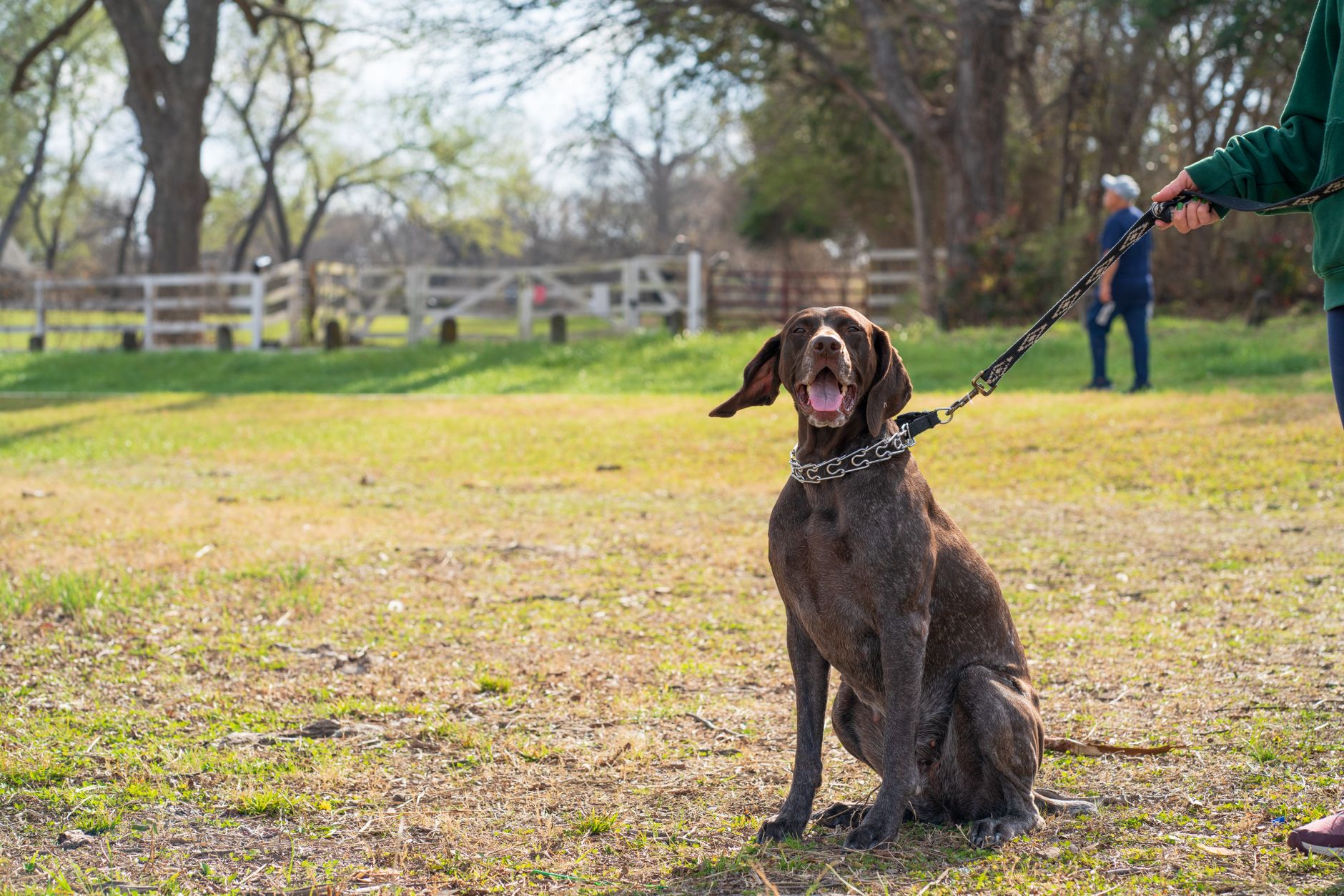
How to Stop a German Shepherd Pulling on the Lead (Step-by-Step)
Tired of being dragged down the street? Here's a realistic, step-by-step positive-reinforcement plan to stop your German Shepherd pulling on the lead — starting today.
Read the guide →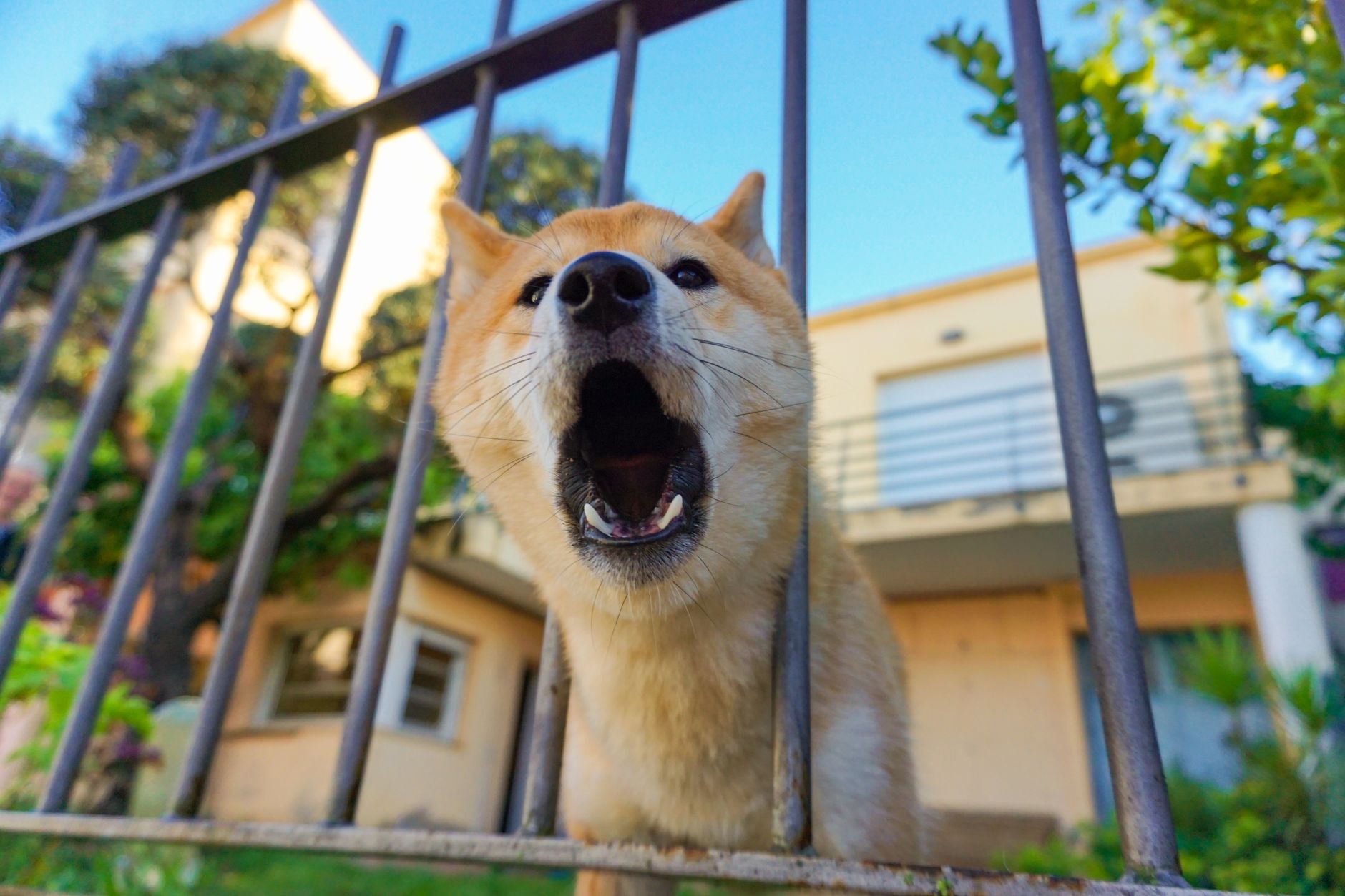
How to Stop a German Shepherd Barking at Strangers (Step-by-Step)
Tired of your German Shepherd barking at strangers? This step-by-step positive-reinforcement plan gives you real fixes, realistic timelines & when to get pro help.
Read the guide →
German Shepherd Separation Anxiety: A Step-by-Step Fix
Struggling with German Shepherd separation anxiety? Get a realistic, step-by-step positive-reinforcement plan, a quick win for today, and honest timelines.
Read the guide →