
Cavoodle Training Guide: A Realistic 8-Week Plan
A realistic, week-by-week cavoodle training plan built around their temperament. Bust the myths, skip the guilt, and see real results in 5–10 min/day.

Written by Bradley Brown
Founder & editor · Reviewed 2026-07-15
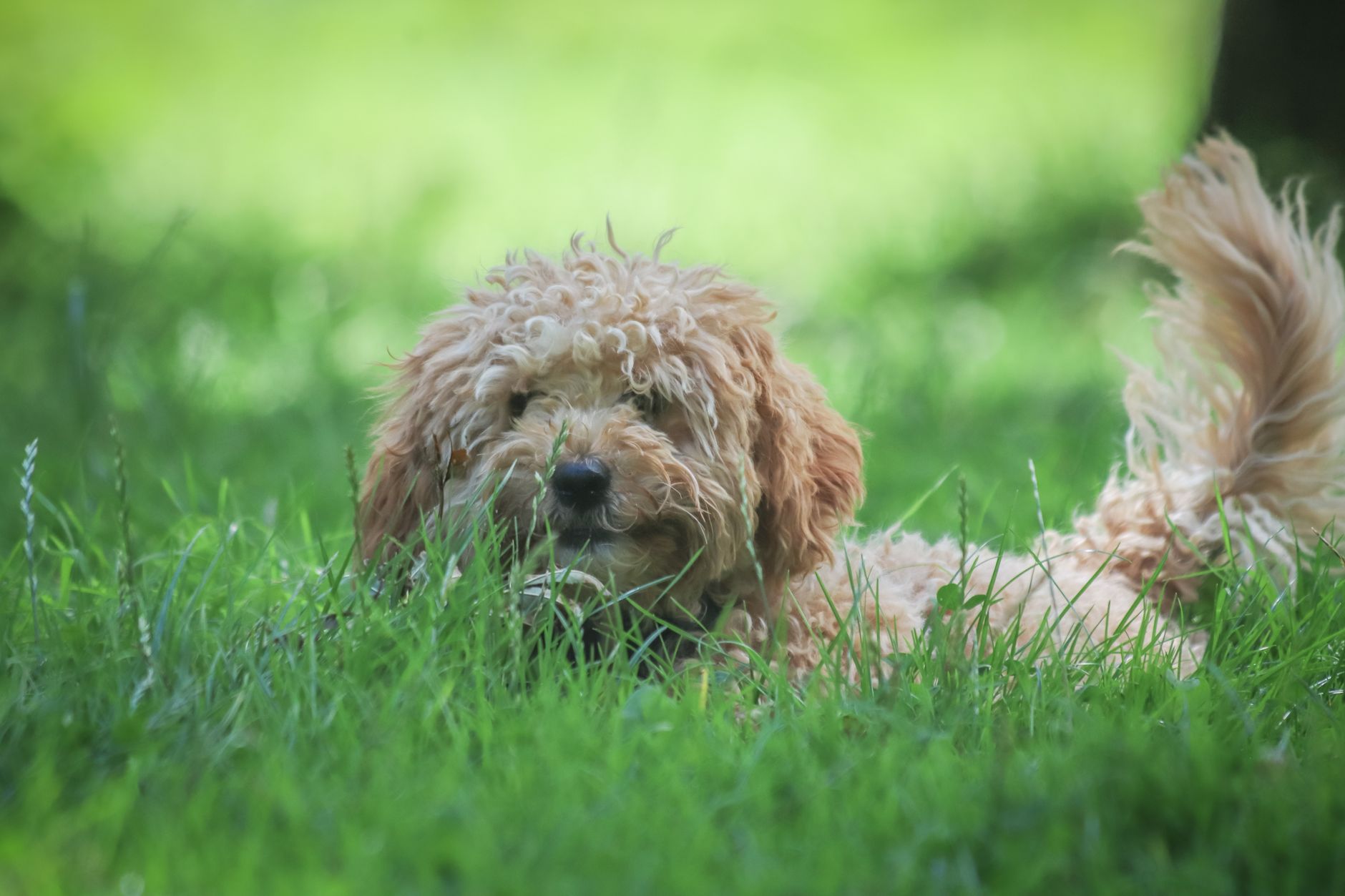
The single worst piece of advice circulating in Cavoodle Facebook groups right now? "They're so smart, they'll pick it up on their own." It sounds like a compliment, but it's a trap. Cavoodles — a cross between a Cavalier King Charles Spaniel and a Poodle — are indeed bright, biddable little dogs. But "smart" without structure doesn't produce a well-mannered dog; it produces a dog who has independently figured out that jumping on guests gets attention, that barking gets the back door opened, and that the lead is optional. Intelligence accelerates whatever learning is happening, good or bad. The plan below is designed for real life: short daily sessions, no specialist equipment, and a temperament-first approach that works with what Cavoodles are actually like.
"You have to establish dominance early or they'll walk all over you"
This one has been around for decades and refuses to die. The dominance framework — the idea that your dog is constantly angling to become "pack leader" and must be corrected into submission — has been thoroughly discredited by modern animal behaviour science. For Cavoodles specifically, it's doubly counterproductive. Cavaliers are bred to be companion dogs; they are emotionally sensitive by design. Harsh corrections don't produce respect; they produce anxiety, and anxious Cavoodles tend to bark more, cling more, and become harder to train, not easier.
Reality: Cavoodles respond exceptionally well to reward-based training. Mark the behaviour you want (a clicker or a sharp "yes!" works fine) and follow it immediately with something the dog values — a small treat, a tug on a toy, genuine praise. You are not bribing your dog into good behaviour; you are giving their sharp brain a clear signal about what earns good things. Consistency matters far more than firmness.
"Socialisation means taking them everywhere from day one"
New puppy arrives, owner reads that the socialisation window closes around 12–16 weeks, panics, and proceeds to drag an under-vaccinated eight-week-old to the farmers' market "for exposure." The puppy is overwhelmed, shuts down or acts out, and the owner concludes the dog has a personality problem.
Reality: Socialisation is about quality of experience, not quantity of environments. A puppy who has three calm, positive encounters with children this week has been better socialised than one who had thirty chaotic ones. For Cavoodles, whose Cavalier heritage makes them sociable but whose individual thresholds vary enormously, the goal is: new thing appears → dog notices → nothing bad happens → dog gets a treat and moves on. That's it. Controlled, brief, positive. Ask your vet about puppy pre-socialisation classes, which are run in sanitised environments before full vaccination is complete.
"Let them sleep in your bed and they'll become velcro dogs who can't cope alone"
This myth conflates two separate issues: sleeping arrangements and separation anxiety. Separation anxiety in Cavoodles is genuinely common — it's worth acknowledging — but it stems from a dog who has never learned that being alone is safe and temporary, not from where they sleep. A dog who sleeps in your bed and has been taught a solid "settle" cue, has been left alone in short increments since puppyhood, and has a stuffed Kong to occupy them, will cope far better than a dog banished to a crate who was never taught the coping skill in the first place.
Reality: Decide on sleeping arrangements based on your own preferences and stick to them consistently. Separately, from week one, practise brief departures: step out of the room, come back before the dog stresses, repeat. Build duration slowly. This is the actual inoculation against separation anxiety — not which side of the bedroom door the dog sleeps on.
The 8-Week Plan (5–10 minutes a day)
This is a framework, not a rigid script. If week three is chaotic because of school holidays or work, repeat it. Cavoodles are forgiving learners.
| Week | Focus | Key Skills |
|---|---|---|
| 1 | Name & attention | Name recognition, eye contact on cue ("watch me") |
| 2 | Foundation manners | Sit, hand targeting (touch) |
| 3 | Impulse control begins | Wait before meals, four paws on floor before greetings |
| 4 | Down & duration | Drop, holding a sit/drop for 5–10 seconds |
| 5 | Loose-lead foundations | Rewarding the dog for walking beside you in the backyard |
| 6 | Recall | "Come" in low-distraction environments, long line practice |
| 7 | Real-world proofing | Practise known cues in new locations; short outings |
| 8 | Consolidation & play | Combine cues, introduce simple tricks (spin, paw), extend off-lead recall |
A note on session length: Cavoodles have excellent focus for a small dog, but ten minutes is genuinely enough at this age. End on a win — ask for something easy right before you finish so the dog (and you) both feel good about it.
What to prioritise if you're starting late
Adopted an adult Cavoodle? Rescue? Got a puppy six months ago and training fell apart? Start at week one of the plan above, regardless of the dog's age. Adult Cavoodles learn quickly once they understand the reward system. The main adjustment: an adult dog may have rehearsed unwanted behaviours for long enough that they're well-ingrained habits. "Sit before dinner" takes three days to teach a puppy; it may take three weeks to override "mug the owner's legs" in a two-year-old. That's normal, and it's not a reflection of anything you've done wrong. Keep sessions short, keep your expectations realistic, and let the repetitions do the work.
If jumping, barking, or lead-pulling is already entrenched, a single session with a certified dog trainer (look for someone accredited through the Pet Professional Guild Australia or Delta Society Australia) is worth far more than months of guessing. One good session pointing you in the right direction is genuinely all most owners need.
As an Amazon Associate we earn from qualifying purchases.
Frequently asked questions
How trainable are Cavoodles compared to other small breeds?
Cavoodles rank among the most trainable small dogs available in Australia. They inherit the Poodle's eagerness to work with humans and the Cavalier's gentle, people-pleasing temperament, which makes reward-based training highly effective. Most owners see reliable sit, drop, and recall within four to six weeks of consistent short sessions.
At what age should I start training my Cavoodle puppy?
The moment your puppy arrives home — typically around eight weeks of age. Puppies are already learning from their environment whether you're intentionally teaching them or not. Starting early with short, positive sessions means you're shaping the behaviour you actually want rather than letting habits form by accident.
My Cavoodle is really food motivated but gets bored of the same treat. What should I use?
Rotate three or four different treats so novelty stays high — small pieces of cooked chicken, cheese, commercial training treats, or even the dog's own kibble in low-distraction settings. Keep treat pieces tiny (pea-sized) so you can do many repetitions without overfeeding. Toy rewards and enthusiastic praise can also be rotated in once the dog understands the game.
Do Cavoodles suffer from separation anxiety and can training fix it?
Separation anxiety is relatively common in the breed due to their companion-dog heritage, but it is not inevitable and is very manageable with the right approach. The key is gradual alone-time training from puppyhood: very short absences that build in duration over weeks, combined with positive departure cues and enrichment like stuffed Kongs. Severe cases benefit from guidance from a vet behaviourist.
How long should training sessions be for a Cavoodle puppy?
Five to ten minutes per session is ideal. Cavoodles have good focus for their size, but short sessions repeated daily outperform one long weekly session every time. Always end while the dog is still engaged and on a successful repetition — this keeps their enthusiasm high for the next session.
Is a Cavoodle easy to toilet train?
Yes, with consistency. The most effective approach is to take your puppy outside immediately after waking, after eating, and after play, then reward them calmly the moment they toilet outdoors. Most Cavoodles are reliably toilet trained by 12–16 weeks with this routine. Accidents indoors should be cleaned with an enzymatic cleaner to remove scent markers — punishment after the fact achieves nothing and slows progress.
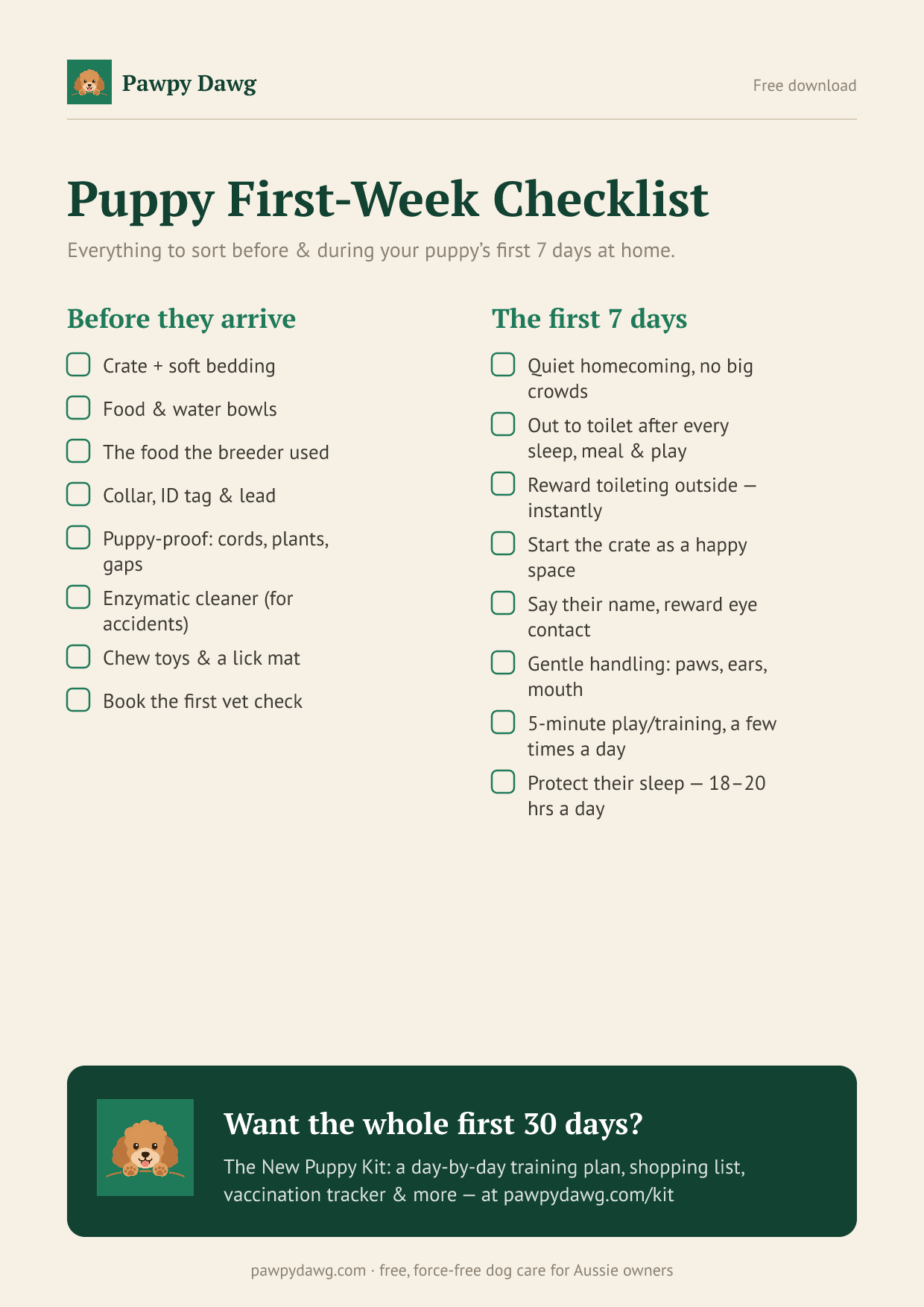
Free printable
Free: the Puppy First-Week Checklist
Everything to sort before and during your puppy's first 7 days home — a printable one-pager. Plus the occasional genuinely useful dog tip. No spam, unsubscribe anytime.
Related guides
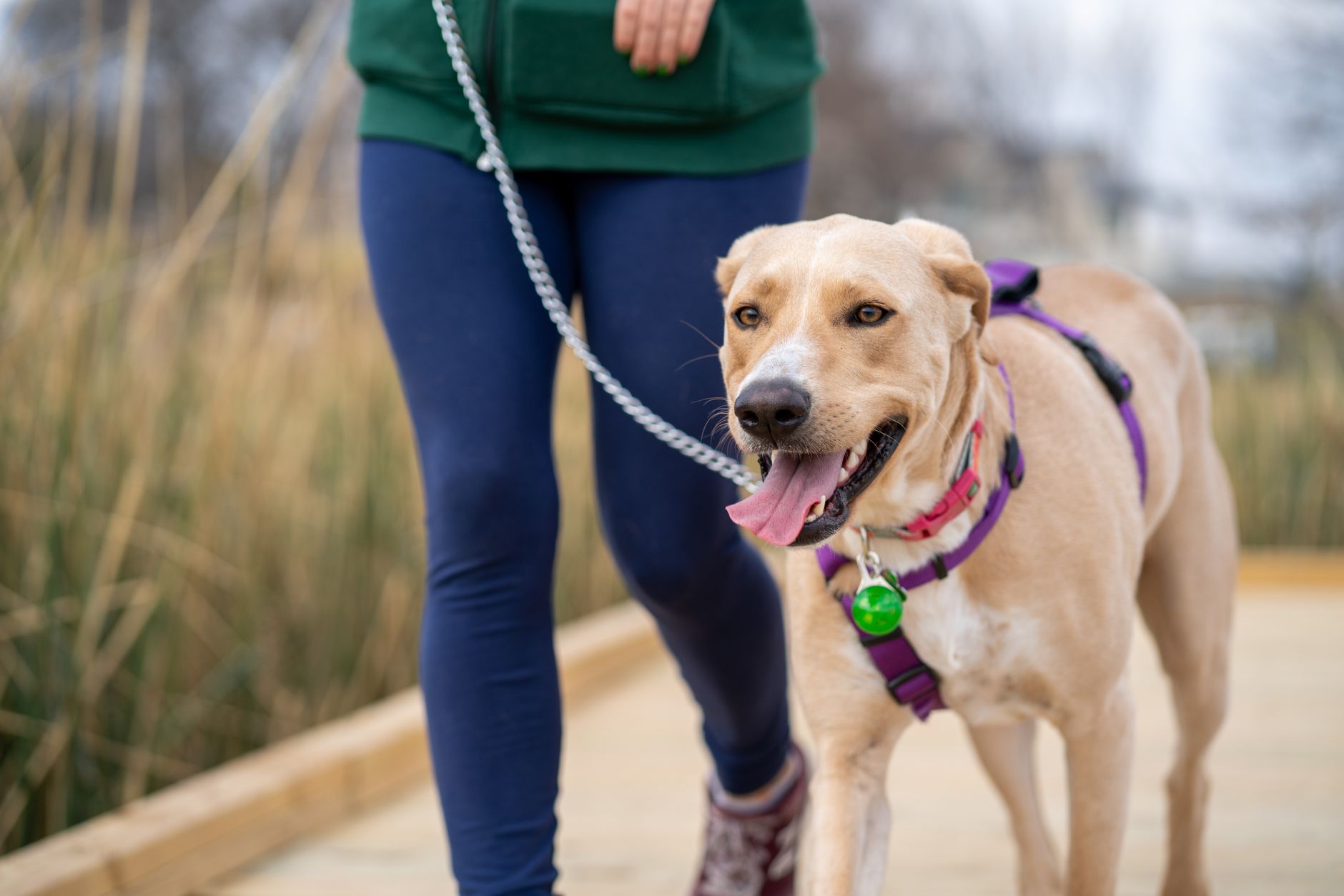
How to Stop a Cavoodle Pulling on the Lead (Step-by-Step)
Is your Cavoodle pulling on the lead? Follow this step-by-step positive reinforcement plan with realistic timelines, common mistakes, and pro tips.
Read the guide →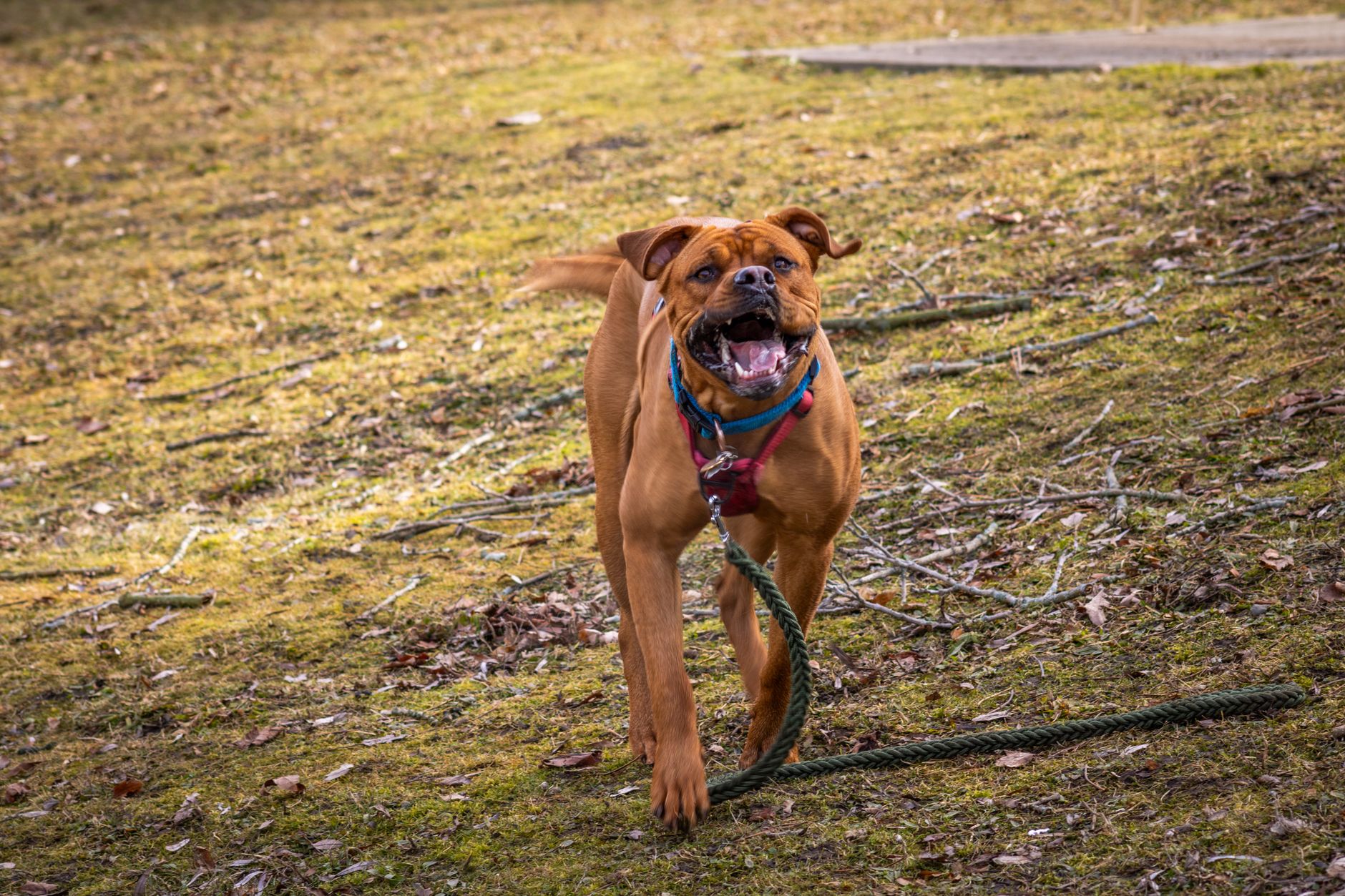
How to Stop a Cavoodle Barking at Strangers (Step-by-Step)
Cavoodle barking at strangers? This step-by-step positive-reinforcement plan covers desensitisation, threshold training, common mistakes, and realistic timelines.
Read the guide →
Cavoodle Separation Anxiety: A Step-by-Step Fix
Cavoodle separation anxiety is common but fixable. Follow this step-by-step positive reinforcement plan with realistic timelines and expert advice.
Read the guide →