
Why Your Cocker Spaniel Barks at Strangers (and How to Turn It Around)
Cocker spaniel barking at strangers? Discover why it happens and get a realistic, positive-reinforcement plan to fix it — in just 5–10 minutes a day.

Written by Bradley Brown
Founder & editor · Reviewed 2026-07-16
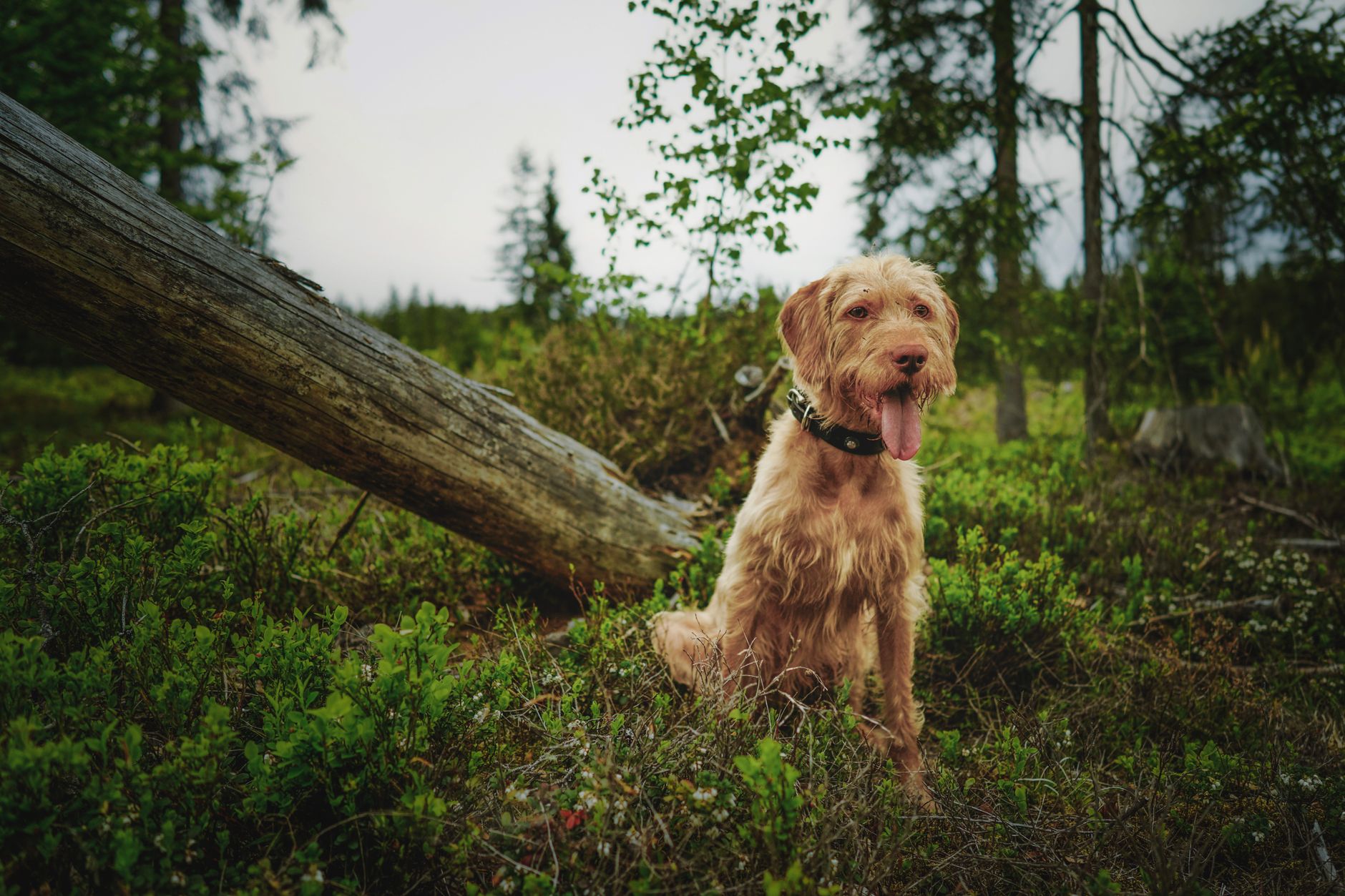
Sarah's golden cocker spaniel, Biscuit, was a dream indoors — gentle, cuddly, always underfoot in the kitchen. But the moment a delivery driver knocked or a neighbour stopped to chat on their morning walk, Biscuit erupted. Frantic, high-pitched barking, lunging at the end of the lead, the full catastrophe. Sarah started crossing the road to avoid people, dreading every trip to the vet. She was convinced she'd somehow broken her dog.
She hadn't. And if Biscuit sounds familiar, neither have you.
What's Actually Going On Inside That Fluffy Head
Cocker spaniels were bred to work closely with one person — flushing birds, taking direction, reading their handler's every move. That intense people-focus is a feature, not a bug. But it also means many cockers develop a strong "my person is mine" instinct, and strangers can read as a genuine threat rather than a neutral blip in the environment.
Cocker spaniel barking at strangers is almost never aggression in the dangerous sense. It's almost always one of two things:
- Fear/anxiety. The dog is genuinely unsettled. Strangers are unpredictable, they move in odd ways, they reach out with their hands. The bark says back off — and if the stranger does back off (which they usually do), the dog learns the bark works brilliantly.
- Alert/excitement. Some cockers bark because their arousal spikes fast and they don't know what to do with the feeling. The bark is almost reflexive — a pressure valve rather than a threat display.
The two look similar from the outside. Fear barkers often hold their body low, tuck their tail, or press behind your legs after barking. Excitement barkers tend to bounce, wag, and recover quickly once the stranger moves on. Knowing which you're dealing with helps you pick the right approach — though the training plan is largely the same.
One more thing worth naming: if Biscuit has always been reactive, this likely started well before adolescence. Cockers that missed varied social experiences during the critical window (roughly 3–12 weeks) are simply more likely to find novelty alarming. That's not a training failure. It's a gap you can still fill.
The Core Skill You're Actually Teaching
You're not teaching your dog to like strangers. You're teaching them that strangers predict good things, and that looking to you — rather than barking — is what earns the reward. The technical term is counter-conditioning paired with an incompatible behaviour. In plain English: stranger appears → dog glances at stranger → dog looks back at you → treat appears. Repeat until the stranger becomes a cue for "oh, good stuff is coming" rather than "sound the alarm."
The critical ingredient is distance. Most owners try to train too close, too fast. At close range your dog is already over threshold — that's the point at which the emotional brain takes over and the thinking brain goes offline. No learning happens there. You want your dog aware of the stranger but still able to take a treat and make eye contact with you. Start further away than feels necessary.
Week by Week: A Realistic Timeline
Week 1–2: Find the edge
Your only job is to figure out how far away from a stranger Biscuit can stand before he starts barking — his threshold distance. For many cockers this is 10–15 metres on a quiet street; on a busy footpath it might be 20. Do short, deliberate sessions of 5 minutes: position yourself at that distance, wait for a stranger to pass, and the moment Biscuit notices them, feed a small, high-value treat (think small pieces of cooked chicken or cheese — not dry kibble). Keep feeding while the stranger is visible. Stop when they're gone. That's it. No commands, no corrections. Let the pattern build quietly.
Week 3–4: Start adding a cue
Once Biscuit is reliably glancing at strangers and then back at you ("you got anything?"), introduce a simple cue — "watch" or "look" — right as a stranger appears, before he can bark. Reward the eye contact generously. You're now actively interrupting the old habit with a new one. Sarah started doing this outside a café near her house, where foot traffic was predictable and she could position herself at a comfortable distance with a coffee in one hand and treats in the other.
Week 5–6: Slowly shrink the gap
Move 1–2 metres closer every few sessions, only if the previous distance was solid. If Biscuit barks, you moved too fast — no drama, just take a step back. Progress isn't linear. A council truck backfiring, a kid on a scooter, a bad night's sleep for your dog — any of these can knock things back temporarily. That's normal, not failure.
Week 7–8 and beyond: Real-world generalisation
Start practising in more varied settings: the vet waiting room, a farmers' market, the footpath outside a school at pick-up time. Environments your dog hasn't trained in will feel new to them even if the skill feels solid to you. Keep sessions short. Keep expectations grounded. Most owners see meaningful improvement within 6–8 weeks of consistent, low-pressure practice.
The Mistakes That Slow Everything Down
Flooding. Forcing your cocker into a busy environment before they're ready — thinking exposure alone will sort it — almost always makes things worse. It raises the emotional temperature rather than lowering it.
Correcting the bark without replacing it. Spray bottles, leash jerks, "No!" — these might suppress the bark in the moment but they don't change how the dog feels about strangers. The anxiety stays; it just comes out differently, sometimes as snapping without warning.
Inconsistency. Doing great training on weekdays and then letting Biscuit rehearse frantic barking at the fence on weekends undoes a lot of good work. Management — baby gates, blocking fence sight lines, moving away before he escalates — isn't cheating. It's part of the plan.
Reassuring in a way that rewards the panic. Soft, soothing talk while your dog is mid-bark can accidentally reinforce the behaviour. Stay calm and matter-of-fact; if your dog checks in with you, that's when the warmth and treats come.
When to Loop in a Professional
If after 8 weeks of consistent work you're not seeing any change, or if your cocker has ever snapped at or made contact with a person, it's worth bringing in a qualified trainer — look for someone who uses reward-based methods and holds credentials from the Delta Society Australia or the PPGA. A vet check is also worthwhile: pain (ear infections are common in cockers, and chronic discomfort lowers the stress threshold) and thyroid imbalances can both amplify reactivity. A single consultation with a vet behaviourist typically runs $250–$450 AUD and can save months of spinning your wheels.
Biscuit, last Sarah mentioned, now lies calmly under her café table while strangers order their flat whites two metres away. He still notices them. He just doesn't feel like he needs to do anything about it anymore. That's the goal — not a robot, just a dog who trusts that the world is mostly fine.
Frequently asked questions
Why does my cocker spaniel bark at strangers but not at people he knows?
Your dog has learned that familiar people are safe and predictable, while strangers are an unknown quantity. Cocker spaniels are especially people-attuned, so novelty can trigger a genuine alarm response. With repeated positive experiences, strangers gradually shift from 'threat' to 'neutral' in your dog's mind.
How long does it take to stop a cocker spaniel barking at strangers?
Most owners see noticeable improvement within 6–8 weeks of consistent, short daily sessions (5–10 minutes). Dogs with a longer history of reactivity or high anxiety may take 3–6 months to reach a reliable baseline. Progress is rarely a straight line — small setbacks are normal and don't mean you're starting from scratch.
Should I tell strangers not to approach my barking cocker spaniel?
Yes — managing your dog's environment is a legitimate part of training, not a failure. Allowing a stranger to approach a dog that's already barking and over threshold simply rehearses the unwanted behaviour. Politely asking people to give your dog space while you work on training is entirely appropriate.
Is my cocker spaniel's barking at strangers a sign of aggression?
In most cases, no. Barking at strangers is usually driven by fear, anxiety, or high arousal rather than true aggression. That said, if your dog has growled intensely, snapped, or made contact with a person, consult a qualified, reward-based trainer or vet behaviourist sooner rather than later.
Can I use a bark collar to stop my cocker spaniel barking at strangers?
Bark collars — including citronella and static versions — suppress the bark without addressing the underlying emotional state, which is usually fear or anxiety. They can increase stress and, in some cases, lead to redirected aggression. Positive-reinforcement counter-conditioning is safer and produces more lasting results.
My cocker spaniel only barks at strangers on walks, not at home. Why?
Outside, your dog has less control over their environment — strangers appear suddenly, distances change, and there's no safe retreat. At home they feel secure and can avoid or ignore what worries them. This on-lead reactivity is very common and responds well to threshold-based counter-conditioning practised specifically in outdoor settings.
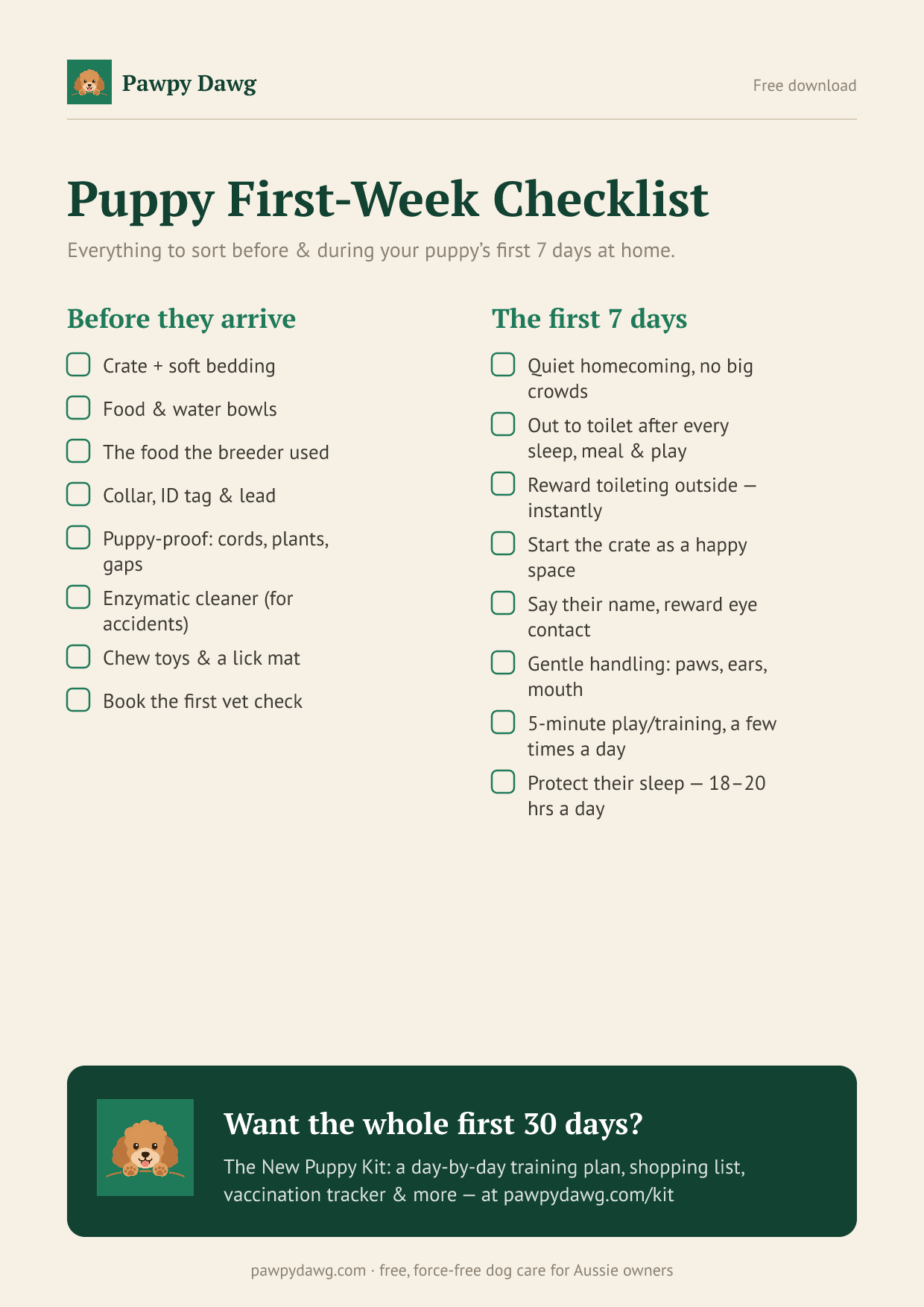
Free printable
Free: the Puppy First-Week Checklist
Everything to sort before and during your puppy's first 7 days home — a printable one-pager. Plus the occasional genuinely useful dog tip. No spam, unsubscribe anytime.
Related guides
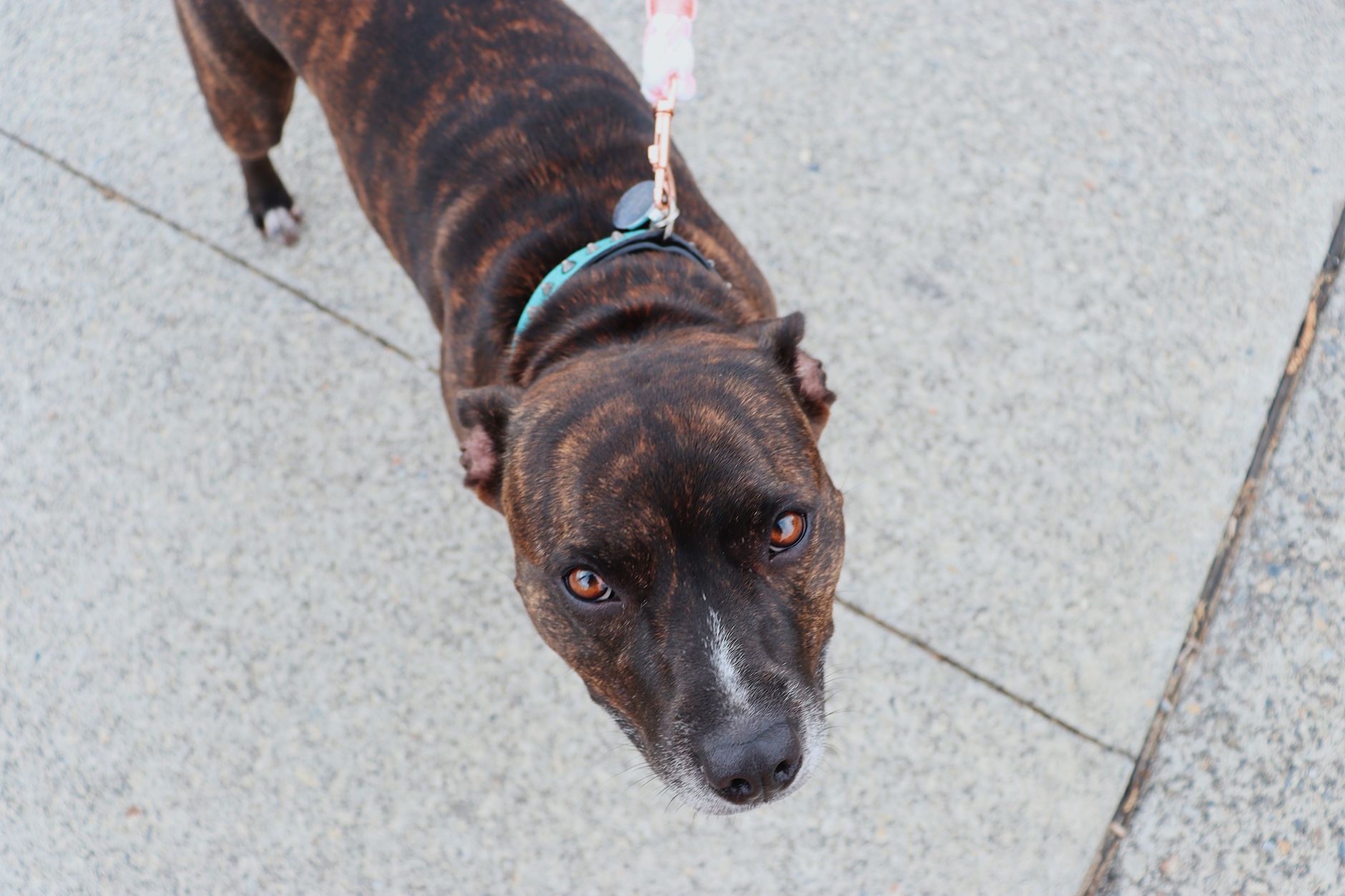
Stop Your Cocker Spaniel Pulling on the Lead — the Calm, Force-Free Way
Tired of being dragged around the block? Fix cocker spaniel pulling on the lead with this calm, force-free plan — realistic timelines, common mistakes & pro tips.
Read the guide →
Cocker Spaniel Separation Anxiety: Why It Happens and What Actually Works
Cocker spaniel separation anxiety is common and fixable. Get a vet-aligned, positive-reinforcement plan with realistic timelines, mistakes to avoid, and pro help signs.
Read the guide →