
Cocker Spaniel Separation Anxiety: Why It Happens and What Actually Works
Cocker spaniel separation anxiety is common and fixable. Get a vet-aligned, positive-reinforcement plan with realistic timelines, mistakes to avoid, and pro help signs.

Written by Bradley Brown
Founder & editor · Reviewed 2026-07-16

Mel works from the office three days a week, and every time she grabs her keys, Biscuit — her four-year-old golden Cocker Spaniel — starts panting and pacing. The neighbours have mentioned barking. Last week, Mel came home to a chewed skirting board and a puddle by the front door. She's started leaving the TV on, cutting her lunch breaks short, and feeling guilty every time she walks out the door. She's convinced she's done something wrong.
She hasn't. And Biscuit isn't broken.
Why Cocker Spaniels Feel This So Hard
Cocker Spaniels were bred to work close to a human handler — flushing birds within gunshot range, always in sight, always in contact. That cooperative, people-focused temperament is exactly what makes them such affectionate companions. It also makes them genuinely more susceptible to distress when left alone than, say, a more independent breed like a Basenji or a Greyhound.
Cocker spaniel separation anxiety isn't a training failure. It's a mismatch between a dog built for constant human proximity and a modern lifestyle that requires solo time. The dog isn't being manipulative or spiteful — they're experiencing real physiological stress: elevated cortisol, increased heart rate, and a strong urge to escape or vocalise. Destruction and toileting accidents are symptoms, not naughtiness.
What tends to make it worse:
- Abrupt schedule changes (a new job, a baby, returning to the office post-lockdown)
- Overly intense greetings and goodbyes, which teach the dog that your departures are emotionally significant events
- Under-stimulation — a bored Cocker has more mental bandwidth to catastrophise your absence
- Inadvertent reinforcement, like returning home the moment barking starts
If Biscuit's behaviour sounds familiar, you're in good company. Many Cocker owners hit this wall at some point. The good news: it responds well to a structured, patient approach.
What You're Actually Training
The goal isn't to teach Biscuit to "be good" while you're gone. It's to change her emotional response to being alone — from panic to neutral. That's a process called systematic desensitisation combined with counter-conditioning, and it's the approach backed by veterinary behaviourists worldwide.
In plain terms: you build alone-time in tiny increments, keeping Biscuit under her stress threshold the whole time, so she never practises the full panic cycle. Pair each departure with something good, and repeat until "you leaving" predicts "something pleasant happens" rather than "disaster is coming."
This takes weeks, not days. That's normal.
The Plan, Week by Week
Weeks 1–2: Pre-departure desensitisation
Right now, Biscuit probably reacts to cues before you've even left — the keys, the bag, the shoes. Start disrupting those associations. Pick up your keys, then sit back down and watch TV. Put your shoes on, make a coffee, take them off. Do this multiple times a day, in two-to-three-minute sessions. No fuss, no talking to Biscuit about it. You're just draining the meaning from the signals.
At the same time, introduce a high-value "departure treat" — a frozen stuffed Kong, a lick mat loaded with peanut butter (xylitol-free), or a chew she only gets when you leave. Present it, step outside for 10 seconds, come back in calmly. Repeat. Build to 30 seconds, then a minute.
Weeks 3–4: Building real alone time
Now you're extending absences — two minutes, five, ten — always returning before Biscuit shows distress. A cheap pet camera (around $40–$80 AUD) is genuinely useful here. Watch the footage. Are her ears back? Is she pacing? That means you've moved too fast. Drop back to a duration she was comfortable with and rebuild.
Keep departures and arrivals completely low-key. No long cuddles before you go, no excited greetings when you return. Wait until Biscuit is calm, then give her a quiet pat. This isn't coldness — it's reducing the contrast between "you're here" and "you're gone."
This is also the time to build a solid "place" or "settle" behaviour on a bed or mat. A dog who has a clear, reinforced resting spot has somewhere to go when the pressure of watching the door becomes too much.
Weeks 5–8: Generalising and stretching
Biscuit can now handle 20–30 minutes alone without distress. Gradually push to an hour, then two. Vary your return times so she can't predict exactly when you'll be back. Continue the departure treat every single time — indefinitely, ideally. It keeps the positive association fresh.
Factor in daily mental and physical exercise. A 20-minute sniff walk (let her nose lead) before you leave burns more mental energy than a fast 40-minute trot. Cocker Spaniels have a magnificent nose — use it. Scatter feeding, hide-and-seek with kibble, and puzzle feeders all reduce the baseline anxiety Biscuit brings to the alone-time challenge.
The Mistakes That Stall Progress
Moving too fast is the most common one. Owners feel guilty and rush to eight-hour absences before the dog is ready. You end up back at square one — or worse, because the dog has now practised a full panic episode.
Punishment — raised voices, squirt bottles, anything aversive — increases anxiety. It doesn't teach Biscuit to feel safe; it teaches her the world is also dangerous when you're home.
Relying only on management without doing the training. Doggy daycare, a dog walker, or a trusted neighbour are all valid bridges while you work through the plan — but they're not a cure. Biscuit still needs to learn that alone time is survivable.
When to Bring in Professional Help
Some dogs — particularly those who've had multiple homes, early trauma, or a genetic predisposition — need more than a DIY plan. Bring in a professional if:
- Biscuit is injuring herself trying to escape (scratched paws, broken nails, damaged teeth from chewing)
- She won't eat her departure treat at all, even after two weeks
- There's no improvement after six to eight weeks of consistent work
- You genuinely can't reduce absences during the training period
Look for a trainer who uses reward-based methods and holds qualifications from a recognised body like the PPGA (Pet Professional Guild Australia) or NDTF. If the behaviour is severe, your vet can refer you to a veterinary behaviourist, and short-term anti-anxiety medication is sometimes appropriate — it doesn't sedate the dog, it just lowers the baseline stress enough for training to stick.
Where Biscuit Will Be in Two Months
If Mel works the plan consistently — five to ten minutes of training most days, camera checks, low-key exits — Biscuit will be able to settle for a full workday within eight to twelve weeks. Not because she's been forced into it, but because she's genuinely learned that being alone is fine, even a little pleasant (frozen Kong time, after all). The chewed skirting board will be a distant memory, and Mel can grab her keys without a guilt spiral.
That's a realistic outcome. It just requires patience, consistency, and trusting that small steps actually add up.
As an Amazon Associate we earn from qualifying purchases.
Frequently asked questions
How long does it take to treat cocker spaniel separation anxiety?
Most owners see meaningful improvement within six to eight weeks of consistent desensitisation work, with full improvement — including tolerance of a standard workday — often reached by week ten to twelve. Progress depends heavily on not rushing the early steps and keeping each training session under your dog's stress threshold. Dogs with more severe anxiety or a history of trauma may take longer and benefit from professional support.
Is it okay to crate a Cocker Spaniel with separation anxiety?
A crate can help some dogs feel secure, but for a dog already experiencing separation anxiety it can make things significantly worse by adding confinement stress on top of isolation distress. If you want to use a crate, it needs to be introduced gradually and positively — never as an immediate solution to the problem. Many Cocker Spaniels do better with access to a small, dog-proofed room instead.
Can separation anxiety in Cocker Spaniels be cured completely?
Many dogs reach a point where they're genuinely comfortable being left alone for normal periods, which most owners would call a cure. Some individuals — particularly those with a strong genetic predisposition — will always need ongoing management like a departure treat or regular exercise before alone time. The goal is a dog whose daily quality of life is not affected, and that's absolutely achievable for the majority of Cocker Spaniels.
Should I get a second dog to help my Cocker Spaniel's separation anxiety?
This is a tempting idea but it often doesn't work: a dog experiencing true separation anxiety is distressed by the absence of their human, not just by being alone, so a canine companion frequently doesn't resolve the problem. A second dog also doubles your costs and responsibility, and can develop anxiety of its own. Address the existing anxiety first before considering adding another pet.
Do calming products like pheromone diffusers or anxiety wraps actually help?
Products like Adaptil (a synthetic dog-appeasing pheromone diffuser) have some evidence behind them for mild to moderate anxiety and can be a useful complement to a training plan. Anxiety wraps such as Thundershirts work well for some dogs but not others. Neither product is a standalone solution — they're most effective when used alongside systematic desensitisation, not instead of it.
What's the difference between separation anxiety and boredom in a Cocker Spaniel?
A bored dog typically causes damage shortly after you leave but then settles — you'll often see this on camera footage as a burst of activity followed by rest. A dog with separation anxiety remains distressed for longer periods, may pace, pant, vocalise, or fail to settle at all. Boredom responds well to enrichment and exercise alone; separation anxiety requires the structured desensitisation approach described above.
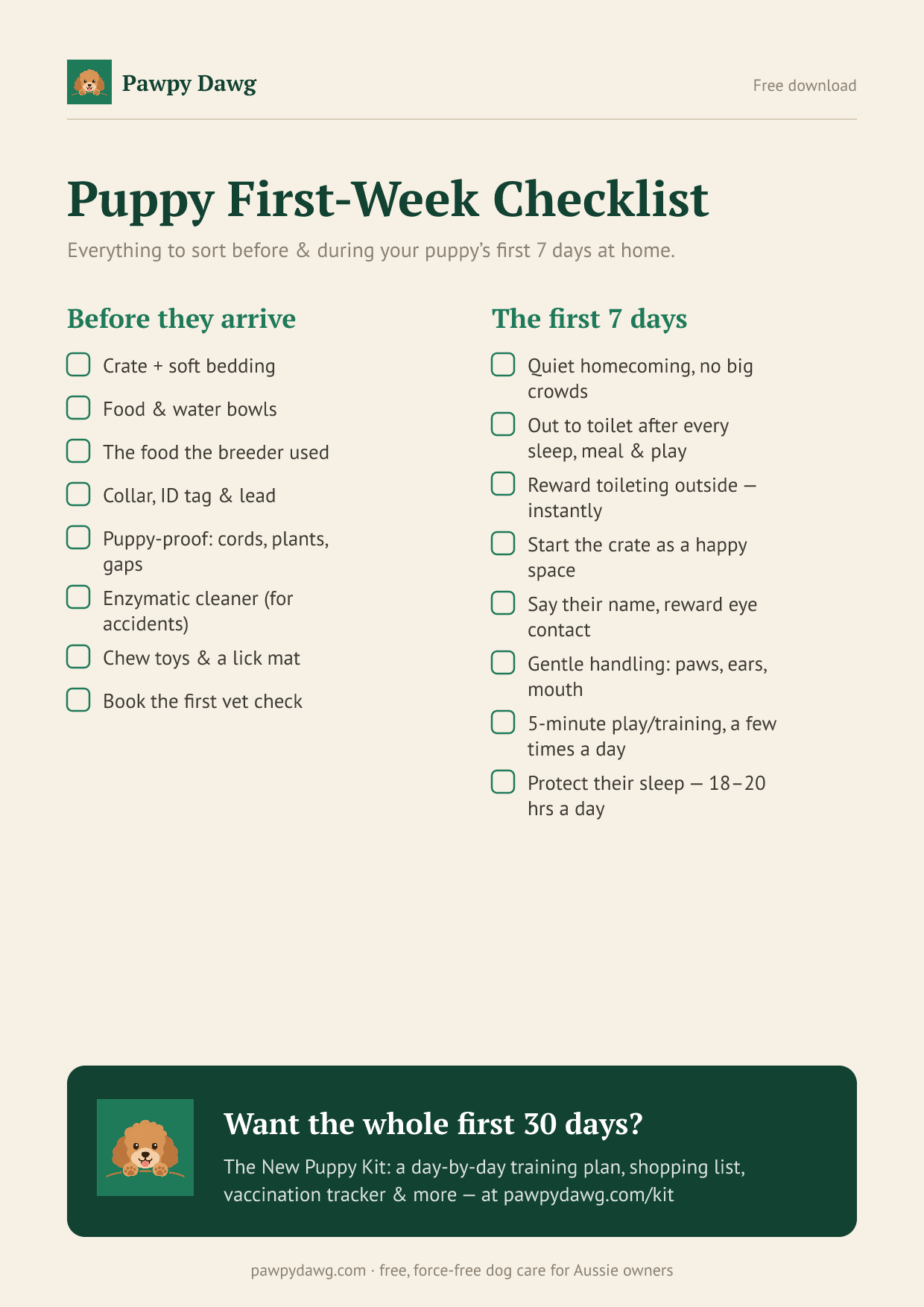
Free printable
Free: the Puppy First-Week Checklist
Everything to sort before and during your puppy's first 7 days home — a printable one-pager. Plus the occasional genuinely useful dog tip. No spam, unsubscribe anytime.
Related guides
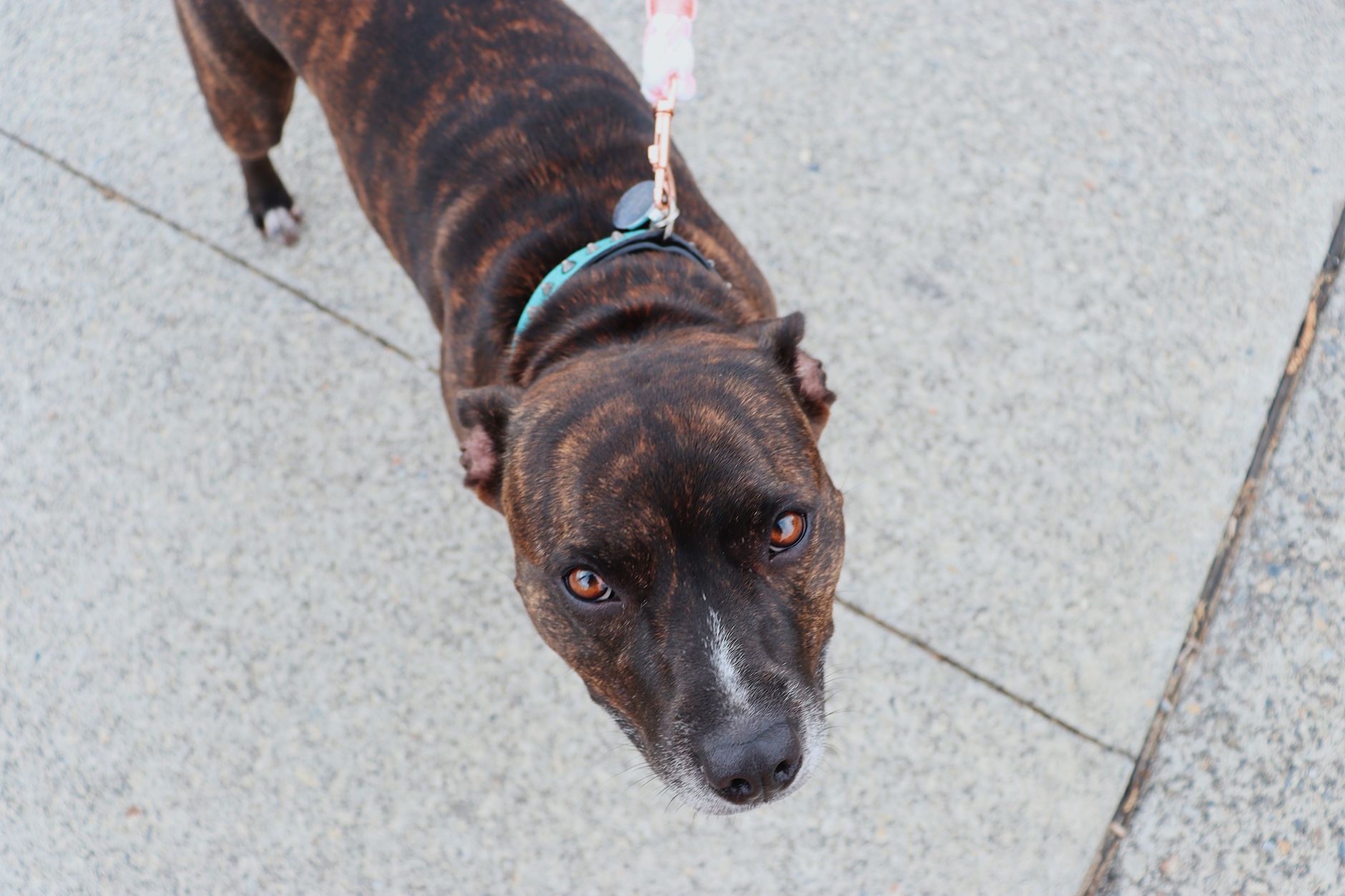
Stop Your Cocker Spaniel Pulling on the Lead — the Calm, Force-Free Way
Tired of being dragged around the block? Fix cocker spaniel pulling on the lead with this calm, force-free plan — realistic timelines, common mistakes & pro tips.
Read the guide →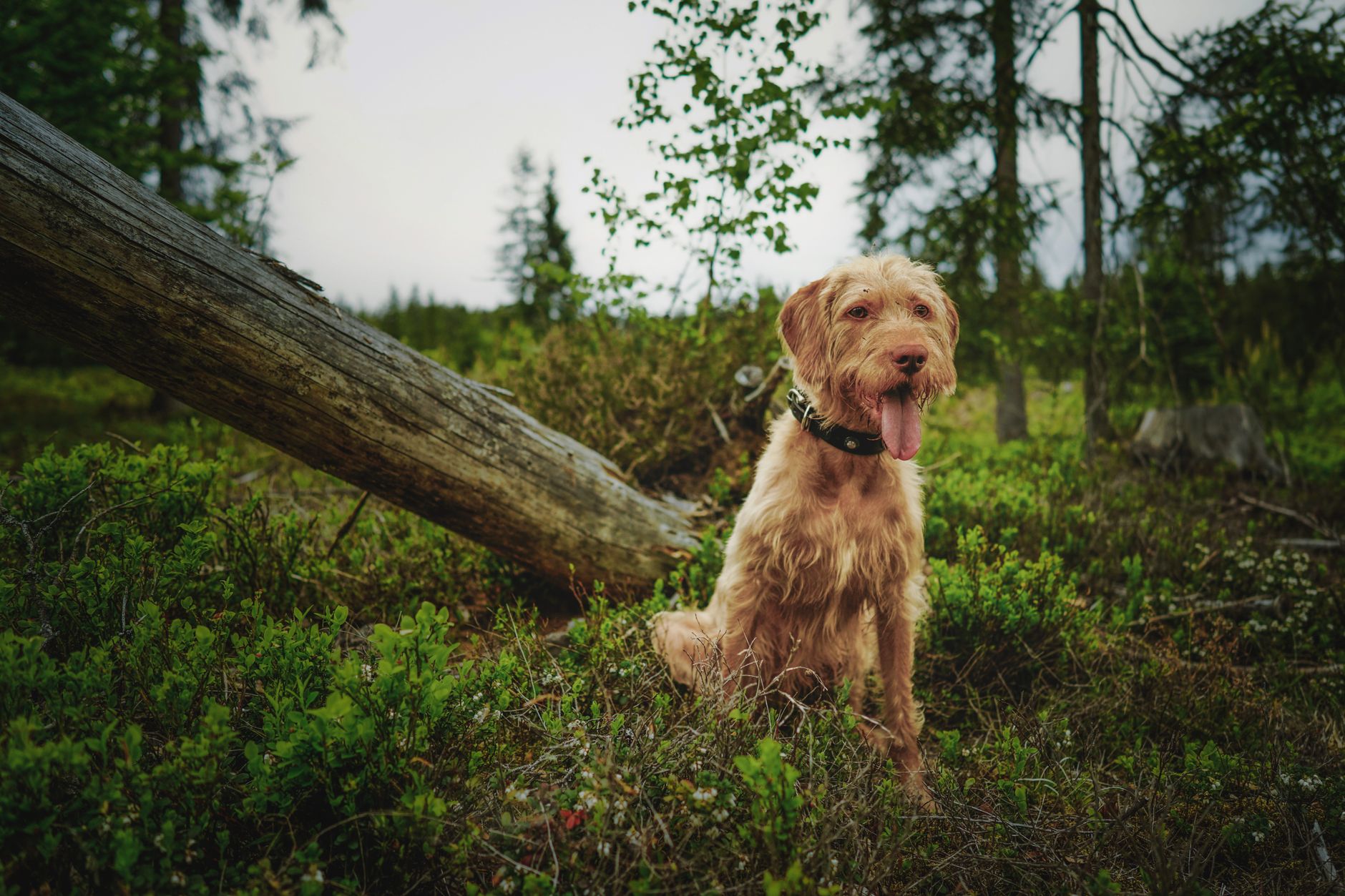
Why Your Cocker Spaniel Barks at Strangers (and How to Turn It Around)
Cocker spaniel barking at strangers? Discover why it happens and get a realistic, positive-reinforcement plan to fix it — in just 5–10 minutes a day.
Read the guide →