
Stop Your Cocker Spaniel Pulling on the Lead — the Calm, Force-Free Way
Tired of being dragged around the block? Fix cocker spaniel pulling on the lead with this calm, force-free plan — realistic timelines, common mistakes & pro tips.

Written by Bradley Brown
Founder & editor · Reviewed 2026-07-15
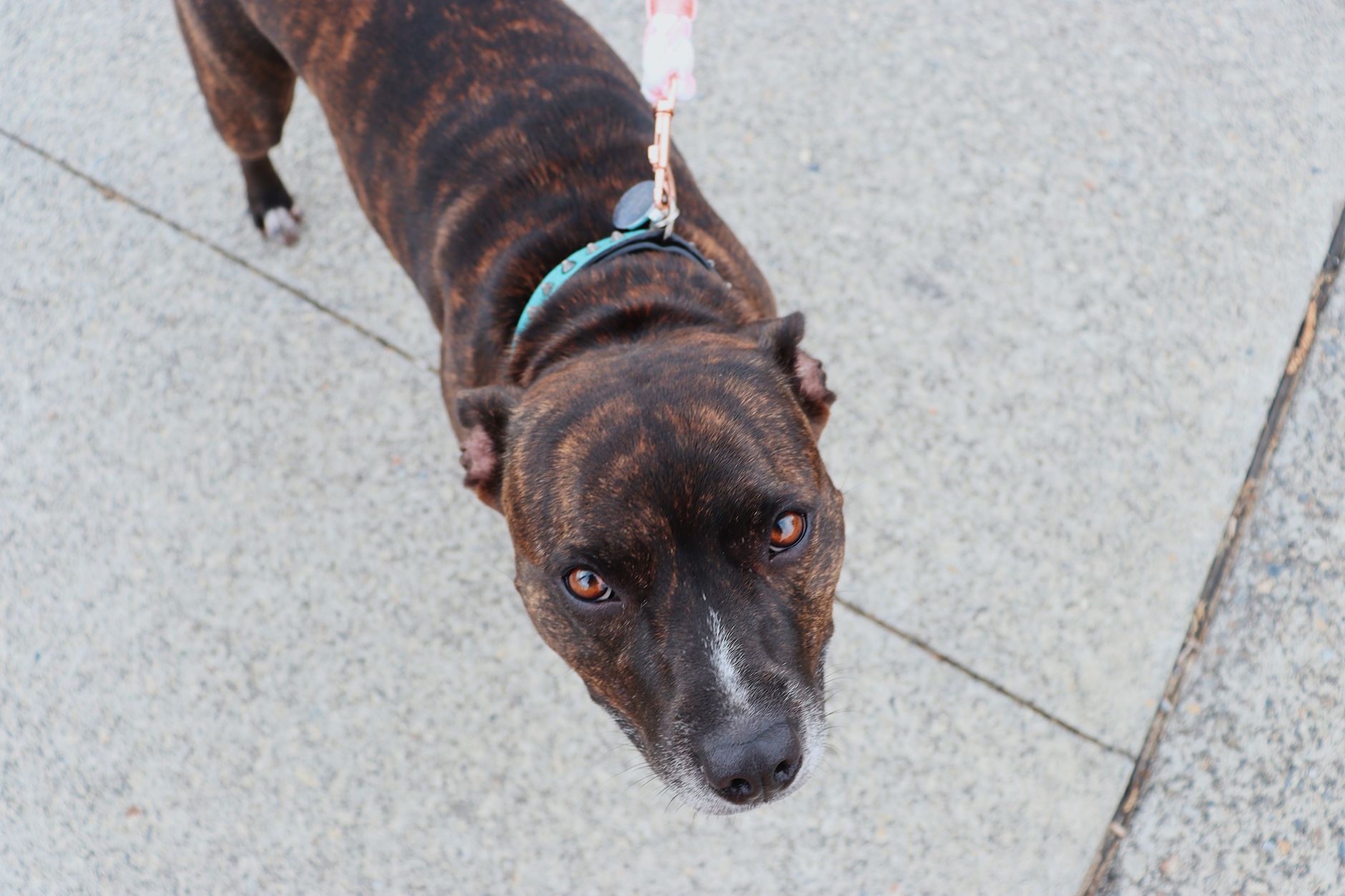
The most common advice you'll hear about a cocker spaniel pulling on the lead is this: "Just stop walking the moment they pull and wait."
It sounds logical. It even works — eventually — for some dogs. But for the average cocker spaniel, a breed that runs on enthusiasm, scent-driven curiosity, and an almost bottomless appetite for stimulation, pure stop-and-wait turns every walk into a ten-minute standoff on the footpath. You end up frustrated, your dog ends up confused, and neither of you gets anywhere — literally. Owners give up, decide their dog is "too stubborn," and the pulling gets worse because the dog has learned that yanking hard enough does, eventually, get them moving again.
There's a better way. It starts with understanding what's actually happening in your spaniel's head.
"He pulls because he's dominant and trying to control me"
This one has hung around since the 1970s and it needs to go. Dominance theory — the idea that your dog is constantly scheming to outrank you — has been repeatedly discredited by animal behaviour researchers, including the scientist whose wolf-pack studies originally inspired it.
Your cocker spaniel pulls on the lead because pulling has worked. Every time they lunged toward that interesting smell and you followed, the behaviour was reinforced. They're not trying to be the boss; they're doing what dogs do — following their nose and going where the good stuff is. Cockerspaniels in particular were bred to quarter ground enthusiastically ahead of a hunter. A taut lead is practically in their DNA.
What to do instead: Treat loose-lead walking as a skill you're teaching from scratch, not a battle of wills you need to win. Your dog isn't being defiant — they just haven't been shown, clearly and consistently, that staying near you pays better than charging ahead.
"A slip chain (choke chain) or prong collar will fix it fast"
Aversive equipment can suppress pulling in the short term, but the research on outcomes is not flattering. A 2021 study published in Frontiers in Veterinary Science found that dogs trained with aversive collars showed significantly higher stress indicators and no better long-term loose-lead results than those trained with reward-based methods.
For cocker spaniels — a breed already prone to anxiety — corrections that cause discomfort or startle can tip a nervous dog toward reactivity or shutdown. You may stop the pulling and accidentally create a dog who barks at strangers or refuses to walk at all. That's a much harder problem to fix.
A well-fitted no-pull harness (front-clip style, such as the Halti or Ruffwear Front Range) is a useful management tool while you train, not a training solution by itself. It reduces the mechanical advantage your dog gets from pulling without causing pain, which gives you a calmer starting point for teaching.
"You have to do long training sessions to make real progress"
This is the myth that kills most people's good intentions. Life is busy. If loose-lead training requires a 45-minute commitment, it won't happen consistently — and consistency is everything.
The reality: five to ten minutes a day, done reliably, beats one-hour weekend sessions every time. Dogs learn through repetition spaced over days, not through marathon drilling. Short sessions also keep your spaniel's attention sharp; once a cocker gets bored or overstimulated, their nose takes over and you've lost them.
A practical five-minute structure:
- Start in low-distraction zones. Your backyard or a quiet side street, not the dog park. Cockerspaniels are scent hounds at heart — an interesting environment will hijack their attention entirely until the skill is solid.
- Mark and reward the moment the lead goes slack. Use a clicker or a crisp "yes!" the instant your dog is beside you with a loose lead, then deliver a small, high-value treat (think small cubes of cooked chicken or cheese, roughly 1 cm). Timing is everything — you're marking the position, not the walking.
- Change direction before the lead goes tight. Rather than waiting for the pull and then stopping, turn away the moment you feel the lead begin to tighten. Your dog learns that staying with you is how they get where they want to go.
- Build duration slowly. Aim for three to five steps with a loose lead before treating. Once that's reliable, stretch to ten steps, then twenty. This is where most owners rush — adding distance too quickly and losing the behaviour they just built.
Expect four to eight weeks of consistent daily practice before loose-lead walking feels natural in moderately distracting environments. That's not a failure timeline; it's a realistic one for a breed with a strong working drive. Anything sold as a three-day fix is selling you something.
"My dog knows how to walk nicely — he just chooses not to"
This is owner guilt talking, and it's worth addressing directly: your dog is not being spiteful. Dogs don't generalise skills the way humans do. A spaniel who walks beautifully in the backyard genuinely does not know yet that the same rules apply on a busy footpath with a bin truck rumbling past and a Labrador across the road.
Generalisation has to be taught deliberately, one environment at a time. Once your dog is solid at home, move to a quiet street. Then a slightly busier one. Then the local shops on a weekday morning. Each location is essentially a new lesson — your dog needs a few repetitions to understand that "loose lead = rewards" applies here too.
If you've been working consistently for eight or more weeks and still can't walk a full block without being hauled, it's worth booking a single session with a qualified, force-free trainer. Look for someone accredited through the Pet Professional Guild Australia or the Delta Society. One consultation — often $80–$150 AUD — can identify exactly where the breakdown is happening and save months of frustration.
What this actually looks like day to day
Keep your training treats in a pouch you clip on before every walk — the act of putting it on becomes a cue that focus-and-rewards mode is starting. Start each walk with thirty seconds in the driveway just practising attention: ask your dog to look at you, reward, then step off. That micro-warm-up settles a spaniel's brain before the exciting smells of the street hit them.
Be patient with scent stops. Letting your dog sniff a lamp post for thirty seconds isn't a failure of discipline — it's enrichment, and a sniffed-out dog is a calmer dog. You can even use sniff time as a reward: "loose lead gets you to the interesting smell."
Cocker spaniel pulling on the lead is one of the most common complaints trainers hear, and one of the most consistently solved — not because the dogs are easy, but because they're food-motivated, people-oriented, and genuinely keen to work with you once they understand what you're asking. Give them that clarity, and the change is usually faster than you expect.
As an Amazon Associate we earn from qualifying purchases.
Frequently asked questions
How long does it take to stop a cocker spaniel pulling on the lead?
Most owners see meaningful improvement within four to eight weeks of five-to-ten-minute daily training sessions. Cockerspaniels are smart and food-motivated, which helps — but they also have a strong scenting drive that means you'll need to gradually proof the behaviour across different environments before it's truly reliable.
What's the best harness for a cocker spaniel that pulls?
A front-clip no-pull harness — such as the Halti No Pull Harness or the Ruffwear Front Range — is a solid management choice. The front attachment point steers your dog back toward you when they lunge, reducing the pulling force without causing discomfort. It's a management tool, though, not a substitute for training.
Should I use a retractable lead while I'm training?
No — retractable leads teach dogs that pulling creates more length, which is the opposite of what you're trying to build. Use a standard flat lead of around 1.5 to 1.8 metres while you're working on loose-lead skills. Once the behaviour is solid, you can use a long-line in appropriate open spaces for sniff time.
My cocker spaniel only pulls toward other dogs — is that a different problem?
It can be. Pulling specifically toward other dogs may indicate over-excitement or early-stage reactivity rather than simple loose-lead issues. The foundation training is the same, but you'll also need to work on 'look at that' exercises to help your dog stay calm when other dogs appear. A force-free trainer can help if it's intense.
Is a head halter (like a Gentle Leader) a good option for cockerspaniels?
Head halters work well for some dogs but need careful introduction — most dogs find them uncomfortable at first and will paw at their face. Spend a week or two conditioning your spaniel to the halter with treats before attaching the lead. They're particularly useful for dogs who are strong enough to knock over their owner, but a front-clip harness is usually the easier starting point.
When should I see a professional dog trainer for lead pulling?
If you've been training consistently for six to eight weeks with no meaningful improvement, or if your dog's pulling is accompanied by lunging, barking, or growling at triggers, book a session with a force-free trainer. Look for someone accredited through the Pet Professional Guild Australia or Delta Society. One targeted session (typically $80–$150 AUD) can identify what's going wrong and save a lot of time.
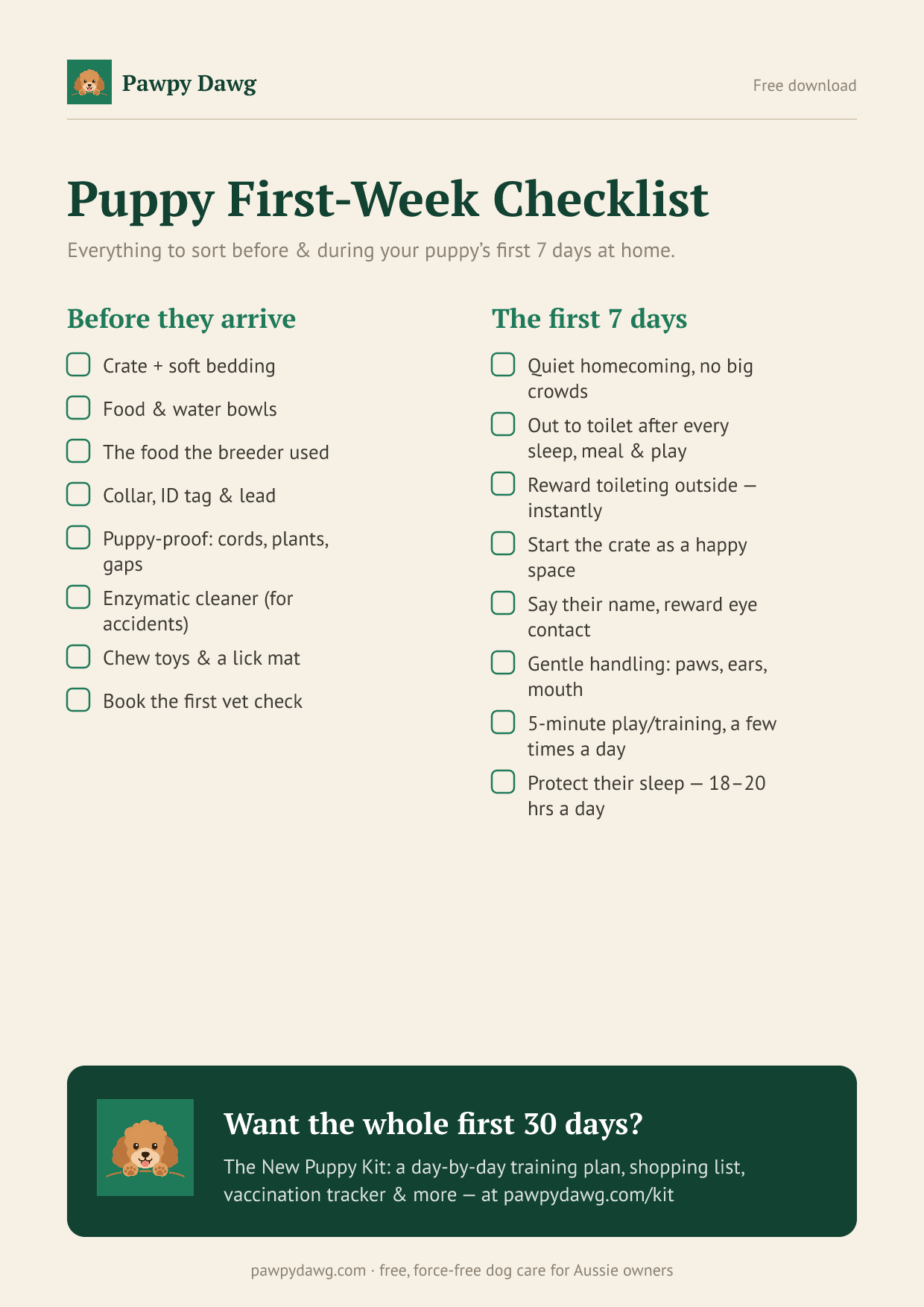
Free printable
Free: the Puppy First-Week Checklist
Everything to sort before and during your puppy's first 7 days home — a printable one-pager. Plus the occasional genuinely useful dog tip. No spam, unsubscribe anytime.
Related guides
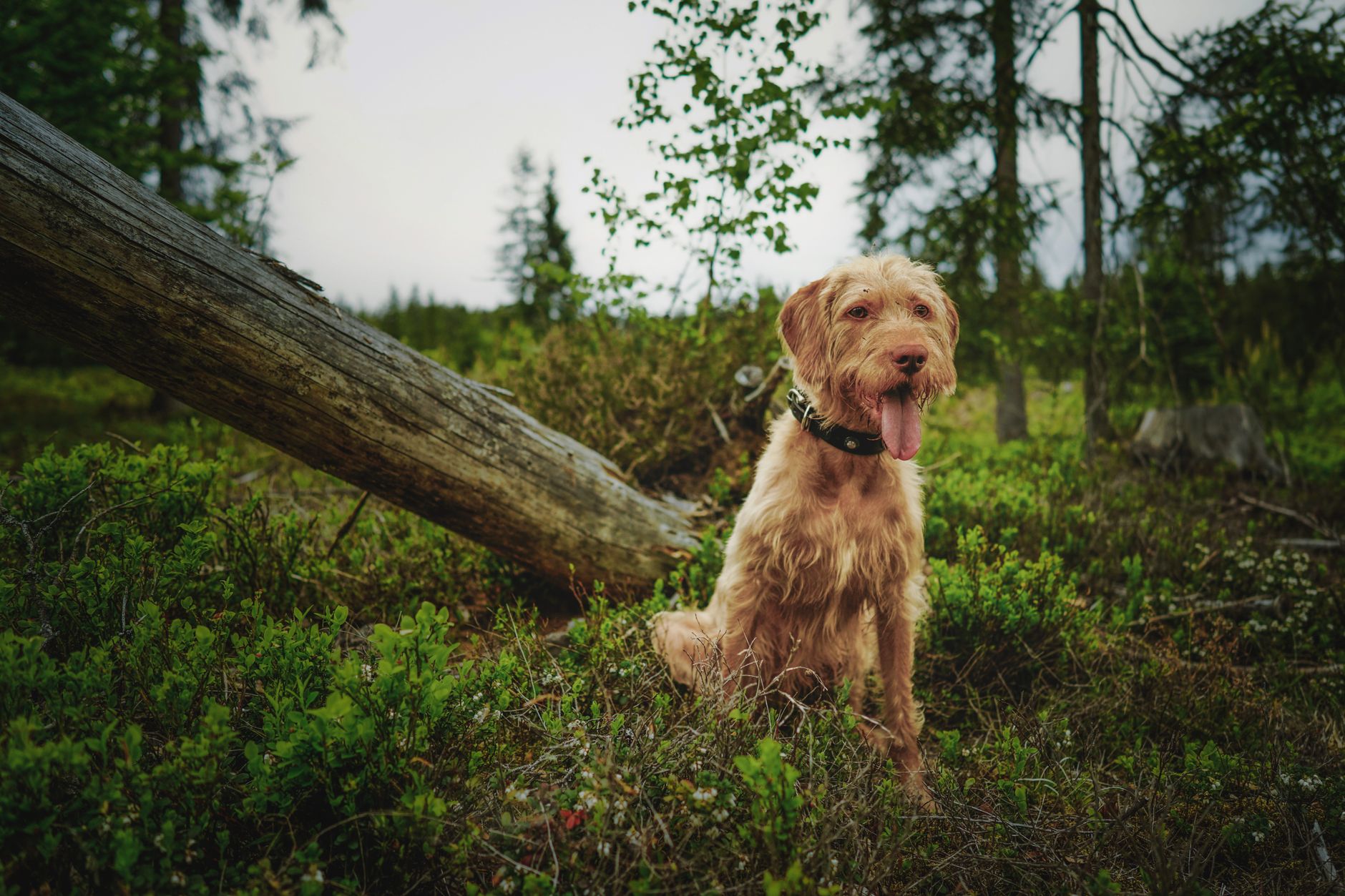
Why Your Cocker Spaniel Barks at Strangers (and How to Turn It Around)
Cocker spaniel barking at strangers? Discover why it happens and get a realistic, positive-reinforcement plan to fix it — in just 5–10 minutes a day.
Read the guide →
Cocker Spaniel Separation Anxiety: Why It Happens and What Actually Works
Cocker spaniel separation anxiety is common and fixable. Get a vet-aligned, positive-reinforcement plan with realistic timelines, mistakes to avoid, and pro help signs.
Read the guide →