
Vet Visit Anxiety: Making Vet Trips Less Stressful for Your Dog
Is your dog scared of the vet? Here's an honest guide to home handling practice, happy visits, low-stress clinics, and pre-visit meds — with a clear recommendation.

Written by Bradley Brown
Founder & editor · Reviewed 2026-11-15
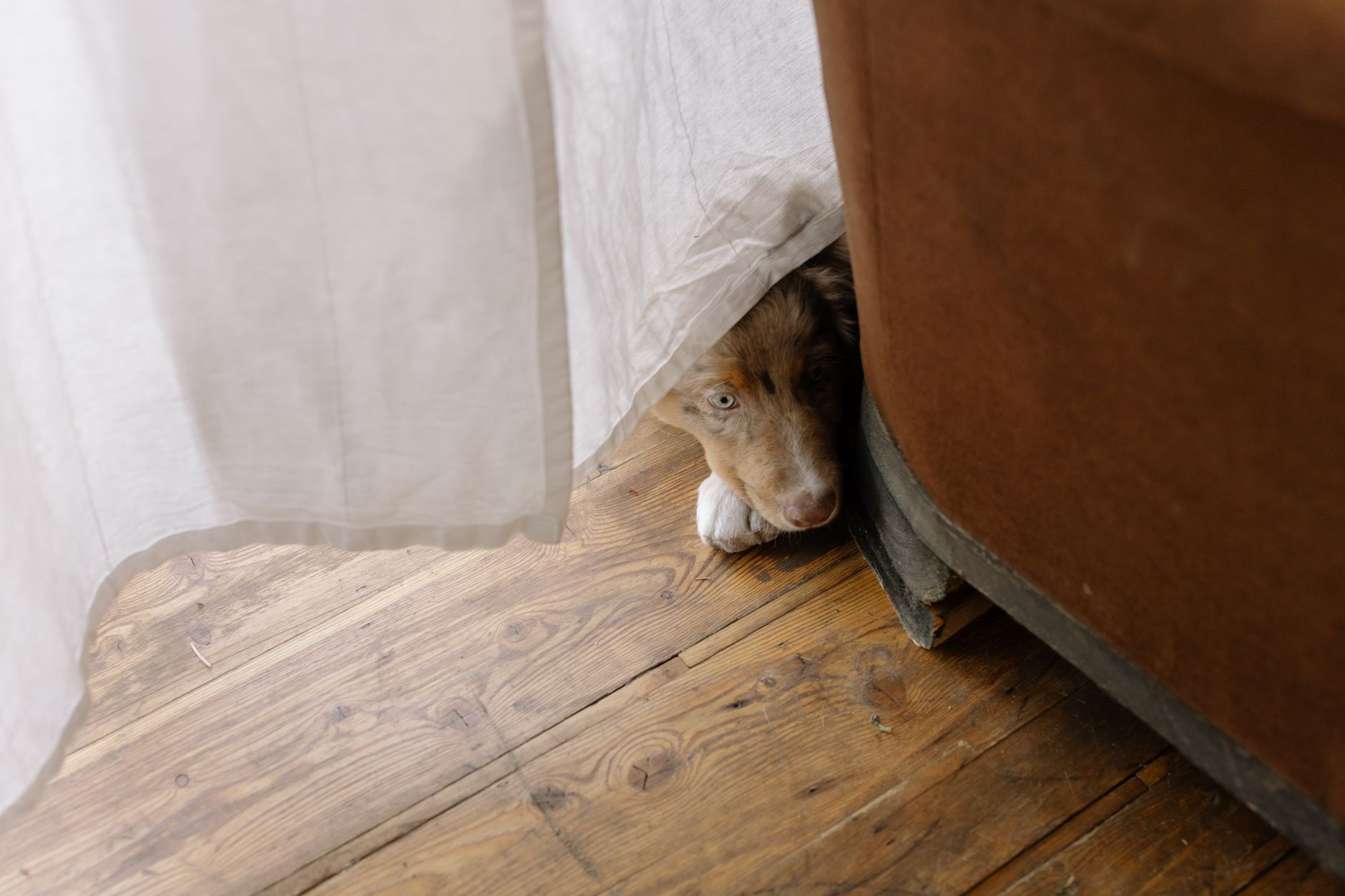
If your dog trembles in the car park, shuts down on the exam table, or needs two nurses and a prayer to get weighed, you haven't failed them. Vet anxiety is one of the most common things dog owners deal with, and it almost always traces back to a few early experiences rather than anything you did wrong. The good news: it genuinely gets better with the right approach.
There are three realistic paths forward. Understanding what each involves — and who each suits — will save you months of trial and error.
The Three Options at a Glance
| Option | Best for | Time investment | Cost |
|---|---|---|---|
| Home desensitisation + happy visits | Mild to moderate anxiety; motivated owners | 5–10 min/day for 4–8 weeks | Low (treats, time) |
| Low-stress / Fear Free clinic | Any dog; great standalone or alongside home work | Minimal owner prep | Standard consult fees |
| Pre-visit medication | Moderate to severe anxiety; nothing else has worked | Vet appointment to discuss | Medication cost (~$20–$80 AUD per visit) |
Option 1: Handle at Home, Then Practise "Nothing" Visits
The vet exam involves strangers touching your dog's ears, mouth, paws, and belly. If your dog has never been comfortable with that at home, the clinic is a rude shock every single time.
Spend five minutes a day running through what the vet does. Hold a paw for three seconds, then treat. Lift an ear flap, then treat. Press gently along the ribs, then treat. Open the mouth briefly, then treat. You're not training obedience — you're teaching your dog that these touches predict good things.
Once your dog is relaxed with home handling, book happy visits at your clinic. These are brief drop-ins where your dog walks in, gets weighed (or just sniffs around), gets a handful of treats from a friendly nurse, and leaves. No thermometers, no needles. Many clinics offer these for free or a small fee. Even two or three visits like this can shift a dog's emotional response noticeably.
Who this suits: Dogs with mild to moderate anxiety who still engage with food at the vet. If your dog is so stressed they won't eat a piece of barbecue chicken on the exam table, start with Option 3 first.
Who it doesn't suit: Dogs with severe panic responses, a history of snapping at the vet, or owners who genuinely can't fit in daily five-minute sessions right now.
Option 2: Seek Out a Low-Stress Clinic
The physical environment and handling style at a vet clinic makes a measurable difference. Practices trained in Fear Free or Low Stress Handling techniques use non-slip mats on tables, keep dogs away from cats in the waiting room, offer food throughout the exam, and avoid forced restraint where possible.
You don't need to change vets permanently — but if your current clinic uses a lot of scruffing, moves quickly, or has a chaotic waiting room, it's worth asking around. Search for Fear Free certified vets in your area or simply call ahead and ask how they handle anxious dogs. The answer tells you a lot.
Practical things to bring regardless of clinic: your dog's highest-value treats (not their regular kibble — think small pieces of cheese, chicken, or fritz), a familiar blanket, and if possible, a recent meal skipped so they're motivated to eat.
Who this suits: Every dog, honestly. Even confident dogs benefit from calmer handling. This option requires the least owner prep and works well layered with Option 1.
Who it doesn't suit: Nobody. There's no downside to a lower-stress clinic.
Option 3: Talk to Your Vet About Pre-Visit Medication
For dogs with genuine panic — shaking that doesn't stop, attempting to escape, aggression from fear — asking about pre-visit medication is not giving up. It's good welfare.
The most commonly used option in Australia is trazodone, sometimes combined with gabapentin. These aren't sedatives that make your dog dopey and unable to respond; at the right dose, they take the edge off anxiety so the dog can actually process the experience rather than just survive it. Your vet may also suggest melatonin for milder cases.
The catch: medication works best alongside desensitisation, not instead of it. A calmer dog is also a dog who can learn that the vet isn't a threat. Many owners find that after a few medicated visits where nothing terrible happened, they can gradually reduce the dose.
Who this suits: Moderate to severe anxiety, dogs who have snapped or bitten from fear, and any dog where the stress of the visit seems to linger for days afterwards.
The Recommendation
For the majority of dogs — those who are anxious but not in full panic — Option 1 combined with Option 2 is the most effective path. Start the home handling practice this week (literally five minutes tonight), book a happy visit, and ask your clinic about their low-stress approach. Most owners see a real shift within four to six weeks.
If your dog is severely reactive or the anxiety is affecting their health, raise pre-visit medication at your next appointment. There's no medal for white-knuckling it.
What to Bring to Every Vet Visit
- High-value treats your dog doesn't get at home
- A worn t-shirt or blanket from home (familiar smell helps)
- A list of your questions written down (anxiety is contagious — yours affects your dog)
- Skipped meal beforehand if your vet approves it
Arrive five minutes early to let your dog sniff the car park calmly before going inside. If the waiting room is chaotic, ask staff if you can wait outside or in the car and be called when the room is clear. Most clinics will accommodate this without a second thought.
Frequently asked questions
Why is my dog scared of the vet even though they've only been a few times?
It only takes one or two overwhelming experiences — a painful procedure, rough handling, or simply being restrained by strangers — for a dog to form a strong negative association. Dogs also pick up on owner anxiety, which can compound the problem. The good news is that associations can be rebuilt with positive, low-pressure experiences over time.
What are happy vet visits and do I need to book them in advance?
Happy visits are brief, no-procedure drop-ins to the clinic where your dog gets treats, sniffs around, and leaves without anything unpleasant happening. Many Australian vet clinics offer these for free or a small fee — just call ahead and ask, as they may need to find a quiet moment for it. Even two or three visits can start to change how your dog feels about the place.
What medication do vets give dogs for vet anxiety?
Trazodone and gabapentin are the most commonly prescribed options in Australia for pre-visit anxiety; they reduce fear without heavily sedating the dog. Melatonin is sometimes recommended for milder cases. These are given one to two hours before the appointment and work best when combined with ongoing desensitisation training.
Should I comfort my dog when they're anxious at the vet, or will that reinforce the fear?
Comforting an anxious dog does not reinforce fear — that's an outdated idea. Fear is an emotional state, not a behaviour, and you can't accidentally reward it with kindness. Speaking calmly, offering treats, and staying relaxed yourself are all genuinely helpful. Remaining tense or over-fussing can, however, signal to your dog that there's something to worry about, so calm and matter-of-fact is the ideal tone.
How long does it take to reduce vet anxiety in dogs?
With consistent home handling practice and regular happy visits, many owners notice a meaningful improvement within four to eight weeks. Dogs with more severe anxiety, or those who have had negative experiences over many years, may take longer and benefit more from pre-visit medication to help the process along. Progress is rarely linear — a setback after a difficult procedure is normal and doesn't erase what you've built.
What is a Fear Free or low-stress vet clinic and how do I find one in Australia?
Fear Free is an international certification programme that trains vets and nurses in handling techniques designed to minimise anxiety, fear, and pain during vet visits. To find a certified practice, search the Fear Free directory at fearfreepets.com or simply call your local clinics and ask how they handle anxious dogs — their response will give you a clear sense of their approach.
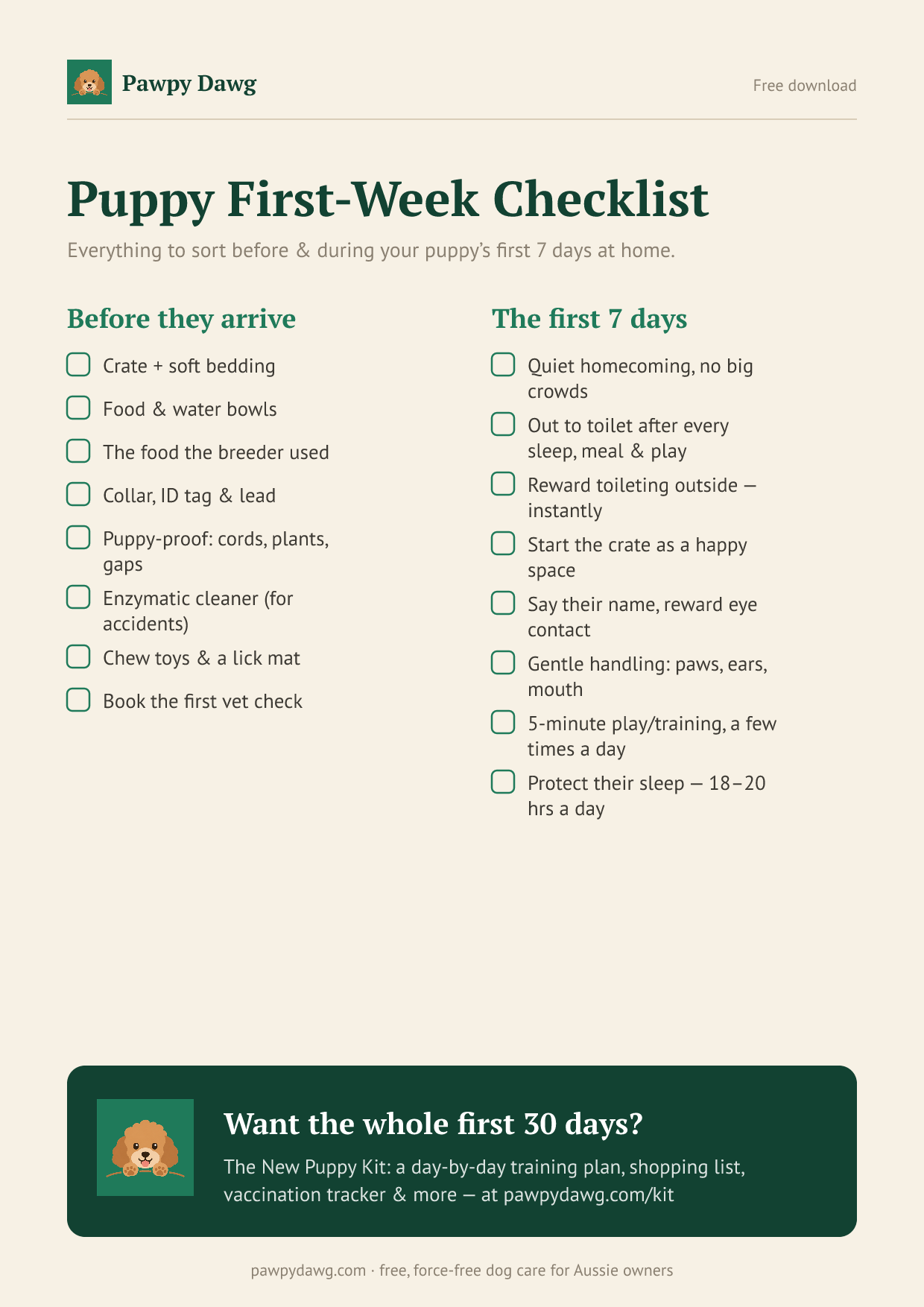
Free printable
Free: the Puppy First-Week Checklist
Everything to sort before and during your puppy's first 7 days home — a printable one-pager. Plus the occasional genuinely useful dog tip. No spam, unsubscribe anytime.
Related guides
Is Pet Insurance Worth It in Australia? The Honest Maths
Is pet insurance worth it in Australia? We crunch real premiums vs real vet bills — cruciate surgery, snake bite & more — so you can decide with confidence.
Read the guide →
How Much a Dog Really Costs Per Year in Australia (2026 Breakdown)
How much does a dog cost per year in Australia? 2026 line-item breakdown covering food, vet, insurance, grooming & the costs first-timers always miss.
Read the guide →
Dog Vaccination Schedule in Australia: What, When and What It Costs
Confused by C3, C5 and kennel cough? Here's your complete dog vaccination schedule Australia cost guide — puppy timelines, adult boosters & typical AUD prices.
Read the guide →