
The Complete New Puppy Checklist for Australian Homes
The only new puppy checklist Australia actually needs — what to buy, what to skip, and realistic AUD costs from budget to premium before pickup day.

Written by Bradley Brown
Founder & editor · Reviewed 2026-07-03
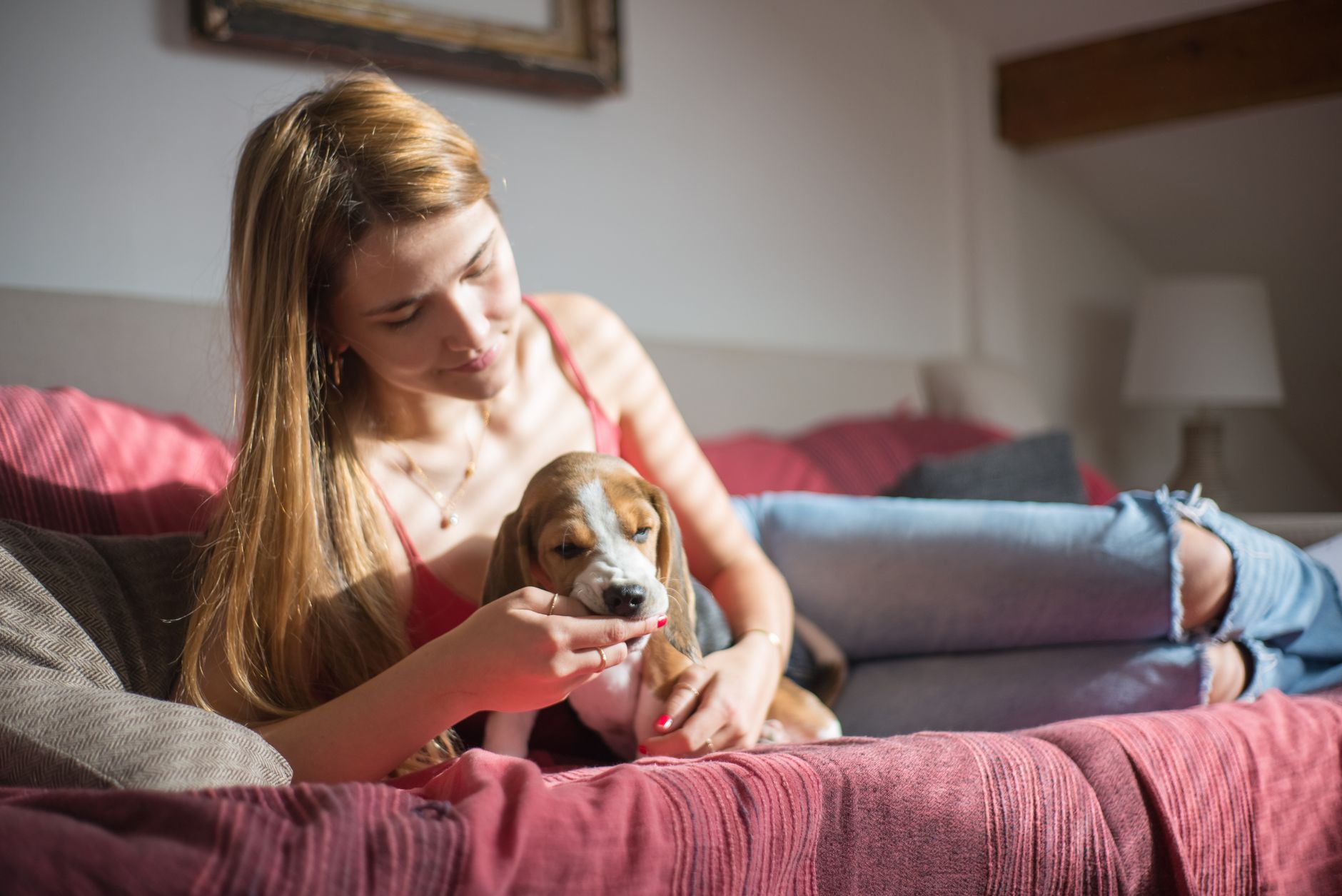
You've said yes to a puppy. The excitement is real — and so is the 2 a.m. spiral of "wait, what do I actually need before they arrive?" This checklist cuts through the noise. No fluff, no sponsored must-haves, just what vets and experienced trainers consider genuinely necessary, what's nice to have, and what's a straight-up waste of money.
Quick win you can do right now: Choose one small area of your home (a laundry, a bathroom corner, a playpen section) and mentally commit to making it your pup's home base for the first two weeks. You don't need to buy anything to do this. A defined, confined space is the single biggest factor in fast toilet training — and it costs nothing.
Before Pickup Day: The Non-Negotiables
These are the items you genuinely need on Day 1. Everything else can wait.
Containment & Sleeping
- Crate or puppy playpen — A wire crate sized to your breed's adult dimensions (with a divider to make it smaller now) or a heavy-duty puppy playpen. Budget: $40–$80 (Kmart/Bunnings-style pens); Premium: $180–$350 (Impact or similar wire crates). Skip the soft-sided fabric crates for puppies — they chew through them in a week.
- Bedding — Two washable fleece or microfibre mats. Buy cheap: you will be washing these daily at first. Budget: $15–$25 each from Kmart or Big W.
- Baby gates or an exercise pen — Essential for blocking off rooms. One solid gate: $30–$80.
Feeding
- Two stainless steel bowls — Ceramic or stainless only. Plastic bowls harbour bacteria and some dogs develop contact allergies. $10–$25 for a good pair.
- Puppy food (breed-appropriate) — Ask your breeder or rescue what the pup is currently eating and buy a small bag of the same food. Switching food too fast causes diarrhoea. Transition gradually over 7–10 days once settled. A 3 kg bag: $20–$55 depending on brand.
- Puppy-safe treat pouch — Even a zip-lock bag works. You'll need tiny, soft treats for training from Day 1.
Health & Safety
- Vet appointment booked — Ring before pickup day. Book a first health check within 48–72 hours of bringing the pup home. Many vets in Australian metro areas book out weeks in advance. Cost: $70–$120 for a new puppy consultation.
- Collar and ID tag — Required by law in every Australian state within days of ownership. A flat buckle or quick-release collar and an engraved tag with your mobile number. Cost: $15–$35.
- Poop bags — The compostable ones are fine. Buy a roll of 200 to start. $8–$15.
- Pet insurance quote pulled — You don't have to buy it on Day 1, but compare at least three providers (PetSure, Bow Wow Meow, Knose are the main Australian underwriters) before your first vet visit. Premiums: $30–$100+/month depending on breed and cover.
Training Essentials
- Long line (5–10 m) — A flat webbing long line is one of the most useful training tools you'll own. Used for recall practice in a safe way from week one. $15–$30.
- Treat pouch / bait bag — Clip-on styles keep your hands free. $10–$25.
The "Nice to Have" Category
Get these in the first month if budget allows, but don't delay pickup day over them.
| Item | Budget Option | Premium Option | Worth It? |
|---|---|---|---|
| Kong or chew toy | Kmart rubber toy ($5) | Classic Kong ($18–$35) | ✅ Yes — frozen Kongs are a sanity saver |
| Puppy puzzle feeder | DIY muffin tin ($0) | Outward Hound ($25–$55) | ✅ Yes — slows eating, tires brain |
| Enzymatic cleaner | Paws & Claws ($12) | Nature's Miracle ($22) | ✅ Essential — removes odour so pup won't re-toilet same spot |
| Harness | Kmart ($15) | Ruffwear Front Range ($90) | ⚠️ Hold off — fit changes fast in first 8 weeks |
| Dog bed (large, shaped) | Kmart foam ($30) | Luxton ($150+) | ⚠️ Wait — they'll destroy it |
| Puppy pads | $15–$25/pack | N/A | ❌ Skip if possible — teaches pup to toilet inside |
What's a Waste of Money (Australian Edition)
- Designer whelping kits — Often sold as "new puppy bundles" for $150–$300. Usually filled with items you don't need or that are low quality. Buy individually.
- Puppy pads (for most owners) — Unless you're in a high-rise with no yard, pads confuse house training. They teach the dog that inside is an acceptable toilet spot.
- Breed-specific "calming" supplements on Day 1 — Your pup needs time and routine, not melatonin gummies. If anxiety is severe after two weeks, talk to your vet.
- Automatic feeders — Not useful until the dog is fully toilet trained and on a predictable schedule (usually 4–6 months).
- Instagram-style bandana collar sets — Adorable. Completely unnecessary. Buy after you know the pup's vibe.
Realistic Total Costs: What to Budget
| Setup Level | Estimated One-Off Cost | Notes |
|---|---|---|
| Budget | $150–$250 | Kmart, Big W, Facebook Marketplace, Gumtree |
| Mid-range | $350–$600 | Mix of quality staples + affordable extras |
| Premium | $700–$1,200+ | Quality crate, insurance, vet, quality food |
Ongoing monthly costs (food, treats, vet, insurance): estimate $150–$400/month depending on breed size and health cover.
The 10-Minute Daily Routine for Week One
Busy people abandon elaborate protocols. This takes under 10 minutes a day and covers the essentials:
- Morning (2 min): Take pup straight outside the moment they wake up. Wait. Reward the second they toilet outdoors with a treat and calm praise.
- After each meal (2 min): Outside again within 10 minutes of eating. Same deal.
- Training session (5 min): Just sit, look at me, and name recognition. Five minutes, high-value treats, quit while the pup is still keen. Do this once or twice a day.
- Evening wind-down (1 min): Kong stuffed with wet food and frozen = quiet crate time while you eat dinner.
That's it. Consistency over intensity, every time.
Settling In: The First 48 Hours
The first two days are about not overwhelming the pup — not showing them the whole house, not inviting twelve friends over, not starting puppy school (that comes at week 2–3 once vaccinations allow).
- Keep the home base small and predictable
- Let the pup approach new people; don't thrust them at strangers
- Expect broken sleep — this is normal and temporary
- Don't punish accidents. Clean with enzymatic cleaner, reset, move on
Your puppy isn't broken. They're just brand new.
As an Amazon Associate we earn from qualifying purchases.
Frequently asked questions
What do I actually need before bringing a puppy home in Australia?
The true essentials are: a crate or playpen, two stainless steel food and water bowls, a collar with an ID tag (legally required), puppy-appropriate food matching what the breeder was feeding, poop bags, and a vet appointment booked within 72 hours of pickup. Everything else can be sourced in the first week once you know the pup's size and temperament.
How much does it cost to set up for a new puppy in Australia?
A bare-bones setup costs roughly $150–$250 using budget retailers like Kmart and Big W. A mid-range setup with quality food, a solid crate, and a first vet visit runs $350–$600. Factor in ongoing monthly costs of $150–$400 for food, treats, vet bills, and pet insurance depending on your breed and level of cover.
Do I need puppy pads for toilet training?
In most cases, no. Puppy pads teach a dog that toileting indoors is acceptable, which creates an extra step in house training you'll need to undo later. The exception is apartment living with no direct yard access, where a balcony grass patch or pad may be a short-term necessity. Outdoor toilet training from Day 1 is faster and cleaner long-term.
When should I take my new puppy to the vet in Australia?
Book a first health check within 48–72 hours of bringing your puppy home. Australian vets recommend this window to catch any health issues from the breeder or rescue early, confirm vaccination schedules, discuss parasite prevention (heartworm, fleas, ticks are all relevant depending on your state), and get microchipping confirmed if not already done.
Is pet insurance worth it for a new puppy in Australia?
For most breeds, yes — especially in the first two years when puppies are most likely to eat something they shouldn't or injure themselves. Get quotes from at least three Australian providers (PetSure, Bow Wow Meow, and Knose cover the majority of the market) before your first vet visit, as some policies exclude conditions identified at that initial check-up.
What's the most common mistake new puppy owners make before pickup day?
Overbuying gear they don't need and underestimating containment. A puppy given free run of a large home will toilet everywhere and chew everything, making training much harder. The best thing you can set up before pickup is a small, safe home base — a playpen or a gated room — not a basket full of toys and accessories.
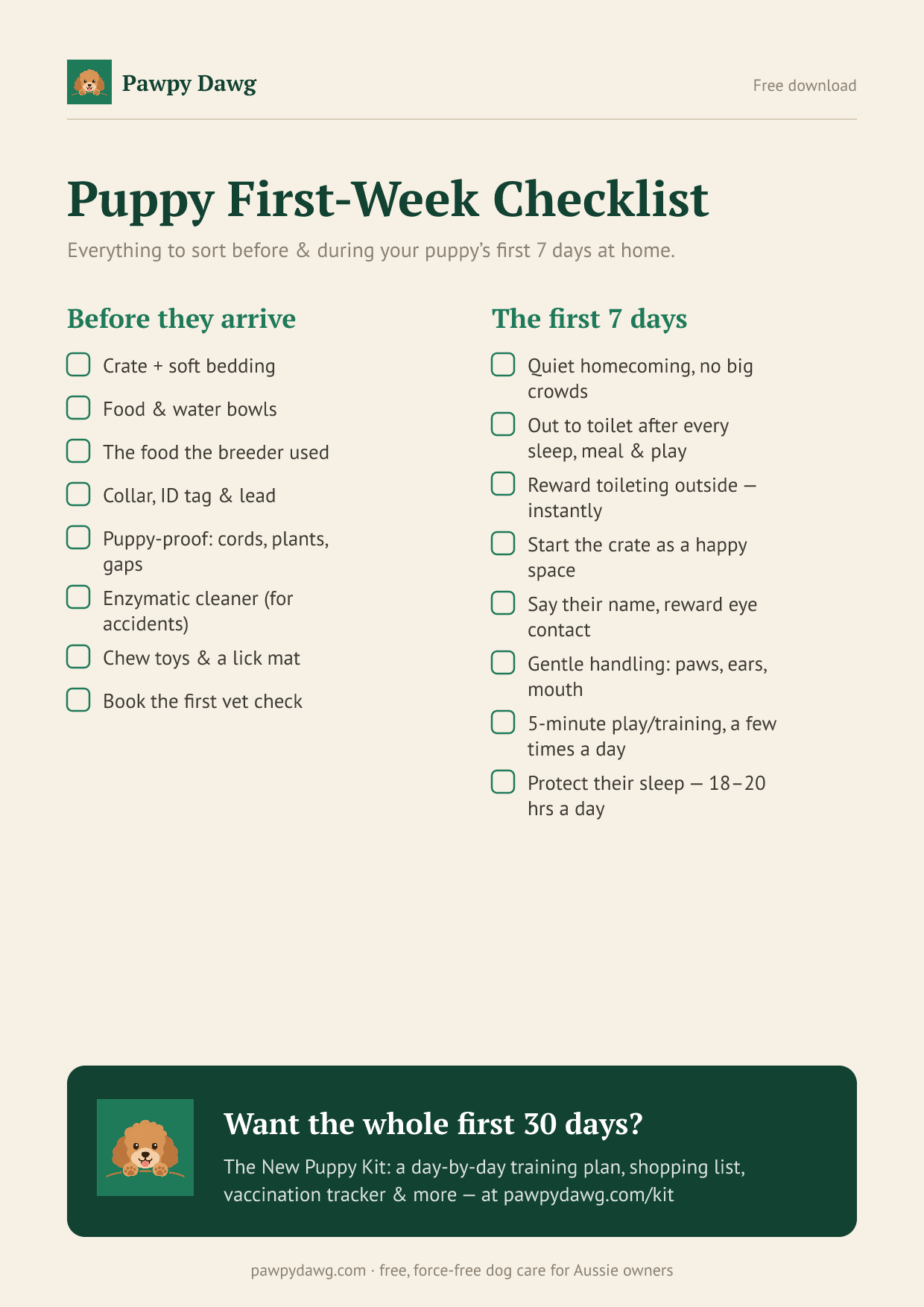
Free printable
Free: the Puppy First-Week Checklist
Everything to sort before and during your puppy's first 7 days home — a printable one-pager. Plus the occasional genuinely useful dog tip. No spam, unsubscribe anytime.
Related guides
Is Pet Insurance Worth It in Australia? The Honest Maths
Is pet insurance worth it in Australia? We crunch real premiums vs real vet bills — cruciate surgery, snake bite & more — so you can decide with confidence.
Read the guide →
How Much a Dog Really Costs Per Year in Australia (2026 Breakdown)
How much does a dog cost per year in Australia? 2026 line-item breakdown covering food, vet, insurance, grooming & the costs first-timers always miss.
Read the guide →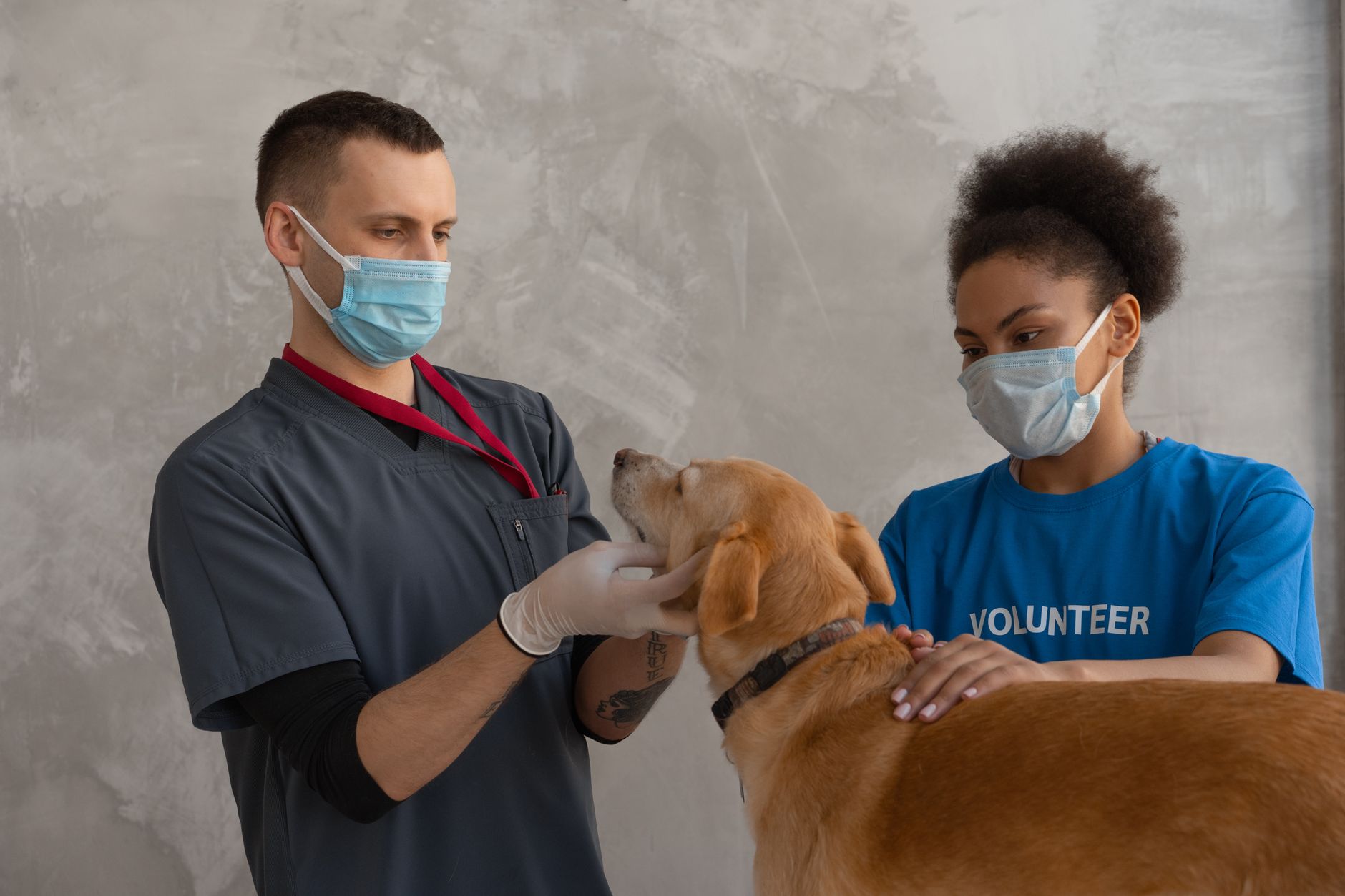
Dog Vaccination Schedule in Australia: What, When and What It Costs
Confused by C3, C5 and kennel cough? Here's your complete dog vaccination schedule Australia cost guide — puppy timelines, adult boosters & typical AUD prices.
Read the guide →