
Best Dog Crates in Australia: Sizing, Types and Training Setup
Find the best dog crate in Australia with our breed sizing chart, wire vs plastic vs soft comparison, airline rules, and a step-by-step setup guide your dog will love.

Written by Bradley Brown
Founder & editor · Reviewed 2026-07-03
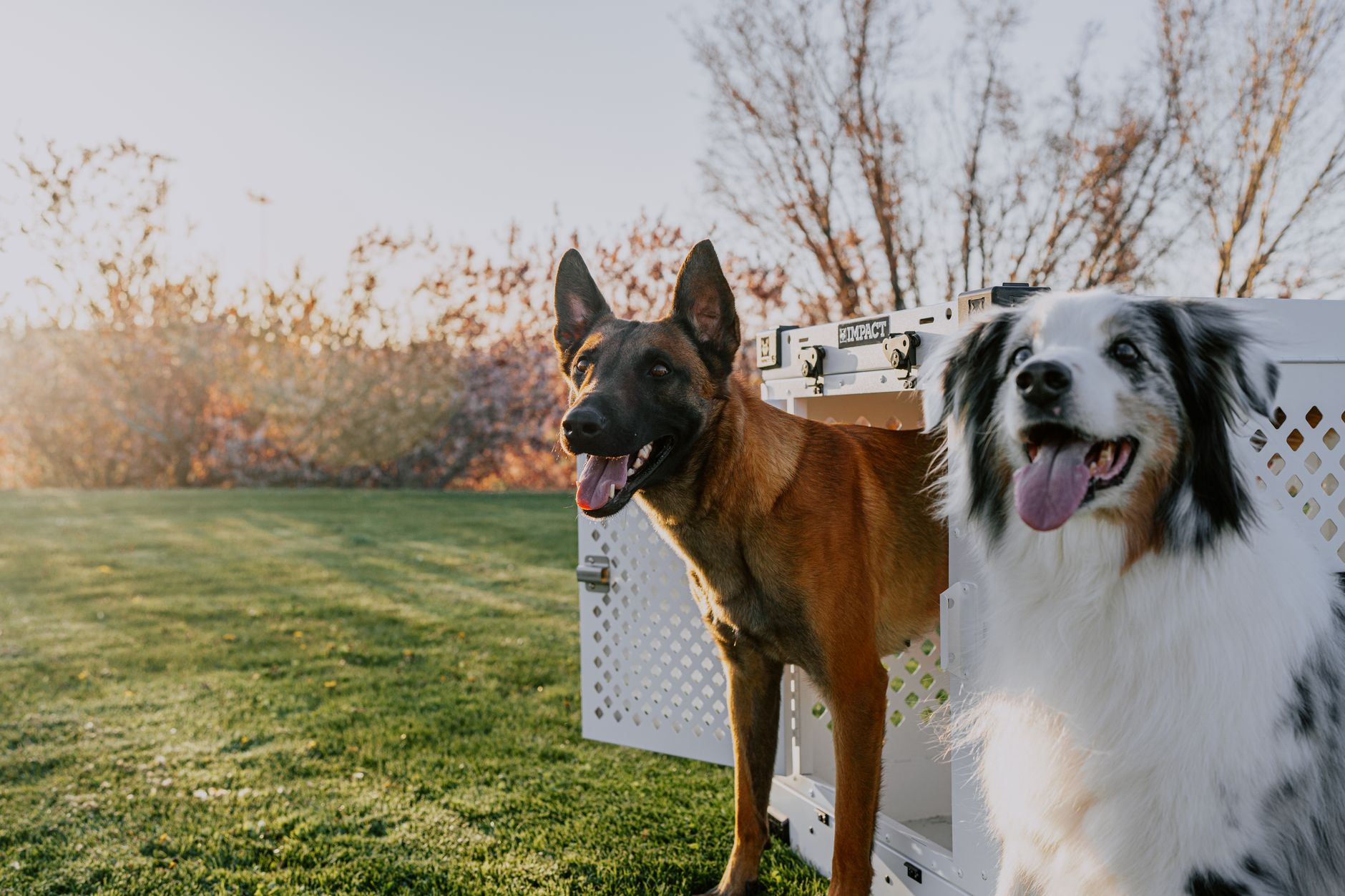
You bought the crate. The dog hates it. Now it's 11 pm, the couch cushion is destroyed, and you're wondering if you've already made a mess of this. You haven't. Crate resistance is almost universal at the start, it's completely normal, and it's fixable — usually within a few days of doing one or two small things differently. Let's get into it.
Quick Win You Can Try Tonight
Before anything else: toss a few high-value treats (think small pieces of cheese or cooked chicken) just inside the crate door. Don't close it. Walk away. Let the dog investigate on its own terms. Do this three or four times over the next hour. That's it for tonight. You're building a positive association before any training even starts — and it works faster than you'd think.
Choosing the Right Size Crate
Getting the size wrong is the single most common mistake. Too big and the dog uses one end as a toilet. Too small and it's uncomfortable and stressful.
The rule of thumb: Your dog should be able to stand up without hunching, turn around in a full circle, and lie stretched out on its side.
Crate Sizing Guide by Breed
| Crate Size | Dimensions (approx.) | Suitable Breeds |
|---|---|---|
| Small (61 cm) | 61 × 46 × 51 cm | Chihuahua, Maltese, Toy Poodle |
| Medium (76 cm) | 76 × 48 × 53 cm | Beagle, Cocker Spaniel, Miniature Schnauzer |
| Large (92 cm) | 92 × 58 × 64 cm | Border Collie, Labrador, Staffordshire Bull Terrier |
| XL (107 cm) | 107 × 71 × 76 cm | German Shepherd, Golden Retriever, Boxer |
| XXL (122 cm+) | 122 × 76 × 84 cm | Great Dane, Rottweiler, Bernese Mountain Dog |
Tip for puppies: Buy the size they'll need as an adult, then use a divider panel to block off the extra space. Most wire crates sold in Australia include a divider — check the listing before you buy.
Wire vs Plastic vs Soft-Sided: Which Type Do You Actually Need?
Wire Crates
Best for: Home use, dogs that run hot, owners who want flexibility.
Wire crates fold flat for storage, offer excellent airflow (important in Australian summers), and the open visibility helps anxious dogs feel less isolated. The double-door versions are especially handy in smaller homes where you need to position the crate against a wall.
- Good ventilation — critical in Queensland, WA and NT climates
- Easy to clean
- Heavier and bulkier than other types
- Price range: $60–$200 AUD depending on size and brand
Plastic (Airline-Style) Crates
Best for: Travel, dogs that prefer a den-like enclosed space, air travel.
Hard plastic crates feel more like a cave, which suits dogs with a strong denning instinct. They're also the only type accepted for checked-in pet travel on most Australian airlines (see below).
- More enclosed — can help dogs that are easily overstimulated
- Harder to ventilate in hot weather; avoid leaving in direct sun
- Price range: $80–$250 AUD
Soft-Sided/Fabric Crates
Best for: Calm, already crate-trained dogs; short trips; camping.
These are lightweight and portable but offer zero containment for a dog that's determined to escape — and a stressed dog will chew or scratch its way out. Don't use these as your primary training crate.
- Lightweight and packable
- Not suitable for untrained or anxious dogs
- Price range: $50–$150 AUD
Australian Airline Crate Requirements
If you're flying with your dog in Australia — Qantas, Virgin, or Rex — the crate must meet IATA (International Air Transport Association) Live Animal Regulations. Key requirements:
- Hard-sided only (no wire, no fabric)
- Secure metal bolts or screws on the door (not just plastic clips)
- Ventilation on at least three sides
- "Live Animal" labels and your contact details on the crate
- The dog must be able to stand, turn, and lie down comfortably
- Absorbent bedding on the floor
- Water and food dishes clipped inside the door
Check directly with your airline before booking — size limits and breed restrictions (especially for brachycephalic breeds like Bulldogs and Pugs) vary and change. Qantas currently restricts some flat-faced breeds entirely.
How to Set Up the Crate So Your Dog Actually Likes It
This is where most people skip steps and then blame the crate. The setup matters as much as the crate itself.
Step 1: Location
Place it in a room where the family spends time — not a laundry or garage. Dogs are social animals; isolation makes crate training harder and can increase anxiety. A corner of the lounge or bedroom works well.
Step 2: Make It Comfortable
- Add a fitted crate mat or a worn item of your clothing (the familiar scent helps enormously)
- Keep it away from direct sun and draughts
- A light cover (a blanket draped over three sides) can help dogs that prefer a den feel — leave the front open so they don't feel trapped
Step 3: The 5-Minute Daily Training Protocol
You don't need an hour. You need five focused minutes, twice a day.
Days 1–2 — Open door only: Toss treats in, let the dog go in and out freely. Feed meals near or just inside the crate. Never close the door yet.
Days 3–4 — Close the door briefly: Lure the dog in with a treat or their meal. Close the door for 30–60 seconds while they eat. Open before they finish — you want them to wish it stayed open longer, not panic when it closes.
Days 5–7 — Build duration gradually: Increase closed-door time in small steps: 2 minutes, then 5, then 10. Give a long-lasting chew (bully stick, stuffed frozen KONG) to occupy them. Stay in the room at first.
Week 2 onwards: Start leaving the room briefly, then leaving the house for short periods. Never jump from "5 minutes" to "8 hours" — build up over days.
What Not to Do
- Don't use the crate as punishment. If you send the dog there when you're angry, they'll associate it with your anger, not with safety.
- Don't let them out when they whine. Wait for a 3-second pause in the noise, then open. Otherwise you're training them to whine harder.
- Don't rush duration. If the dog is distressed, go back one step.
Top Features to Look For When Buying in Australia
- Removable tray: Accidents happen — a slide-out plastic tray makes cleaning fast
- Double door: Gives you more placement flexibility
- Included divider: Essential for puppies
- Non-toxic coating: Especially important for puppies that chew on the bars
- Warranty: Reputable brands (Vebo, Paws & Claws, Ruffland, Impact) typically offer at least 12 months
Where to Buy
You'll find a solid range at Petbarn, PETstock, and Big W for budget to mid-range options. For heavy-duty or travel crates, specialist online retailers and Amazon AU often have better variety. Always check the actual internal dimensions, not just the labelled size.
Crate training done right takes a week or two of small, consistent effort — not months of struggle. The dog sleeping peacefully in their own space while you eat dinner without anxiety on either side? That's very much achievable from where you are right now.
As an Amazon Associate we earn from qualifying purchases.
Frequently asked questions
What size crate do I need for a Labrador in Australia?
A large crate (around 92 cm long) suits most Labradors. The dog should be able to stand without hunching, turn a full circle, and lie stretched out. If you're buying for a Labrador puppy, get the adult size and use a divider panel to reduce the space until they grow into it.
Can I leave my dog in a crate all day while I'm at work?
As a general guideline, adult dogs shouldn't be crated for more than four to five hours at a stretch, and puppies much less — roughly one hour per month of age. If your workday is longer, arrange a dog walker or a trusted person to let them out mid-day. Prolonged confinement without toileting breaks causes stress and can undo your crate training.
My dog cries in the crate — should I let them out?
Not immediately, or you'll teach them that crying opens the door. Wait for a brief pause in the noise — even just three seconds of quiet — then calmly open the crate. If the distress is severe (panting, drooling, frantic escape attempts), slow your training right down and speak with a vet or qualified trainer, as some dogs have separation anxiety that needs a tailored approach.
Are wire or plastic crates better for Australian summers?
Wire crates offer significantly better airflow and are the safer choice for hot Australian climates, particularly in Queensland, the Northern Territory, and Western Australia. If you use a plastic crate, ensure it's placed in air-conditioned or well-ventilated spaces and never in direct sun or a closed vehicle.
What crates are approved for flying with a dog on Australian airlines?
Australian airlines follow IATA Live Animal Regulations, which require a hard-sided plastic crate with secure metal fasteners, ventilation on at least three sides, and enough room for the dog to stand, turn, and lie down. Wire and soft-sided crates are not accepted for cargo travel. Always confirm requirements with your specific airline before purchasing, as breed restrictions also apply.
How do I stop my dog from toileting inside the crate?
The most common cause is a crate that's too large — dogs won't soil their sleeping area, but will use a distant corner if there's room. Use a divider to limit space to just what the dog needs to lie down. Also ensure you're not exceeding the dog's bladder capacity for their age; puppies need toilet breaks every two to three hours.
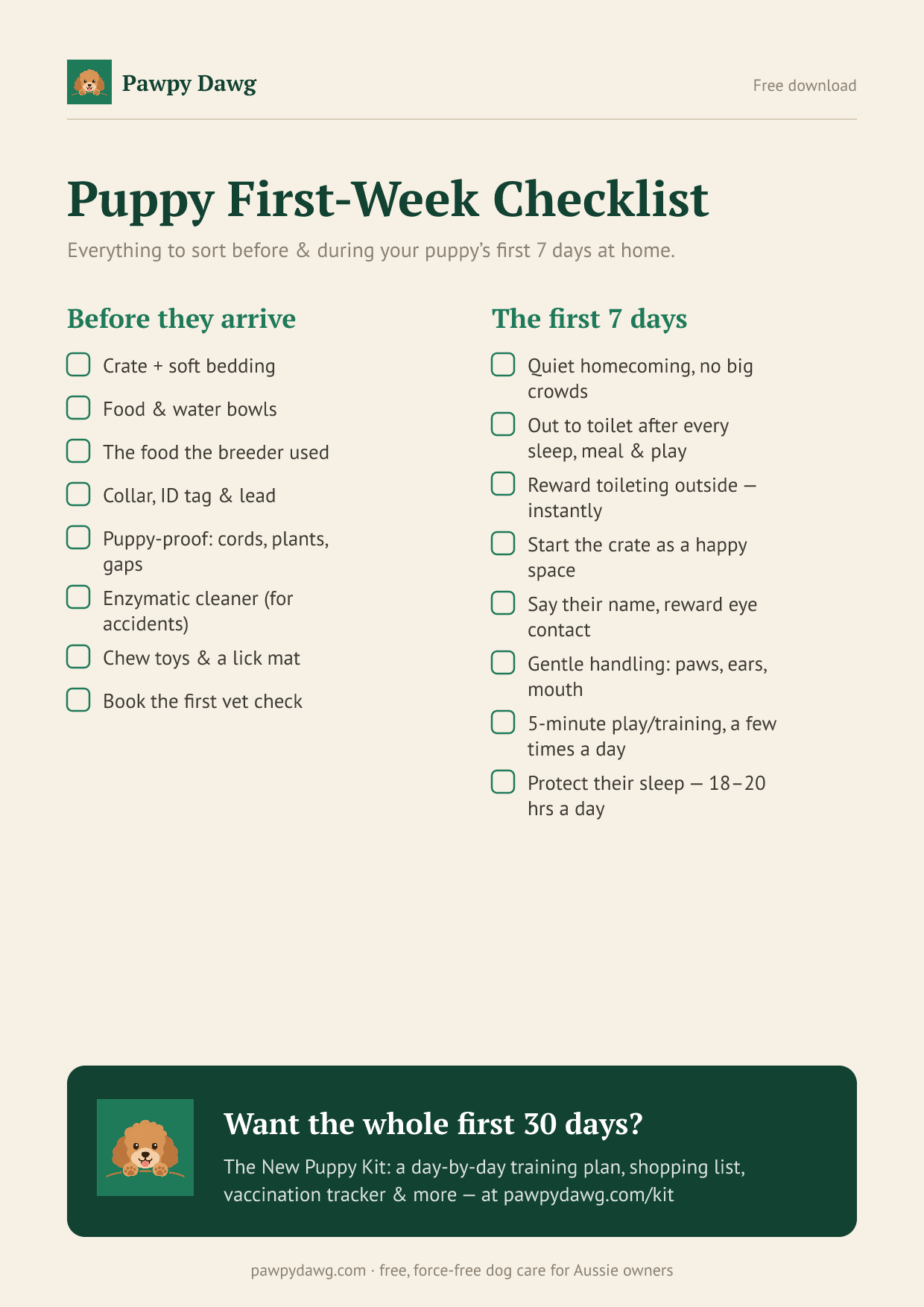
Free printable
Free: the Puppy First-Week Checklist
Everything to sort before and during your puppy's first 7 days home — a printable one-pager. Plus the occasional genuinely useful dog tip. No spam, unsubscribe anytime.
Related guides
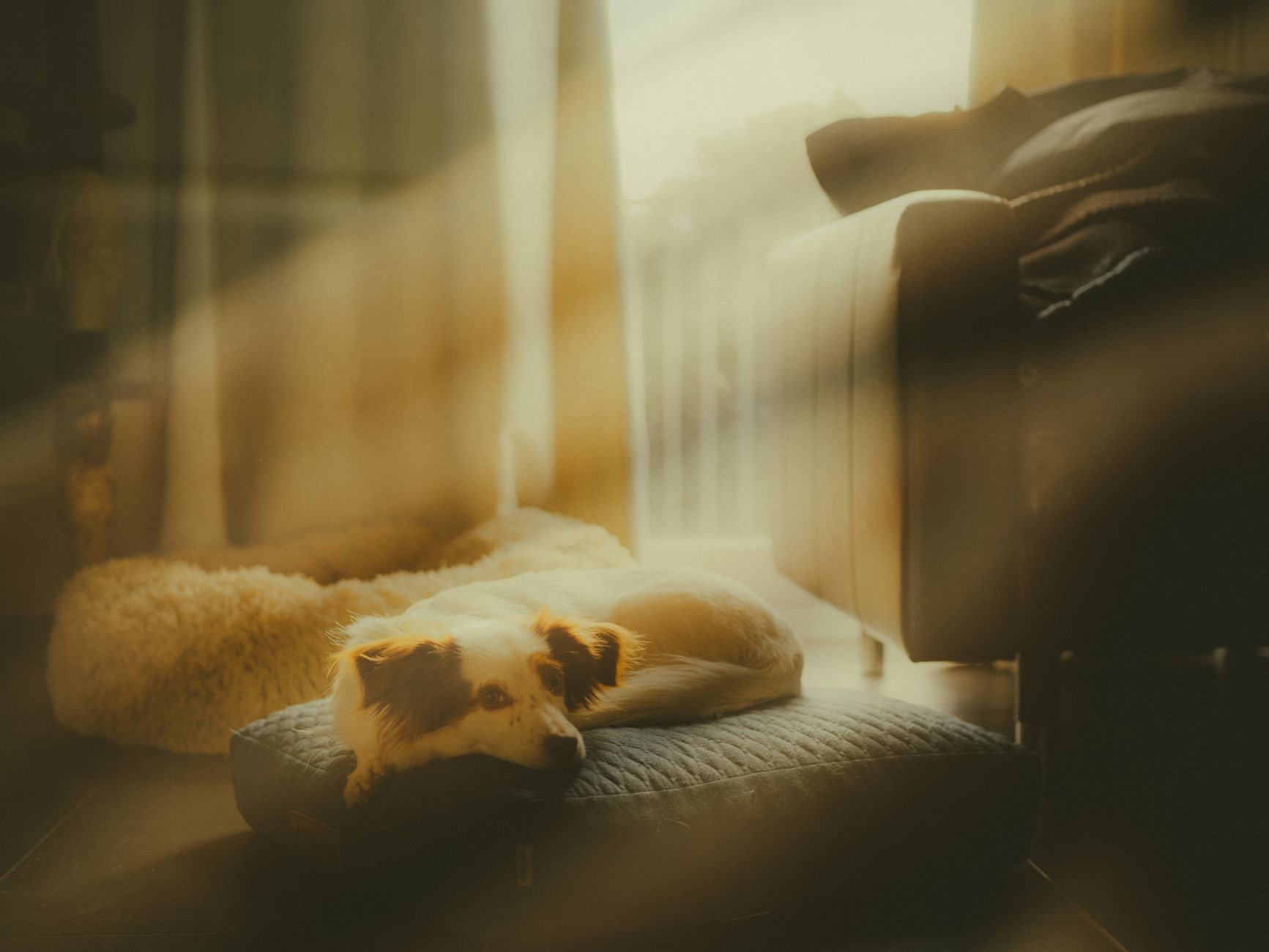
Is Pet Insurance Worth It in Australia? The Honest Maths
Is pet insurance worth it in Australia? We crunch real premiums vs real vet bills — cruciate surgery, snake bite & more — so you can decide with confidence.
Read the guide →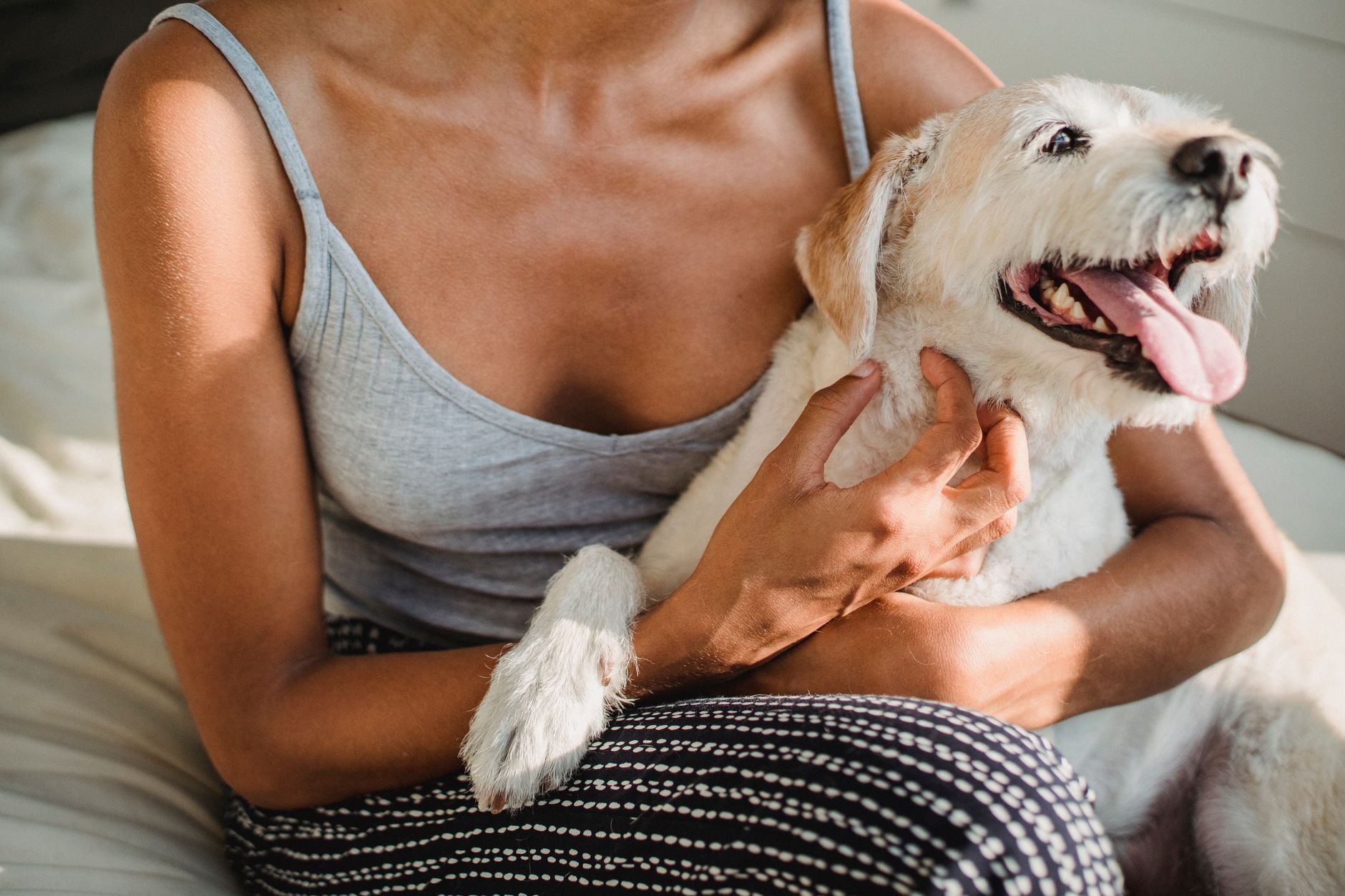
How Much a Dog Really Costs Per Year in Australia (2026 Breakdown)
How much does a dog cost per year in Australia? 2026 line-item breakdown covering food, vet, insurance, grooming & the costs first-timers always miss.
Read the guide →
Dog Vaccination Schedule in Australia: What, When and What It Costs
Confused by C3, C5 and kennel cough? Here's your complete dog vaccination schedule Australia cost guide — puppy timelines, adult boosters & typical AUD prices.
Read the guide →