
Signs Your Dog Is Stressed (and How to Help)
Learn the signs your dog is stressed — from lip licking to whale eye — plus common triggers and simple, vet-backed ways to help your dog settle.

Written by Bradley Brown
Founder & editor · Reviewed 2026-11-14
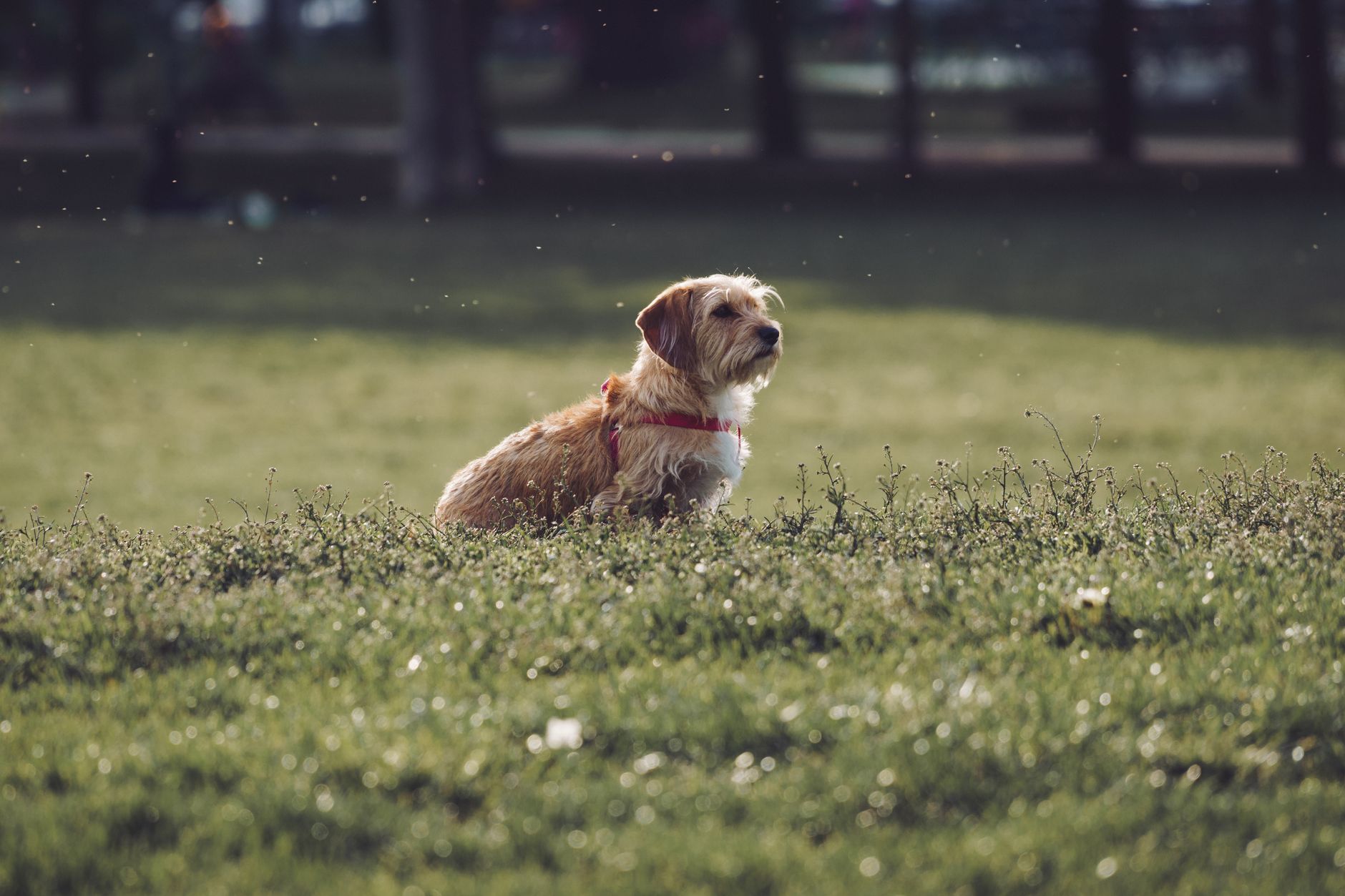
Mia, a four-year-old kelpie mix in suburban Brisbane, had started doing something odd every time guests arrived. She'd yawn repeatedly, turn her head away, and lick her lips even though no food was involved. Her owner, Jess, assumed Mia was just being aloof — a bit rude, maybe — and carried on. It was only when a friend mentioned the phrases "calming signals" and "stress behaviour" that Jess realised Mia hadn't been dismissive at all. She'd been silently screaming for help.
This story is more common than you'd think. Dogs have a whole vocabulary of stress signals that most of us were never taught to read, and missing them isn't a failure of love — it's a gap in information. Once you know what to look for, you can't unsee it.
The body language owners miss most
Canine behaviourists use the term calming signals — coined by Norwegian trainer Turid Rugaas — to describe the subtle moves dogs use to communicate discomfort and try to defuse tension. These are not dramatic. They are easy to chalk up to tiredness, boredom, or personality quirks.
Lip licking is one of the most reliably misread. When a dog licks its lips slowly and deliberately with no food nearby, it's almost always a stress response. So is yawning out of context — a long, deliberate yawn when the dog isn't tired, often accompanied by a full-body stretch.
Whale eye is when you can see the whites of the dog's eyes — a wide, crescent-shaped sliver of white — because the dog is turning its head away while keeping its gaze fixed on something it's uncomfortable with. It looks almost comical in photos, but in real life it's a clear flag.
Other signals that belong on your radar:
- Sudden scratching or sniffing the ground when nothing has changed in the environment — dogs redirect onto a neutral activity when they feel socially overwhelmed
- Turning the head or body away from a person, dog, or situation
- Excessive panting when it isn't hot and exercise hasn't happened
- Ears pinned back or flattened to the skull
- Tail tucked or low — not wagging enthusiastically from the base, but held stiff and low or clamped between the hind legs
- Paw lifting — one front paw raised mid-air in a freeze
- Shaking off after an interaction, as if shaking off water, when the dog is dry
Mia was doing at least four of these every time visitors walked through the door, and nobody had connected the dots.
What's actually driving the stress
Stress in dogs almost always comes down to one of three things: unpredictability, lack of control, or accumulated pressure.
Unpredictability covers loud or sudden noises (storms, fireworks, construction), erratic household routines, or interactions that the dog can't anticipate — like children who lunge in for hugs without warning.
Lack of control is subtler. Dogs who are repeatedly put in situations they can't escape — forced to greet strangers, confined near a triggering stimulus, unable to move away — learn that their calming signals are ignored. Over time, they may either shut down or escalate to growling and snapping, because the quieter signals went unaddressed.
Accumulated pressure — sometimes called "trigger stacking" — is what happens when several moderately stressful events occur in a short window. A dog who coped fine at the vet last month might behave out of character an hour later when a neighbour visits, because the cortisol from the vet trip hasn't fully cleared. Stress hormones can take 48–72 hours to return to baseline, which is why some dogs seem to "lose the plot" on days that look ordinary from the outside.
Common Australian-specific triggers worth noting: bin night noise and early-morning trucks, brush turkey invasions in backyards, school-holiday changes to routine, and high foot traffic during summer when everyone's windows and gates are open.
Week by week: helping Mia — and your dog — settle
You don't need a behavioural overhaul. Small, consistent changes compound quickly.
Week one — stop the exposure, don't push through it
The single most effective early step is management: reducing the dog's contact with whatever is triggering the stress while you work on it. For Mia, Jess started giving her a stuffed Kong in a quiet room before guests arrived, with a baby gate so she could observe at her own pace but had a guaranteed exit.
This isn't avoidance; it's preventing the stress response from rehearsing itself into a habit. Every time a dog is flooded with cortisol, that neural pathway gets a little more worn.
Week two — teach the dog that the trigger predicts something good
This is classical counter-conditioning, and it works. The moment the trigger appears (doorbell, visitor's voice, the thunder rumble), something genuinely good follows — a high-value treat, a game, a scatter feed in the grass. The sequence matters: trigger first, then the good thing. You're not distracting the dog; you're changing the emotional association at a physiological level.
For Mia, Jess started tossing a pinch of shredded chicken on the floor the moment she heard a knock. Within two weeks, Mia's ears were pricking toward the door rather than pinning back.
Keep sessions to five minutes or fewer. Stress in a training session defeats the purpose.
Week three onwards — build a "settle" skill
A dog who has a trained default calm behaviour — lying on a mat, slow breathing, relaxed jaw — has somewhere to go when things get overwhelming. Teaching a mat settle is straightforward: lure the dog onto a mat, reward four paws on the mat, build duration slowly. Eventually the mat itself becomes a cue that calm is expected and rewarded.
Pair this with sniff-based enrichment: scatter feeding in the garden, snuffle mats, or nose-work games. Sniffing is neurologically incompatible with high-arousal stress states — it activates the parasympathetic nervous system and genuinely helps dogs decompress. Ten minutes of sniff work can be as tiring as a 30-minute walk for some dogs.
When the signals are escalating
If your dog has moved beyond calming signals into growling, snapping, destructive behaviour, or is showing stress signals in what should be ordinary, low-pressure moments (eating, sleeping, being left alone briefly), that's a cue to bring in a professional. Look for a trainer who holds a Certificate IV in Companion Animal Services, or a veterinary behaviourist if the presentation is severe. Medication, prescribed by a vet, is sometimes part of the picture — not a last resort, but a tool that makes behaviour modification actually stick.
If Mia had been growling at guests rather than lip licking, the same principles would apply — but the timeline would be longer and the management more careful.
The reassuring part
Most dogs showing early stress signals bounce back quickly once their owner knows what to look for. The fact that you're reading this means you're already ahead. Mia is now the dog who trots to her mat when the doorbell rings, waits for her chicken scatter, and joins the lounge room on her own terms twenty minutes into a visit. Jess didn't do anything heroic — she just learned to listen to what Mia had been saying all along.
As an Amazon Associate we earn from qualifying purchases.
Frequently asked questions
What are the most common signs your dog is stressed?
Lip licking (with no food present), yawning out of context, whale eye (whites of the eyes showing), panting when not hot, ears pinned back, tail tucked, sudden sniffing or scratching, and shaking off after an interaction are the most frequently missed stress signals. Many owners mistake these for tiredness or personality quirks rather than communication.
Can a dog be stressed without showing obvious signs like growling or trembling?
Absolutely. Most stressed dogs communicate through very subtle body language long before they escalate to growling or trembling. Calming signals like head-turning, slow lip licks, and paw lifts are early-warning signals that are easy to overlook. By the time a dog is visibly shaking or growling, it has usually been signalling discomfort for some time.
How long does it take for a stressed dog to calm down?
In the moment, most dogs need at least 20–30 minutes of quiet before their arousal level drops noticeably. After a significantly stressful event — a vet visit, a loud thunderstorm, a confrontation with another dog — cortisol can remain elevated for 48–72 hours. This is why dogs sometimes seem reactive or unsettled on days that appear uneventful.
Is yawning always a sign of stress in dogs?
Not always — dogs yawn when they're genuinely tired, just like we do. The stress yawn tends to be slower and more deliberate, often repeated, and occurs in a context that wouldn't warrant tiredness, such as during a greeting or when a child approaches. Pairing it with other signals in context is the best way to interpret it accurately.
What can I give my dog to help with stress at home?
Sniff-based enrichment (scatter feeding, snuffle mats, nose-work games) is one of the most effective and underused tools — sniffing activates the parasympathetic nervous system and genuinely lowers arousal. Giving the dog a safe, escapable space and a stuffed Kong or long-lasting chew during known triggers also helps. If stress is frequent or severe, speak to your vet about whether additional support — including medication — might be appropriate.
Should I comfort my dog when it's stressed, or will that reinforce the fear?
Comforting a stressed dog does not reinforce fear — fear is an emotional state, not a behaviour, and you can't accidentally reward it with kindness. Calm, matter-of-fact reassurance or quietly sitting near your dog is fine. What to avoid is over-the-top soothing or inadvertently heightening your own anxious energy, as dogs are sensitive to human emotional cues.
Free printable
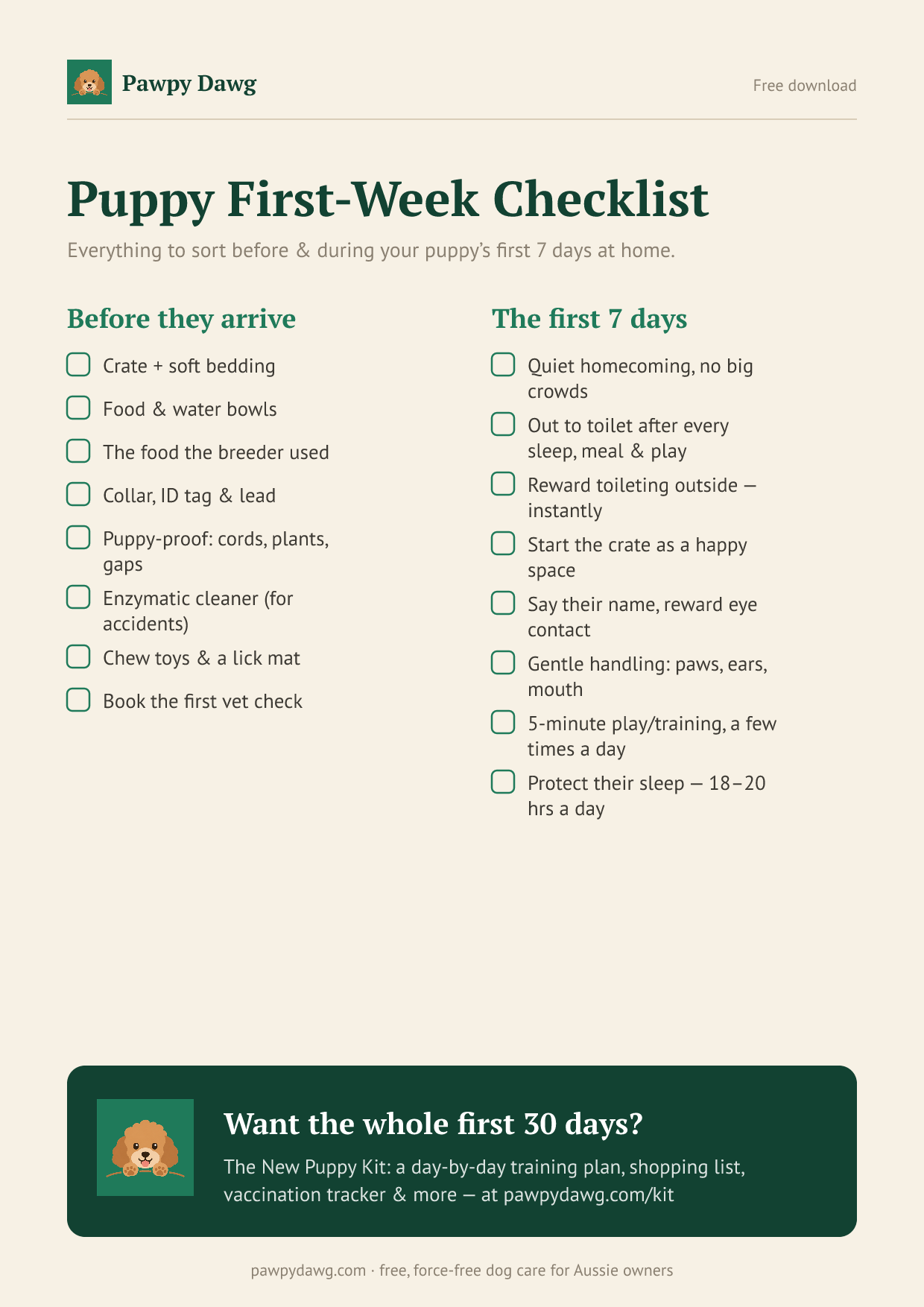
Free: the Puppy First-Week Checklist
Everything to sort before and during your puppy's first 7 days home — a printable one-pager. Plus the occasional genuinely useful dog tip. No spam, unsubscribe anytime.
Related guides
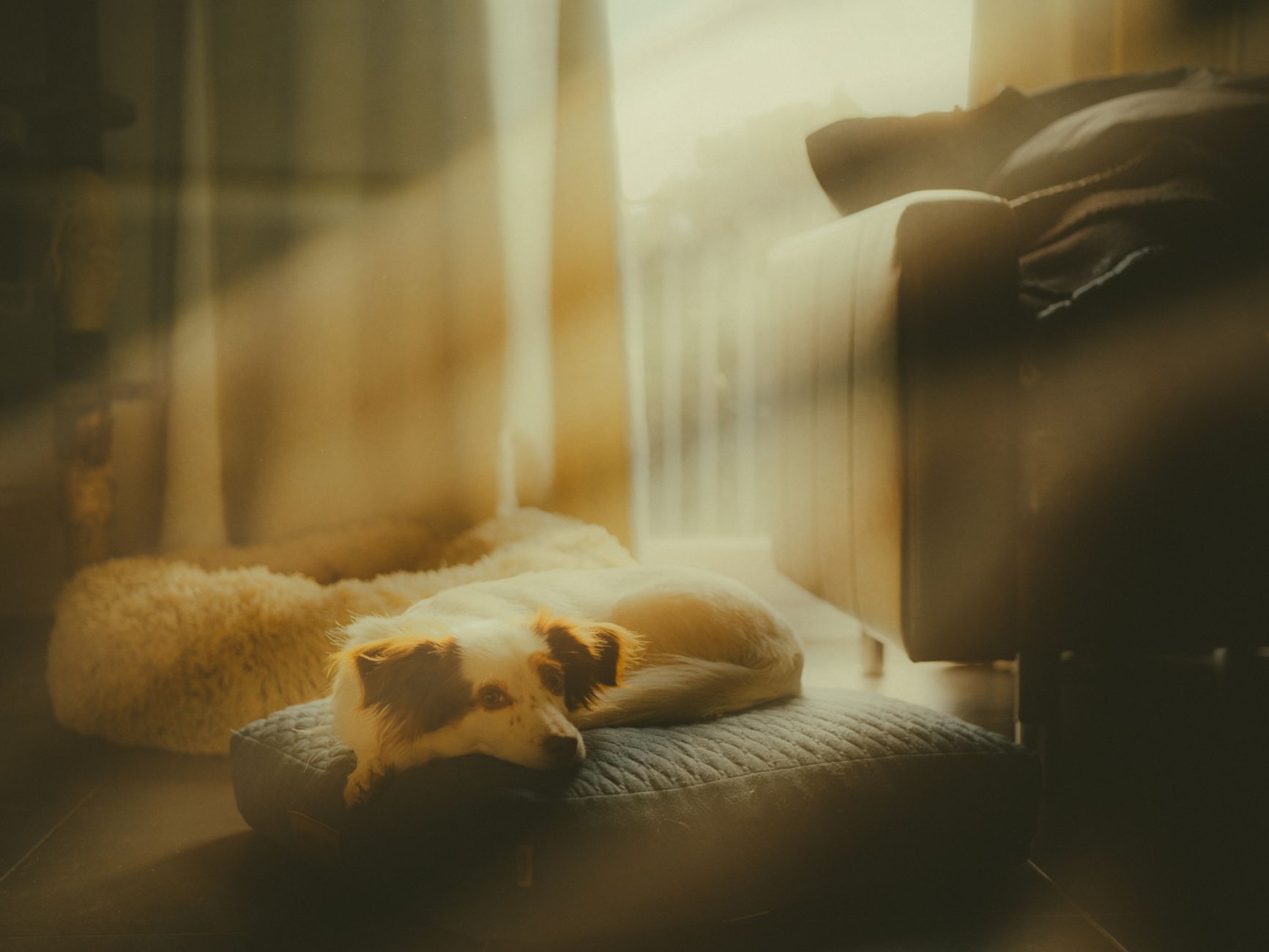
Is Pet Insurance Worth It in Australia? The Honest Maths
Is pet insurance worth it in Australia? We crunch real premiums vs real vet bills — cruciate surgery, snake bite & more — so you can decide with confidence.
Read the guide →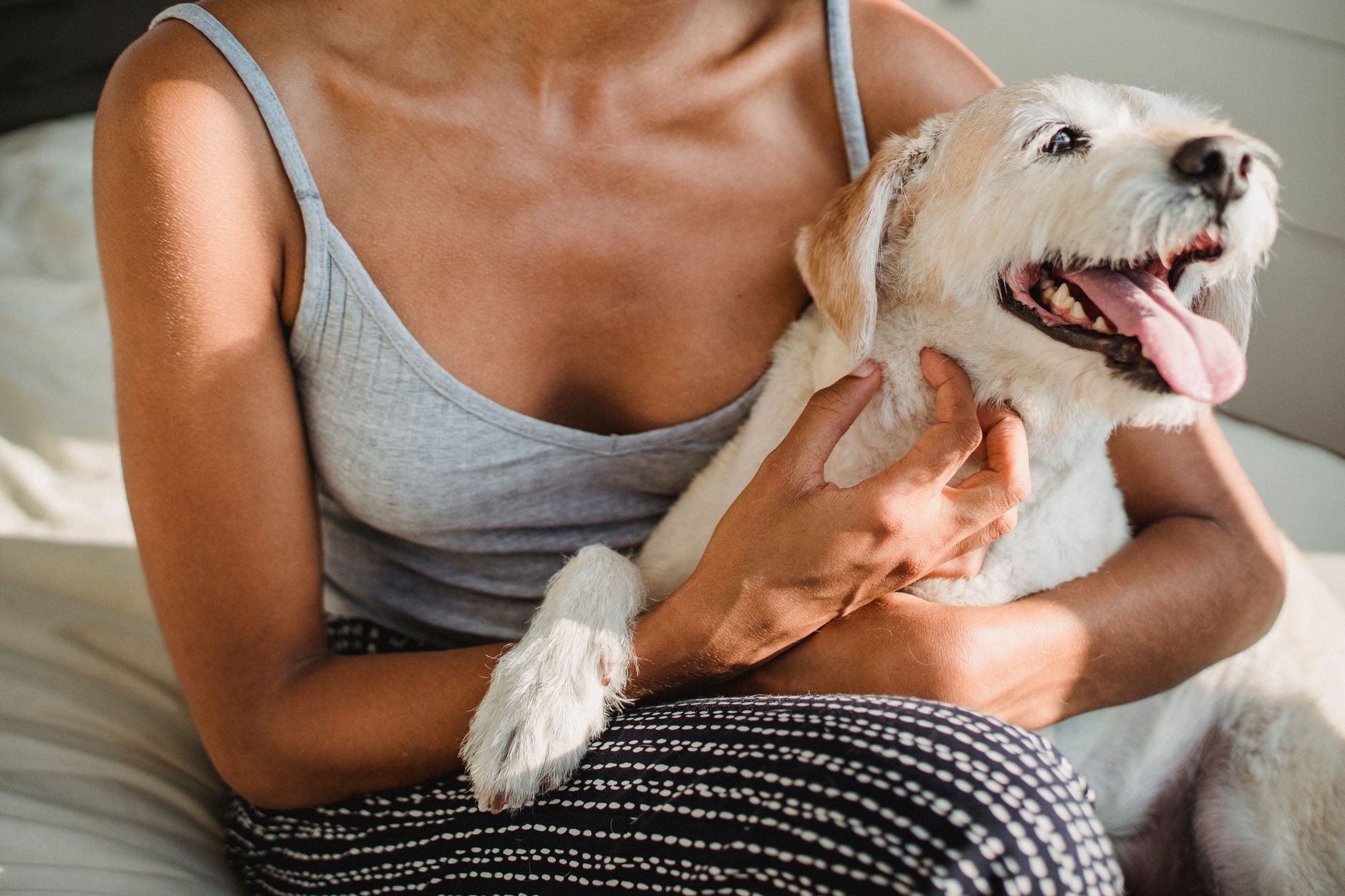
How Much a Dog Really Costs Per Year in Australia (2026 Breakdown)
How much does a dog cost per year in Australia? 2026 line-item breakdown covering food, vet, insurance, grooming & the costs first-timers always miss.
Read the guide →
Dog Vaccination Schedule in Australia: What, When and What It Costs
Confused by C3, C5 and kennel cough? Here's your complete dog vaccination schedule Australia cost guide — puppy timelines, adult boosters & typical AUD prices.
Read the guide →