
Groodle Separation Anxiety: A Step-by-Step Fix
Groodle separation anxiety is stressful — for you and your dog. This step-by-step positive-reinforcement plan gets results in minutes a day.

Written by Bradley Brown
Founder & editor · Reviewed 2026-07-11

You came home to shredded cushions, a neighbour complaint, or a dog so frantic he'd scratched through the door frame. Or maybe you haven't left yet — you're dreading what you'll find. Either way, you're not a bad owner, and your Groodle isn't broken. Separation anxiety is one of the most common issues vets and trainers see in this breed, and it is genuinely fixable with the right approach.
Here's one thing you can try tonight, before you read another word: when you next leave the room, don't make a fuss. No long goodbyes, no apologetic voice. Just get up and walk out calmly. Return before your dog has a chance to react. That's it. You just did your first departure exercise. Keep reading to build on it.
Why Groodles Are Especially Prone to Separation Anxiety
Groodles (Golden Retriever × Poodle) were bred to be people-focused. That's exactly what makes them so loveable — and exactly why being alone feels catastrophic to them. Both parent breeds score high on human attachment. Add in the fact that many Groodles were pandemic puppies raised in constant company, and you have a dog whose nervous system genuinely believes alone = danger.
This is not a training failure. It's a breed tendency meeting a stressful situation. The goal is to teach your dog, slowly and with evidence, that your departures always lead to your return.
Step-by-Step: The Graduated Departure Plan
This protocol is drawn from standard behaviour modification guidelines used by veterinary behaviourists across Australia. It works. The catch: you have to go slowly at first to go fast overall.
Step 1 — Establish a "Settle" Spot (Days 1–3, ~5 min/day)
Pick one spot — a mat, a crate, or a bed — near but not on the couch. Teach your dog that this spot pays well.
- Toss a treat onto the mat. Dog steps on? Treat. Repeat 10 times.
- Add a cue word ("place" or "settle") once they're moving to it reliably.
- Do this in two short sessions per day. Keep it light and fun.
You're not training obedience; you're building a positive emotional association with a spot that will become their safe place.
Step 2 — Practice Micro-Departures (Days 3–7, ~5–10 min/day)
This is where the real work happens — and where most people rush and undo their progress.
- Send your dog to their settle spot.
- Take two steps toward the door. Return immediately. Reward calmly.
- Next rep: take four steps. Return. Reward.
- Gradually increase distance over multiple sessions — not within a single session.
- Once you can reach the door, touch the handle. Return. Reward.
- Then open the door a crack. Close it. Return. Reward.
The rule: always return before your dog shows any stress sign (panting, whining, pacing). If they're already anxious, you've gone too far too fast. Drop back to an easier step.
Step 3 — Cross the Threshold (Week 2+, ~10 min/day)
Now you step outside for seconds at a time.
- Step out, close the door, count to five, come back in.
- No big hello — keep greetings calm and low-key. High-pitched "who's a good boy!" on return actually rewards the frantic state, not the calm one.
- Build duration: 5 seconds → 30 seconds → 2 minutes → 5 minutes → 15 minutes, across separate sessions over several days.
Realistic timeline: most dogs show meaningful improvement in 3–6 weeks of daily practice. Severe cases can take 3–6 months. If you need to leave for work before training is complete, management strategies (below) are essential.
Management While You're Training
Training takes time. Life doesn't pause. Use these strategies in parallel:
| Situation | Management Tool |
|---|---|
| Short absences (under 1 hr) | Kong stuffed with frozen peanut butter or wet food |
| Work days | Dog daycare, trusted dog-sitter, or a dog walker mid-day |
| Home alone all day | Consider asking a neighbour to check in, or use a pet camera to monitor |
| High-arousal before departure | 10-min sniff walk before you leave, not a vigorous run (arousal ≠ tired) |
| Boredom triggers anxiety | Scatter feeding breakfast in the backyard rather than a bowl |
A note on crates: A crate is only calming if your dog already has a positive association with it. Locking a panicking dog in a crate makes things worse, not better. Introduce the crate slowly using the same step-by-step positive approach.
Common Mistakes That Slow Progress
- Punishing anxious behaviour. Anxiety isn't defiance. Punishment adds fear to fear.
- Doing marathon training sessions. Five focused minutes beats a frustrated 45-minute session every time.
- Inconsistency. If housemates undo the calm departure routine, progress stalls. Brief everyone.
- Rushing to longer absences. The number one mistake. One too-long absence can set you back a week.
- Relying only on exercise. A tired Groodle is still a Groodle. Physical exercise helps, but it doesn't replace systematic desensitisation.
Calming Aids: What's Worth It?
These are adjuncts, not solutions — but they can take the edge off while you train:
- Adaptil (DAP) diffuser or collar — synthetic dog-appeasing pheromone; reasonable evidence base for mild anxiety (around $40–$70 AUD at most pet stores and vets)
- Snuffle mats and food puzzles — mental engagement reduces baseline arousal
- Calming music or white noise — some dogs respond well to reggae or classical music played softly (yes, really — there's published research on this)
- Anxiety wraps (e.g. Thundershirt) — mixed evidence, but low risk and around $60–$80 AUD; worth trialling
When to Get Professional Help
See your vet or a qualified veterinary behaviourist if:
- Your dog is injuring themselves (chewing paws, breaking teeth on crates, self-harm during panics)
- Your dog doesn't improve after 4–6 weeks of consistent, correct training
- The anxiety is severe from the very start — vocalisations immediately on departure, no latency period
- You're not coping — your own stress matters too
Your vet may discuss a short course of medication (such as fluoxetine or clomipramine) to lower your dog's anxiety baseline enough for training to land. Medication isn't giving up; it's giving your dog's nervous system a fighting chance. Most dogs are weaned off it once training is consolidated.
To find a credentialled professional in Australia, look for members of the Australian Veterinary Behaviour Interest Group (AVBIG) or trainers certified under the PPGA (Pet Professional Guild Australia).
Your Daily Training Checklist
Use this to stay on track without overthinking it:
- One 5-min settle spot session (morning or evening)
- Two to three micro-departure repetitions (build on yesterday's level)
- Calm, low-key departure and return every time — no drama either way
- One enrichment activity before any alone time (Kong, scatter feed, sniff walk)
- Note today's furthest successful step so you can build on it tomorrow
That's genuinely all it takes. Small, consistent reps win every time.
As an Amazon Associate we earn from qualifying purchases.
Frequently asked questions
How long does it take to fix groodle separation anxiety?
Mild cases typically show meaningful improvement within 3–6 weeks of daily graduated departure practice. Severe separation anxiety can take 3–6 months. The key variable is consistency — short daily sessions compound quickly, while skipping days or rushing duration can stall or reverse progress.
Should I crate my groodle to stop separation anxiety?
Only if your dog already has a positive association with the crate. For a dog that's already anxious, being confined in a crate during panic can intensify the distress and cause injury. Introduce any confinement space slowly and positively before using it during absences.
Does ignoring my groodle when I leave actually help?
Yes — keeping departures and arrivals calm and low-key is one of the most evidence-backed steps. Lengthy emotional goodbyes signal to your dog that your leaving is a big deal worth being distressed about. A matter-of-fact exit and a calm hello on return helps lower the emotional stakes of the whole event.
Can medication help groodle separation anxiety?
Yes, and it's sometimes the responsible choice for moderate to severe cases. A vet may prescribe medications such as fluoxetine or clomipramine to lower baseline anxiety, making it easier for training to take effect. Medication is generally used alongside behaviour modification, not instead of it, and most dogs are gradually weaned off once training is established.
My groodle is fine during the day at home — why does anxiety only happen when I leave?
Separation anxiety is specifically triggered by the absence of the attachment figure, not by being alone in general. Your dog has learned that certain cues (picking up keys, putting on shoes) reliably predict your departure, which alone can trigger a stress response. This is why the graduated departure plan targets those specific departure cues directly.
Is separation anxiety in groodles my fault?
No. Groodles are genetically predisposed to strong human attachment — it's a core trait of both the Golden Retriever and Poodle lines. Many cases were amplified by pandemic-era lockdowns where dogs rarely experienced alone time. The behaviour reflects your dog's emotional state, not your worth as an owner.
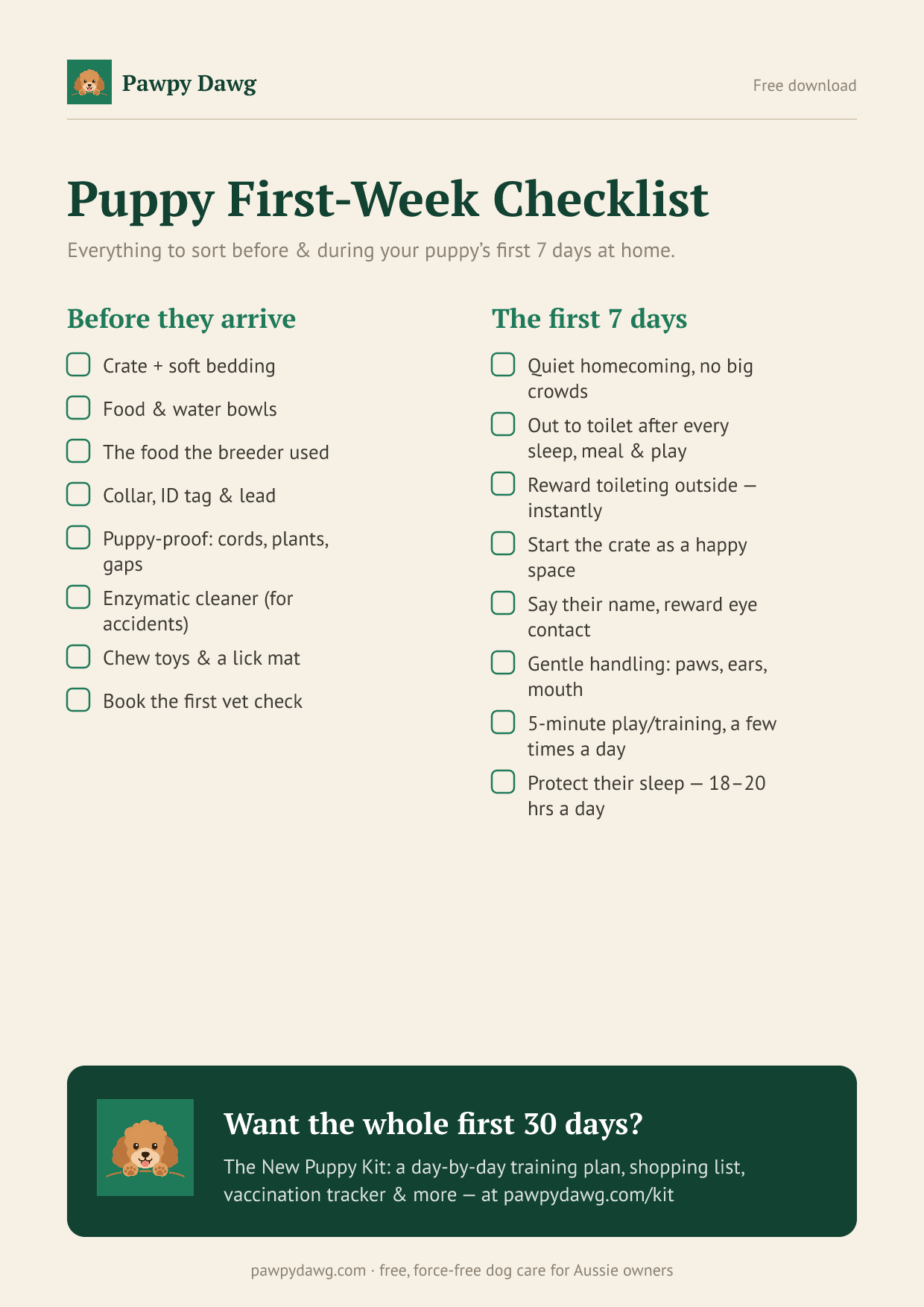
Free printable
Free: the Puppy First-Week Checklist
Everything to sort before and during your puppy's first 7 days home — a printable one-pager. Plus the occasional genuinely useful dog tip. No spam, unsubscribe anytime.
Related guides
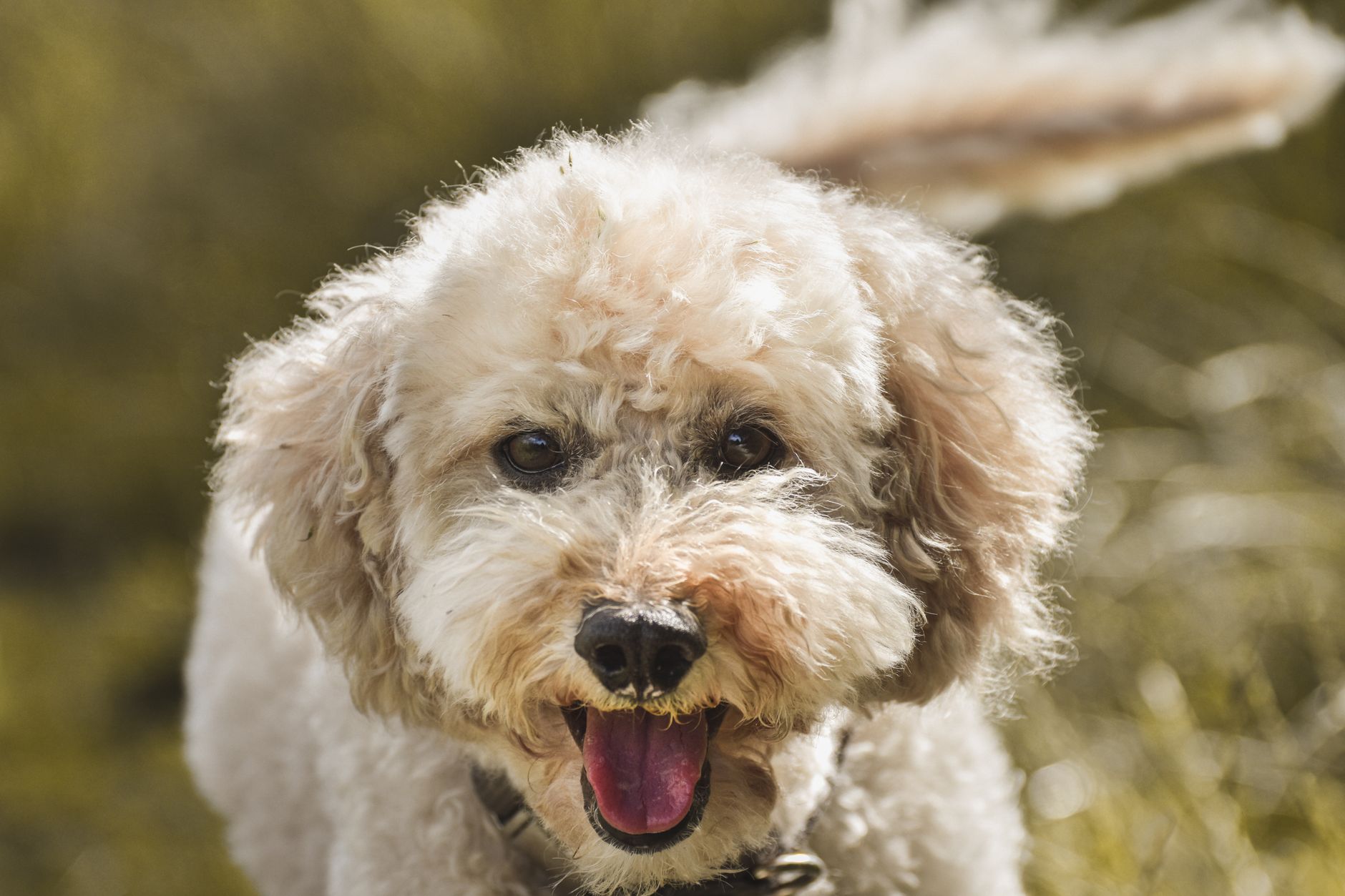
How to Stop a Groodle Pulling on the Lead (Step-by-Step)
Groodle pulling on the lead? Get a step-by-step positive-reinforcement plan, realistic timelines, common mistakes, and when to call a pro trainer.
Read the guide →
How to Stop a Groodle Barking at Strangers (Step-by-Step)
Groodle barking at strangers driving you mad? Follow this positive-reinforcement plan with realistic timelines, common mistakes, and when to call a pro.
Read the guide →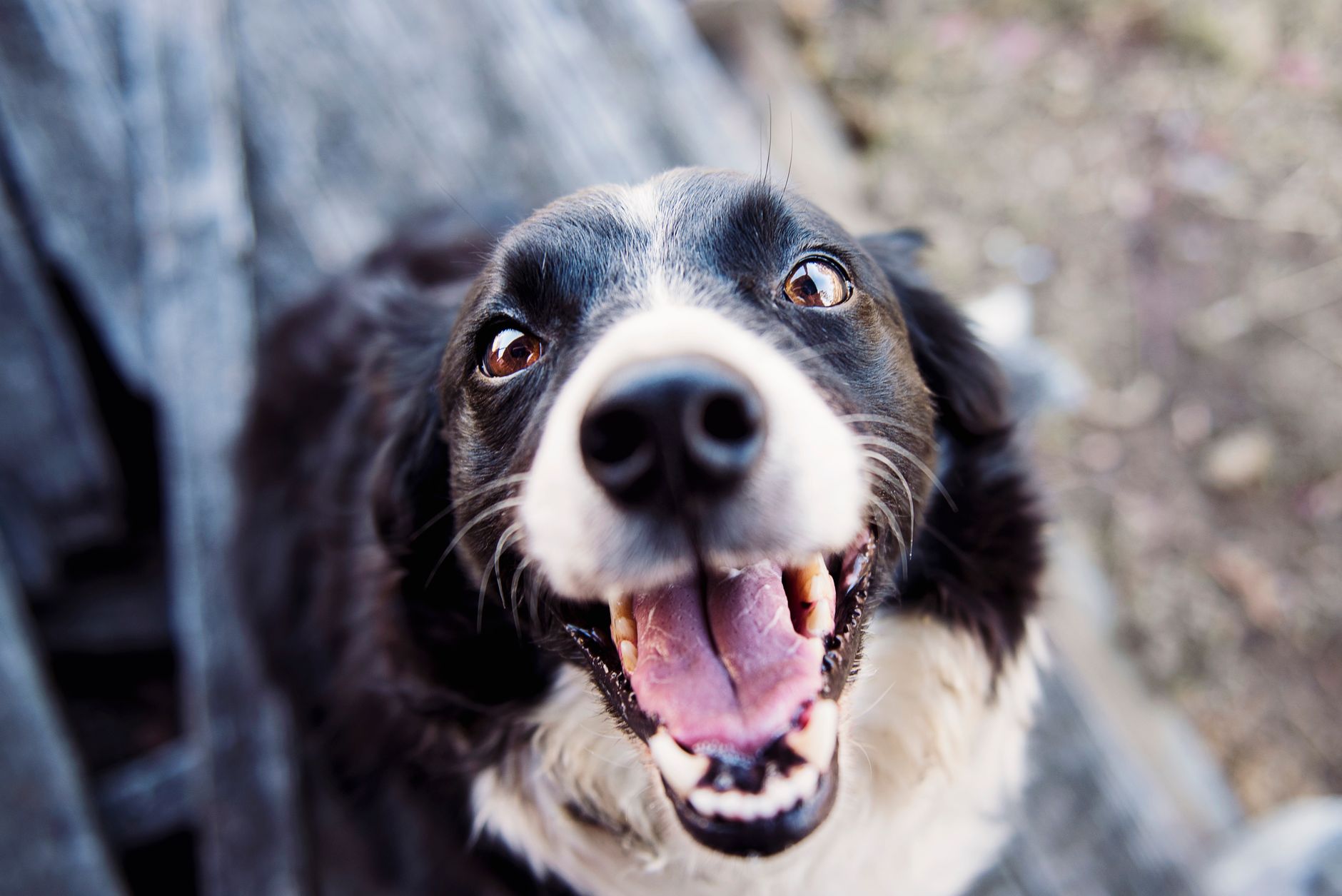
How to Stop a Groodle Jumping Up on People (Step-by-Step)
Tired of your Groodle knocking people over? Here's a step-by-step positive-reinforcement plan to stop groodle jumping up on people — fast, realistic, and guilt-free.
Read the guide →