
How to Stop a Groodle Pulling on the Lead (Step-by-Step)
Groodle pulling on the lead? Get a step-by-step positive-reinforcement plan, realistic timelines, common mistakes, and when to call a pro trainer.

Written by Bradley Brown
Founder & editor · Reviewed 2026-07-11
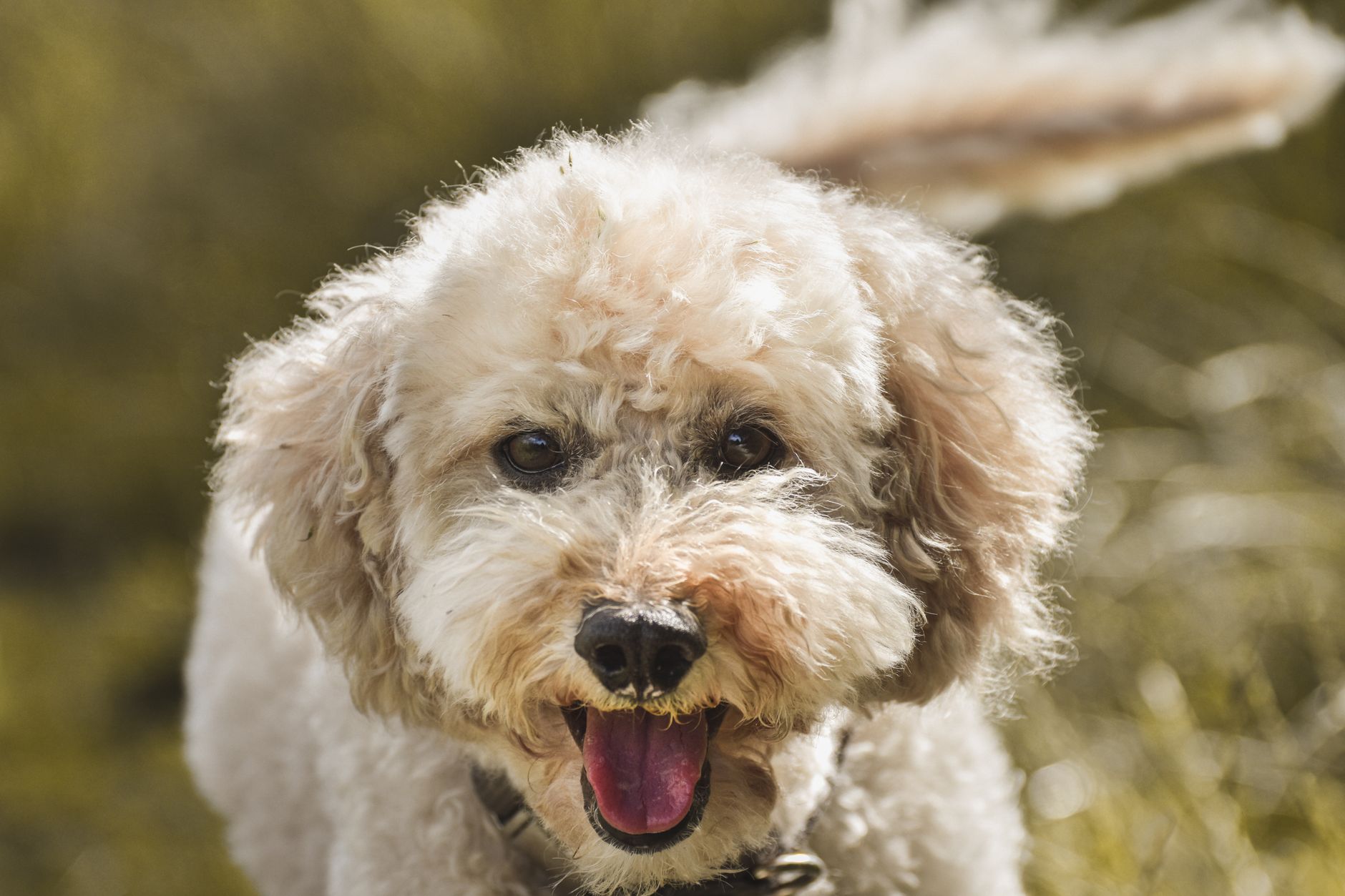
If your Groodle has been dragging you down the street like a furry freight train, you're not alone — and you haven't ruined your dog. Groodles are high-energy, sociable, and genuinely enthusiastic about everything, which is part of why people love them. It's also exactly why lead pulling is almost a breed rite of passage. The good news: this is one of the most fixable behaviours in dog training, and you don't need hours a day to see real progress.
Your Quick Win for Today: The "Stop and Wait" Method
Before we get into the full plan, here's something you can try on your very next walk — no equipment needed beyond what you already have.
How to do it:
- The moment your Groodle moves ahead and the lead goes taut, stop walking completely. No yanking, no verbal correction — just stop.
- Wait silently. Your dog will eventually turn to check why you've halted.
- The instant they turn back and there's even a tiny bit of slack in the lead, mark it ("yes!" or a click) and take a few steps forward as the reward.
- Repeat every single time the lead tightens.
It feels slow and a bit absurd at first. That's normal. You're teaching your Groodle that a tight lead = the world stops, and a loose lead = the walk continues. Even one session of this plants the seed.
Why Groodles Pull So Much
Understanding the "why" makes training faster.
- Size and strength: Groodles — especially standard-sized ones — can hit 30 kg or more. What was a cute tug as a puppy becomes a shoulder injury by 12 months.
- Poodle + Golden Retriever energy: Both parent breeds were bred to move, cover ground, and engage with the environment. Pulling is self-rewarding: they pull, they get closer to the smell/dog/person. The behaviour practises itself every walk.
- Inadvertent reinforcement: If the walk continues while they pull — even once — they learn that pulling works. It only needs to work sometimes to keep the behaviour alive.
The behaviour is not stubbornness, dominance, or a sign you've done something wrong. It's a dog doing what dogs find reinforcing. Your job is to make the other choice more rewarding.
The Full Step-by-Step Plan
Step 1 — Get the Right Equipment (Week 1)
The tool matters. A standard flat collar gives a pulling Groodle enormous mechanical advantage over you.
| Equipment | Good for | Avoid if… |
|---|---|---|
| Front-clip harness (e.g., Ruffwear Front Range, EzyDog Convert) | Most Groodles; reduces pulling immediately by redirecting the body | Your dog has a neck/shoulder injury |
| Head halter (e.g., Halti, Gentle Leader) | Strong pullers, reactive dogs | Your dog hasn't been properly conditioned to it first |
| Back-clip harness | Relaxed walkers only | Your dog already pulls — it makes pulling easier |
| Choke/prong collar | — | Always; aversive tools suppress behaviour without teaching an alternative and can cause injury |
A front-clip harness is the easiest starting point for most Groodle owners. It won't train your dog on its own, but it buys you control while you do the training.
Step 2 — Pre-Walk Energy Dump (5 Minutes)
A Groodle that's been inside all day is going to explode out the door. Spend five minutes before the walk doing a quick backyard game of fetch, tug, or scatter feeding (throw a handful of kibble in the grass and let them sniff it out). This takes the edge off their arousal so they can actually think during the walk.
Step 3 — Practise Loose-Lead Walking in Low Distraction First
Don't start your loose-lead training on a busy footpath. Begin in the backyard or a quiet street.
- Load your reward hand with small, high-value treats (cheese, cooked chicken, or a dedicated training treat — aim for pea-sized pieces).
- Start walking. Keep the treat hand at your hip on the side your dog walks.
- Reward frequently — every 3–5 steps initially — while the lead is loose. You're building the habit that being near you pays well.
- Gradually increase the number of steps between treats as your dog gets the idea.
- When they forge ahead: stop (Step 1 method), wait for slack, mark, and reward.
Step 4 — Add a Cue
Once your Groodle is regularly checking in with you, attach a word to it. Say "with me" or "close" as they arrive into position beside you, then reward. Over time you can use this cue to re-engage them when they drift.
Step 5 — Gradually Increase Difficulty
Progress through these environments in order — only move to the next once your dog is reliably loose-leashing in the current one:
- Backyard
- Quiet street (early morning or evening)
- Suburban footpath, low foot traffic
- Suburban footpath, moderate foot traffic
- Dog-friendly café strip or park entrance
Rushing this step is the most common reason training stalls.
Keep Sessions Short — Seriously
5–10 minutes of focused training beats a 60-minute frustrated walk every time. If you have a standard Groodle that needs a longer outing, split it: do 5–10 minutes of active training, then allow a "free sniff" on a long lead or in a safe off-lead area for the rest of the time. Sniffing is mentally tiring in a good way.
Common Mistakes That Slow Progress
- Inconsistency: One family member allows pulling; another doesn't. Your dog learns that pulling works with some people. Everyone in the household needs to use the same approach.
- Only rewarding at home: Practice needs to happen on the walk, in real conditions. Treats stay in your pocket until you're out the door.
- Expecting too much too fast: Most Groodles show noticeable improvement in 2–4 weeks of daily short sessions. A solid, reliable loose lead in all environments typically takes 2–3 months. That's not a failure — that's normal canine learning.
- Letting the walk continue when they pull: Even once. If you're in a hurry, drive to the park and let them off lead rather than "practising" pulling for 20 minutes.
When to Get Professional Help
Call a positive-reinforcement trainer (look for a member of Delta Society Australia or a Cert IV–qualified trainer) if:
- Your dog is lunging aggressively at people, dogs, or vehicles — this is reactivity, which needs a specific behaviour modification plan, not just loose-lead training.
- You're experiencing pain or injury from being pulled — a trainer can give you better management tools immediately.
- After 6–8 weeks of consistent daily practice you're seeing no improvement at all.
- Your dog's pulling started suddenly after previously walking well — rule out pain (a vet check first).
A good trainer will typically charge $80–$180 AUD per session and can often identify the sticking point within a single lesson. It's money well spent compared to months of frustration.
A Realistic Timeline
| Week | What to expect |
|---|---|
| 1–2 | Lots of stopping. Slow, frustrating walks. This is normal and necessary. |
| 3–4 | Your dog starts anticipating the stop and self-correcting more often. |
| 5–8 | Loose lead in low-distraction areas becomes the default. |
| 2–3 months | Reliable loose lead in most everyday environments. |
Groodles are smart dogs with a strong desire to work with people — that's the Golden Retriever in them. Once they understand what you're asking, they genuinely want to get it right. Stick with it.
As an Amazon Associate we earn from qualifying purchases.
Frequently asked questions
How long does it take to stop a Groodle pulling on the lead?
Most owners see noticeable improvement in 2–4 weeks of consistent daily sessions of 5–10 minutes. A reliably loose lead across all environments — busy streets, parks, cafés — typically takes 2–3 months. Rushing the process or skipping low-distraction practice stages is the main reason progress stalls.
What is the best harness or collar to stop a Groodle pulling?
A front-clip harness (such as the Ruffwear Front Range or EzyDog Convert) is the most practical starting point for most Groodle owners. It reduces pulling immediately by redirecting the dog's body rather than letting them use their full weight against you. It won't train the behaviour on its own, but it gives you control while you work on the training.
My Groodle only pulls towards other dogs — is that different?
If your Groodle lunges hard towards other dogs with barking, growling, or intense fixation, that's likely leash reactivity rather than simple pulling, and it needs a specific behaviour modification protocol. Start with a qualified positive-reinforcement trainer rather than just the loose-lead exercises, as the underlying emotional response needs to be addressed first.
Is it too late to train my adult Groodle to stop pulling?
No — adult dogs learn new behaviours very well, and loose-lead walking is achievable at any age. The process may take a little longer than with a young puppy simply because the pulling habit is more established, but the same positive-reinforcement methods work just as effectively. Consistent daily practice is the key variable, not the dog's age.
Should I use a retractable lead while I'm training?
Avoid retractable leads during training. They constantly apply tension to the lead, which is the exact sensation you're trying to eliminate, and they prevent your dog from learning what a loose lead feels like. Use a standard flat lead of 1.2–1.8 metres for all training sessions.
My Groodle walks beautifully off lead but pulls constantly on lead — why?
This is very common. Off lead, your dog can move at their own pace and self-direct — pulling isn't necessary. On lead, pulling is the only tool they have to get somewhere faster. It confirms the problem is lead-specific, not a general obedience issue, and means the loose-lead training plan above is exactly the right approach.
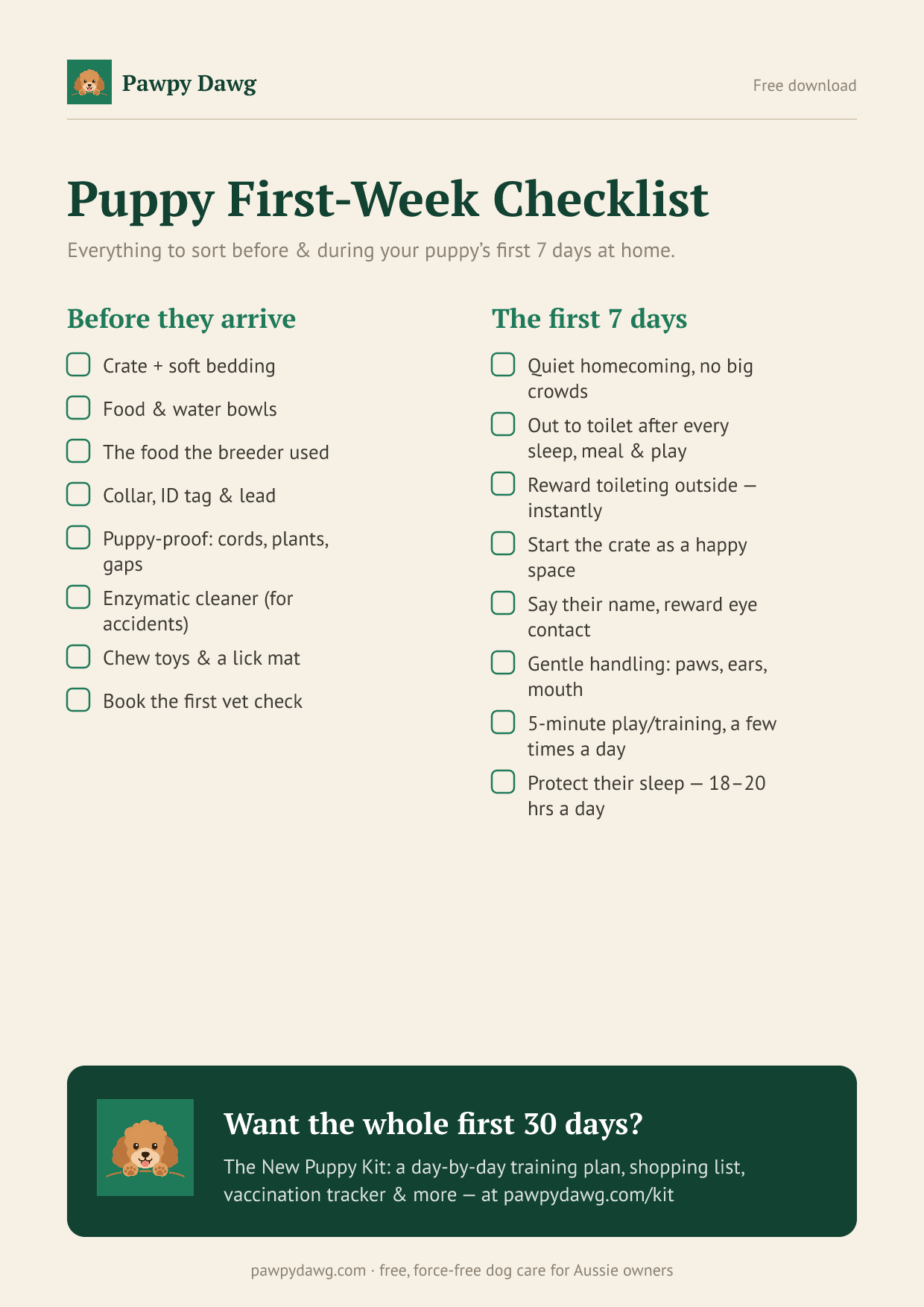
Free printable
Free: the Puppy First-Week Checklist
Everything to sort before and during your puppy's first 7 days home — a printable one-pager. Plus the occasional genuinely useful dog tip. No spam, unsubscribe anytime.
Related guides
How to Stop a Groodle Barking at Strangers (Step-by-Step)
Groodle barking at strangers driving you mad? Follow this positive-reinforcement plan with realistic timelines, common mistakes, and when to call a pro.
Read the guide →
Groodle Separation Anxiety: A Step-by-Step Fix
Groodle separation anxiety is stressful — for you and your dog. This step-by-step positive-reinforcement plan gets results in minutes a day.
Read the guide →
How to Stop a Groodle Jumping Up on People (Step-by-Step)
Tired of your Groodle knocking people over? Here's a step-by-step positive-reinforcement plan to stop groodle jumping up on people — fast, realistic, and guilt-free.
Read the guide →