
Getting a Second Dog: How to Introduce Them and Keep the Peace
Introducing a second dog doesn't have to be chaos. Learn how to pick the right match, nail the first meeting, and keep the peace at home — in minutes a day.

Written by Bradley Brown
Founder & editor · Reviewed 2026-11-15
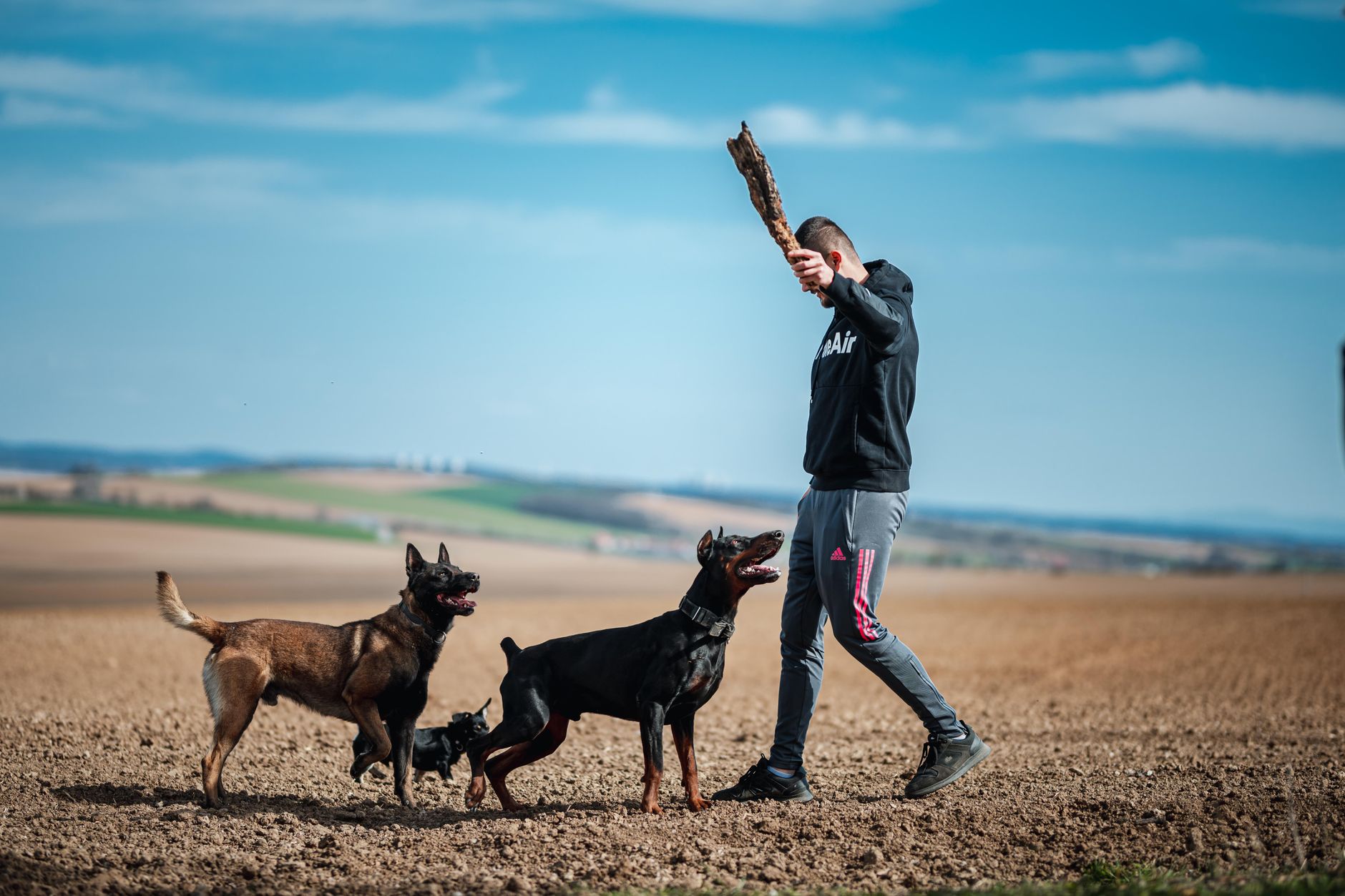
Getting a second dog is genuinely exciting — and genuinely stressful. The good news is that most dogs do settle together, and the bumpy first few weeks are normal, not a sign you've made a terrible mistake.
How do I know if my current dog actually wants a companion?
Not every dog does. Some dogs are deeply bonded to their humans and find another dog more annoying than enriching. Watch yours at the dog park or on walks: does he seek out other dogs and play freely, or does he stiffen, ignore them, or actively avoid contact? A dog who already lives happily as an only child may not be miserable — he may just be an only-dog kind of dog.
Age matters too. A nine-year-old who has always been your sole dog will find a boisterous eight-month-old pup far more exhausting than companionable. If your older dog has arthritis or anxiety, introducing a second dog could actually make his quality of life worse, not better. It's worth a conversation with your vet before you commit.
If your dog enjoys dog company and has reasonable social skills, the odds are good. If he has a history of dog-on-dog aggression, go slowly and get a trainer involved before you bring anyone home.
Does the breed or size pairing actually matter?
It matters less than temperament, but it's not irrelevant. A greyhound and a maltese can get along beautifully — and a greyhound and a maltese can also have a catastrophic size mismatch in rough play. The practical rule: the more similar their energy levels and play styles, the smoother the adjustment.
Opposite-sex pairings (one male, one female, both desexed) tend to have fewer dominance clashes than same-sex pairs, though this is a tendency, not a law. Two females can be the trickiest combination statistically, particularly if both are strong-willed.
Rescue organisations and reputable breeders are often good at matching. Many rescues will do a trial meet-and-greet with your existing dog before adoption is finalised — always take that offer. A dog who is described as "good with other dogs" but then stiffens and stares at your dog during the meet is showing you something important. Trust what you see, not the paperwork.
What does a good first introduction actually look like?
Neutral ground is the non-negotiable starting point. Your home and your yard already smell like your first dog — bringing a stranger straight in there triggers territorial responses that wouldn't otherwise occur. Choose a park, a quiet street, or any space neither dog has claimed.
Start with both dogs on lead, handlers relaxed (tension travels straight down the lead). Walk them in parallel about five metres apart for a few minutes before you let them arc toward each other. Let them sniff briefly — five to ten seconds — then walk away again. Keep it short and positive. You are building a bank of "this other dog = nothing bad happens" before you let them interact freely.
Watch body language, not noise. A little growl during play is often fine. What you're looking for as warning signs: stiff body, hard stare, hackles up along the entire spine, one dog pinning the other and not releasing. If you see those, calmly separate and try again another day, shorter and further apart.
Do two or three neutral-ground sessions before you bring the new dog home. When you do bring her inside, let your first dog come in after her so he isn't ambushed at his own front door.
How do I manage food, toys, and sleeping spots without fights?
Separate feeding is non-negotiable for at least the first few months. Feed in different rooms or behind a closed door, and pick up bowls the moment eating is done. Food guarding is one of the most reliable flashpoints between dogs who are otherwise getting along fine — there's no reason to test it.
High-value items — raw bones, bully sticks, stuffed Kongs — should be given separately and supervised until you are confident both dogs are comfortable. Toys left loose in the environment are lower risk, but watch for resource guarding: a dog standing stiffly over a toy while eyeing the other dog is asking for the toy to be temporarily removed.
Sleeping spots are worth thinking about deliberately. If your first dog has always slept on the bed or a particular couch, that spot has social value. The new dog jumping on it in week one can cause friction. Set up a comfortable, clearly "hers" space for the new dog — a crate or a dedicated bed — so each dog has somewhere to retreat that isn't contested. Dogs who can get away from each other when they want to are far less likely to escalate tension.
The first few weeks feel tense — is this normal, or is something actually wrong?
Almost certainly normal. Even well-matched dogs take four to eight weeks to genuinely settle together. In the first week, your existing dog may be sulky, clingy with you, or briefly off his food. The new dog may be overwhelmed and quieter than expected. Neither of these things means you've made a mistake.
What you're managing in this period is two things: too much forced togetherness, and too little individual attention. Give each dog daily one-on-one time — even ten minutes of separate training or a solo walk. Keep group sessions low-key. If the new dog is a puppy, use the crate or a pen so your older dog gets genuine rest time away from her.
Signs the tension is more than settling-in stress: repeated, escalating fights (not just grumbling), one dog unable to eat or sleep normally after two weeks, one dog constantly hiding. If you're seeing those things, call a trainer — specifically one who uses reward-based methods and has experience with multi-dog households. The earlier you get eyes on the situation, the simpler the fix usually is. In Sydney and Melbourne, expect to pay $150–$300 AUD for a home consultation; it's money well spent compared to rehoming.
What does keeping the peace look like long-term?
The relationship your dogs build in months one through three tends to set the pattern for years. A few habits that maintain it:
| Habit | Why it matters |
|---|---|
| Separate feeding, always | Removes the most reliable trigger for resource conflict |
| Individual training sessions | Keeps each dog's bond with you strong; prevents jealousy |
| Parallel walks | Shared activity that isn't face-to-face pressure |
| Rotating who gets "first" (fed, greeted, let out) | Avoids accidentally reinforcing one dog as permanently dominant |
| Downtime with physical separation | Dogs need to opt out of each other — provide the space |
You don't need elaborate rituals. The goal is two dogs who have a stable, low-drama relationship — not two dogs who are inseparable best friends (some dogs achieve that; many don't, and that's fine). They can live together contentedly, play sometimes, and mostly do their own thing. That's a success.
The owners who struggle most are those who interpret every grumble and squabble as failure. Dogs communicate with each other constantly, and much of that communication sounds alarming to human ears. If the interaction ends quickly, both dogs move on, and nobody is injured, you're watching normal dog negotiation. Step in calmly when you need to, but don't hover — over-managing prevents them from figuring each other out.
Give it three months before you assess whether the match is working. Most households that make it to the three-month mark without serious escalation go on to be genuinely happy multi-dog homes.
As an Amazon Associate we earn from qualifying purchases.
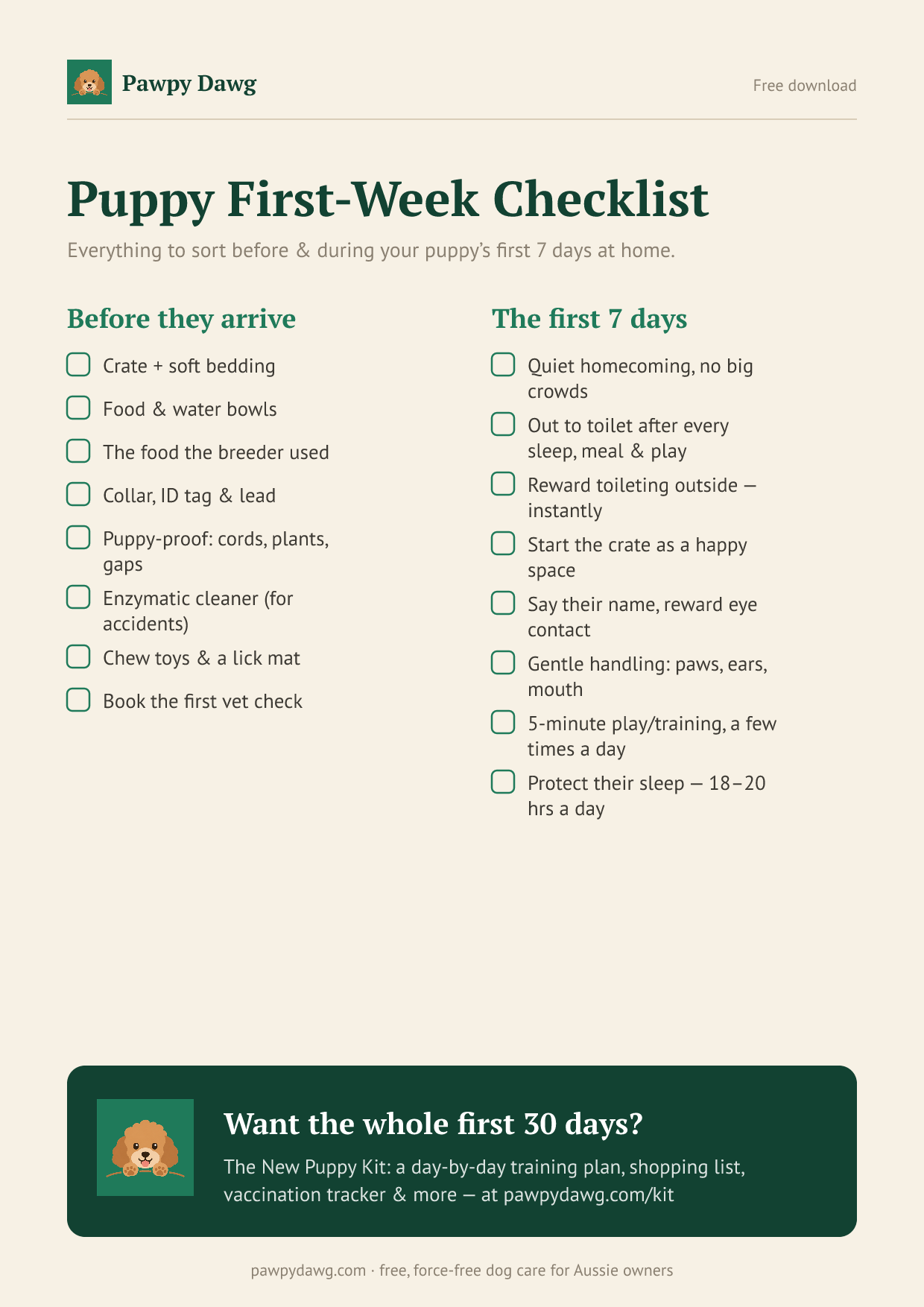
Free printable
Free: the Puppy First-Week Checklist
Everything to sort before and during your puppy's first 7 days home — a printable one-pager. Plus the occasional genuinely useful dog tip. No spam, unsubscribe anytime.
Related guides
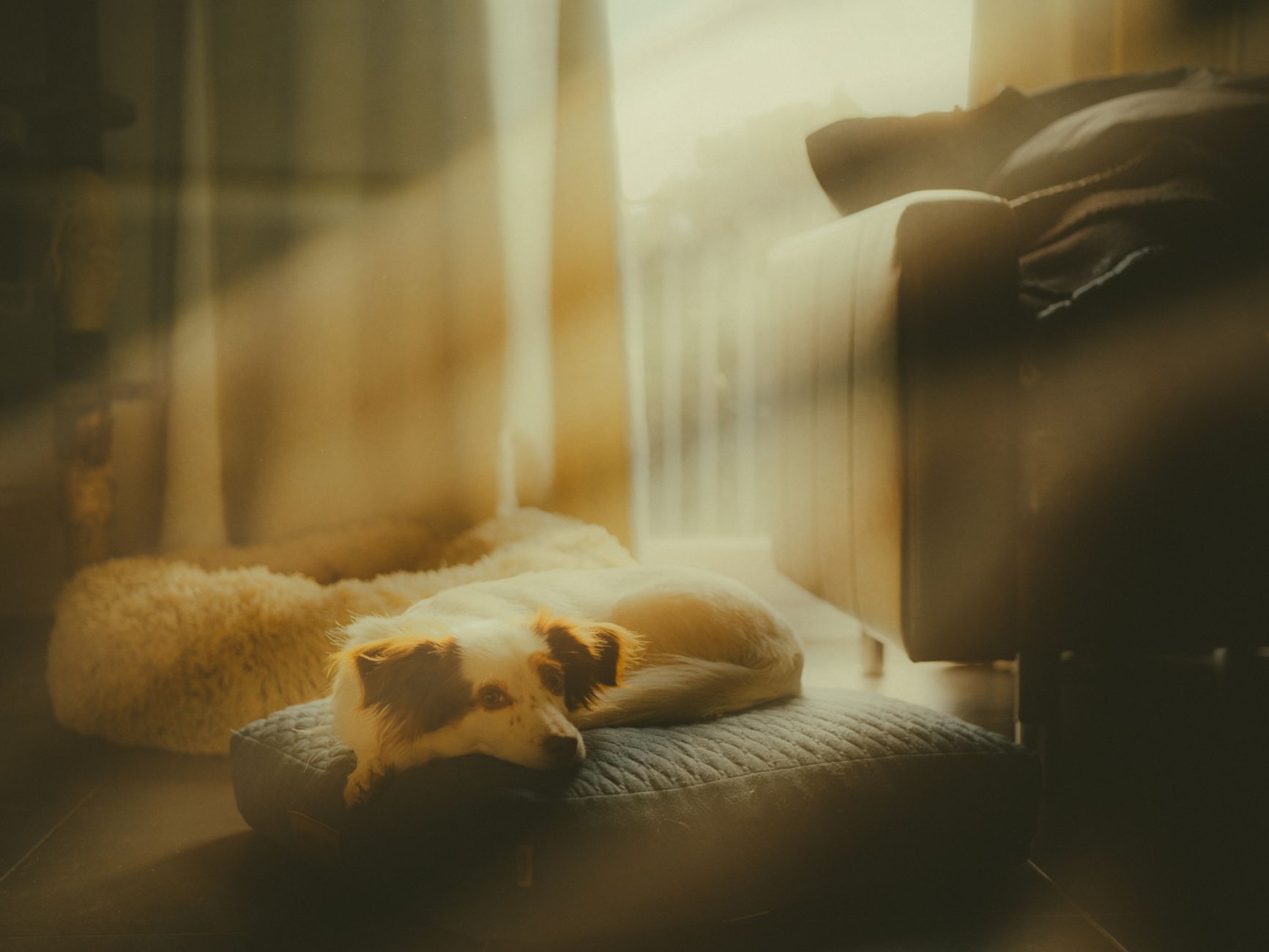
Is Pet Insurance Worth It in Australia? The Honest Maths
Is pet insurance worth it in Australia? We crunch real premiums vs real vet bills — cruciate surgery, snake bite & more — so you can decide with confidence.
Read the guide →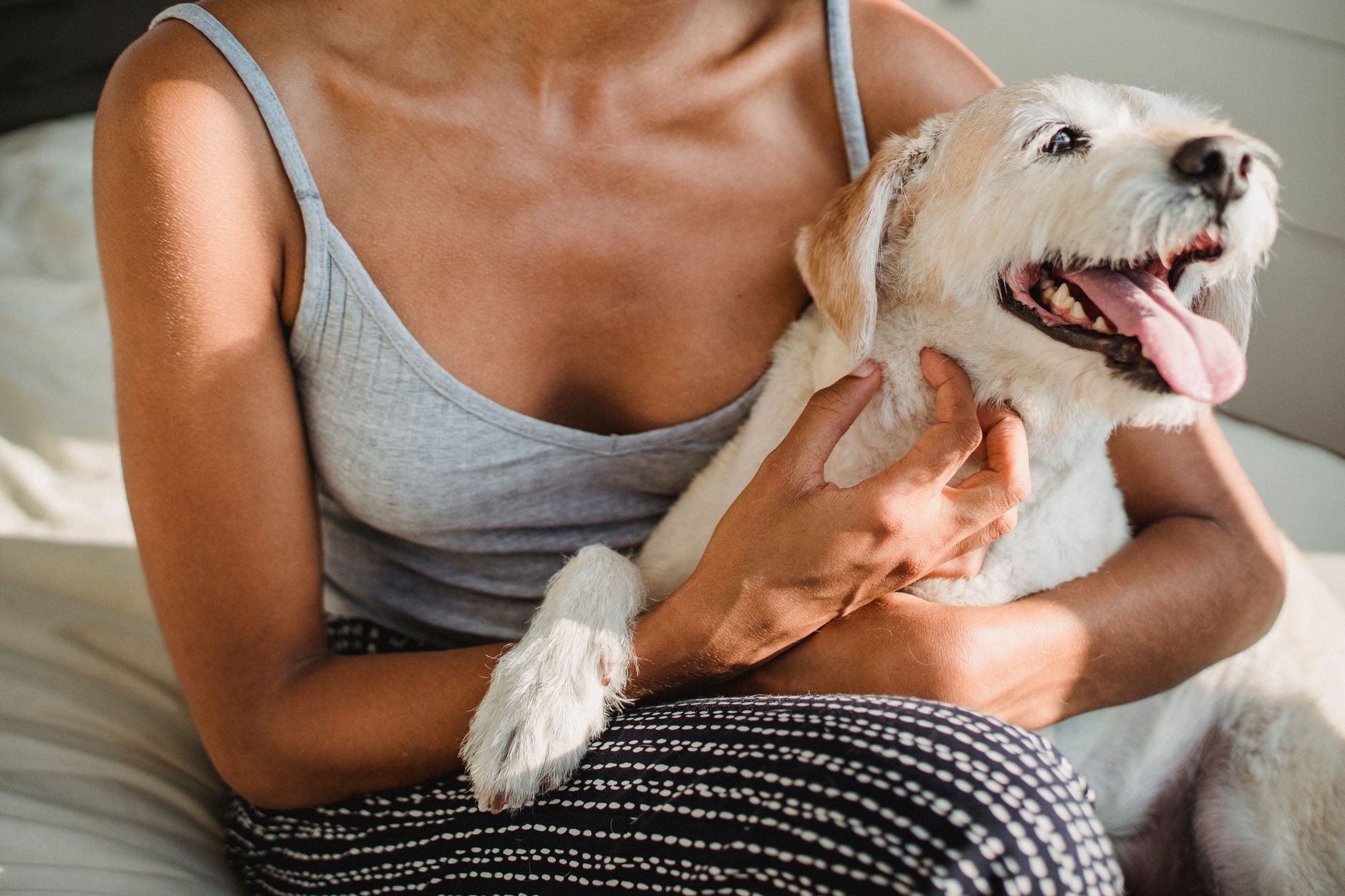
How Much a Dog Really Costs Per Year in Australia (2026 Breakdown)
How much does a dog cost per year in Australia? 2026 line-item breakdown covering food, vet, insurance, grooming & the costs first-timers always miss.
Read the guide →
Dog Vaccination Schedule in Australia: What, When and What It Costs
Confused by C3, C5 and kennel cough? Here's your complete dog vaccination schedule Australia cost guide — puppy timelines, adult boosters & typical AUD prices.
Read the guide →