
10 Easy Tricks to Teach Your Dog This Weekend
Looking for easy tricks to teach your dog this weekend? Here are 10 fun, quick-to-learn tricks that build obedience, confidence, and a stronger bond.

Written by Bradley Brown
Founder & editor · Reviewed 2026-11-15
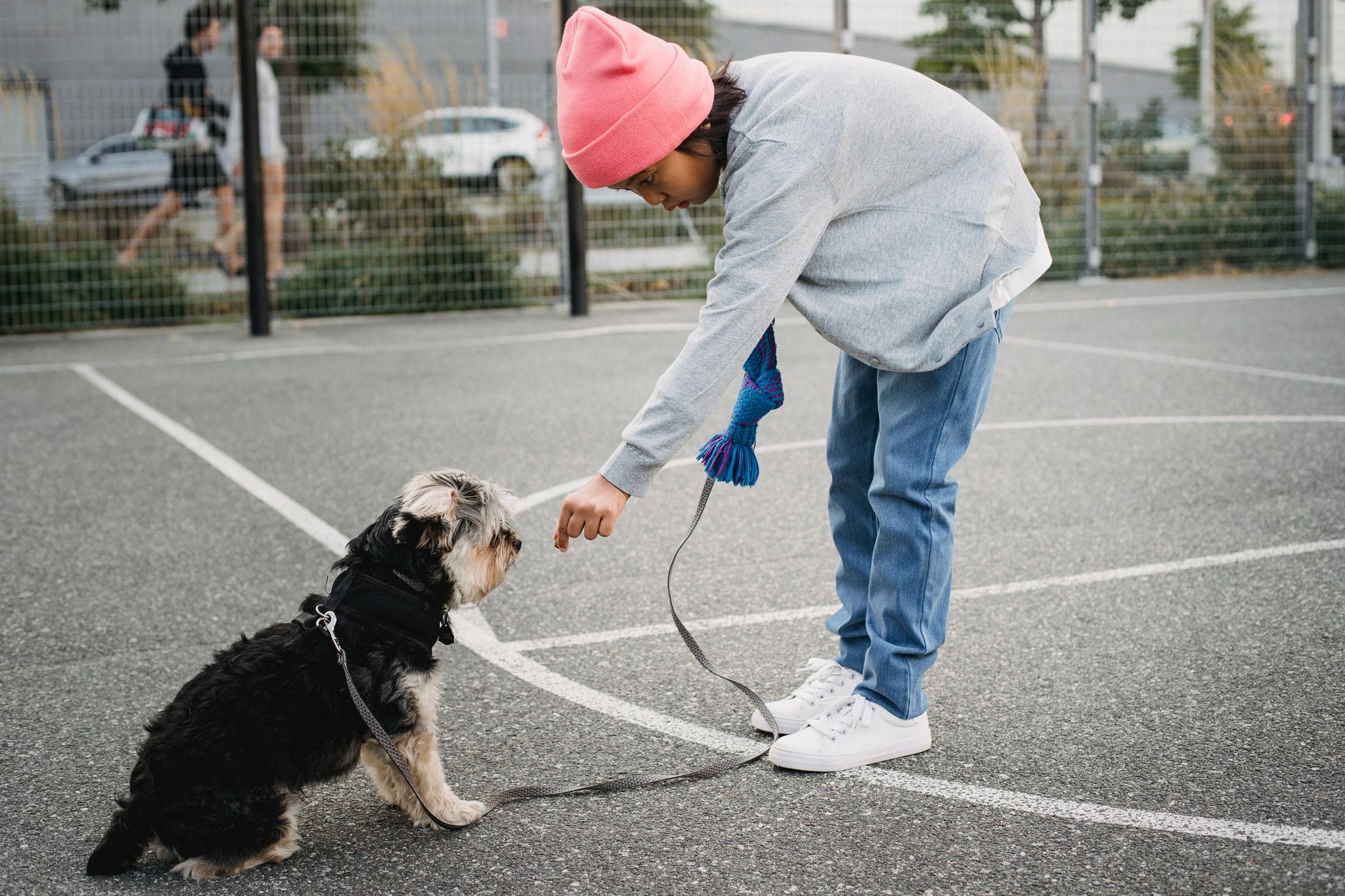
Teaching tricks isn't about showing off at the dog park. It's one of the most practical things you can do for your dog's behaviour, focus, and stress levels — and it takes as little as five minutes a day. If your dog pulls on the lead, ignores you at the front door, or just seems bored and restless, a consistent trick-training habit fixes more than you'd expect.
Below are ten tricks ranked roughly from easiest to slightly more involved. Each one is genuinely achievable over a weekend with a pocket full of small treats and a dog who hasn't eaten yet.
Before You Start: One Rule That Makes Everything Easier
Keep sessions to five minutes maximum, two or three times a day. Dogs — especially younger ones — lose focus fast, and ending on a success matters more than drilling repetitions. Use high-value treats (small pieces of cheese, chicken, or a commercial training treat around $15–$20 per bag at most pet shops). Save them strictly for training so they stay special.
The 10 Tricks, Honestly Assessed
1. Sit
If your dog doesn't have a reliable sit, start here. Hold a treat above their nose and move it slowly back over their head. Their bottom goes down; you reward immediately. Most dogs nail this in one session. It's the foundation for half the tricks below.
2. Drop (Lie Down)
From a sit, move a treat from your dog's nose straight down to the floor between their front paws, then drag it slowly forward. They follow it into a drop. Takes a session or two. Suits every dog.
3. Stay
Ask for a sit or drop, say "stay," take one step back, return, reward. Increase distance and duration gradually — don't rush. This is the most useful trick on this list for real-life situations like answering the front door.
4. Shake (Paw)
Ask for a sit. Hold a treat in your closed fist near their paw. Most dogs will paw at your hand; the moment they touch it, open your fist and reward. Add the cue word "shake" once they're offering the paw reliably. Crowd-pleaser, quick to learn.
5. High Five
Once shake is solid, hold your open palm up slightly higher. Same idea, different angle. Usually takes one short session if shake is already there.
6. Spin
Hold a treat at your dog's nose and lure them in a circle — go slowly. Reward when they complete the loop. After a few repetitions, introduce the cue "spin." Works beautifully as a quick energy outlet before meals.
7. Touch (Nose to Hand)
Hold your flat palm a few centimetres from your dog's nose. Most dogs sniff it instinctively; click or say "yes" and reward the moment contact happens. This one becomes genuinely useful — it's how you guide your dog away from distractions without pulling the lead.
8. Roll Over
Start from a drop. Lure with a treat from nose, over the shoulder, until they tip onto their side and then all the way over. Some dogs find this uncomfortable on hard floors — use a mat or grass. Stockier breeds may take longer; don't force it.
9. Play Dead ("Bang")
From a drop, lure your dog onto their side (same motion as the first half of roll over) and hold them there for a second with a treat, then reward. Pair with a finger-gun gesture and the cue "bang." Takes more patience than the others but always gets a reaction from guests.
10. Back Up
Stand in front of your dog and walk calmly into their space. Most dogs will step backwards; reward that movement. Use a narrow hallway to guide the direction. Practical for doorways and tight spaces, and surprisingly quick to teach.
Which Approach Actually Works Best
| Approach | Best for | Watch out for |
|---|---|---|
| Lure-then-fade (treat in hand to guide) | Beginners, puppies, dogs new to training | Fading the lure too slowly — dogs learn to need the hand |
| Capturing (reward what happens naturally) | Calm behaviours like sit, eye contact | Requires patience; slower for active tricks |
| Shaping (reward small steps toward the goal) | Advanced handlers, complex tricks | Easy to confuse the dog if timing is off |
The recommendation for most owners: lure-then-fade for all ten tricks above. It's fastest, clearest for the dog, and you can fade the food lure within a few sessions by moving it to your treat pouch and using an empty hand signal instead.
Why Tricks Make Your Dog Better-Behaved Generally
This isn't just fun — it's functional. Dogs who do regular short training sessions show lower anxiety, respond faster to known cues in distracting environments, and are easier to manage in public. The mental effort of learning something new tires a dog out more efficiently than a long walk alone. Ten minutes of trick training can take the edge off a restless afternoon.
If your dog already knows a few basics, pick three or four tricks from this list and rotate them across the weekend. You'll be surprised how quickly even the "hard" ones come together when sessions stay short and positive.
As an Amazon Associate we earn from qualifying purchases.
Frequently asked questions
How long does it take to teach a dog a new trick?
Most basic tricks like sit, shake, or spin can be introduced in a single five-minute session, though it usually takes a few days of short practice for the dog to respond reliably in different locations. More complex tricks like play dead or roll over may take a week or two of consistent repetition. The key variable is keeping sessions brief and ending on a success.
What treats work best for trick training?
Small, soft, smelly treats work best — think tiny pieces of cooked chicken, cheese, or commercial soft training treats. The treat should be no bigger than your thumbnail so the dog can eat it quickly and stay focused. Save high-value treats strictly for training sessions so they remain motivating.
Can you teach an older dog easy tricks, or is it really just for puppies?
Older dogs learn tricks perfectly well — the idea that you can't teach an old dog new tricks has no basis in modern animal behaviour science. Adult dogs can sometimes focus better than puppies. You may just need to adjust for any physical limitations, such as avoiding roll over for a dog with arthritis.
My dog loses interest after about 30 seconds. What am I doing wrong?
Nothing, most likely — this is normal, especially in puppies and adolescent dogs. Try training before meals when your dog is slightly hungry, use higher-value treats, and cut sessions to two or three minutes. If the dog disengages, calmly end the session rather than pushing through; frustration on either end kills progress.
Do I always need treats, or can I eventually phase them out?
Yes — the goal is to fade food lures into hand signals early, then move to rewarding intermittently once a trick is solid. Variable reward schedules (not treating every single time) actually strengthen behaviour long-term. Praise, play, and life rewards like getting to go outside can substitute or supplement treats once the behaviour is well established.
Is clicker training better than just saying 'yes'?
A clicker is more precise because it makes a consistent sound the moment the right behaviour happens, which helps dogs learn faster. That said, a clear, sharp verbal marker like 'yes' works well and many Australian trainers use it successfully. If you're new to training, start with whichever you'll actually use consistently — consistency matters more than the tool.
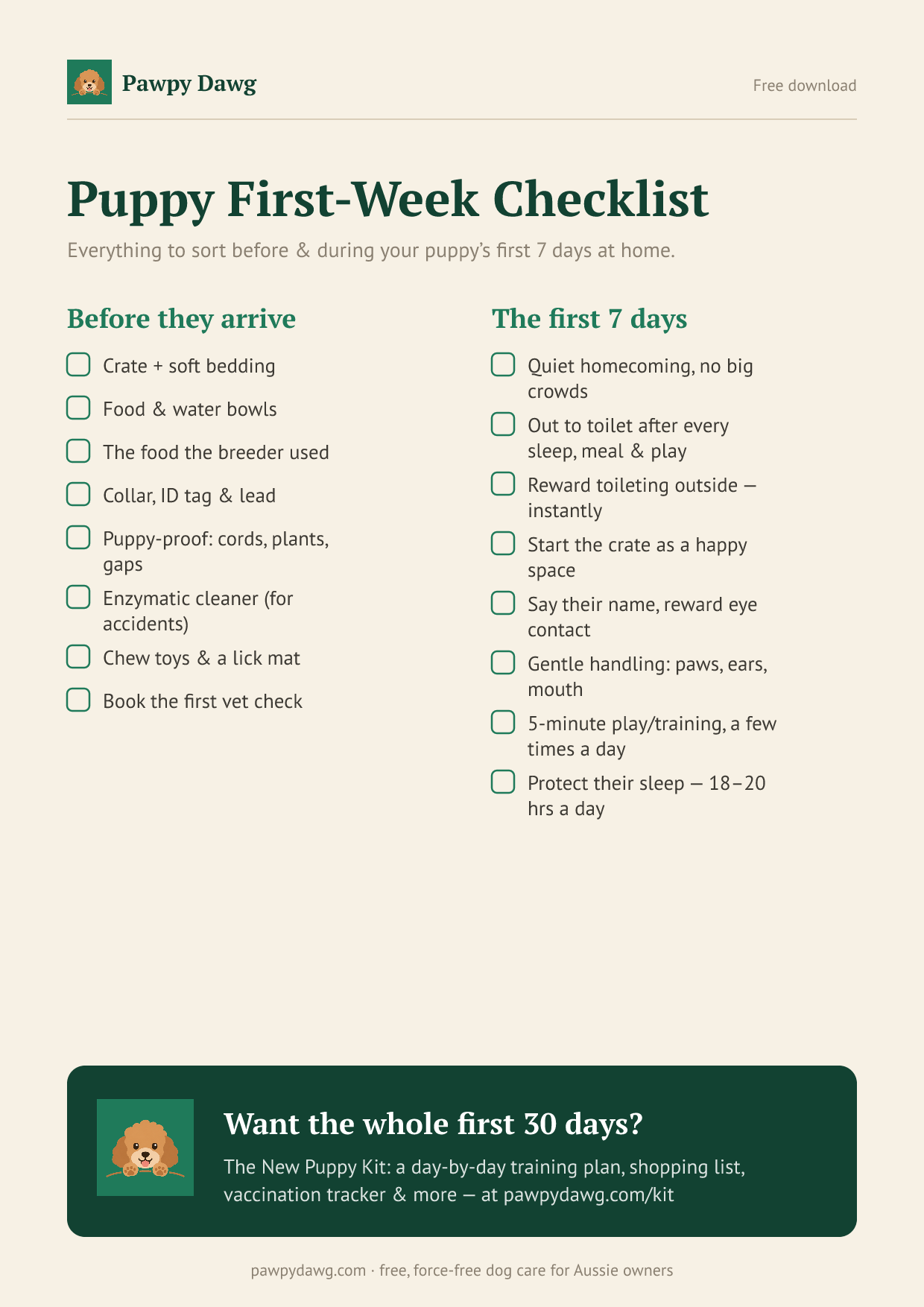
Free printable
Free: the Puppy First-Week Checklist
Everything to sort before and during your puppy's first 7 days home — a printable one-pager. Plus the occasional genuinely useful dog tip. No spam, unsubscribe anytime.
Related guides
Is Pet Insurance Worth It in Australia? The Honest Maths
Is pet insurance worth it in Australia? We crunch real premiums vs real vet bills — cruciate surgery, snake bite & more — so you can decide with confidence.
Read the guide →
How Much a Dog Really Costs Per Year in Australia (2026 Breakdown)
How much does a dog cost per year in Australia? 2026 line-item breakdown covering food, vet, insurance, grooming & the costs first-timers always miss.
Read the guide →
Dog Vaccination Schedule in Australia: What, When and What It Costs
Confused by C3, C5 and kennel cough? Here's your complete dog vaccination schedule Australia cost guide — puppy timelines, adult boosters & typical AUD prices.
Read the guide →