
Kennel Cough in Dogs: Symptoms, Treatment and Prevention in Australia
Kennel cough Australia: spot the honking cough early, know when to see a vet, how the C5 vaccine helps, and what to do at home while it clears.

Written by Bradley Brown
Founder & editor · Reviewed 2026-11-11
A quick note: this guide is general information, not veterinary advice. For anything urgent or specific to your dog, your vet is always the right call.
Six things that actually matter when your dog has kennel cough
- Isolate your dog immediately — kennel cough spreads fast through airborne droplets and shared surfaces. Keep them away from other dogs until at least two weeks after the cough resolves.
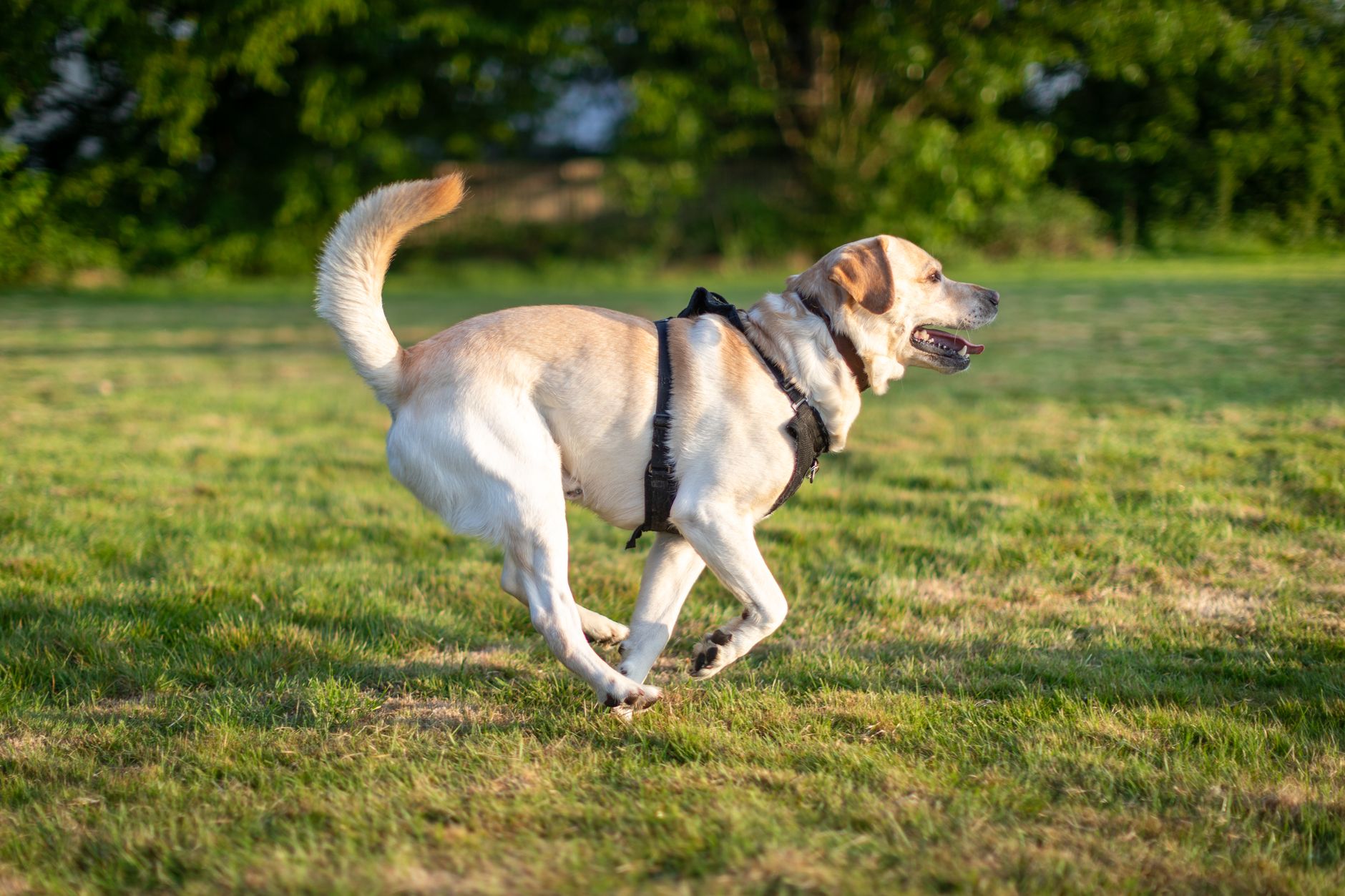
- Rest the throat — swap the collar for a harness during walks to avoid pressure on the trachea, and keep exercise gentle.
- Know the red-flag signs — lethargy, reduced appetite, nasal discharge, laboured breathing or a temperature above 39.2 °C mean call your vet today, not tomorrow.
- Don't suppress a mild cough with over-the-counter human medicines — many are toxic to dogs. Ask your vet before giving anything.
- Check your dog's C5 vaccination status — if it's lapsed, make an appointment when they've recovered. Prevention is cheaper than a respiratory illness.
- Tell any boarding or daycare facility — Australian kennels legally require current vaccination records, and you're protecting other people's dogs.
That honking sound: what's actually happening
The classic kennel cough noise — a harsh, honking cough that can end in a retch or a gag — is caused by inflammation of the upper respiratory tract. Most cases involve a combination of Bordetella bronchiseptica bacteria and canine parainfluenza virus, though other pathogens including canine adenovirus type 2 and mycoplasma can pile on. The result is an irritated trachea and larynx that behave a bit like a squeaky toy.
It's genuinely startling the first time you hear it. Many owners rush to the vet convinced their dog is choking. That instinct isn't wrong — it's worth ruling out a foreign body — but once a vet confirms infectious tracheobronchitis, the prognosis for otherwise healthy adult dogs is good. Most uncomplicated cases clear in two to three weeks with rest and supportive care.
The mistake owners make: assuming it's "just a kennel cough" and ignoring signs that it's progressing. Puppies, senior dogs, brachycephalic breeds (Bulldogs, Pugs, French Bulldogs) and immunocompromised dogs can develop secondary bacterial pneumonia, which is a different problem entirely.
When it genuinely needs a vet visit
A mild, infrequent honk in a bright-eyed dog who's eating normally? Monitor at home and call if anything changes. But book a same-day appointment if you notice:
- Coughing fits that are frequent, prolonged, or end in collapse
- Green or yellow nasal discharge
- Breathing that looks laboured or rapid at rest
- Gums that are pale, blue-tinged, or tacky
- Not eating or drinking for more than 24 hours
- A puppy or senior dog who seems flat, even mildly
Your vet may prescribe a short course of antibiotics (useful when Bordetella is involved and the cough is severe or not improving), cough suppressants, or anti-inflammatories. They'll also listen to the lungs to rule out pneumonia — this is not something you can assess at home.
Expect to pay roughly $80–$180 AUD for a standard consult, more if diagnostics like chest X-rays or cultures are needed.
The C5 vaccine and what it actually covers
Australia's C5 vaccination is the standard annual or three-yearly booster for most dogs in social environments. It covers:
- Canine distemper
- Canine adenovirus (hepatitis)
- Canine parvovirus
- Canine parainfluenza virus
- Bordetella bronchiseptica
The last two are the kennel cough components. The C5 significantly reduces severity and spread, though it doesn't guarantee complete immunity — the same way a flu shot doesn't mean you'll never sniffle. A vaccinated dog who contracts kennel cough typically has a milder, shorter illness.
Practically every reputable kennel, dog daycare, and training facility in Australia requires proof of a current C5 within the last 12 months before boarding. If you've let it lapse — and it happens, life gets busy — this is a non-judgemental nudge to book it in. The intranasal and oral Bordetella vaccines (administered directly into the nose or mouth) can build local immunity within 72 hours for dogs who need rapid cover before boarding, and are worth asking your vet about.
Caring for your dog at home while it passes
Kennel cough doesn't need to be dramatic. Most of your job is keeping your dog comfortable and preventing spread.
Humidity helps. Running a hot shower and sitting your dog in the steamy bathroom for ten minutes can soothe an irritated airway, the same way it helps a child with croup. Keep the room warm and free from cigarette smoke, dust, and aerosol sprays.
Hydration matters. Encourage drinking — add a splash of low-sodium chicken broth to the water bowl if they're reluctant. Soft, easy-to-swallow meals are kinder on an inflamed throat than dry kibble.
Avoid triggers. Lead walks on a harness only, short and calm. Skip the dog park, the beach run, and anywhere other dogs congregate until they're two weeks clear.
Clean shared surfaces. The pathogens survive on water bowls, leads, and bedding. Wash these with hot water and a pet-safe disinfectant.
There's nothing here that requires hours of your time. Five to ten minutes of attentive care a couple of times a day is enough.
What recovery looks like, week by week
Days 1–3: The cough is usually at its worst. Keep things very calm.
Days 4–7: Most healthy adult dogs start coughing less frequently. Appetite usually returns.
Week 2: The cough becomes occasional. Energy levels lift. Continue to isolate from other dogs.
Week 3: The majority of uncomplicated cases are fully resolved. If the cough is still present and productive, return to your vet — a secondary infection may need attention.
If your dog isn't improving on this rough trajectory, or deteriorates at any point, don't wait it out. A second vet visit costs less than treating pneumonia.
As an Amazon Associate we earn from qualifying purchases.
Frequently asked questions
Can my dog get kennel cough even if they're vaccinated?
Yes, though it's less likely and usually milder. The C5 vaccine covers the most common strains — Bordetella bronchiseptica and canine parainfluenza — but kennel cough can be caused by several pathogens, and no vaccine covers all of them. Think of it like a flu shot: valuable protection, but not a guarantee.
How long is a dog with kennel cough contagious?
Dogs are considered contagious from when symptoms appear until roughly two weeks after the cough fully resolves. Some dogs can shed the bacteria for longer without showing obvious signs, so erring on the side of a full two-week isolation period after recovery is the safest approach.
Can humans catch kennel cough from dogs?
Transmission to healthy humans is extremely rare. Bordetella bronchiseptica is a different strain from the whooping cough bacteria that affects people, and most adults' immune systems handle incidental exposure without issue. People who are immunocompromised should take basic hygiene precautions and check with their doctor if concerned.
Do I need antibiotics for my dog's kennel cough?
Not always. Mild cases in healthy adult dogs often resolve without antibiotics. Your vet will recommend them when Bordetella is likely involved, the cough is severe, or the dog is high-risk — puppies, seniors, or brachycephalic breeds. Never use leftover antibiotics from a previous prescription without veterinary advice.
My dog has kennel cough but I need to board them next week — what do I do?
You'll need to cancel or postpone the booking. Reputable boarding facilities in Australia will not accept a dog with an active respiratory illness, and you'd be exposing every other dog in that environment. Contact the kennel as early as possible — most have policies for illness-related cancellations and will work with you.
Is kennel cough more common at certain times of year in Australia?
Outbreaks tend to spike around school holidays when boarding facilities are busy and dogs mix in higher numbers — think Christmas, Easter, and the July school holidays. It's worth checking your dog's C5 booster is current before any holiday boarding, not just after an outbreak has started.
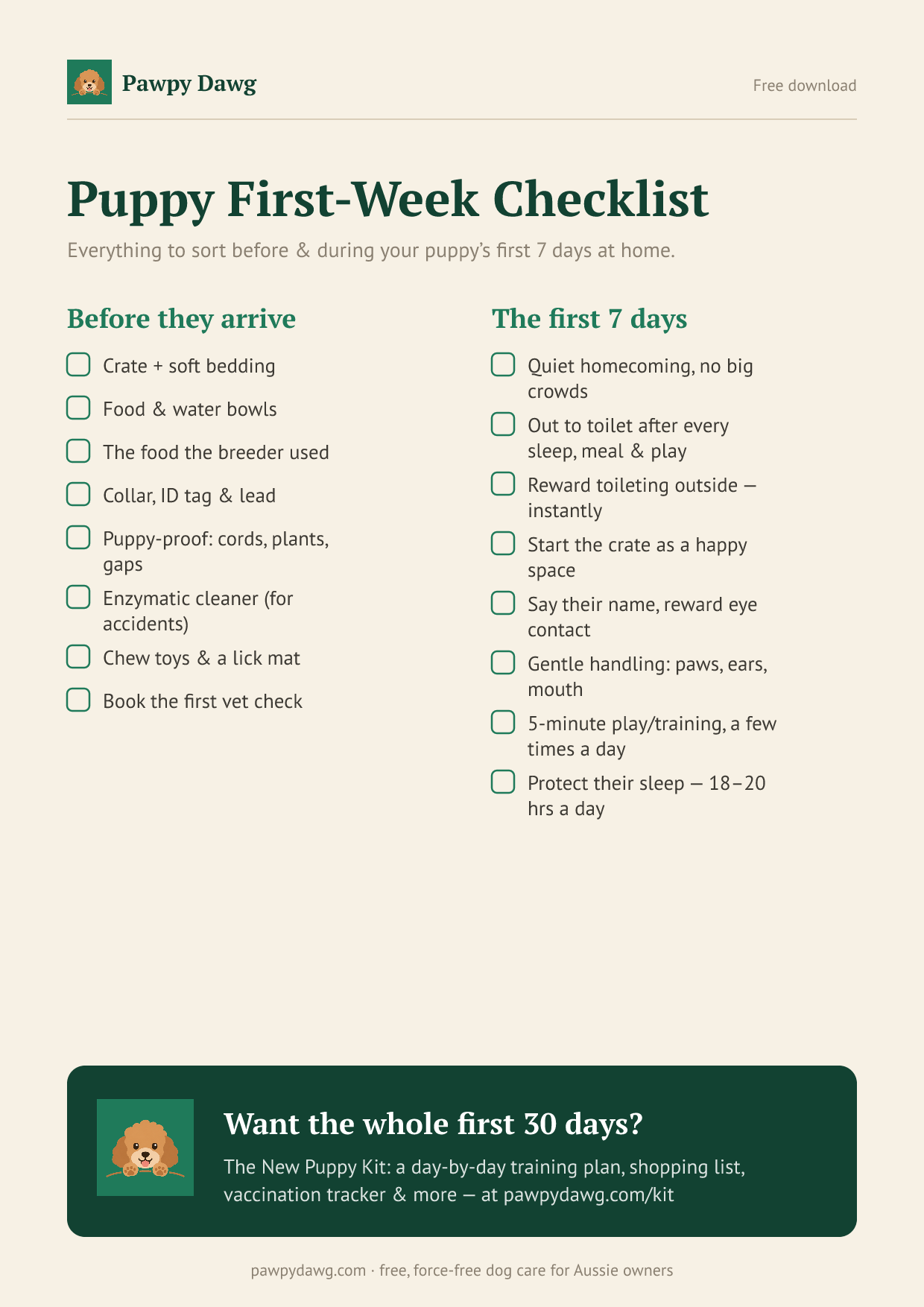
Free printable
Free: the Puppy First-Week Checklist
Everything to sort before and during your puppy's first 7 days home — a printable one-pager. Plus the occasional genuinely useful dog tip. No spam, unsubscribe anytime.
Related guides
Is Pet Insurance Worth It in Australia? The Honest Maths
Is pet insurance worth it in Australia? We crunch real premiums vs real vet bills — cruciate surgery, snake bite & more — so you can decide with confidence.
Read the guide →
How Much a Dog Really Costs Per Year in Australia (2026 Breakdown)
How much does a dog cost per year in Australia? 2026 line-item breakdown covering food, vet, insurance, grooming & the costs first-timers always miss.
Read the guide →
Dog Vaccination Schedule in Australia: What, When and What It Costs
Confused by C3, C5 and kennel cough? Here's your complete dog vaccination schedule Australia cost guide — puppy timelines, adult boosters & typical AUD prices.
Read the guide →