
Dog Dental Care in Australia: Costs, Prevention and When It's Urgent
Dog dental care cost Australia: why dentals run $500–$2,000+, what pet insurance covers, daily prevention in 5 mins, and warning signs to act on now.

Written by Bradley Brown
Founder & editor · Reviewed 2026-07-04
A quick note: this guide is general information, not veterinary advice. For anything urgent or specific to your dog, your vet is always the right call.
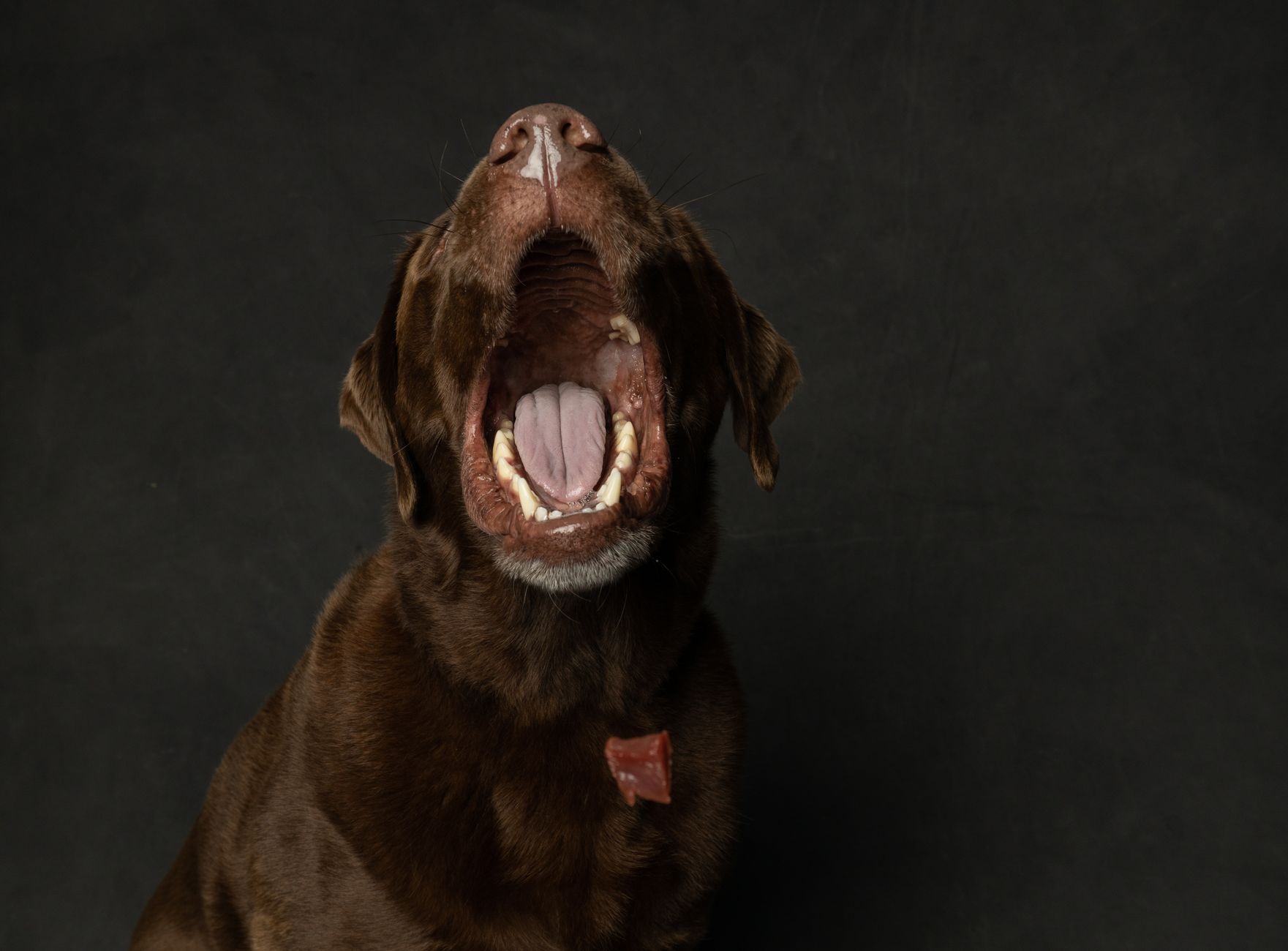
If your dog has been breathing like a small garbage truck lately, or your vet just quoted you over a thousand dollars for a "dental," you're not alone — and you're not a bad owner. Dental disease is the most commonly diagnosed health problem in Australian dogs, affecting around 80% of dogs over three years old. The costs are real, the bill can be shocking, and yet most of it is genuinely preventable. Here's everything you need to know, starting with something you can do tonight.
The One Thing You Can Do Tonight (No Equipment Needed)
Before anything else: run your finger along the outside of your dog's upper back teeth and gums. You're feeling for hard, rough deposits (tartar) and checking if your dog flinches or pulls away. That's your five-second dental check. If your dog tolerates it, gently rub for 30 seconds. You've just started a tooth-brushing habit — finger first, toothbrush later. Small start, real payoff.
Why Dog Dentals Cost So Much in Australia
A dog dental isn't like a human scale-and-clean. Your dog needs to be fully anaesthetised, monitored by a vet nurse throughout, and often has X-rays taken. The bill reflects genuine clinical complexity.
Typical cost breakdown (AUD):
| What's included | Approximate cost |
|---|---|
| Pre-anaesthetic blood work | $80–$180 |
| Anaesthesia + monitoring | $200–$500 |
| Dental scale and polish | $150–$350 |
| Dental X-rays | $100–$300 |
| Extractions (per tooth) | $50–$250+ |
| Total range | $500–$2,000+ |
Extractions are the wildcard. A dog with advanced periodontal disease may need multiple teeth removed, each adding to the final bill. Larger dogs cost more because they need more anaesthetic. A senior dog may need extra monitoring. None of this is overcharging — it's the real cost of safe veterinary dentistry.
The best way to keep costs down is to avoid getting there in the first place, or to catch problems at stage 1 rather than stage 4.
Pet Insurance and Dental Work: The Reality Check
Most Australian pet insurance policies treat dentals carefully — read the fine print before you assume you're covered.
What's typically covered:
- Dental treatment required due to an accident (e.g., a broken tooth from chewing a rock) — usually covered under most policies.
- Dental illness cover (periodontal disease, tooth root abscesses) — only covered by some policies, and often only if you have the right tier.
What's almost never covered:
- Routine preventive dentals (a clean before problems set in)
- Pre-existing dental conditions
- Dental disease that develops before your policy starts or during a waiting period
Australian insurers to compare for dental illness cover: Bow Wow Meow, PetSure (which underwrites many brands including Guide Dogs, Woolworths Pet Insurance), and Petplan are among those that offer dental illness options on comprehensive plans. Always check the Product Disclosure Statement for "dental illness" specifically — not just "dental."
If your dog is a puppy or young adult with healthy teeth right now, this is the best time to take out a policy that includes dental illness. Waiting until problems appear means it'll be a pre-existing condition.
Daily Prevention That Actually Works
You do not need a 30-minute grooming ritual. You need five minutes, consistency, and the right tools.
Tooth Brushing (Most Effective)
Brushing removes plaque before it hardens into tartar. Plaque takes roughly 24–48 hours to mineralise, so daily brushing is the goal — every second day is still worthwhile.
How to start without a fight:
- Week 1–2: Let your dog lick dog-safe toothpaste (enzymatic formulas like Virbac CET are widely available in Australia) off your finger. Make it a treat.
- Week 3: Wrap gauze around your finger and gently rub the outside of the teeth for 20–30 seconds.
- Week 4+: Introduce a soft-bristled dog toothbrush or finger brush. Focus on the outer surfaces of the upper back teeth — that's where tartar builds fastest.
Never use human toothpaste. Fluoride and xylitol are toxic to dogs.
Dental Chews and Additives (Helpful Extras, Not Replacements)
- VOHC-approved chews: Look for the Veterinary Oral Health Council (VOHC) seal. Products like Greenies and OraVet have earned it through clinical evidence.
- Water additives: Products like Aquadent can reduce bacterial load. Easy to use, mild benefit — good as a supplement.
- Raw meaty bones: Moderate, supervised chewing on appropriate raw bones (like chicken necks for small dogs, lamb flaps for larger breeds) can reduce tartar. Avoid cooked bones (splintering risk) and weight-bearing bones like knuckles (fracture teeth).
What Doesn't Work
- Dental "sprays" with no clinical evidence behind them
- Dry kibble alone (the "biscuits clean teeth" myth is largely debunked — some kibble is designed to help, but standard dry food doesn't scrape adequately)
Warning Signs: When to See a Vet This Week
Your dog won't tell you their mouth hurts — they're hardwired to hide pain. Watch for:
- Bad breath that knocks you back — some odour is normal; a truly foul, rotten smell is not
- Dropping food, chewing on one side, or reluctance to eat hard food
- Pawing at the mouth or face
- Bleeding or red, swollen gums
- Visible brown/yellow crust on teeth, especially at the gum line
- Facial swelling, particularly below the eye (can indicate a tooth root abscess — see a vet today, not next week)
- Excessive drooling or saliva that's blood-tinged
Dental disease is graded 0–4. At grades 1–2, a professional clean may be all that's needed. By grade 3–4, extractions are likely and costs climb sharply. If you're seeing any of the above, earlier is dramatically cheaper.
Breeds That Need Extra Attention
Some dogs are genetically set up for dental problems and need more frequent monitoring:
- Small and toy breeds: Cavalier King Charles Spaniels, Chihuahuas, Pugs, Maltese, Shih Tzus — teeth are crowded in a smaller jaw, leading to faster tartar build-up
- Brachycephalic breeds: Bulldogs, French Bulldogs, Pugs — misaligned teeth trap debris
- Greyhounds and sighthounds: Thin enamel makes them unusually prone to periodontal disease
If your dog is one of these breeds, daily brushing isn't optional — it's the difference between a $600 dental every two years and a $1,800 one every year.
A Realistic Prevention Routine (5 Minutes a Day)
You don't need to transform your life. You need a habit that sticks:
- Morning: 60 seconds of brushing or finger-rubbing while your dog eats breakfast nearby (the association helps)
- Evening walk/dinner: Give one VOHC-approved dental chew, or add water additive to the bowl
- Weekly: Quick visual check — lift the lip, look at the back upper molars, note any changes
- Every vet visit: Ask for a dental grade score (0–4) so you can track it year to year
That's it. Consistent and simple beats perfect and abandoned every time.
Dental disease is painful, progressive, and expensive — but it's also one of the most preventable conditions in dogs. The dogs that end up needing extensive dental surgery at age seven usually had owners who genuinely didn't know daily brushing made this much difference. Now you do.
Frequently asked questions
How much does a dog dental cost in Australia?
A routine scale and polish under anaesthesia typically costs $500–$900 AUD. Once dental X-rays, extractions, and pre-anaesthetic bloodwork are added, bills of $1,200–$2,000+ are common for dogs with moderate to severe dental disease. The final cost depends on your dog's size, age, and how many teeth need removing.
Does pet insurance cover dog dental treatment in Australia?
It depends heavily on your policy. Accidental dental injury (like a broken tooth) is covered by most comprehensive policies. Dental illness — such as periodontal disease or tooth abscesses — is only covered by some insurers and usually only on their top-tier plans. Routine preventive dentals are almost never covered. Always check the PDS for 'dental illness' specifically before purchasing.
How often do dogs need professional dental cleaning?
Most dogs benefit from a professional dental check every 12 months, with a full clean recommended when tartar build-up or early gum disease is detected. Small breeds and brachycephalic breeds often need cleaning every 12–18 months regardless. Dogs with excellent daily home care may go longer between professional cleans — your vet can give you a grade (0–4) to track progress.
Can I clean my dog's teeth without a toothbrush?
Yes, especially when starting out. A piece of gauze wrapped around your finger works well and is often better tolerated than a brush initially. Finger brushes (silicone caps that fit over your fingertip) are another good step up. VOHC-approved dental chews and water additives also help reduce plaque, though brushing — even with a finger — remains the gold standard.
Is bad dog breath always a sign of dental disease?
Mild 'dog breath' is normal, but a strong, foul, or rotten smell is a red flag for significant dental disease or infection. In rare cases, very bad breath can also indicate kidney disease or diabetes, so it's worth raising with your vet. Don't dismiss it as 'just how dogs smell' — it's often the earliest owner-noticed sign of a painful mouth.
At what age should I start caring for my dog's teeth?
As early as possible — ideally from puppyhood, when your dog is most receptive to having their mouth handled. Adult dogs can absolutely be trained to tolerate brushing, but it takes more patience. The earlier you start, the easier it is, and the less likely your dog is to need costly dental treatment in middle age.
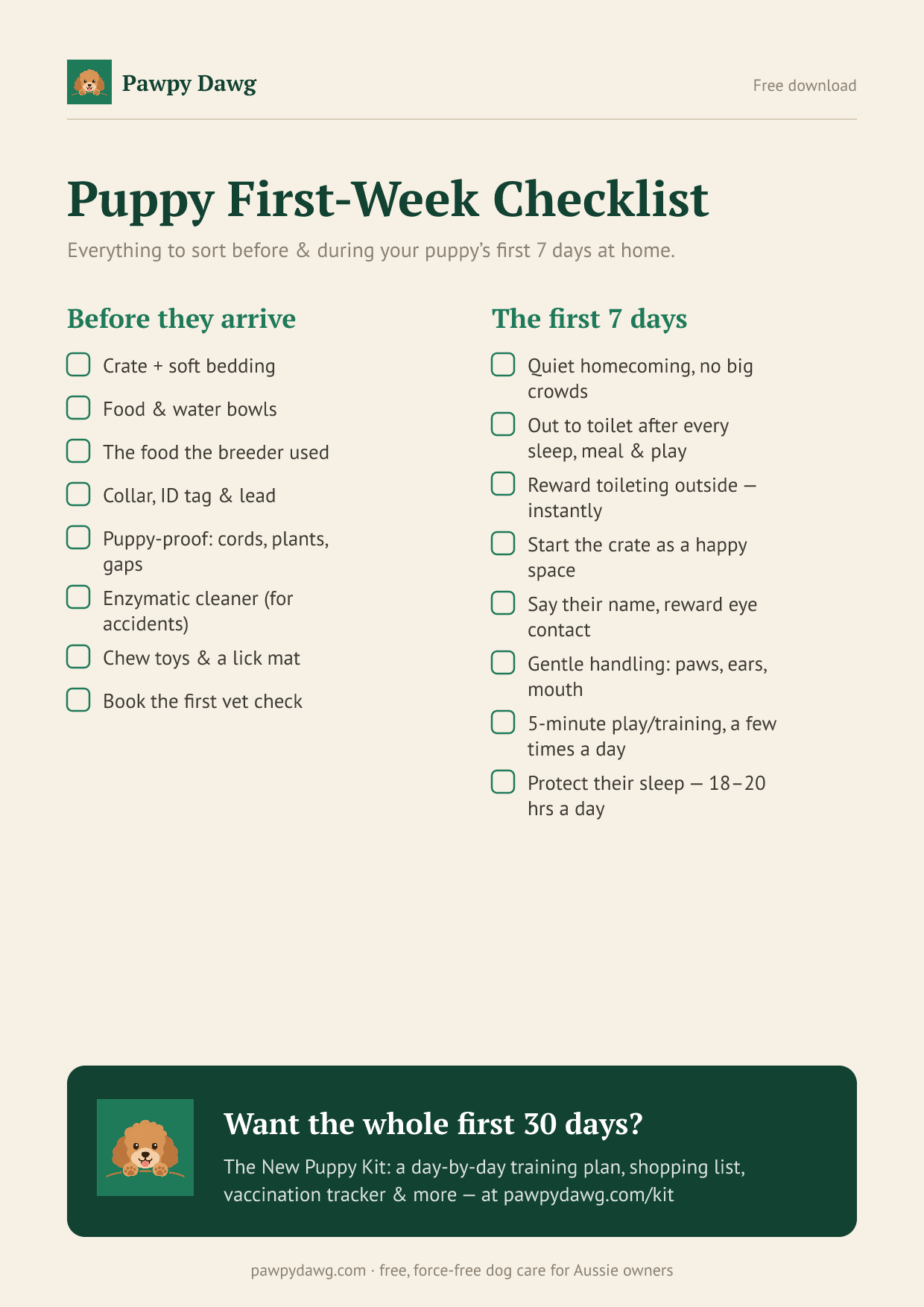
Free printable
Free: the Puppy First-Week Checklist
Everything to sort before and during your puppy's first 7 days home — a printable one-pager. Plus the occasional genuinely useful dog tip. No spam, unsubscribe anytime.
Related guides

Is Pet Insurance Worth It in Australia? The Honest Maths
Is pet insurance worth it in Australia? We crunch real premiums vs real vet bills — cruciate surgery, snake bite & more — so you can decide with confidence.
Read the guide →
How Much a Dog Really Costs Per Year in Australia (2026 Breakdown)
How much does a dog cost per year in Australia? 2026 line-item breakdown covering food, vet, insurance, grooming & the costs first-timers always miss.
Read the guide →
Dog Vaccination Schedule in Australia: What, When and What It Costs
Confused by C3, C5 and kennel cough? Here's your complete dog vaccination schedule Australia cost guide — puppy timelines, adult boosters & typical AUD prices.
Read the guide →